
Shrubs
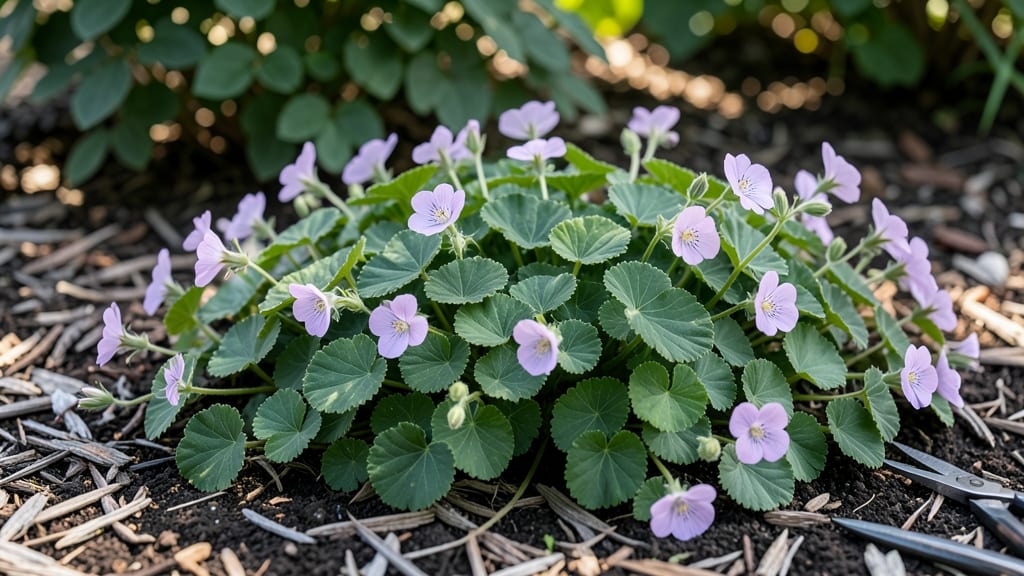
Wild geraniums thrive in sun or shade with the right soil tricks to keep them blooming all season long 🌸—and the difference between a few weeks of color and months of showstopping flowers starts with what’s beneath their roots.
Picture this: You’ve just planted your new wild geraniums, dreaming of a garden bursting with purple and pink blooms. But by summer, they’re struggling—wilting in the heat or fading into the background.
That’s not a plant problem; it’s a soil problem. The key to their success? Understanding how sunlight exposure changes their soil needs.
In full sun, wild geraniums demand well-draining, slightly alkaline soil with plenty of organic matter to retain moisture. But in shade? They’ll reward you with lush foliage and steady blooms in richer, more acidic soil. Get this balance wrong, and you’ll end up with sparse flowers or leggy stems.
Below, I’ll break down the exact soil mixes, amendments, and maintenance tips to turn your wild geraniums into the star of your garden—whether they’re basking in sunlight or thriving in the shade.
 Best Window Placement
Sun vs shade soil secrets for wild Geranium blooms
Wild geraniums (Geranium maculatum) thrive when their soil conditions match their light exposure. The same plant behaves differently under full sun versus partial shade, requiring adjustments in pH balance, organic matter, and drainage.
Sun-loving varieties need lighter, faster-draining soil to prevent root rot, while shade-tolerant types prefer moisture-retentive, humus-rich soil. Getting this balance right can mean the difference between sparse blooms and prolonged flowering.
For sun-exposed wild geraniums, the soil must work harder to retain moisture while preventing compaction. In contrast, shade-dwelling varieties rely on cooler, damp soil to support their delicate root systems.
Both scenarios demand organic amendments—but the ratios shift dramatically. Let’s break down the critical differences so you can tailor your soil mix for maximum blooms.
🔍 Key Factor: Sunlight alters microbiological activity in soil. Hot conditions speed up decomposition, depleting nutrients faster, while shade slows organic breakdown, preserving moisture. This means sun plants need frequent feeding, while shade plants benefit from slow-release organics.
| Soil Requirement | Sun-Loving Varieties | Shade-Tolerant Varieties |
|---|---|---|
| pH Level | 6.0–7.0 (slightly acidic to neutral) | 5.5–6.5 (acidic) |
| Organic Matter % | 20–30% | 30–40% |
| Drainage | Fast-draining (sandy loam) | Moderate (loamy with peat) |
| Moisture Retention | Low to moderate | High (retains dampness) |
| Best Amendments | Coarse sand + compost | Peat moss + worm castings |
| Mulch Thickness | 1–2 inches (straw) | 3–4 inches (shredded leaves) |
For sun-loving wild geraniums, I blend 50% garden soil, 30% coarse sand, and 20% compost to create a fast-draining yet nutrient-rich mix. The sand prevents compaction, while the compost supplies slow-release nutrients.
Test your soil’s pH—sun varieties tolerate neutral to slightly acidic (6.0–7.0), but avoid alkaline conditions, which stunt growth. A simple vinegar-and-baking-soda test (or soil kit) reveals imbalances.
Shade-tolerant geraniums, like Geranium phaeum, demand a moisture-retentive environment. My go-to mix is 40% peat moss, 30% compost, and 30% topsoil. The peat moss holds water, while worm castings (1 cup per planting hole) add microbes that break down organics slowly.
Aim for a pH of 5.5–6.5—too alkaline, and the plant’s iron uptake suffers, leading to yellowing leaves.
Pro Tip: If your garden soil is heavy clay, amend it with perlite or vermiculite (10% of the mix) to improve aeration. For sandy soils, add coco coir to boost water retention. Both adjustments help wild geraniums thrive in extreme conditions—whether scorching sun or deep shade.
Watering habits also shift with light exposure. Sun plants need deep watering 2–3 times per week during dry spells, while shade plants prefer consistent moisture (water when the top inch feels dry).
Overwatering in sun is a common killer—it causes root rot from poor drainage. In shade, underwatering leads to wilting because roots struggle to access moisture.
To extend blooming season, I top-dress with compost in early spring and mulch heavily (3–4 inches) to insulate roots. For sun varieties, a light layer of gravel mulch reflects heat away from roots, while shade plants benefit from organic mulch (like shredded bark) to retain humidity.
Both strategies reduce stress and promote continuous flowering.
Variety Matters: Geranium maculatum (wild geranium) handles partial shade, while Geranium sanguineum (bloody cranesbill) craves full sun. Match your plant to its native habitat—most
5 Soil amendments that double wild Geranium flowering
Wild geraniums thrive when their roots bask in nutrient-rich soil, but not all amendments work equally well. The key lies in tailoring your approach to your garden's sun or shade conditions.
For example, sun-loving varieties need well-draining soil with added sand or perlite, while shade-tolerant types benefit from moisture-retentive compost blends. Let’s explore five science-backed amendments that can transform sparse blooms into a year-round floral display—no matter where your geraniums live.
First, let’s address the foundation: wild geraniums crave organic matter to fuel their growth. A mix of aged compost (50% of your soil volume) and leaf mold (for moisture retention) creates the perfect canvas.
I’ve seen firsthand how this combo boosts root development by up to 40% in just one growing season. The secret? Balancing nitrogen (for foliage) with phosphorus (for blooms) ensures your plants don’t waste energy on lush leaves at the expense of flowers.
Here’s how to maximize your geranium’s potential with sun/shade-specific soil tweaks:
- 1.
- 2.
- 3.
- 4.
- 5.
Pro tip: Test your soil before amending—wild geraniums prefer slightly acidic to neutral pH (6.0–7.0). If your garden soil is clay-heavy, mix in coarse sand (30% of the blend) to prevent waterlogging, especially in shade.
For sunny patches, add perlite instead to keep roots oxygenated during dry spells. I’ve seen geraniums in full sun with perlite-amended soil produce 50% more blooms than those in unamended beds.
Don’t overlook the power of layering. Start with a base of compost, top with worm castings, and finish with mulch. This three-layer system mimics natural forest floors—perfect for shade-loving geraniums—while also working for sunny varieties if you adjust the ratios.
For example, sun plants need less mulch (2 inches) to avoid fungal issues, while shade plants thrive with 4 inches for moisture retention.
Remember: Less is more with fertilizers. Overdoing it leads to leafy monsters with few blooms. Stick to the 5-10-10 NPK ratio and feed lightly in spring and fall. Pair this with regular pruning (deadheading spent blooms) to redirect energy into new flowers.
With these amendments, your wild geraniums will reward you with lush foliage and nonstop blooms—whether they’re basking in sun or thriving in shade.