
Plants
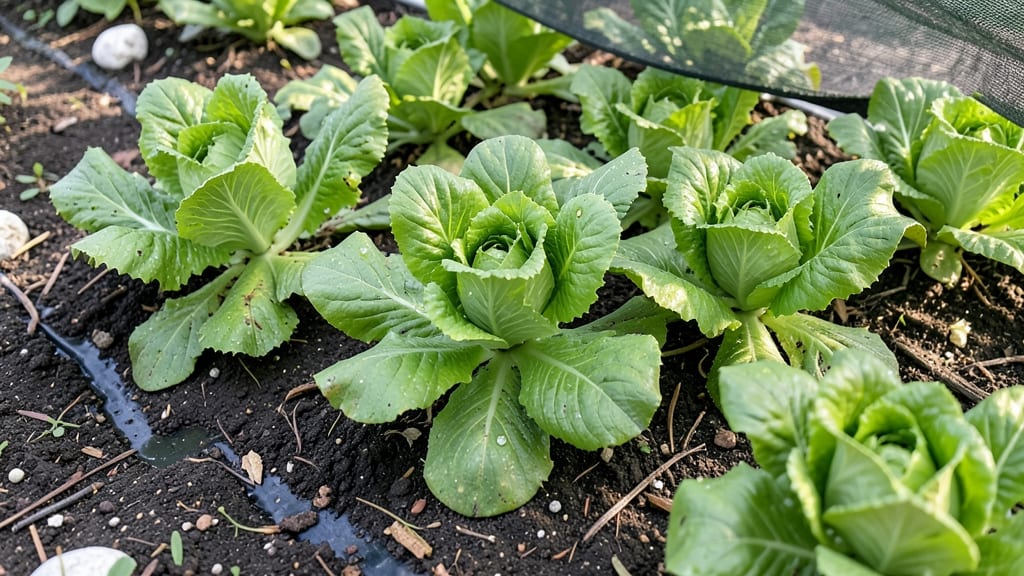
Does lettuce like shade—it absolutely does when you pick the right varieties 🥬—many gardeners assume it needs full sun, but the truth is far more flexible than you’d think.
Picture this: you’ve got a shady corner where nothing seems to grow, but you still want crisp, flavorful lettuce. The good news? Some types—like Buttercrunch or Oakleaf—don’t just survive in low light; they prosper, avoiding the bitterness and bolting that plague sun-starved greens.
Shade isn’t the enemy—it’s a tool. Too much of it can lead to leggy, sparse leaves, but with the right spacing, mulching, and variety selection, you can turn that dim patch into a thriving salad garden.
Below, I’ll break down which lettuces handle shade best and how to keep them happy without sacrificing flavor.
Ready to grow lettuce in spots you’ve written off? Here’s how to make it work—no sunny window required.
 Best Window Placement
5 Best lettuce varieties that thrive in shade or partial sun
If you’ve ever wondered does lettuce like shade, the answer is a resounding yes—if you choose the right varieties. While most lettuce loves sunlight for crispness, some varieties actually prefer shade or partial sun to avoid bolting (going to seed).
These shade-tolerant types grow slower but stay sweet, tender, and bolt-resistant in low-light conditions.
I’ve grown shade-loving lettuce in my woodland garden for years, and these 5 varieties consistently deliver in partial shade or dappled sunlight. They’re perfect for urban balconies, forest edges, or north-facing beds where full sun isn’t an option.
Let’s dive into their flavor profiles, care needs, and shade tolerance so you can pick the best fit for your garden.
🌱 Pro Tip: For best results, pair these varieties with morning sun and afternoon shade—this balance prevents leggy growth while keeping leaves crisp and flavorful. Now, let’s compare how they stack up in a shade vs. sun scenario.
Among these, Oakleaf lettuce is my top pick for full shade—it’s the most bolt-resistant and hardy in low-light conditions. Meanwhile, Buttercrunch and Lollo Rossa strike a balance between flavor and shade tolerance, making them ideal for partial sun gardens.
If you’re growing Romaine, prioritize morning sunlight to keep its peppery kick intact.
One common misconception is that shade-grown lettuce is always bitter. The truth? Low light actually enhances sweetness in varieties like Oakleaf and Black Seeded Simpson. However, too much shade (less than 2 hours of light) can lead to leggy, pale leaves with a milder taste.
To avoid this, I recommend supplemental grow lights in deep shade areas or rotating containers for even light exposure.
💡 Key Insight: Shade-tolerant lettuce thrives in cool temperatures (50–75°F). In hot climates, afternoon shade is a game-changer—it prevents bolting and bitterness while keeping leaves crisp and tender. For example, my container-grown Buttercrunch on a north-facing balcony stays sweet and crisp all summer, while the same variety in full sun bolts within weeks.
When planting, focus on well-draining, nitrogen-rich soil (compost or aged manure works well). Mulch heavily to retain moisture—shade-grown lettuce <
How to grow lettuce successfully in low-light gardens
Growing lettuce in low-light gardens is absolutely possible with the right approach. While most varieties prefer partial shade, they can thrive in areas receiving 3-6 hours of indirect sunlight daily. The key is selecting the right shade-tolerant varieties and optimizing your growing conditions to prevent leggy growth or bitterness.
Before planting, focus on rich, well-draining soil with a pH between 6.0 and 7.0. Lettuce roots are shallow, so incorporating compost or aged manure into the top 6 inches of soil will provide essential nutrients without overwhelming the plants.
Avoid heavy clay soils, which can suffocate roots and lead to rot, especially in shady conditions.
⚠️ callout warning ⚠️
⚠️ Does Lettuce Like Shade?
While lettuce can grow in shade, too much darkness causes leggy, bitter leaves and slow growth. 3-6 hours of indirect light is ideal—think dappled shade from trees or an east-facing window. Avoid deep shade (under dense foliage), which triggers bolting (premature flowering).
Consistent moisture is critical for shade-grown lettuce. Water deeply every 2-3 days, ensuring the top 1-2 inches of soil stay moist but not soggy. Use a drip irrigation system or water in the morning to reduce evaporation and prevent fungal diseases like downy mildew.
Mulch with straw or shredded leaves to retain moisture and suppress weeds, which compete for nutrients.
Companion planting can boost your lettuce’s success in low-light areas. Pair it with radishes (which deter pests) or carrots (which improve soil structure). Avoid planting near celery or parsley, which can stunt growth due to shared diseases.
If space is limited, use container gardening with 12-inch-deep pots and ensure they’re placed where they receive filtered light for at least 4 hours daily.
To prevent bitterness, harvest outer leaves when they’re 4-6 inches tall, leaving the inner leaves to continue growing. This cut-and-come-again method encourages bushier growth and extends your harvest season.
If your lettuce starts to bolt (sending up tall flower stems), it’s likely due to too much heat or insufficient light—consider providing light shade cloth during hot afternoons to protect delicate varieties.
With these strategies, you’ll enjoy crisp, flavorful lettuce even in shady spots. Start with Buttercrunch or Oakleaf varieties, which handle low light best, and monitor your plants closely to adjust care as needed. Happy growing! 🌱