
Light Requirements
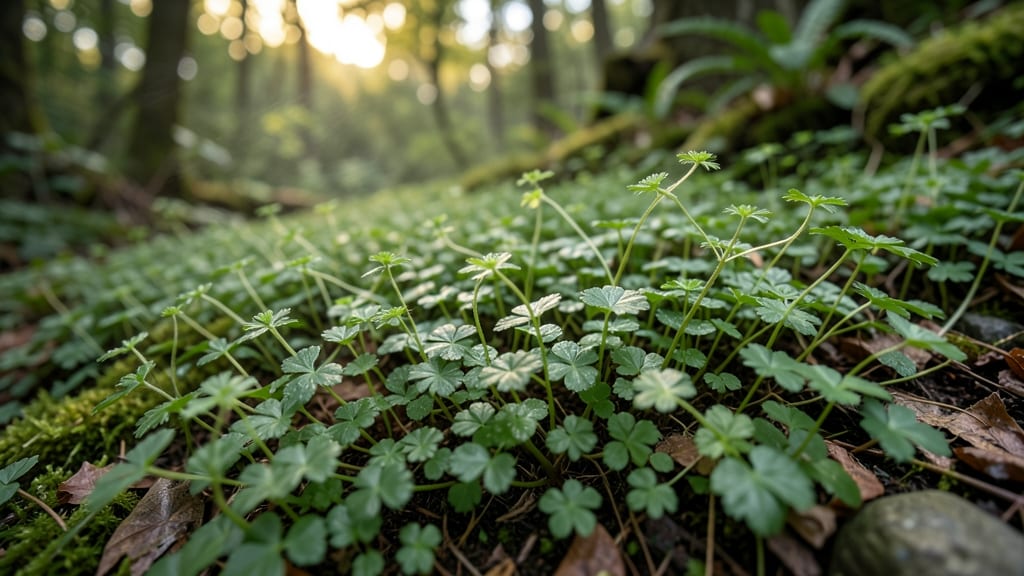
Struggling to keep plants alive in your dimly lit north-facing garden? These 10 full-shade-loving plants thrive where others fail, offering lush foliage and vibrant blooms with minimal sunlight requirements.
Hostas for Textured Evergreen Foliage
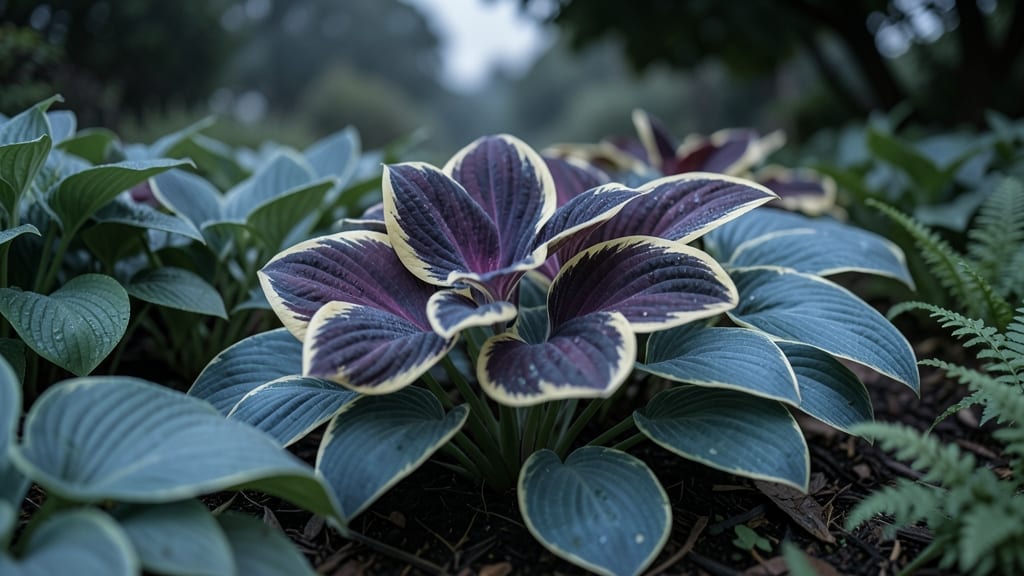
If your garden gets less than three hours of direct sunlight daily, hostas are your secret weapon for year-round texture. These shade-loving perennials offer striking variegation—think blue-green, cream, or deep purple leaves—that keeps your garden vibrant even when other plants fade.
Hostas thrive in deep shade gardens and come in sizes ranging from 6-inch dwarf varieties to giant 3-foot specimens, making them perfect for borders, ground cover, or even container gardening. They’re also low-maintenance: water them when the top inch of soil feels dry, and mulch annually to protect their roots. Deer-resistant varieties like 'Halcyon' or 'Francee' add extra peace of mind.
Beginners will love how forgiving hostas are—they tolerate heavy soils, occasional drought, and even urban pollution. Plant them in spring or fall for the best establishment, and watch them spread into lush, textured foliage that brightens even the darkest corners. 💚
Ferns for Delicate Lace-Like Fronds
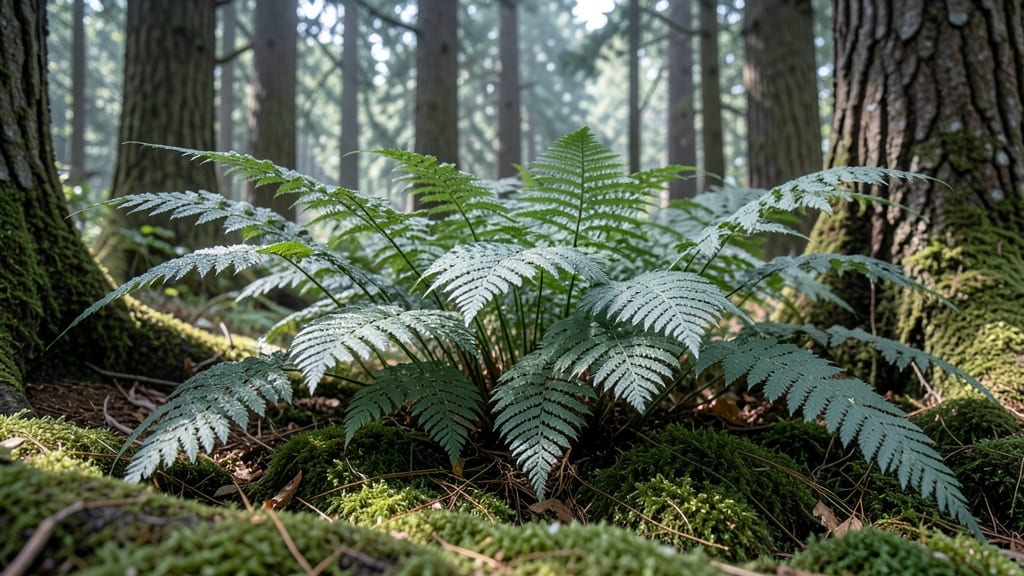
Transform your shady corners into a whimsical woodland retreat with ferns—nature’s finest lace-makers. These delicate, airy plants thrive in full shade while adding texture and movement that no other shade-loving plants can match.
Start with Japanese painted ferns (Athyrium niponicum) for their vibrant red stems that contrast beautifully with silvery-green fronds, or try maidenhair ferns (Adiantum) for their feather-light foliage that dances in the breeze. Both prefer moist, well-draining soil and benefit from a layer of mulch to retain humidity. For container gardens, choose dwarf varieties like Matteuccia struthiopteris to keep them manageable.
Ferns are perfect for urban gardeners with limited sun or beginner growers who want low-maintenance beauty. Their year-round interest makes them the backbone of any shade garden. 🌿
Hellebores for Winter Blooming Beauty
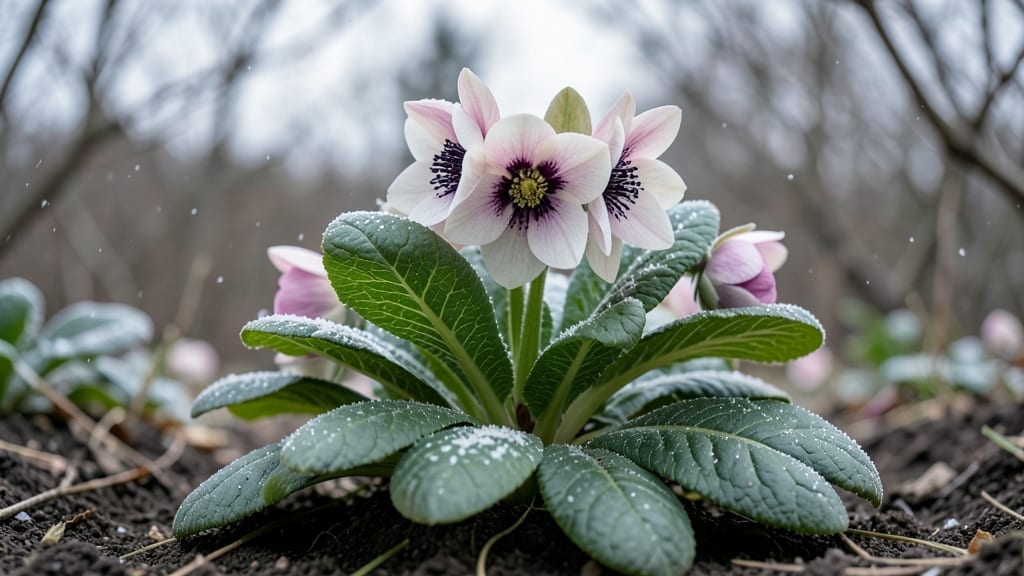
When winter feels endless and your garden looks bare, helleborus niger (commonly called Lenten rose) emerges like a promise of spring. These winter-blooming perennials defy the cold, producing delicate flowers in shades of white, pink, and purple as early as February—often while snow still lingers.
What makes hellebores truly special is their ability to thrive in full shade and heavy clay soils that would drown most shade plants. Their evergreen foliage stays attractive year-round, and they spread slowly but reliably, creating a natural carpet of color. For gardeners with moist, poorly drained soils, hellebores are a game-changer, offering beauty without the fuss of amending soil.
Perfect for woodland gardens, city courtyards, or under trees, these plants bring early pollinators like bees to your space. Urban gardeners and beginners will appreciate their low-maintenance nature—just keep them consistently moist and protect them from late frosts. 🌱
Astilbes for Plume-Like Flower Spikes
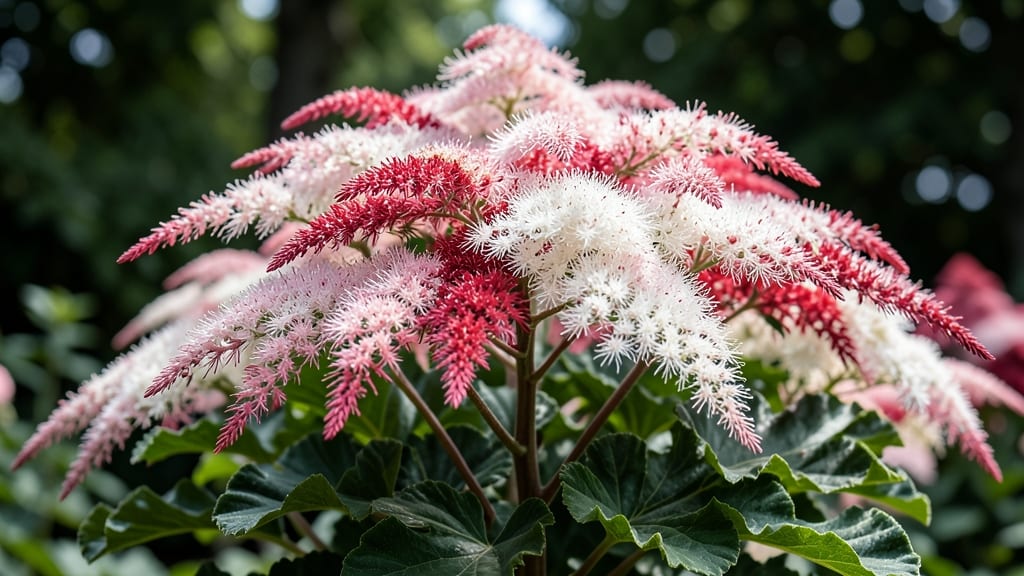
Tired of flat, boring shade gardens? Astilbes bring drama with their feathery plumes that sway in the breeze, adding height and texture where sunlight barely reaches. These shade superstars thrive in full to partial shade and produce vibrant blooms in pink, white, or red—perfect for transforming dull corners into eye-catching displays.
Plant astilbes in moist, well-draining soil enriched with organic matter, and they’ll reward you with 3-4 weeks of blooms from late spring to early summer. Their butterfly-friendly flowers also attract pollinators, making them a dual-purpose addition. Choose dwarf varieties for borders or let taller types reach 2-3 feet for dramatic vertical accents.
Urban gardeners and small-space enthusiasts will love how astilbes fit neatly into containers, while cottage gardeners can use them to soften foundations or fill under trees. Their low-maintenance care makes them ideal for busy gardeners craving color without fuss. 🌷
Lungwort for Medicinal and Ornamental Value
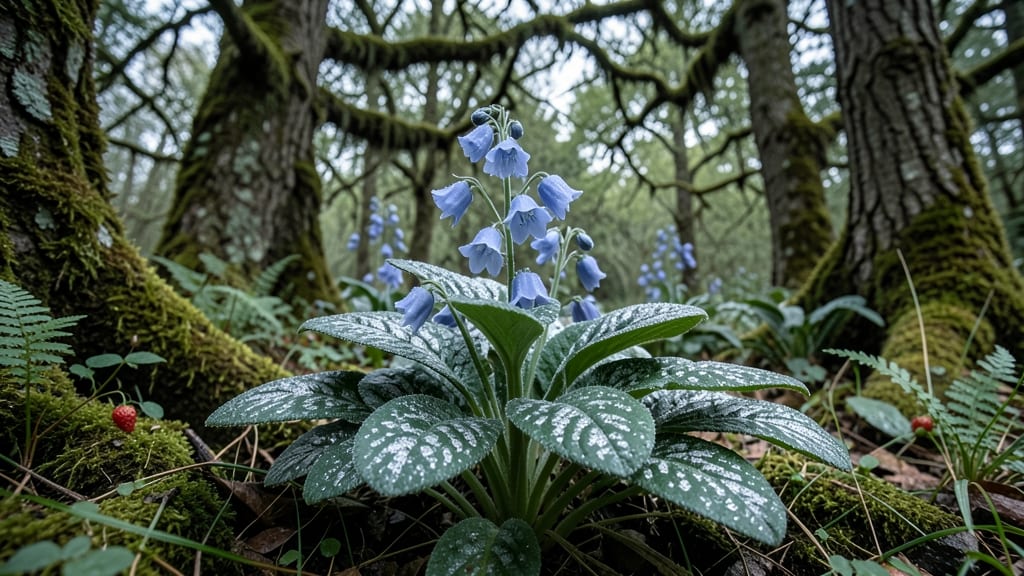
Looking for a shade-loving plant that does double duty—beautifying your garden while offering historical medicinal benefits? Lungwort (Pulmonaria) brings silver-spotted foliage and clusters of delicate blue flowers to moist, shady corners, making it a standout for woodland gardens.
This hardy perennial thrives in full to partial shade and prefers consistently moist, well-draining soil. Its self-seeding habit means you’ll get year-after-year blooms with minimal effort, while the spotted leaves add visual interest even when not in flower. Lungwort’s historical use for respiratory health adds a fascinating layer—though modern gardeners grow it primarily for its ornamental charm and reliability.
Perfect for urban gardeners with shady patios or woodland gardeners, lungwort pairs beautifully with ferns and hellebores. Just keep soil moist, and you’ll have a low-maintenance, long-lived addition that keeps giving. 💚
Bleeding Heart for Graceful Arching Flowers
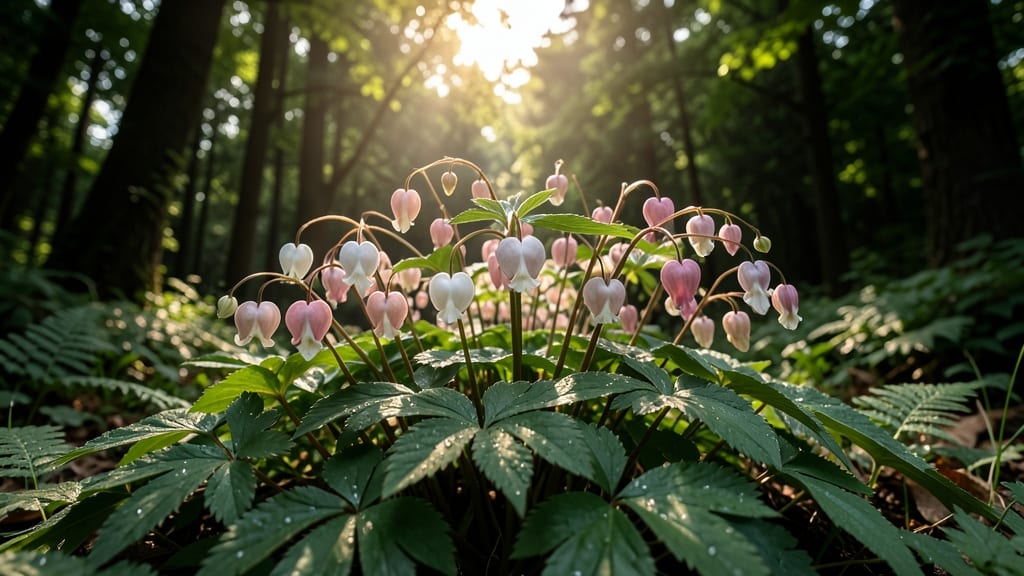
Want to add a touch of old-world romance to your shady garden? Bleeding heart (Dicentra spectabilis) delivers heart-shaped pink or white flowers that arch gracefully from dark green foliage, creating a dreamy woodland effect. This classic shade perennial is one of the most beloved choices for cottage gardens and thrives where other plants struggle.
Plant bleeding heart in consistently moist, well-draining soil enriched with organic matter, and it will reward you with 3-4 weeks of blooms in late spring to early summer. Choose a location with full to partial shade (2-4 hours of sunlight at most), and protect it from harsh afternoon sun. After flowering, the foliage remains attractive until summer, when you can cut it back to encourage new growth.
Perfect for woodland gardeners and cottage-style enthusiasts, bleeding heart creates natural movement and vertical interest that other shade plants can't match. Its delicate charm makes it ideal for borders, under trees, or as a focal point in containers. 🌷
Solomon's Seal for Arching Stems
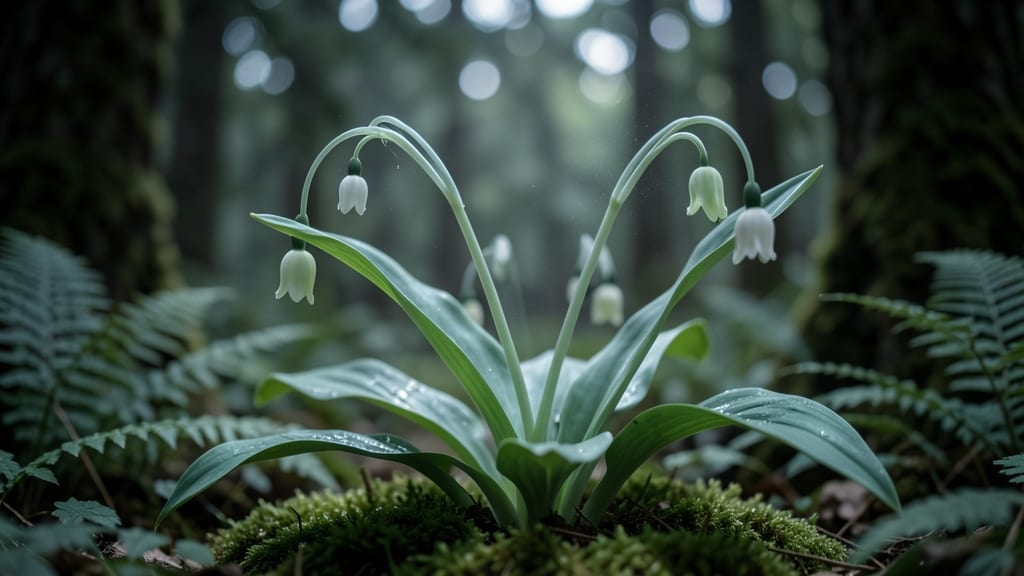
Want to add natural movement and texture to your shady garden without sacrificing beauty? Solomon's Seal (Polygonatum spp.) delivers with its elegant, arching stems that sway gently in the breeze, creating a dynamic display even in full shade. Unlike static foliage, this perennial's graceful curves bring life to dark corners while requiring almost no maintenance.
This shade-loving plant thrives in moist, well-draining soil and produces dangling white flowers in spring followed by edible blue-black berries that birds adore in autumn. Varieties like 'Variegatum' offer creamy-white striped foliage for extra visual interest. Plant in spring or fall at the base of trees or along borders, where its 3-4 foot height creates natural layers. Deer tend to avoid it, making it a practical choice for problem areas.
Perfect for woodland gardeners or those with north-facing yards, Solomon's Seal offers year-round structure—even after flowers fade, the stems remain attractive until replaced by new growth. Its dual role as both ornamental and wildlife-friendly plant makes it a standout for eco-conscious gardeners. 🌿
Coral Bells for Colorful Foliage Varieties
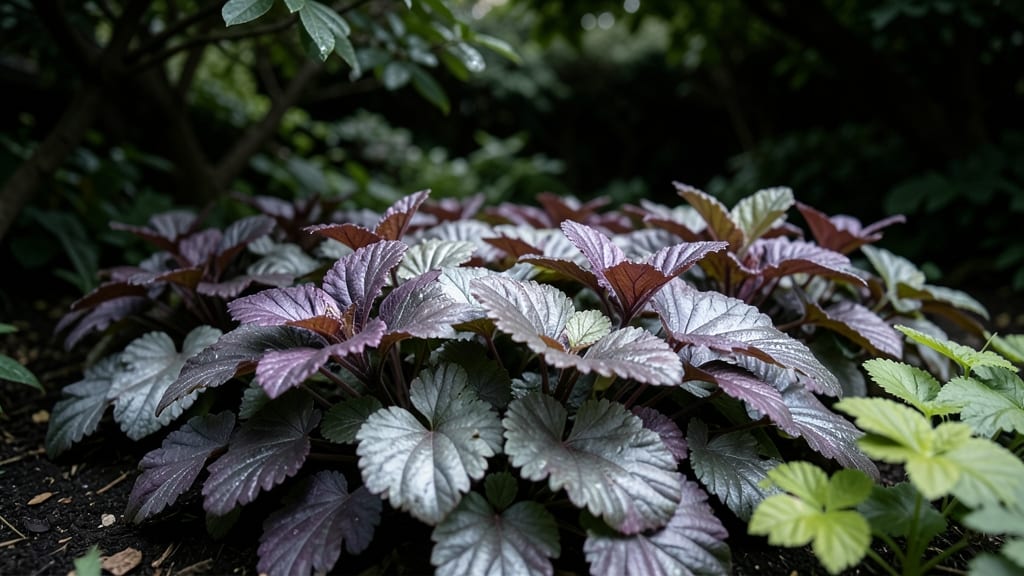
Looking for a shade plant that delivers year-round color without demanding perfect growing conditions? Coral bells (Heuchera) are the answer—these versatile perennials offer foliage in every shade of purple, silver, or chartreuse, turning even the darkest corners into a vibrant display.
What sets coral bells apart is their adaptability: they thrive in both dry and moist shade, making them perfect for urban gardens, woodland edges, or containers. Choose dwarf varieties like 'Palace Purple' for borders or let taller types like 'Lime Rickey' reach 2 feet for dramatic foliage accents. Their low-maintenance care includes occasional watering (they tolerate drought once established) and occasional division every 3-4 years to keep them vigorous.
Gardeners with limited sunlight or small spaces will love how coral bells fit seamlessly into any design. Pair them with ferns or hostas for a lush, textured shade garden that stays stunning through all four seasons. 💚
Japanese Painted Fern for Unique Color
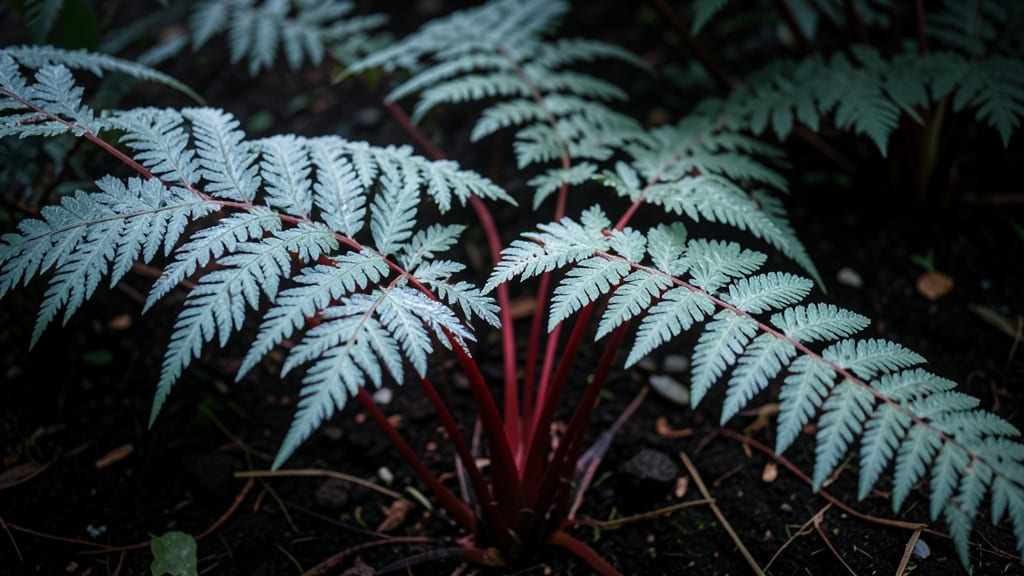
Tired of shade gardens that look boringly green? The Japanese painted fern (Athyrium niponicum) injects bold color with its silvery-green fronds and bright red stems, creating a striking contrast that brightens even the darkest corners. Unlike other ferns, its vibrant stems add seasonal interest—especially in spring when new growth emerges.
This compact fern thrives in full to partial shade and stays under 18 inches tall, making it perfect for small spaces, containers, or woodland gardens. Keep soil moist but well-draining (mulch helps retain humidity), and it’ll reward you with year-round foliage interest. For extra drama, plant it alongside hostas or bleeding heart to enhance its fiery stems.
Ideal for urban gardeners with limited space or woodland enthusiasts, this fern brings unexpected color without demanding sunlight. Its low-maintenance nature makes it a must-have for any shade garden looking for a pop of personality. ✨
Sweet Woodruff for Fragrant Ground Cover

If you’ve ever walked through a European forest and caught the faint, sweet scent of vanilla wafting through the underbrush, you’ve likely encountered sweet woodruff (Galium odoratum). This charming ground cover thrives in full shade while releasing its signature fragrance when brushed against—making it a sensory delight for gardens where sunlight is scarce.
Sweet woodruff spreads quickly to form a dense, weed-suppressing mat that works as natural mulch, reducing water loss and keeping soil cool. Its delicate white star-shaped flowers appear in late spring, followed by clusters of tiny berries that birds adore. To grow it successfully, plant in well-draining, slightly acidic soil and keep it consistently moist during its first year. Once established, it’s remarkably drought-tolerant and spreads via underground runners.
Perfect for woodland gardeners or anyone with shady patios, sweet woodruff adds a whimsical touch while solving two common problems: bare soil and weed invasion. Just be mindful—its fragrant foliage can stain hands yellow when handling. 🌿