
Light Requirements
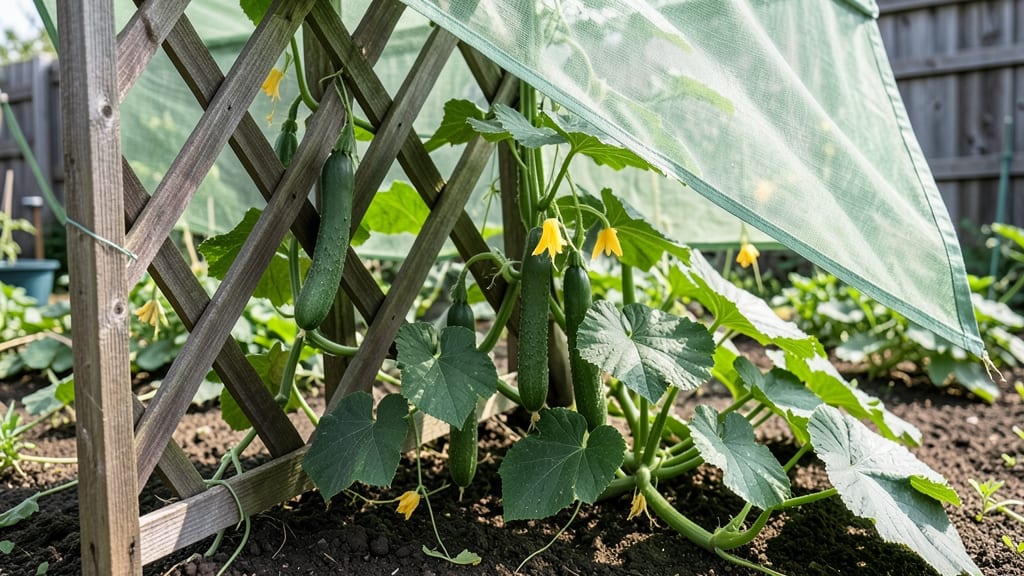
Do cucumbers need shade, or do they prefer basking in sunlight—especially when balancing heat and productivity?
Struggling to grow cucumbers that thrive and produce? The right balance of sunlight and shade could be the missing piece in your gardening puzzle — getting it wrong means stunted plants or bitter fruit.
Too much shade weakens vines and reduces yields, while scorching sun can burn leaves and stunt growth. In Zone 6a, where summer heat peaks, partial afternoon shade often makes the difference between a healthy harvest and a disappointing one.
Below, I’ll break down how much sun cucumbers really need, warning signs of light issues, and simple fixes to keep your 🥒 plants productive all season.
 Best Window Placement
Optimal sunlight requirements for cucumber plants: how much sunlight do they really need?
Cucumbers are sun lovers, but they don't always need full sun—the key lies in understanding their light needs at each growth stage. Too little sunlight leads to weak vines and poor fruit production, while too much can scorch delicate leaves.
Let me break down exactly how much sunlight your cucumbers need to thrive, from seedlings to mature plants.
For seedlings, the rule is simple: 3-4 hours of indirect light per day is ideal. This prevents them from becoming leggy while avoiding the stress of intense midday sun. Once seedlings are 2-3 inches tall and have their first true leaves, they’re ready for more direct sunlight.
Mature cucumber plants crave 6-8 hours of full sun daily for optimal growth and fruiting. This means positioning them in the sunniest spot in your garden, ideally where they receive morning sun and afternoon shade if temperatures exceed 90°F (32°C). Varieties like 'Straight Eight' or 'Marketmore' thrive in these conditions.
Now, let’s talk about measuring sunlight exposure in your garden. Use a sunlight tracker or observe your space for a week. Note when shadows fall and how long they last. A south-facing garden typically gets the most consistent sunlight, while east or west-facing spots may need adjustments for afternoon shade.
| Growth Stage | Sunlight Needs | Ideal Daily Exposure | Notes |
|---|---|---|---|
| Seedlings | Indirect light | 3-4 hours | Prevents legginess |
| Transplant Stage | Partial sun | 4-6 hours | Acclimate gradually |
| Mature Plants | Full sun | 6-8 hours | Maximizes fruit yield |
| Hot Climates | Partial shade | Afternoon shade | Prevents heat stress |
If your garden gets less than 6 hours of sun, consider growing shade-tolerant varieties like 'Armenian' or 'Lemon' cucumbers. These can handle 4-5 hours of sun but may produce smaller yields. For containers, place them on a south-facing balcony or use reflective surfaces to maximize light exposure.
In hot, dry climates, afternoon shade becomes crucial. Use 30-50% shade cloth to filter intense sunlight, especially between 12 PM and 4 PM. This helps maintain leaf moisture and prevents sunburn. I’ve seen cucumbers in Arizona thrive with just morning sun and afternoon shade during peak summer months.
One common mistake is assuming more sun is always better. While cucumbers love sunlight, excessive heat without shade can lead to bitter-tasting fruit and stressed plants. Test your garden’s microclimates by moving plants gradually from shade to sun over 7-10 days to avoid shock.
For container gardening, choose pots with light-colored surfaces to reflect excess heat. Group containers together to create a microclimate that retains warmth and humidity, mimicking the conditions of an in-ground garden. Rotate pots weekly to ensure even sunlight exposure on all sides.
Remember, consistent sunlight patterns matter more than total hours. If your garden has partial shade from trees or buildings, monitor your plants closely. Adjust their position every few weeks to ensure they’re getting balanced light.
With the right approach, you’ll avoid stunted growth and enjoy a bountiful harvest of crisp, sweet cucumbers.
Signs your cucumbers need more shade (or more sun) and how to fix it
Your cucumber plants might be sending you signals about their sunlight needs. If you notice yellowing leaves or weak vines, it’s time to check their light exposure. Cucumbers thrive in 6-8 hours of direct sun, but too much or too little can stress them.
The key is finding that sweet spot where your plants get enough energy for healthy growth and fruit production.
In hot climates, cucumbers can suffer from heat stress, showing signs like drooping leaves or bitter-tasting fruit. On the other hand, if your plants are growing tall and leggy with few leaves, they’re likely stretching for more light.
These visual cues help you adjust their environment before problems worsen.
Cucumbers need 6-8 hours of sun daily. Too much sun causes heat stress (yellow leaves, bitter fruit), while too little sun leads to leggy growth and poor fruiting. Adjust shade or sun exposure gradually to avoid shocking plants.
Start by observing your cucumber plants at different times of day. If they’re in a shady spot with dappled sunlight, they may need relocation to a sunnier area.
Use a sunlight tracker or watch shadows to gauge their exposure. Morning sun is gentler, while afternoon sun can be intense, especially in USDA Zone 8 or higher.
For hot climates, consider providing afternoon shade using shade cloth or a temporary structure. A 30-50% shade cloth can reduce heat stress while still allowing enough light for photosynthesis. If your cucumbers are in containers, move them to a spot with morning sun and afternoon shade for better results.
If your cucumbers are overcrowded or competing for light, thin them out or prune nearby plants. This ensures each vine gets the sunlight and airflow it needs. Additionally, mulch around the base to retain moisture and regulate soil temperature, which helps stressed plants recover faster.
Finally, monitor your cucumbers’ fruit production. If flowers aren’t setting fruit or existing cucumbers are small and misshapen, it’s a sign of light imbalance. Adjust their environment and watch for improvement within 1-2 weeks.
With the right balance, your cucumbers will reward you with abundant, crisp harvests all season long.