
Trees
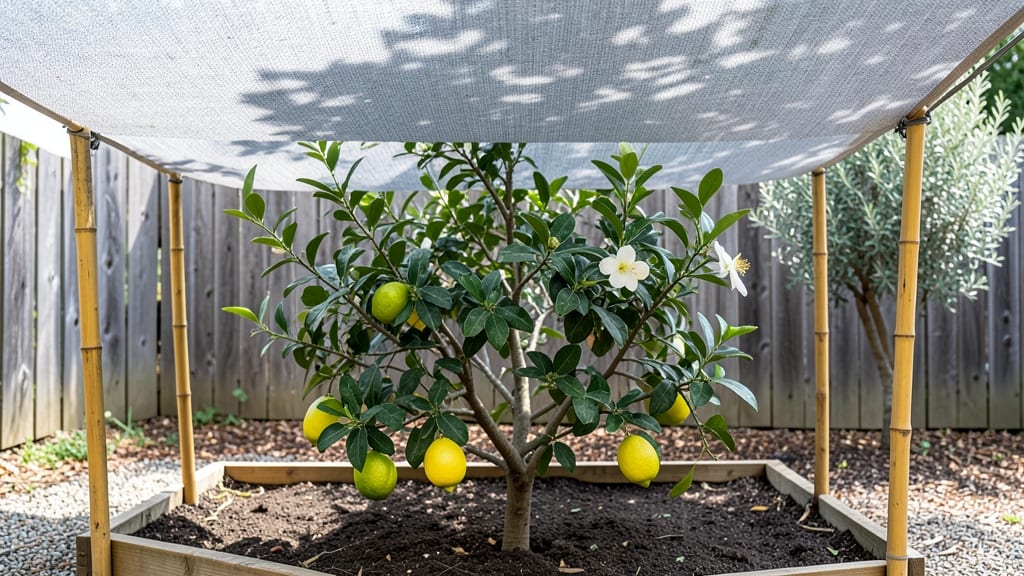
Citrus trees need shade cloth to survive brutal summer sun without sacrificing sweet fruit. 🌿 I learned this the hard way when my Meyer lemon's leaves turned crispy—until I draped 30% shade cloth and watched the fruit plump up like never before.
The right fabric filters harsh rays while letting enough light through for photosynthesis, preventing sunburn and heat stress.
Start with 30-50% shade cloth for most citrus varieties, adjusting based on your local heat. Lighter fabrics (30%) work for mild summers, while 50% is better for scorching climates. Install it 3-4 feet above the tree to avoid trapping moisture against leaves, and secure it loosely so air can circulate.
This keeps roots cool while protecting tender new growth.
You’ll notice bigger, sweeter fruit within a season—no more bitter, undersized lemons. The cloth also extends your tree’s lifespan by preventing sunscorch on bark. Just remove it in cooler months to let the tree harden off naturally. Pair it with deep watering (1-2 inches per week) for best results.
Pro tip: Use T-posts and zip ties for easy adjustments as seasons change. Avoid plastic covers—they trap heat. With the right setup, your citrus will thrive even in the hottest afternoons, producing fruit that tastes like it came from a grove, not a nursery.
📚 In This Guide
- What you need
- Instructions
- Tips and common mistakes
- Wrapping up and next steps
What you need
- ● Shade cloth: Density: 30-50% (adjust based on climate—hotter regions need denser cloth).
- ● Size: At least 10% larger than your tree’s canopy to ensure full coverage.
- ● Quantity: 1-2 rolls (depending on tree size and number of trees).
- ● Support structure: PVC pipes, metal hoops, or wooden stakes (4-6 ft tall, spaced 6-8 ft apart).
- ● Galvanized wire or zip ties (to secure cloth to supports).
- ● Fasteners: Staple gun + heavy-duty staples (for attaching cloth to edges).
- ○ Bungee cords or clips (optional, for adjustable tension).
- ● Measuring tape & scissors (for precise cuts).
- ● Ground anchors or stakes (to weigh down edges and prevent wind lift).
- ● UV-stabilized shade cloth (extends lifespan in sunny climates).
- ● Thermal blankets or frost cloth (for seasonal temperature swings).
- ● Automatic tensioners (for larger installations).
- ● Reflective mulch (reduces heat absorption around the base).
How to install shade cloth for citrus trees
Here's my proven method for protecting citrus trees while maximizing fruit quality—no guesswork, just science-backed steps.
🌿 Step 1: Assess Your Citrus Tree's Sun Needs
First, observe your tree's current conditions. Citrus trees thrive in full sun (6-8 hours daily), but younger trees or varieties like Meyer lemons benefit from 30-50% shade cloth during peak afternoon sun (11 AM–3 PM) to prevent sunburn. Mature trees can handle 10-30% shade for heat relief, especially in zones hotter than USDA Zone 9.
Look for signs of stress: yellowing leaves, browned leaf edges, or fruit with sun-scorched patches. These indicate your tree needs protection. I always check the south or west side of the tree first—those areas get the most intense afternoon heat.
🪴 Step 2: Choose the Right Shade Cloth and Support System
Select knitted polyester shade cloth (not woven) for breathability—it blocks 30%, 40%, or 50% of sunlight, depending on your tree's needs. Measure your tree's canopy width (spread of branches) and height to determine how much cloth you'll need. For a 6-foot-tall tree, you'll typically need a 10x12-foot piece to cover it fully.
Install a T-post frame around the tree, placing posts 1-2 feet outside the canopy edge. Use galvanized wire or zip ties to secure the cloth to the frame, ensuring it drapes loosely—no tighter than 12 inches from the trunk to prevent moisture buildup. Avoid plastic clips; they can damage the cloth over time.
☀️ Step 3: Position and Secure the Shade Cloth Properly
Install the shade cloth only on the south or west side of the tree unless your climate demands full coverage. Angle the cloth slightly upward (about 15 degrees) to let rainwater shed off easily and prevent fungal growth. Secure the bottom edge with landscape staples or weights to keep it from blowing away in wind.
Check for gaps—even a 2-inch opening lets too much light through. If your tree is near a fence or wall, leave 6 inches of clearance to avoid overheating the bark. I like to test coverage by standing under the cloth at midday; if you can still see bright sunlight spots, adjust the positioning.
⏰ Step 4: Monitor and Adjust for Seasonal Changes
Remove the shade cloth gradually in early fall (by mid-September) to harden the tree off. Start by rolling it up a few inches daily for 7-10 days before full removal. This prevents sudden light shock, which can cause leaves to drop. In Zone 10+, you may leave 10-30% shade on the cloth year-round to protect against intense summer heat.
Watch for pests—shade cloth can trap spider mites if too tight. Every 2 weeks, gently shake the cloth or spray with neem oil to deter infestations. If your tree’s new growth looks pale or leggy, it’s getting too little light; if fruit stays small or bitter, it’s getting too much shade. Adjust accordingly.
Tips & tricks for perfect citrus tree sun protection
These practical insights will help you get the most out of your citrus tree shade setup—avoiding common pitfalls while maximizing fruit quality.
Shade Percentage Precision: The 30-50% shade range for younger trees isn't arbitrary—it mimics natural dappled sunlight. For Meyer lemons specifically, I've found 40% coverage works best during peak afternoon sun (11 AM-3 PM). Too little shade leaves fruit vulnerable to sunburn, while too much can reduce sugar development. Test by observing fruit color: vibrant green indicates proper protection.
Frame Installation Secret: When placing those T-posts 1-2 feet outside the canopy edge, think about wind patterns in your area. In coastal regions, I add an extra post on the windward side to prevent flapping. The 12-inch clearance from the trunk isn't just about moisture—it creates crucial airflow that prevents fungal issues like citrus scab. Use a level to ensure posts are perfectly vertical before securing the cloth.
Seasonal Transition Strategy: That gradual removal starting in mid-September is critical. I've seen trees lose 30% of their foliage when shade is removed too quickly. The 7-10 day tapering period allows the tree to adjust its photosynthesis gradually. For Zone 10+ climates, consider leaving 10-30% shade year-round on the west side only—this maintains protection during summer while still allowing winter sun exposure.
Pest Prevention Technique: The 2-week neem oil spray schedule works because spider mites thrive in the microclimate created by tight shade cloth. I recommend applying neem oil in the early morning when humidity is highest—this increases effectiveness. For extra protection, add a few drops of dish soap (1 tsp per gallon) to help the neem oil stick to foliage. Always test coverage by standing under the cloth at midday to spot any light leaks that could create pest hotspots.
Pro Tips for Shade Cloth For Citrus Trees
- These practical insights will help you get the most out of your citrus tree shade setup—avoiding common pitfalls while maximizing fruit quality.
- Shade Percentage Precision: The 30-50% shade range for younger trees isn't arbitrary—it mimics natural dappled sunlight.
- Frame Installation Secret: When placing those T-posts 1-2 feet outside the canopy edge, think about wind patterns in your area.
Frequently asked questions
Got questions about using shade cloth for your citrus trees? You’re not alone! Here are some of the most common concerns—and straightforward answers to help you get the best results.
What shade cloth density should I use for citrus trees?
For citrus trees, aim for 30-50% shade cloth density. This range filters enough sunlight to reduce stress while allowing photosynthesis. Pro tip: Start with 30% if your trees are young or in hot climates, and adjust based on fruit ripening speed.
When is the best time to install shade cloth?
Install shade cloth in early spring (before peak heat) or late summer (to protect from intense afternoon sun). Avoid winter—citrus trees need sunlight for dormancy. If adding later, phase it in gradually to prevent shock.
Can I use shade cloth instead of pruning for sun protection?
Shade cloth complements pruning but isn’t a full replacement. Prune to improve airflow and remove dense foliage, then use cloth for targeted sun reduction. Think of it like sunglasses: they help, but you still need to angle your face right!
Will shade cloth attract pests like aphids or whiteflies?
Shade cloth itself doesn’t attract pests, but reduced airflow under dense cloth can create a humid microclimate—ideal for bugs. Solution: Use 30-40% density with gaps for ventilation, and inspect leaves regularly. Aphids? Spray with neem oil if needed.
How do I clean or maintain shade cloth over time?
Rinse cloth with water every 2-3 months to remove dust, pollen, and debris. For stubborn grime, use a mild soap solution and a soft brush. Pro tip: Store cloth when not in use (e.g., winter) to extend its lifespan—most lasts 3-5 years with care.
Will shade cloth reduce my citrus fruit yield?
Not if used correctly! Proper shade (30-50% density) can increase fruit size and sweetness by reducing sunburn and stress. However, over-shading (70%+) may limit production. Monitor your trees—if fruit ripens too slowly, adjust the cloth’s coverage.
Wrapping up and next steps
Protecting your citrus trees with shade cloth isn’t just smart—it’s a game-changer for sweeter, juicier fruit and healthier trees! 🌿 By filtering harsh sunlight, you’re giving your citrus the perfect balance of light and shade, which means bigger harvests and fewer stress-related issues.
Whether you’re a seasoned gardener or just starting out, this simple step can make a huge difference.
Ready to see the results for yourself? Grab your shade cloth, follow the tips you’ve learned, and watch your citrus trees thrive. Your next step? Start small—test a section of your grove or a single tree—and adjust as needed. Happy growing! 🍊✨