
Light Requirements
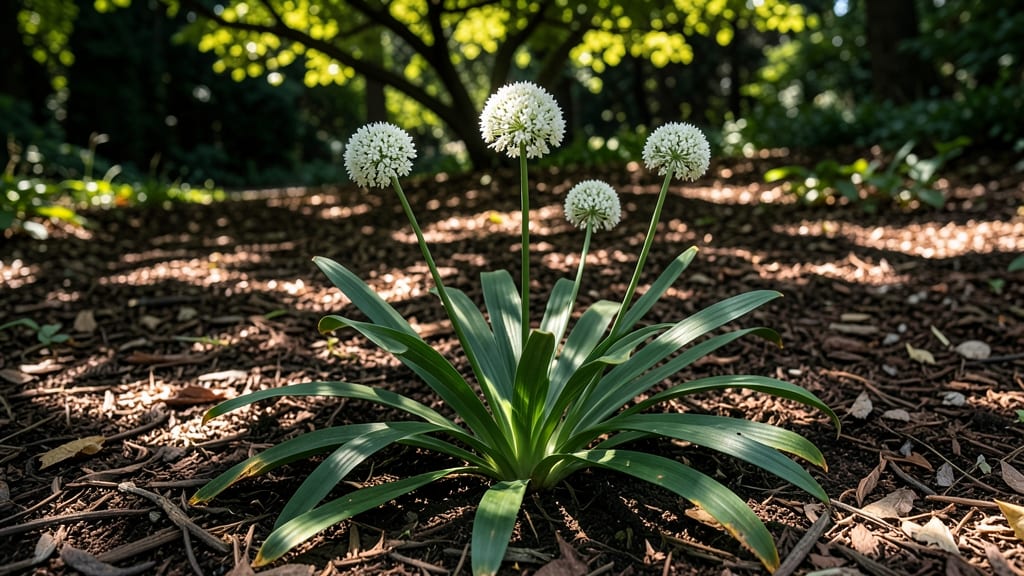
Alliums can grow in shade, though they perform best with partial shade to full sunlight, with certain varieties like chives, garlic chives, and some ornamental alliums handling low-light conditions more effectively. Selecting shade-tolerant types ensures healthier growth.
Alliums aren't just survivors in shade—they can actually thrive when given the right conditions. 🌱 The key lies in choosing varieties that naturally adapt to lower light, such as garlic chives (Allium tuberosum) or crow garlic (Allium vineale), which develop fuller foliage and even flower in dappled sunlight.
However, full shade can still lead to leggy growth or reduced blooming, so I recommend supplementing with a balanced fertilizer to support their needs.
For best results, focus on well-draining soil rich in organic matter—this helps compensate for the reduced photosynthesis in shady spots. Water consistently but avoid soggy roots, as alliums are particularly sensitive to overwatering.
If your garden has deep shade, consider placing them near a north-facing wall or under deciduous trees where they'll get filtered light during key growing periods.
💡 In This Article
- Shade-Tolerant Allium Varieties for Low-Light Gardens
- Caring for Alliums in Shady Conditions: Soil and Maintenance Tips
Shade-tolerant Allium varieties for low-light gardens
Not all alliums react the same to shade, which is why selecting the right variety makes all the difference. Chives (Allium schoenoprasum) and garlic chives (Allium tuberosum) are two of the most shade-tolerant options, thriving in spots with just 2-4 hours of direct sunlight daily.
Their flat, grass-like leaves continue growing even in dappled light, though they may produce fewer flowers. Ornamental alliums like Allium cristophii or Allium moly also adapt well to partial shade, though their iconic globe-shaped blooms may be smaller than those grown in full sun.
The science behind this adaptability lies in their natural growth habits. Many shade-tolerant alliums evolved in temperate climates where they often grow under tree canopies or in woodland edges.
Their leaves contain higher levels of chlorophyll, allowing them to perform photosynthesis more efficiently in lower light conditions. Garlic chives, for example, can even tolerate full shade (less than 2 hours of direct light), though their growth rate slows significantly compared to sun-exposed plants. 🌿 The trade-off is often in flowering—many alliums prioritize leaf production over blooms when light is limited.
If you're comparing growth performance, expect 30-50% slower growth in full shade versus partial shade. For instance, chives grown in partial shade reach 6-8 inches tall with dense foliage, while those in full shade may only reach 4-6 inches with sparser leaves.
Ornamental alliums like Allium 'Purple Sensation' might produce half the number of blooms in full shade, but their foliage remains vibrant. The key is to match the variety to your light conditions—garlic chives for deep shade, chives or Allium moly for partial shade.
For gardeners with limited sunlight, consider crow garlic (Allium vineale) or meadow garlic (Allium canadense), both of which spread aggressively in shade while producing edible bulbs. These varieties compensate for lower light by developing extensive root systems that draw nutrients from deeper soil layers.
However, they may require more frequent division to control their spread. 🌱 The bottom line? Shade-tolerant alliums aren't just surviving—they're strategically adapting to make the most of limited light.
One common misconception is that all shade-tolerant alliums perform equally. In reality, garlic chives and chives handle shade better than onion varieties like Allium cepa, which need at least 6 hours of sunlight to bulb properly.
This is why ornamental alliums often outperform edible types in low-light gardens. Their primary goal isn't bulb or flower production but rather foliage and aesthetic appeal, making them more flexible in challenging conditions.
When planning your shade garden, group alliums with other shade-loving plants like hostas, heucheras, or ferns to create a cohesive look. Their similar light requirements mean less competition for resources.
For example, pairing garlic chives with heuchera 'Palace Purple' creates a striking contrast of purple foliage and delicate white flowers. This not only enhances your garden's visual appeal but also makes maintenance easier since these plants share similar care needs.