
Shrubs
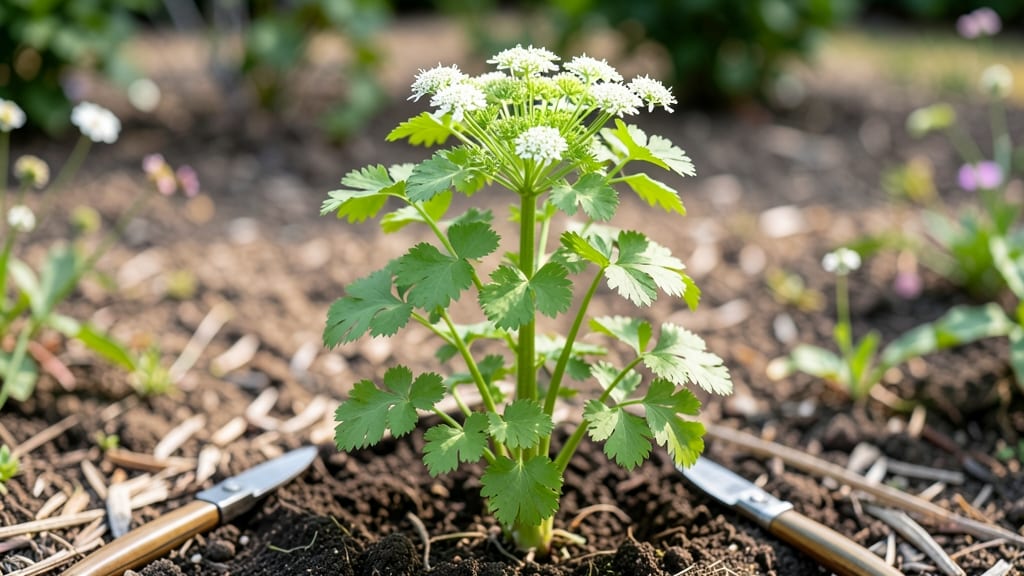
Cilantro thrives in partial sun or filtered shade—the difference between a lush harvest and a bolted disappointment often comes down to how you balance those two.
Struggling to grow cilantro that thrives instead of bolting? The battle between sun and shade might be the key factor you're missing in your garden strategy. Too much direct sun sends it into early flowering, while too little shade leaves it leggy and flavorless.
This herb is a Goldilocks plant—not too hot, not too cool. In Zone 6a, morning sun paired with afternoon shade works wonders, while containers near a south-facing window can stretch its growing season into fall.
Below, I break down the perfect light mix, how to spot stress signals, and the simple tricks to keep your cilantro green, bushy, and ready to harvest for months.
 Best Window Placement
Cilantro sun requirements: finding the perfect balance for lush growth
Growing cilantro can feel like a delicate balancing act, especially when it comes to sunlight. Too much sun causes cilantro to bolt prematurely, while too little shade leads to leggy, weak plants.
The ideal cilantro sun requirements sit squarely in the partial shade to morning sun spectrum, making it adaptable but not carefree. Understanding this balance is the key to harvesting flavorful leaves instead of bitter stems.
Cilantro thrives best with 4 to 6 hours of sunlight daily, but the timing matters just as much as the duration. Morning sun is ideal because it provides warmth without the intense heat of afternoon rays.
In hotter climates, cilantro often bolts quickly when exposed to midday sun, so protecting your plants becomes essential. Let’s break down the perfect light conditions to keep your cilantro lush and productive.
If your cilantro is receiving 4 to 6 hours of morning sun, you’re already on the right track. This setup mimics the plant’s natural habitat in cooler, coastal regions where cilantro grows prolifically.
For example, in my Zone 7a garden, I place cilantro in a south-facing raised bed but move it to partial shade by late afternoon to prevent bolting. The result? Vibrant green leaves for weeks instead of bitter stems.
On the other hand, full afternoon sun is a common mistake that triggers cilantro’s survival mechanism—bolting. When temperatures rise above 75°F (24°C), cilantro perceives it as a signal to flower and reproduce.
This is why cilantro often bolts in summer gardens, even if you’re watering and fertilizing correctly. The solution? Use shade cloth (30-50%) or plant cilantro near taller plants that provide natural shade.
Signs of light stress in cilantro include yellowing leaves, stunted growth, or premature flowering. If your cilantro looks leggy and pale, it’s likely not getting enough light. Conversely, if the leaves turn brown or crispy at the edges, it’s suffering from too much direct sun.
Adjusting the light exposure can often reverse these issues and restore your plant’s health.
For container growers, placing cilantro near a south-facing window works well in early spring or fall. However, during summer, even a sunny window may be too intense. I’ve found that rotating pots quarter-turns daily helps ensure even light exposure, preventing one-sided growth.
If your cilantro starts to lean toward the light, it’s a clear sign it needs more balanced exposure.
Another pro tip: Harvest regularly to encourage bushier growth. When you pinch off the top leaves, cilantro focuses energy on producing more foliage rather than bolting. This works especially well when combined with the right light conditions.
I harvest my cilantro every 2-3 weeks, which keeps it productive for months in the right light setup.
In hot climates (Zones 8-10), cilantro often struggles with summer heat. The solution? Plant it in late summer or early fall for cooler temperatures. I’ve had success growing cilantro in partial shade under fruit trees, where it gets dappled sunlight throughout the day.
This mimics its natural shade preferences and delays bolting significantly.
To summarize, cilantro’s sun requirements are flexible but not forgiving. Aim for 4-6 hours of morning sun and protect it from midday heat. If you’re in a shady garden, choose shade-tolerant varieties like ‘Calypso’ or ‘Santo’.
With the right balance, you’ll enjoy a continuous harvest of fresh, flavorful cilantro all season long.
Experiment with your setup—try different light conditions and observe how your cilantro responds. Over time, you’ll find the perfect balance for your climate and garden. Happy growing! 🌱
Shade solutions for cilantro: when and how to protect your plants
Cilantro thrives in partial shade, but too much direct sun can cause it to bolt prematurely. When temperatures rise above 75°F (24°C), your cilantro may need temporary shade to prevent flowering. Understanding when and how to provide shade is key to keeping your plants lush and productive.
Natural shade from nearby plants or structures can work, but artificial solutions like shade cloth or temporary covers are often more effective. The goal is to reduce sunlight exposure during the hottest afternoon hours—typically between 12 PM and 4 PM—when cilantro is most vulnerable to heat stress.
🌿 PROS-CONS BOX: Shade Solutions for Cilantro 🌿
Pros: Free, eco-friendly, no setup required.
Cons: Limited control, may not block enough heat.
Pros: Adjustable, effective heat reduction, reusable.
Cons: Requires purchase, setup time, may need storage.
Best for: Containers, raised beds, or direct garden use.
Tip: Use 30-50% shade cloth for cilantro.
Best for: Seedlings, extreme heat waves, or temporary protection.
Tip: Use lightweight fabric or row covers.
For seedlings, start with gradual shade exposure to avoid shock. Begin by placing them under dappled sunlight or a light shade cloth for 2-3 hours per day in the morning. Over 5-7 days, gradually increase their exposure to full partial shade conditions.
If your cilantro is already bolting due to heat, don’t panic. Trim the flowering stems to encourage new leaf growth, and provide immediate shade. This trick can buy you 2-3 more weeks of leaf production before the plant fully flowers. Pair this with consistent morning watering to keep roots cool.
In containers, cilantro benefits from moving to a shadier spot during peak heat. Place pots under a patio awning, under a tree with open canopy, or even on a shaded porch.
Just ensure the container has good drainage to prevent root rot from excess moisture in cooler, shadier conditions.
Monitor your cilantro daily for signs of heat stress, like yellowing leaves or wilting. If you notice these symptoms, act fast by providing shade and increasing watering frequency.
With the right shade strategy, your cilantro can stay fresh and flavorful for weeks longer than plants left in full sun. 🌳