
Light Requirements
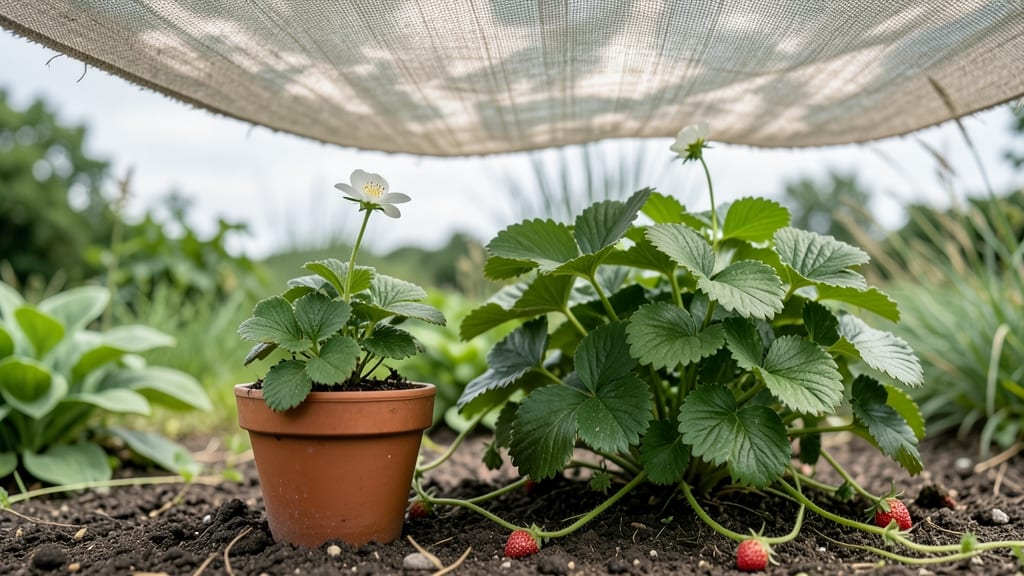
Strawberries can grow in partial shade with the right varieties and care, turning those tricky garden spots into sweet harvests.
If your garden has shady spots where strawberries seem doomed to struggle, think again—some varieties not only survive but thrive in partial shade, producing sweet fruit with minimal sunlight.
In USDA Zone 6a, where spring planting kicks off in March, shade-tolerant strawberries like 'Albion' or 'Ozark Beauty' can yield plump, flavorful berries even with just 4-6 hours of sunlight daily. The key is choosing the right type and tweaking your growing approach.
Below, I’ll share the 5 best shade-friendly varieties, how to maximize their growth, and the common mistakes that can still trip up even the most patient gardener.
 Best Window Placement
5 Best strawberry varieties for partial shade gardens
Strawberries are often labeled as sun-lovers, but some varieties defy that myth and thrive with just 4-6 hours of sunlight daily. The key is selecting shade-tolerant types and optimizing growing conditions.
Whether your garden sits under dappled tree canopies or along a north-facing wall, these five varieties will reward you with sweet fruit—even in low-light spots.
Partial shade means morning sun and afternoon shade or filtered light through trees. While strawberries still need some direct sunlight to fruit well, these varieties adapt better than others.
Their darker leaves and compact growth help them capture scattered light efficiently. For best results, pair them with well-draining, nutrient-rich soil and consistent moisture.
🌱
Albion is my top pick for partial shade gardens because it tolerates just 4 hours of sunlight daily while delivering large, sweet berries. This June-bearing variety produces a heavy once-per-year harvest in late spring, making it perfect for container growing on patios or balconies with morning sun. Its compact size (6-12 inches tall) also makes it ideal for ground beds under trees.
If you need year-round production, Seascape and Eversweet are excellent everbearing and day-neutral options. Both thrive with 4-6 hours of light and produce fruit in spring and fall. Eversweet stands out for its large, sweet berries and ability to fruit continuously if pruned regularly.
These varieties are best in containers or raised beds where you can control soil moisture.
Ozark Beauty is a hidden gem for deep shade, handling as little as 3 hours of sunlight daily. Its tart-sweet flavor and large berry size make it a favorite for woodland gardens or areas under dense tree canopies. This June-bearing type yields moderate harvests but requires extra care in winter to protect roots from frost.
For urban gardeners with limited space, Chandler is a high-yielding June-bearing variety that performs well in 5-6 hours of partial shade. Its firm, sweet berries store well, making it ideal for container growing on east-facing windowsills or balconies.
Just ensure your containers have drainage holes and use lightweight potting mix to prevent root rot.
When planting in partial shade, prioritize well-draining soil
How to maximize strawberry growth in low-light conditions
Strawberries don’t always need full sun to thrive—many varieties adapt beautifully to partial shade, especially in morning sun with afternoon shade. The key lies in optimizing soil health, watering consistency, and pruning strategies to compensate for reduced sunlight.
I’ve grown shade-tolerant strawberries under fruit trees for years, and with the right approach, you can too.
Contrary to popular belief, strawberries can grow in partial shade (4–6 hours of sunlight daily) if given nutrient-rich soil and proper care. The challenge isn’t growth—it’s maintaining fruit quality and yield.
By focusing on organic matter, drainage, and companion plants, you’ll boost shade tolerance and enjoy sweet berries even in less sunny spots.
- ✅ Yes! Varieties like Albion and Ozark Beauty thrive with 4–6 hours of sunlight (morning sun preferred).
- 🌿 Soil prep is critical: Amend with compost and sand for better drainage—shady soil stays damp longer.
- 💧 Water deeply 2x/week: Shade reduces evaporation, so consistent moisture prevents root stress.
- ✂️ Prune aggressively: Remove weak runners and yellow leaves to redirect energy to fruit production.
- 🌳 Companion plants help: Pair with spinach, lettuce, or bush beans to improve soil nitrogen naturally.
Start with well-draining soil—strawberries hate soggy roots. Mix compost (20%) and perlite (10%) into native soil to improve aeration. For containers, use a lightweight potting mix with coco coir to retain moisture without suffocating roots. Test soil pH (ideal: 5.8–6.5) and adjust with lime or sulfur if needed.
Watering in shade requires precision. Since shaded areas dry slower, water deeply 2–3 times per week (early morning) to encourage root growth. Avoid overhead watering—drip irrigation or soaker hoses reduce fungal risks.
Mulch with straw or pine needles to retain moisture and suppress weeds, which compete for nutrients.
Pruning is your secret weapon in low-light gardens. Remove runners (except for propagation) to focus energy on fruit production. Trim yellow or diseased leaves immediately to prevent powdery mildew, a common shade issue.
After harvest, cut back old foliage by ⅓ to stimulate new growth—this keeps plants compact and productive.
Companion planting boosts shade tolerance by improving soil health and repelling pests. Plant basil nearby to deter spider mites, or marigolds to enhance pollination. Avoid competing plants like mint or potatoes, which steal nutrients. A living mulch of clover adds nitrogen while keeping weeds at bay.
Myth-busting: Strawberries don’t need full sun to fruit, but fruit quality suffers without enough light. Expect smaller berries in shade, but flavor often improves due to slower sugar development.
For best results, rotate containers to ensure even light exposure and fertilize lightly with fish emulsion every 4 weeks during growing season.