
Light Requirements
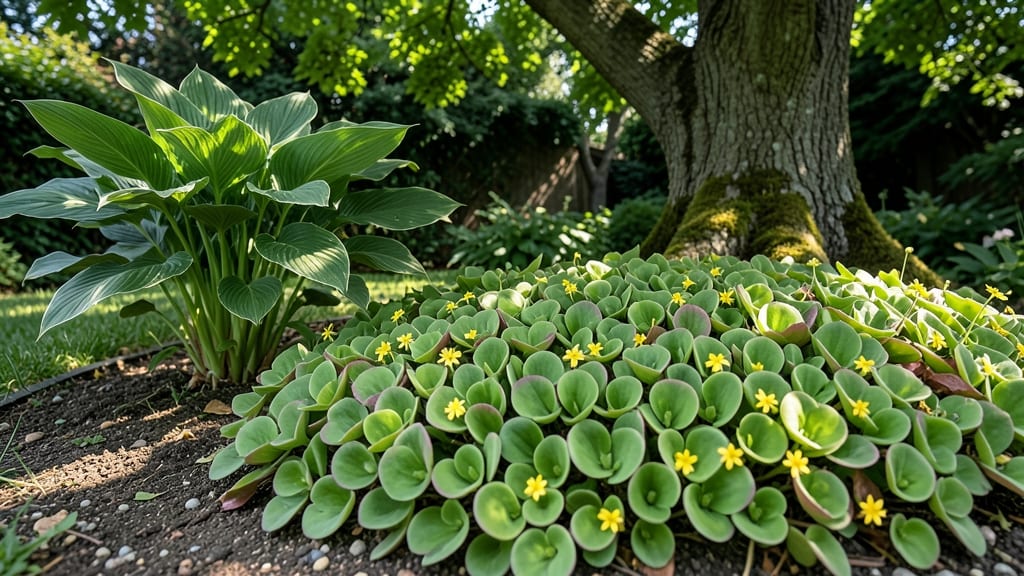
Sedum can grow in shade, though most varieties thrive best in partial shade or full sun. Low-light-tolerant types like Sedum morganianum (burro’s tail) or Sedum album adapt better, but expect slower growth and fewer blooms in deep shade.
While sedum plants are famously drought-tolerant, their light needs are equally critical for vibrant health. 🌿 Most sedum varieties rely on bright conditions to maintain their signature succulence and blooming potential, but certain species—like the trailing Sedum morganianum—have evolved to handle lower light better.
The trade-off? Slower growth and reduced flowering, since shade limits photosynthesis efficiency. For best results in dim areas, choose shade-adapted sedum and supplement with occasional bright indirect light near windows.
What sets shade-tolerant sedum apart is their ability to stretch toward light sources, a process called etiolation. This adaptation helps them capture whatever sunlight is available, though it often results in leggier stems.
To combat this, I recommend rotating your plants occasionally and providing supplemental grow lights if natural light is severely limited.
💡 In This Article
- How Shade Affects Sedum Growth and Health
- Best Shade-Tolerant Sedum Varieties for Low-Light Gardens
How shade affects sedum growth and health
Sedum plants rely on photosynthesis to convert sunlight into energy, but their efficiency drops dramatically in low-light conditions. In full sun, their thick leaves capture 40-60% more light than in shade, which is why they develop their signature plump, water-storing succulence.
When light drops below 3,000-4,000 lux (typical of deep indoor shade), chlorophyll production slows, leading to thinner leaves and reduced water storage capacity. This is why shade-grown sedum often feels limp or less vibrant—its cells aren't storing as much moisture.
The trade-off between growth and survival becomes obvious in how sedum allocates energy. In low light, plants prioritize stretching toward light sources (etiolation), which diverts resources from leaf thickening and flowering.
Studies show sedum in shade can grow 20-30% taller but with stems half as thick as sun-grown counterparts. 🌱 The flowering process also suffers—many sedum varieties need 6+ hours of direct light daily to trigger bloom production, while shade-grown plants may produce only 10-20% of normal flowers or none at all.
Disease resistance takes a hit too. Shade reduces natural air circulation around plants, creating humid microclimates where fungal pathogens like powdery mildew thrive. Sedum's waxy coating helps repel moisture, but in low light, this protective layer can become less effective.
I've noticed shade-grown sedum develops mildew 3x faster than sun-exposed plants when humidity exceeds 60%. The solution? Improve airflow with spacing and avoid overhead watering.
Root development also shifts in shade. Sedum typically grows shallow, fibrous roots optimized for quick water absorption in sunny conditions. In low light, roots may grow deeper in search of nutrients, but this makes the plant more vulnerable to transplant shock.
The soil's moisture retention becomes critical—shade-grown sedum needs well-draining but consistently moist soil (unlike sun-loving varieties that prefer dry conditions).
One surprising adaptation: some shade-tolerant sedum develop more anthocyanins (the pigments that give red/purple hues). These pigments act as natural sunscreens, protecting chlorophyll when light is scarce. For example, Sedum album often shows deeper pink tones in low light, though this comes at the cost of slower metabolic activity.
The plant essentially "pauses" growth until better conditions return.
For gardeners, this means shade-grown sedum requires more frequent monitoring. Check soil moisture weekly (sun-grown sedum can go months without water), and supplement with 10-12 hours of artificial grow light if natural light drops below 2,000 lux.
The payoff? You'll maintain a living plant—just one that looks different from its sun-happy cousins. 💫