
Companion Plants
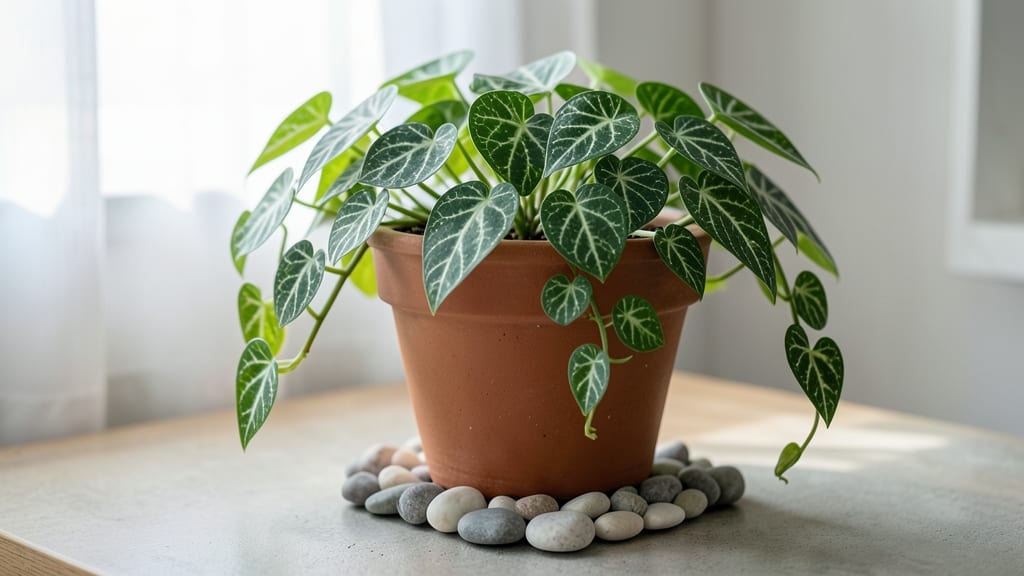
The right pot plants for shaded areas can turn your dim patios and balconies into lush, vibrant retreats—my first year of low-light gardening failed, but these thriving picks finally brought the green back. 🌿 Ferns, calatheas, and impatiens don’t just survive in dim corners; they grow lush, vibrant, and full of life with the right care.
The secret starts with soil that drains well but holds moisture—think peat-based mixes with perlite or orchid bark. Containers need drainage holes (even if you’re using saucers), and terracotta or fiberglass pots help regulate moisture better than plastic.
I’ve learned the hard way that overwatering is the biggest killer in shade, so aim for soil that’s damp but not soggy.
By mixing textures and heights—tall ferns next to trailing ivy or colorful impatiens—you create a mini jungle that feels alive, not just decorative. These plants reward patience with glossy leaves, delicate blooms, and that satisfying "healthy" look that makes neighbors ask for your secrets.
The best part? They keep growing all season long.
Works for any shaded spot—porches, under trees, or north-facing decks. Let’s get those pots thriving where others give up.
📚 In This Guide
- What you need
- Instructions
- Tips and common mistakes
- Wrapping up and next steps
What you need
- ● Containers: 3–5 pots (10–12 inches in diameter) with drainage holes. Tip: Use terracotta or fabric pots for better airflow!
- ● Potting Mix: 1–2 bags of well-draining, peat-based mix (e.g., African violet or shade-tolerant blend). Avoid garden soil—it compacts easily!
- ● Shade-Tolerant Plants: 3–5 plants (e.g., Calathea, Ferns, or Hostas). Check labels for light needs!
- ○ Mulch (Optional): 1–2 inches of orchid bark or coconut coir to retain moisture.
- ● Gloves (1 pair) – Protect your hands from soil and sharp edges!
- ● Trowel or Small Shovel – For easy planting and mixing.
- ● Watering Can or Spray Bottle – Shade plants love consistent moisture!
- ○ Fertilizer (Optional): Slow-release balanced fertilizer (10-10-10) or liquid feed for greens (e.g., fish emulsion).
- ○ Saucer or Tray (Optional): To catch excess water and prevent messes.
Step-by-step guide to selecting and caring for pot plants in shaded areas
Let's pick the perfect shade-loving plants and keep them thriving with minimal fuss.
🌱 Step 1: Choose the Right Shade-Tolerant Plants
For low-light pots, focus on plants that naturally thrive with less than 4 hours of direct sun daily. Ferns, hostas, and impatiens are classic picks—they’ll reward you with lush foliage even in dim corners. I always check the plant tags or research varieties like peperomia or calathea, which handle shade beautifully.
Skip sun-lovers like succulents or geraniums—they’ll stretch pitifully toward any light source. Instead, opt for plants with broad leaves that capture faint light efficiently. If your space gets bright indirect light (like near a north-facing window), you can stretch to plants like snake plants or ZZ plants.
🪴 Step 2: Select Well-Draining Containers and Soil
Use pots with drainage holes—shade plants still need airflow to prevent soggy roots. Terra cotta works well because it breathes, but avoid cheap plastic that traps moisture. I like to add a layer of orchid bark or perlite at the bottom of the pot to improve drainage without overcrowding roots.
Fill containers with a lightweight, airy potting mix designed for shade plants. Regular garden soil compacts and suffocates roots in pots. Mix in a handful of peat moss or coconut coir to retain moisture without drowning the plant. Avoid heavy garden soil—it’s a recipe for root rot in low-light conditions.
☀️ Step 3: Position Pots for Maximum Indirect Light
Place pots where they’ll receive the most bright, indirect light available. A north-facing window is ideal, but east or west exposures work too. Rotate pots quarter-turn weekly so all sides get even light—you’ll notice new growth leaning toward the light if they’re not turned.
If your space is truly dark (like a basement or windowless room), supplement with a grow light on a timer for 12-14 hours daily. LED grow lights are energy-efficient and won’t overheat. Watch for yellowing leaves—they’re a sign of insufficient light, not overwatering.
💧 Step 4: Water and Fertilize for Shade Conditions
Shade plants typically need water less frequently than sun-lovers, but check the top inch of soil daily. Water when it feels dry to the touch—overwatering is the #1 killer of potted shade plants. I use a moisture meter to avoid guesswork, especially in winter when growth slows.
Fertilize lightly every 6-8 weeks with a balanced, water-soluble fertilizer (like 10-10-10). Shade plants grow slower, so they don’t need heavy feeding. Dilute fertilizer to half-strength to avoid burning delicate roots. Flush the soil with water every few months to prevent salt buildup from fertilizers.
🌿 Step 5: Prune and Maintain for Year-Round Health
Trim yellow or brown leaves as soon as you spot them—shade plants are prone to fungal issues from trapped humidity. Use clean, sharp scissors to avoid tearing foliage. I also pinch back leggy growth to encourage bushier, fuller plants. This keeps them compact and prevents them from toppling over.
In winter, reduce watering by half since growth slows dramatically. Dust leaves occasionally with a damp cloth to help them absorb light better. If pests like spider mites appear (common in dry indoor air), treat with neem oil or insecticidal soap—shade plants are more vulnerable to infestations.
Tips & tricks for perfect shade-loving pot plants
Here’s what nobody tells you about keeping your low-light greens thriving without the guesswork.
Light Strategy: The 4 hours of indirect light rule is your golden number—any less and you’ll need supplemental lighting. I’ve seen shade plants in corner offices with just fluorescent lighting survive by rotating their pots quarter-turn weekly to ensure even exposure. If your space is truly dim, invest in a 12-14 hour LED grow light timer—it’s a game-changer for leafy greens like ferns and hostas.
Drainage is Non-Negotiable: I learned this the hard way after losing three potted calatheas to soggy roots. Always use pots with drainage holes and add a 1-inch layer of orchid bark or perlite at the bottom. This prevents waterlogging while still allowing roots to breathe. Terra cotta pots are ideal—they wick away excess moisture, but avoid cheap plastic that traps humidity and breeds fungus.
Soil Science: That bag of garden soil from the hardware store? Not for your shade plants. Mix a lightweight potting mix with a handful of peat moss or coconut coir—this combo holds just enough moisture without suffocating roots. I’ve had great success with pre-mixed “shade plant” blends, but if you’re DIY-ing, aim for a mix that’s about 50% air by volume. Pro tip: Press the soil gently after planting to eliminate air pockets, but don’t compact it like garden soil.
Watering Wisdom: The top inch test is your best friend. Stick your finger in the soil—if it feels dry, water until it runs out the drainage holes. Overwatering is the silent killer of shade plants, but so is underwatering. In winter, cut your watering in half since growth slows dramatically. And here’s a trick I picked up from a botanist: Water in the morning so leaves dry quickly, reducing fungal risks from trapped moisture.
Pro Tips for Pot Plants For Shaded Areas
- Here’s what nobody tells you about keeping your low-light greens thriving without the guesswork.
- Light Strategy: The 4 hours of indirect light rule is your golden number—any less and you’ll need supplemental lighting.
- Drainage is Non-Negotiable: I learned this the hard way after losing three potted calatheas to soggy roots.
Frequently asked questions
Got questions about keeping your pot plants happy in shady spots?
You’re not alone! Here are answers to the most common concerns—so you can grow lush, low-light greens with confidence.
What are the best fast-growing pot plants for shaded areas?
Look for Philodendrons, Pothos, or Cast Iron Plants—they thrive in low light and grow quickly. Snake Plants and ZZ Plants are also tough, drought-tolerant picks that add texture without fuss. For color, try Calatheas (with their stunning patterns) or Peperomias—just keep them slightly moist!
How often should I water pot plants in shaded areas?
Shady spots mean slower evaporation, so check soil moisture every 7–10 days. Stick your finger 1–2 inches deep—if it’s dry, water thoroughly. Overwatering is the #1 killer, so ensure pots have drainage holes and use well-draining soil. Pro tip: Terra cotta pots dry out faster than plastic!
Can I use regular potting soil for shaded pot plants?
Yes, but mix in 30% perlite or orchid bark to improve drainage and aeration. Shady plants hate soggy roots! For tropical varieties (like ferns), add a handful of peat moss to retain moisture. Avoid heavy garden soil—it compacts and suffocates roots in containers.
Why are my shaded pot plants turning yellow or leggy?
Yellow leaves often mean overwatering or nutrient deficiency. Leggy growth? Your plant is stretching for light—rotate pots weekly to encourage even growth. Try moving it closer to a bright window (but no direct sun) or switch to a lighter-colored pot to reflect more ambient light.
What’s a budget-friendly alternative to expensive shade-loving plants?
Start with propagations! Many shade plants (like Pothos or Spider Plants) root easily in water. Check local plant swaps or dollar stores for affordable starter pots. Hostas or Hosta varieties are also hardy, low-cost perennials that love shade—just keep them in pots to control their spread!
Do shaded pot plants need fertilizer?
Light feeding is key! Use a balanced, water-soluble fertilizer (like 10-10-10) every 6–8 weeks during spring/summer. In winter, skip it—plants rest. Slow-release pellets are great for forgetful gardeners. Fish emulsion is a natural, low-salt option for sensitive plants.
Wrapping up and next steps
Transforming your shaded spaces into lush, green havens is easier than you think! With the right pot plants for shaded areas, you can bring life to even the dimmest corners of your home or garden.
From cast iron plants to snake plants, these low-light champions thrive where others struggle—proving that beauty doesn’t need bright sunlight to shine.
Now that you’re armed with the perfect picks and care tips, it’s time to roll up your sleeves and get planting! 🌱 Start small—pick one or two plants to test your newfound green thumb, then expand your collection as confidence grows. Happy gardening!