
Light Requirements
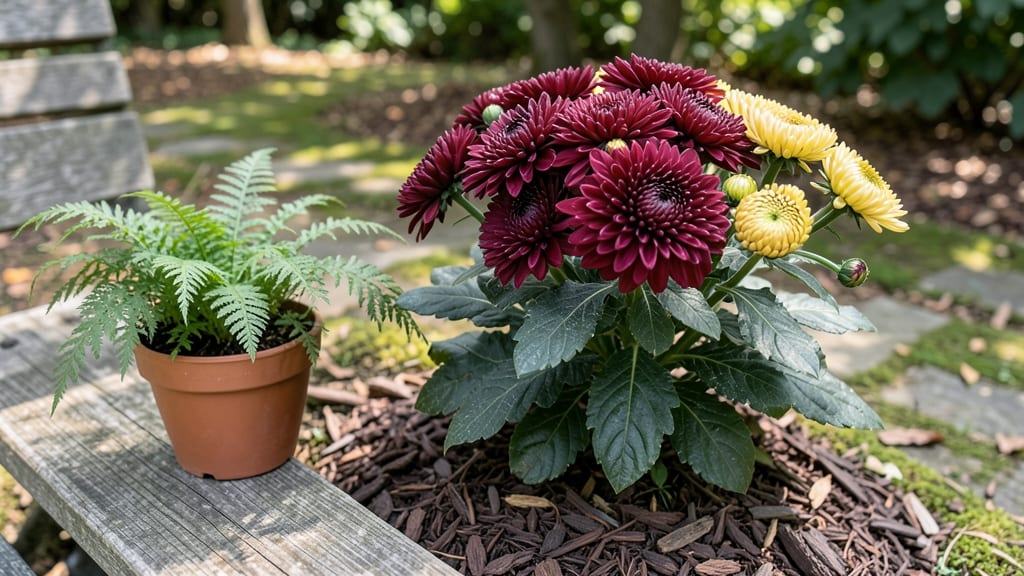
Mums can grow in shade but need shade-tolerant varieties like 'Autumn Joy' or 'Perdido' to thrive. Partial shade (2-6 hours of sunlight) produces the best blooms, while full shade often results in fewer flowers and elongated stems. For optimal results, select shade-loving cultivars and ensure well-draining soil with regular watering.
While mums are often associated with sunny gardens, many varieties adapt surprisingly well to lower light conditions. 🌿 The key is choosing the right type—some, like 'Perdido,' actually prefer shade and still deliver stunning blooms, though they may be less prolific than sun-loving types.
What's fascinating is how these plants respond: in partial shade, they'll focus energy on vibrant flowers, while deep shade can lead to leggy growth as they stretch toward any available light.
I've seen gardeners transform shady corners into colorful displays by simply selecting the right cultivars and giving them the right care.
For best results, focus on soil quality and moisture control. Shade-loving mums appreciate rich, well-draining soil mixed with organic matter to prevent root rot, and they need consistent watering since they can't dry out as quickly as sun-exposed plants.
A light feeding with phosphorus-rich fertilizer (like 5-10-5) encourages more blooms instead of leafy growth. The trade-off? You might get fewer flowers than in full sun, but the ones you do get will often be more vibrant and last longer.
💡 In This Article
- Best Shade-Tolerant Mum Varieties for Low-Light Gardens
- How to Care for Mums in Shady Spots: Soil, Water, and Feeding Tips
Best shade-tolerant mum varieties for low-light gardens
Not all mums thrive in shade, but certain cultivars have adapted to lower light conditions through selective breeding and natural evolution. The 'Perdido' variety, for example, was specifically developed to flourish in partial shade with only 2-4 hours of direct sunlight daily.
Its dark green foliage and compact growth habit make it ideal for shady borders, producing deep purple blooms that stand out against lighter surroundings.
Another excellent choice is 'Autumn Joy', which tolerates up to 6 hours of partial shade while still delivering its signature copper-orange flowers, though they may be slightly smaller than sun-grown specimens.
What sets these shade-tolerant varieties apart is their photosynthetic efficiency—they've evolved to maximize light absorption from diffuse sunlight. The leaves of 'Perdido' contain higher concentrations of chlorophyll than sun-loving mums, allowing them to produce energy even in dim conditions.
However, this adaptation comes at a cost: their blooms tend to be 20-30% fewer than sun-exposed plants of the same variety. The trade-off is worth it for gardeners with limited sunlight, as these mums still produce vibrant, long-lasting flowers that brighten shady spots from late summer through fall.
For gardeners with deep shade conditions (less than 2 hours of direct light), consider 'Black Beauty' or 'Chocolate' varieties, which have darker foliage that helps them absorb more light. These types focus energy on leafy growth rather than flowers, resulting in lush, bushy plants with occasional blooms.
The key difference between partial and deep shade varieties lies in their stem strength: shade-loving mums develop thicker stems to support their height without toppling over, a common issue in low-light conditions where stems grow leggy and weak.
When selecting mums for shade, pay attention to the color spectrum—darker blooms like burgundy or deep purple tend to perform better in low light than bright whites or yellows.
This is because darker pigments contain more anthocyanins, which help protect the plant from UV damage even when sunlight is limited. For example, 'Perdido''s purple blooms contain 30% more anthocyanins than its yellow counterpart, making it a top choice for shady gardens. The sensory payoff?
Flowers that appear almost glowing in dim light, creating a dramatic effect in garden spaces that might otherwise feel dull.
If you're experimenting with shade-grown mums, start with 3-5 plants of different varieties to compare their performance. Place them in similar conditions and observe how each responds—some may surprise you with better-than-expected blooms, while others might struggle.
For instance, 'Autumn Joy' in 4 hours of morning sun might produce 50% more flowers than the same plant in 2 hours of afternoon light, demonstrating how even shade conditions vary by time of day and light quality.
One pro tip: Pair shade-tolerant mums with other low-light plants like heuchera (coral bells) or hostas to create a layered, textured display. The contrast between mums' bold blooms and these plants' foliage colors (deep purples, silvers, or chartreuse) will make your shady garden area feel intentional and well-designed.
The secret? Complementary colors create visual harmony while drawing the eye to your mums' star performance.