
Planting
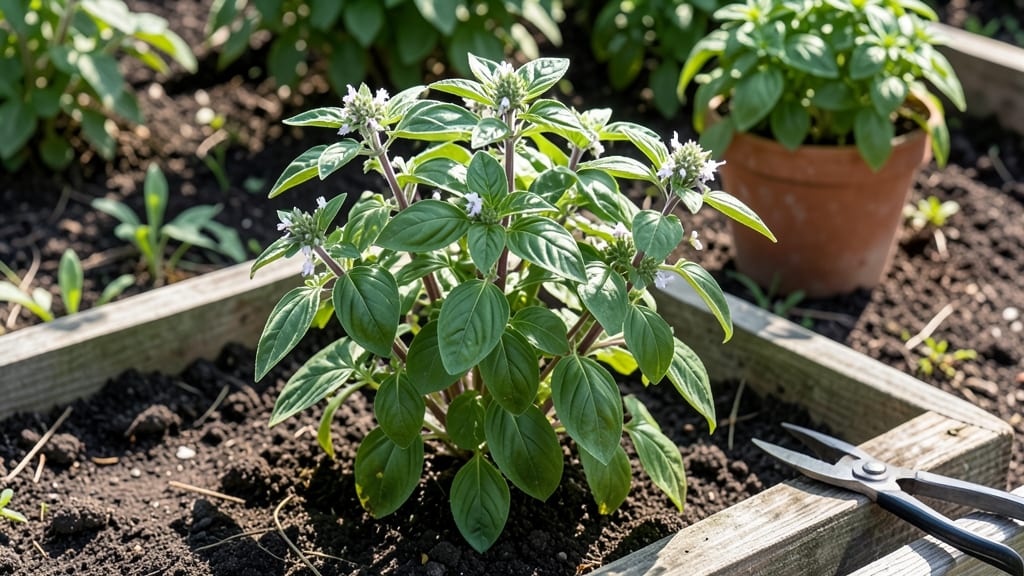
Growing basil in sun or shade is the secret to bold flavor and bushy plants — and getting it wrong can leave you with sad, stretchy stems that taste like nothing.
Picture this: you’ve planted your 🌿 basil with big dreams of pesto, only to watch it lean toward the light like a sun-worshipper, while the leaves turn pale and the aroma fades. That’s the classic sign you’re missing the sweet spot between too much shade and scorching sun.
Basil thrives in 6+ hours of direct sunlight, but in hot climates like Zone 6, afternoon shade can save your plants from wilting while keeping the flavor strong.
The key is balance—too little light, and you get leggy, flavorless stems; too much, and the leaves crisp up faster than your morning coffee.
In this guide, I’ll break down exactly how much sun your basil needs, when shade becomes a friend (not a foe), and how to spot the signs of light trouble—so you can grow basil that’s aromatic, productive, and ready to harvest all season long.
 Best Window Placement
Optimal sunlight requirements for basil growth and flavor
If you’ve ever grown basil that tastes bland or stretches into spindly stalks, your plant’s sunlight exposure is likely the culprit. Basil thrives on full sun, but the right balance between light and shade can make the difference between a flavorful harvest and a disappointing one.
Let’s break down exactly what your basil needs—and why too little sun can ruin its taste.
Basil is a sun-worshipper, requiring at least 6 to 8 hours of direct sunlight daily for optimal growth and flavor development. Without enough light, photosynthesis slows down, leading to weak stems, small leaves, and a lack of those signature aromatic oils that make basil irresistible.
Even partial shade can cause your plant to stretch toward the light, a condition called etiolation, which makes it leggy and prone to falling over.
But here’s the catch: in hot, dry climates, too much intense afternoon sun can stress your basil, causing the leaves to scorch or wilt. This is where understanding your local climate and adjusting light exposure becomes key.
For example, in USDA Zone 9 or 10, providing morning sun and afternoon shade can protect your plants while still delivering the light they crave.
🌿
The science behind basil’s love for sunlight lies in its photosynthesis process. When exposed to ample light, basil produces more chlorophyll and essential oils, which are directly responsible for its signature flavor and aroma.
In fact, studies show that basil plants grown in full sun can produce up to 30% more essential oils compared to those in partial shade. These oils are what give basil its pungent, fresh taste—so if your basil is tasting weak, it’s likely not getting enough light.
Partial shade can trick basil into focusing its energy on growing taller rather than producing flavorful leaves. When this happens, the plant becomes etiolated, with long, weak stems and small leaves.
These stems are also more prone to bacterial or fungal infections because they’re less sturdy and have a higher surface area exposed to moisture. If you notice your basil stretching toward the light, it’s a clear sign it needs more sun.
However, not all shade is created equal. Dappled shade, like the light filtering through a tree canopy, can actually benefit basil in hot afternoons by reducing stress.
If you’re growing basil in a container on a patio, you can easily move it to a shadier spot during peak sun hours. For in-ground plants, consider planting basil near taller plants that provide partial shade in the afternoon but allow morning sun to reach your herbs.
🌳
Another critical factor is the quality of light. Basil doesn’t just need quantity—it needs direct sunlight, not reflected or indirect light. Growing basil under artificial grow lights can work in a pinch, but it won’t replicate the full-spectrum light of the sun.
If you’re growing basil indoors, place it within 1-2 feet of a south-facing window to maximize light exposure. For containers, a sunny windowsill or a greenhouse is ideal.
In summary, basil’s sunlight needs are non-negotiable if you want a flavorful, productive plant. Aim for 6 to 8 hours of direct sun daily, and adjust for your climate by providing afternoon shade in hot regions.
If your basil is already struggling, don’t despair—with the right light conditions, it can bounce back and deliver the aromatic, fresh leaves you love.
☀️
How to adjust your basil’s light exposure for best results
Basil thrives with 6+ hours of direct sunlight daily, but even the most dedicated gardeners sometimes struggle to provide the perfect balance. If your plants are stretching toward the light or producing weak, flavorless leaves, it’s time to reassess their light exposure.
The good news? Adjusting your basil’s sunlight is easier than you think—whether you’re growing in containers or in-ground.
Container basil often gets overlooked because we assume they’re portable. But moving them to the sunniest spot at midday can make all the difference. For in-ground plants, dappled shade from nearby trees might seem harmless, but it can actually reduce flavor and yield.
Let’s diagnose your basil’s light situation and fix it before it’s too late.
If your basil is leggy, with small leaves and pale stems, it’s begging for more light. Even 4 hours of shade can stunt growth and dull flavor. In hot climates, afternoon shade is helpful, but morning sun is non-negotiable.
Test your spot: Hold a 1-foot ruler in the shade—if it casts a shadow less than 3 inches wide, your basil needs relocation.
Start with a light audit of your garden. Observe your basil’s location from 6 AM to 6 PM, noting how long it gets direct sun versus shade. Use a garden stake to mark the sunniest and shadiest spots.
If your basil is in a container, rotate it quarter-turns every 2-3 days to ensure even growth. Uneven light exposure can cause lopsided plants or yellowing leaves.
For containers on patios or balconies, invest in a portable grow light or move pots closer to the house during peak sun hours. If you’re dealing with overhead shade from trees, try dappled light solutions like sheer fabric or a lightweight shade cloth (30-50%).
This filters harsh afternoon rays while still allowing 6+ hours of bright light. Avoid heavy shade cloths—they block too much light and stress the plant.
Leggy basil is a clear sign of insufficient light, but you can revive it with pruning and better exposure. Pinch off the top sets of leaves (where stems branch) to encourage bushier growth. Then, place the plant in a sunnier location immediately.
If moving isn’t an option, supplement with a grow light 6-12 inches above the plant for 12-14 hours daily. Just remember: more light = more flavor, but avoid direct midday sun in scorching climates.
Pro tip: Morning sun is ideal for basil, especially in hot regions. If your garden gets intense afternoon heat, prioritize east-facing or partially shaded spots with morning sunlight. Mulch around the base with straw or wood chips to retain moisture and protect roots.
With these adjustments, your basil will reward you with bold flavor and vibrant green leaves in no time.