
Shrubs
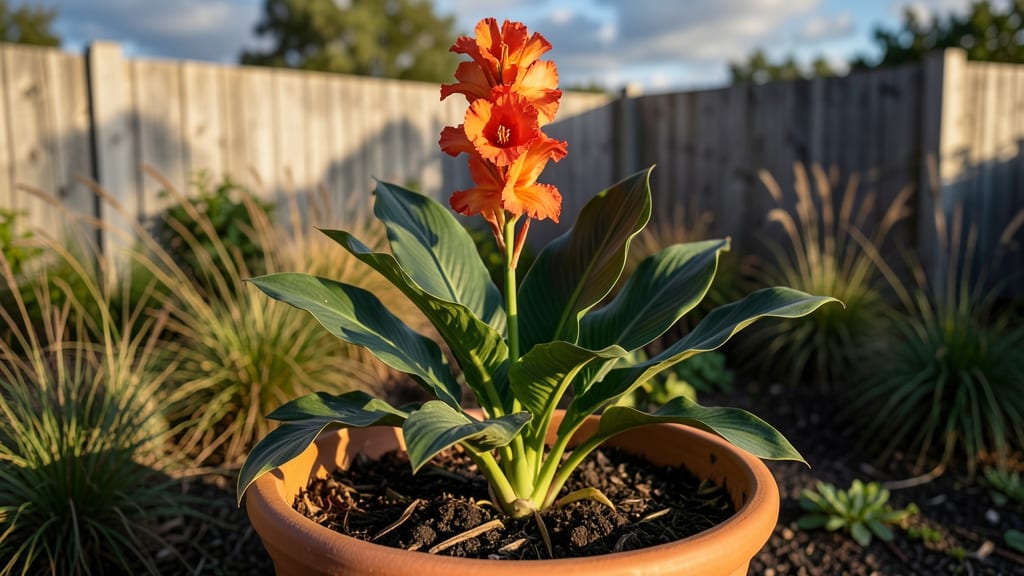
Cannas thrive in sun or shade 🌺, but getting their light balance right is the secret to those show-stopping blooms you’ve been dreaming of.
Picture this: your cannas are planted in full sun, but instead of vibrant reds and purples, you’re left with sad, droopy leaves or—worse—bare stems. Or maybe they’re tucked too far back in the shade, growing tall but never flowering.
That’s because cannas are picky about light, and 6 hours of sun is their sweet spot—but they’ll adapt if you know how to adjust their care.
Whether you’re in a hot, sunny climate or a cooler, shadier spot, this guide will help you place your cannas for maximum impact. We’ll break down how much light they truly need, which varieties handle shade best, and how to fix common light-related problems before they ruin your season.
By the end, you’ll know exactly where to plant your cannas—whether in bright morning sun or dappled shade—to keep them blooming from summer straight through fall.
 Best Window Placement
How much sun do cannas need for maximum blooms?
Cannas thrive when given the right balance of sunlight, but many gardeners struggle to determine whether their plants need full sun or partial shade. The truth is, cannas are adaptable—but their bloom size and color intensity depend heavily on light exposure.
In USDA zones 7-11, full sun (6+ hours) produces the most dramatic flowers, while zones 5-6 may need partial shade to prevent heat stress.
Too little light leads to leggy growth and sparse blooms, while excessive sun can scorch leaves, especially in hot climates. Understanding your region’s microclimate and canna variety is key to unlocking those showstopping blooms you’ve been dreaming of.
| Light Condition | Sun Hours | Bloom Impact | Best For Zones |
|---|---|---|---|
| Full Sun | 6+ hours | Largest, most vibrant blooms | 7-11 (with afternoon shade in 10-11) |
| Partial Sun | 3-6 hours | Moderate blooms, lush foliage | 5-9 (hot climates) |
| Partial Shade | <3 hours | Smaller blooms, risk of leggy growth | 5-6 (northern climates) |
In USDA zones 7-11, cannas planted in full sun (6+ hours) produce the most vibrant blooms and robust foliage. However, in zones 10-11, afternoon shade is crucial to prevent leaf scorch during peak heat.
For example, a red canna like 'Striped' will deepen its color in full sun, while a pink variety like 'Tropicanna' may fade without enough light.
If you're in USDA zone 5 or 6, partial sun (3-6 hours) is often ideal, especially in western exposures where afternoon sun can be intense. East-facing gardens provide gentle morning light, perfect for cannas needing moderate shade to thrive.
Always monitor your plants—if leaves turn yellow or crisp at the edges, they’re getting too much sun.
Color intensity is directly tied to sunlight. A deep purple canna like 'Black Knight' will maintain its richness with 4-6 hours of sun, while yellow cannas like 'Durban' may lose vibrancy in shade.
For maximum impact, aim for morning sun and afternoon shade in hotter zones to balance growth and bloom production.
Your canna’s growth habit also changes with light. In full sun, stems grow sturdier and produce more flower spikes, while shade-grown cannas may stretch toward light, resulting in weaker stems and fewer blooms.
To encourage bushier growth, pinch back leggy stems in spring and provide supportive mulch to retain moisture.
Regional adjustments matter. In the Southeast (zone 8), cannas can handle full sun with afternoon shade, while in the Pacific Northwest (zone 7), partial sun is often better. Always observe your plants—if they’re thriving with compact growth and frequent blooms, you’ve found the right balance.
For container-grown cannas, full sun is ideal, but move pots to shade if leaves wilt or turn brown. In containers, soil dries out faster, so ensure well-draining soil and consistent watering to prevent stress.
A 5-gallon pot works well for dwarf varieties, while larger containers support taller types like 'Australia.'
Seasonal light changes also affect cannas. In spring, when days are shorter, supplement with a grow light if indoors or in low-light areas. As summer progresses, gradually acclimate plants to more sun to avoid sunburn shock.
In fall, reduce light exposure to prepare cannas for dormancy, especially in cooler zones.
Pro tip: Use a light meter or observe your garden’s sun patterns. Mark areas with morning sun (cooler) vs. afternoon sun (hotter). Cannas in afternoon sun may need dappled shade from nearby trees to prevent leaf damage while still getting enough light for blooms.
☀️Shade-tolerant canna varieties that still thrive
If you love cannas but struggle with partial shade in your garden, don’t despair! While these tropical beauties crave sunlight, some shade-tolerant varieties deliver stunning blooms even with limited light. The key is choosing the right cultivar and adjusting care slightly to compensate for lower sunlight.
Most cannas thrive in full sun (6+ hours), but 3-6 hours of filtered light can work for select varieties. These shade-tolerant picks won’t just survive—they’ll flourish with bold foliage and vibrant blooms, though you may see slightly fewer flowers than sun-happy cousins.
Let’s explore the top 5 varieties that shine in shadier spots!
'Black Knight' is my top pick for shade gardens, thanks to its deep burgundy-black foliage that contrasts beautifully with crimson blooms. This variety handles 3-4 hours of shade daily with ease, making it perfect for woodland gardens or north-facing borders. Just expect slightly shorter stems—typically 3-4 feet tall instead of the usual 5-6 feet.
For vibrant purple blooms, 'Tropicanna Purple' steals the show. Its lavender-pink flowers and deep green leaves thrive in partial shade (4-5 hours), though they’ll reward you with more blooms in full sun.
This variety also tolerates humid conditions better than most, making it ideal for shady, moist spots like near ponds or under large trees.
'Wyoming', with its bright yellow flowers and ruffled petals, is another shade-friendly superstar. It handles 3-5 hours of filtered light while maintaining compact growth (3-4 feet), perfect for container gardens or small spaces. To encourage blooms, feed with a balanced fertilizer (10-10-10) every 6 weeks during the growing season.
If you love unusual colors, 'Purple Haze' delivers soft pink blooms with purple undertones and chartreuse foliage. This variety is one of the most shade-tolerant cannas, thriving in 3-4 hours of light, but it may produce fewer flowers than sun-loving cousins.
To compensate, prune leggy stems in early summer to redirect energy toward blooming.
Finally, 'Striped Forever' offers striped yellow-and-red blooms and bold green-and-purple leaves. It tolerates partial shade (4 hours) but performs best with morning sun and afternoon shade.
For container growers, this variety is a top choice—its compact size (3-4 feet) makes it ideal for patio pots on shaded decks or balconies.
For all shade-tolerant cannas, amend soil with compost to improve drainage and mulch heavily to retain moisture. Avoid waterlogged conditions, as even shade-loving varieties hate soggy roots. With the right care, these varieties will thrive in shade and bring