
Size
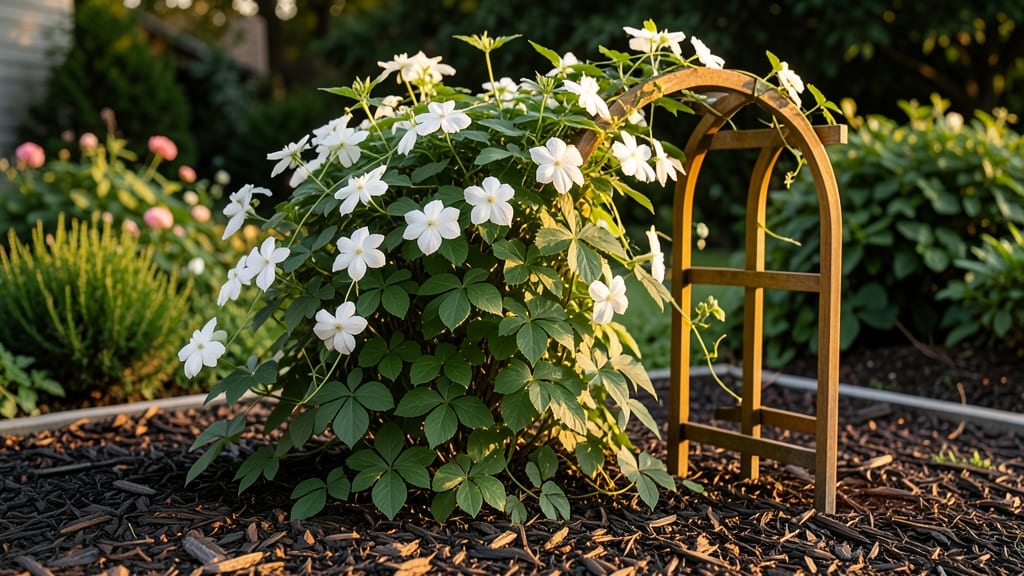
Clematis will grow in shade, but most varieties need at least 4-6 hours of sunlight daily for optimal blooms. Shade-tolerant types like Clematis montana or Clematis armandii handle low light better, though deep shadows can weaken stems and reduce flowers.
Shade tolerance varies dramatically between clematis species—some varieties simply won't bloom without sunlight, while others thrive in dappled light or even partial shade. 🌿 For example, Clematis montana produces stunning white flowers even in north-facing gardens, while Clematis armandii adapts to deep shade better than most.
The key is avoiding dense, dark shadows that prevent photosynthesis. I've seen gardeners successfully grow clematis under large trees by training vines to climb higher branches where light filters through. Just be prepared for fewer blooms and potentially leggier growth in lower-light conditions.
When selecting shade-tolerant varieties, prioritize those bred for low-light conditions—these often have thicker stems and smaller leaves to conserve energy. For best results, pair your shade-loving clematis with a sturdy trellis or arbor to encourage upward growth toward available light.
Regular pruning also helps maintain a balanced shape while redirecting energy toward flower production.
💡 In This Article
- How Light Affects Clematis Growth and Flowering
- Top Shade-Tolerant Clematis Varieties for Low-Light Gardens
How light affects clematis growth and flowering
Clematis plants rely on sunlight to produce energy through photosynthesis, where chlorophyll in their leaves converts light into glucose—a process that powers everything from stem growth to flower production.
In full sun (6+ hours daily), clematis vines develop stronger stems and produce more abundant blooms because the increased light triggers higher chlorophyll activity. Studies show that varieties like Clematis viticella can increase flower counts by 30-40% when exposed to full sun compared to partial shade.
The difference between partial shade (3-6 hours of light) and deep shade (less than 3 hours) is dramatic. Partial shade allows for moderate growth and occasional blooms, while deep shade often results in weak, leggy vines with sparse flowers.
This happens because insufficient light reduces glucose production, forcing the plant to prioritize survival over reproduction. For example, Clematis armandii—a shade-tolerant evergreen—may still produce flowers in partial shade, but its blooms will be fewer and smaller than those grown in full sun.
Light quality matters too. Shade from deciduous trees (like oak or maple) provides filtered light that's ideal for clematis, as it blocks harsh midday sun while allowing gentle morning and afternoon rays. Evergreen trees, however, create dense, dark shadows that limit photosynthesis.
In these conditions, clematis vines often develop thin, brittle stems prone to breaking under their own weight or in wind. The lack of light also reduces the plant's disease resistance, making it more susceptible to fungal issues like powdery mildew.
Here's what happens under different light conditions:
- Full sun: Vigorous growth, abundant blooms, sturdy stems (ideal for most varieties)
- Partial shade: Moderate growth, fewer blooms, slightly weaker stems (best for shade-tolerant types)
- Deep shade: Leggy growth, sparse blooms, weak stems (high risk of disease)
Even shade-tolerant clematis varieties benefit from strategic placement. For instance, positioning vines near a north-facing wall can provide reflected light that extends their daily exposure. I've seen Clematis montana thrive in such spots, producing clusters of fragrant white blooms even with only 4 hours of direct light.
The key is maximizing light without exposing the plant to harsh afternoon sun, which can scorch leaves.
One common misconception is that all shade is equal. Dappled light—where sunlight filters through leaves—is actually preferable to uniform shade because it creates a mosaic of light and shadow that mimics natural forest conditions. This pattern encourages more balanced growth and better flower production than solid shade.
For gardeners with limited light, training clematis to climb higher on trellises or fences can help capture more light at the top of the vine while keeping the base in cooler, shaded conditions.