
Light Requirements
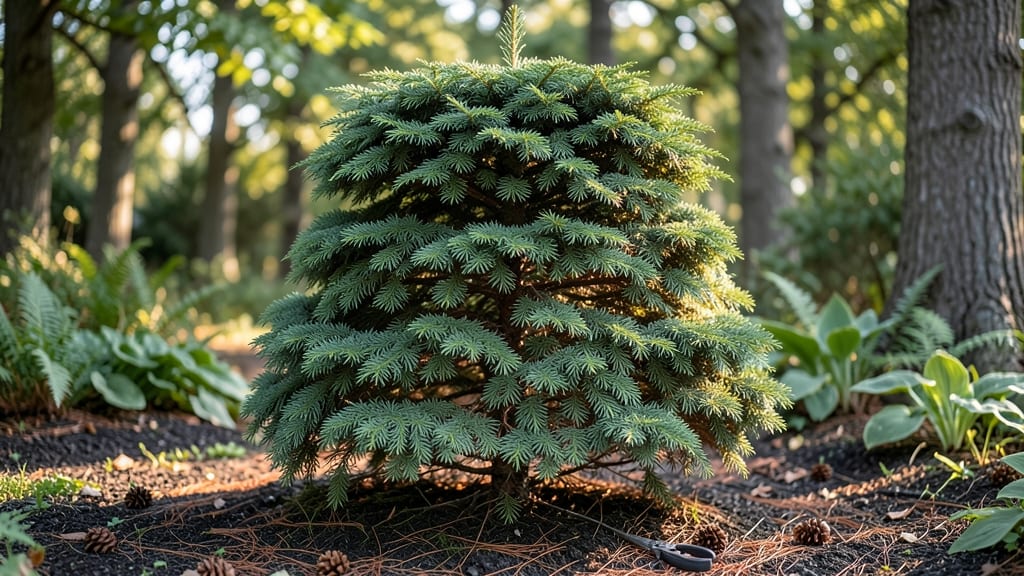
Cedar trees can grow in shade, but their success depends on the variety and care you provide — a fact that surprises many gardeners who assume these evergreens need full sun.
If you’ve got a shady backyard or a spot under taller trees where you’re not sure what to plant, cedar trees might be the answer. Some varieties, like the Eastern Red Cedar, adapt surprisingly well to partial shade, though they’ll still grow taller and fuller with a bit more light.
The key is choosing the right type and giving it the right conditions.
In this guide, we’ll break down which cedar trees handle shade best, how to prep the soil for slower growth, and the small adjustments that make all the difference between a struggling sapling and a thriving 🌲 specimen.
Whether you’re in USDA Zone 6a or another temperate climate, these tips will help you get the most out of your shade-loving cedar.
You’ll also learn how to spot early signs of stress, adjust your watering schedule, and even use mulch to boost growth in low-light areas. By the end, you’ll know exactly how to turn that dim corner of your yard into a lush, evergreen haven.

Best cedar tree varieties that thrive in shade
When most gardeners think of cedar trees, they picture towering evergreens basking in full sun—but some varieties actually thrive in shade. The key is choosing the right species, as not all cedars adapt equally to low-light conditions.
From the hardy Eastern Red Cedar to the elegant Atlas Cedar, these shade-tolerant varieties can transform your dim backyard into a lush, fragrant retreat. Let’s explore which cedars handle shade best and how to give them the care they need to flourish.
Cedars are famously adaptable, but their tolerance for shade varies widely. While some varieties like Deodar Cedar prefer bright light, others like Western Red Cedar can handle partial shade with ease.
The secret lies in their native habitats—many cedars evolved in forests where they competed for light with towering oaks and pines. Understanding these natural preferences helps you select the perfect cedar for your shady garden spot.
Comparison Table: Shade-Tolerant Cedar Varieties
The Eastern Red Cedar is one of the most shade-tolerant options, making it ideal for northern climates where sunlight is limited. It thrives in partial shade and can even handle full shade, though growth may slow.
Its blue-green foliage and drought resistance make it a low-maintenance choice for shady yards. If you’re in USDA zones 3–9, this variety is a safe bet for almost any shaded corner.
For moist, woodland gardens, the Western Red Cedar is a standout. Unlike its sun-loving cousins, this variety can handle deep shade thanks to its native habitat in Pacific Northwest forests.
Its scaly bark and aromatic needles add texture and fragrance to shady landscapes. Just ensure the soil stays consistently moist—this cedar dislikes drought more than shade.
If you’re dreaming of a Mediterranean-style garden, the Atlas Cedar is a stunning choice. While it prefers partial shade, it can adapt to full shade in cooler climates.
Its weeping branches and silvery-blue needles create a dramatic focal point, even in the dimmest spots. Pair it with ferns and hostas for a lush, layered look.
One common misconception is that all cedars need full sun to grow tall. In reality, shade slows growth but rarely kills these resilient trees. The Leyland Cypress, a fast-growing hybrid, is another great option for partial shade.
It’s often used as a privacy screen and tolerates shade better than many other evergreens. Just be prepared for slightly slower height gains compared to sun-exposed trees.
When selecting a cedar for shade, consider your local climate. In humid regions, like the Southeast, cedars may struggle with fungal diseases if shaded too heavily.
In contrast, dry climates, such as the Southwest, benefit from shade-tolerant varieties that conserve moisture. Always check your USDA zone and microclimate before planting.
Pro tip: If your cedar starts looking leggy or sparse in shade, it’s not necessarily dying—it’s just stretching toward light
How to care for cedar trees in shady gardens
Cedar trees can absolutely thrive in shady gardens—it’s all about choosing the right variety and providing the right growing conditions. While they prefer partial shade over full sun, some species like the Eastern Red Cedar and Atlas Cedar adapt beautifully to low-light environments.
The key is mimicking their natural understory habitats, where they grow beneath taller trees.
When planting in shade, focus on soil quality and watering consistency to compensate for reduced photosynthesis. Cedar trees are drought-tolerant once established, but young trees need regular moisture to develop strong root systems. Let’s explore the best practices to keep your cedar trees healthy and vibrant in shady spots.
Start with well-draining soil—cedar trees hate soggy roots. Mix organic matter like compost or aged manure into the planting hole to improve drainage and fertility.
A 2-3 inch layer of mulch around the base helps retain moisture and regulate soil temperature, which is especially helpful in shaded areas where soil stays cooler and wetter.
Watering becomes slightly more critical in shade. While cedars are drought-resistant, young trees need deep watering once a week during their first year. Once established, reduce to every 2-3 weeks unless you’re experiencing a prolonged dry spell.
Always water at the base of the tree to avoid wetting the foliage, which can lead to fungal issues in humid shade.
Pruning in shaded gardens should be minimal and strategic. Remove only dead, diseased, or crossing branches to maintain airflow. Avoid heavy pruning, as cedar trees rely on their foliage for photosynthesis in low-light conditions.
The best time to prune is late winter or early spring before new growth begins, using sterilized pruners to prevent disease spread.
Companion planting can boost your cedar tree’s health in shade. Pair it with ferns, hostas, or astilbes, which thrive in similar conditions. These shade-loving plants create a microclimate that retains moisture and improves soil structure.
Just avoid planting competitive species like maples or oaks, which can steal nutrients and shade out your cedar over time.
With these care tips, your cedar tree will not only survive but thrive in shade, adding year-round greenery and texture to your garden. Keep an eye on its growth rate—if it’s stagnating, it might need a slightly sunnier spot or a nutrient boost. Happy gardening! 🌲