
Shrubs
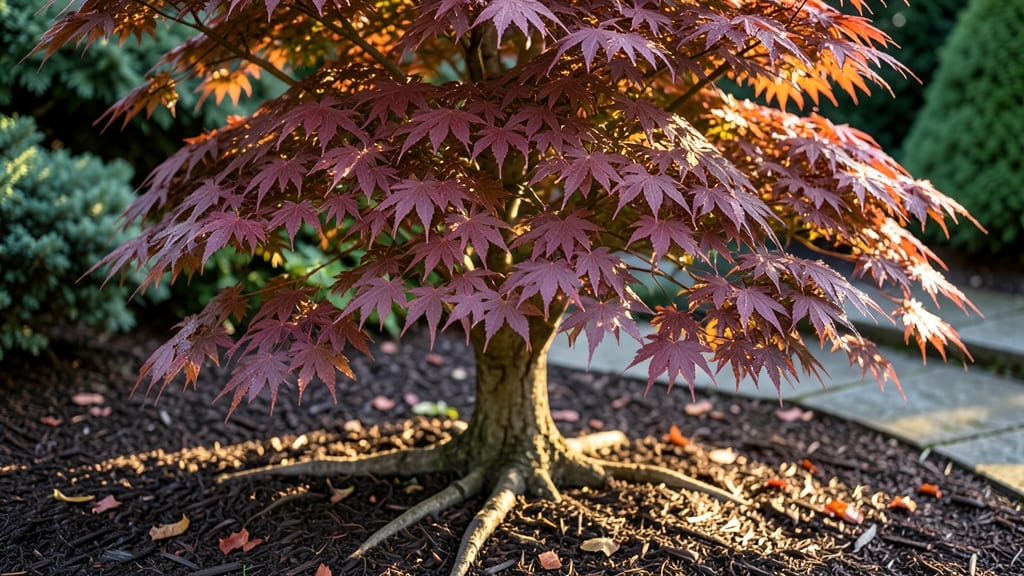
Dappled shade refers to the play of light and shadow created when sunlight filters through trees, trellises, or other structures, producing a dynamic pattern of bright spots and cooler areas across garden spaces. This gentle, ever-changing light suits plants that need protection from intense sun while still benefiting from some brightness.
This light pattern isn't just about partial sun—it's about the quality of that light. 🌿 The moving shadows prevent leaf scorch while still allowing photosynthesis, making it ideal for plants like hostas or ferns that thrive in lower light but can't handle deep shade.
I've seen gardeners use lattice screens or sheer fabric to mimic this effect in areas without natural canopy coverage, creating perfect conditions for delicate foliage or flowering plants that need a break from full sun.
What's fascinating is how this light changes throughout the day. In the morning, when the sun is lower, the dappled effect is softer, while midday creates more defined patterns.
This variability actually benefits many plants by gradually acclimating them to different light intensities, much like how we adjust to changing weather conditions.
💡 In This Article
- How Dappled Shade Forms in Gardens
- Best Plants Thriving in Dappled Light Conditions
How dappled shade forms in gardens
Dappled shade isn't just random light—it's a precise interplay of physics and biology. When sunlight hits leaves, it gets diffused through tiny gaps between foliage, creating those iconic bright spots and cooler shadows.
The key factor is leaf density and arrangement: deciduous trees like maples with broad, flat leaves create more defined patterns compared to needle-like evergreens, which scatter light more evenly. 🌳 A mature oak might cast dappled shade with spots measuring 6-12 inches across, while a younger tree produces larger, more diffuse patches.
The science gets even more interesting when you consider light spectrum changes. Direct sun delivers full-spectrum light (UV to infrared), but dappled light filters out some UV rays while preserving the visible spectrum needed for photosynthesis.
This creates a "softer" light environment where plants receive about 30-60% of full sun intensity, depending on tree canopy density.
Seasonal leaf changes dramatically alter this: a summer maple might block 70% of light, while winter branches allow 90% penetration, creating seasonal light variability that many plants actually prefer.
Architectural elements play a crucial role too. Trellises with climbing roses or vines create vertical dappling patterns, while pergolas cast horizontal bands of light. Even man-made structures like lattice screens can mimic this effect when spaced 12-18 inches apart.
The magic happens when these elements combine: a garden path under a mature tree might receive just 2-3 hours of direct sun per day, while nearby areas get intermittent bright spots throughout the day.
This creates microclimates where plants experience different light conditions within just 3 feet of each other.
What most gardeners overlook is how wind affects dappled patterns. Gentle breezes cause leaves to move, constantly shifting the light spots. On calm days, patterns remain static for hours, while windy conditions create a "moving" shade effect that some plants find even more beneficial.
This dynamic light environment helps prevent leaf burn while still supporting photosynthesis—nature's perfect balance for shade-loving plants. 🌿 The result is a garden ecosystem where light intensity varies constantly, creating ideal conditions for species that can't handle full sun but need more than deep shade.
Understanding these formation mechanics helps explain why some plants thrive while others struggle. For example, hostas with their broad leaves can capture scattered light efficiently, while delicate impatiens might need the more consistent light from a sheer fabric shade cloth.
The key is matching plant leaf structure to the natural light patterns your garden creates. A simple observation: if your garden has areas where sunlight creates 1-2 inch diameter bright spots on the ground, you're likely seeing ideal dappled conditions for many shade-tolerant species.
Seasonal variations add another layer. In spring, when leaves are still emerging, dappled shade might resemble 60% sun exposure, while summer's full canopy reduces this to 20-30%**.
This natural progression helps plants acclimate gradually, preventing the shock that can occur when moving plants from full sun to deep shade abruptly. It's this gradual adaptation that makes dappled shade so beneficial for many garden species.