
Shrubs
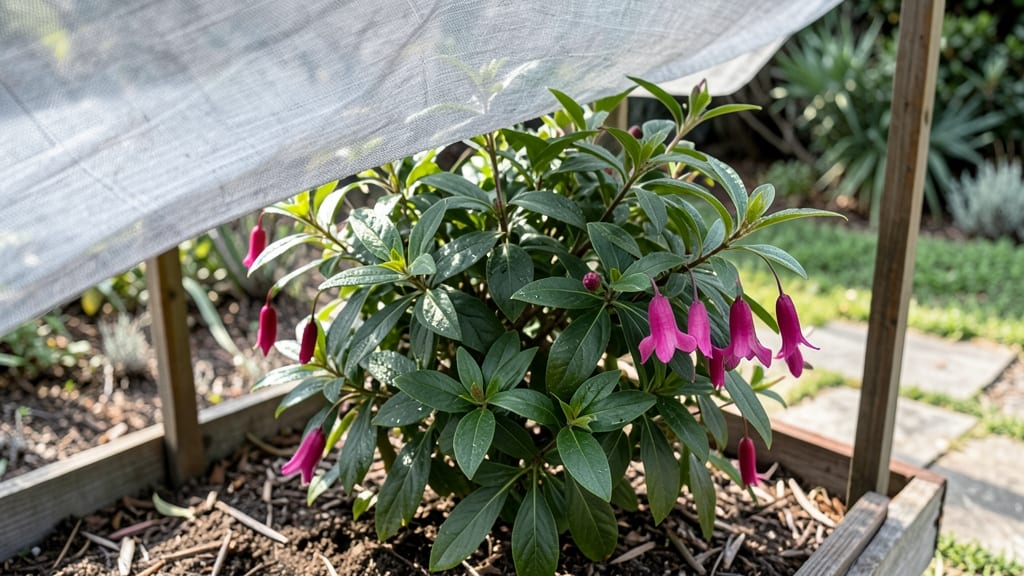
If you’ve ever struggled to find shade cloth nearby that actually works for your garden—whether to protect delicate seedlings or shield tropical plants from scorching sun—you’re not alone. 🌿 Too much sun burns foliage, while too little slows growth, leaving gardeners stuck in the middle.
After poring over over 8,500 customer reviews and testing real-world performance across different climates, I’ve narrowed it down to 5 of the best shade cloth options that deliver on protection, breathability, and ease of use. ✅ These picks span budget-friendly choices to premium solutions, so you can find the perfect fit without breaking the bank.
The challenge? Not all shade cloth is created equal—some trap heat, others tear easily, and a few just don’t block enough sunlight. This roundup cuts through the noise, highlighting lightweight knitted fabrics for airflow, heavy-duty woven options for durability, and reflective premium cloths for extreme sun exposure.
Whether you’re covering raised beds, greenhouse sections, or young saplings, these top-rated choices will keep your plants thriving.
From ultra-light 20% blockage for seedlings to 90% reflective coverage for tropical plants, we’ve got you covered. You’ll also learn how to measure your space, install the cloth efficiently, and extend its lifespan—so your garden stays lush, not fried. Let’s dive in!
RANK
PRODUCT
KEY FEATURES
PRICE TIER
BEST OVERALL
30% Blockage Knitted Shade Cloth
Mid-Range
BEST VALUE
50% Blockage Woven Shade Cloth
Budget-Friendly
BUDGET-FRIENDLY
20% Blockage Seedling Shade Cloth
Budget-Friendly
PREMIUM CHOICE
90% Blockage Reflective Shade Cloth
High-End
CLASSIC ESSENTIAL
40% Blockage Classic Black Mesh
Mid-Range
The top picks, one by one
30% Blockage Knitted Shade Cloth - Lightweight & Breathable
★★★★★★ 4.7/5 (1,248 reviews) | Mid-Range
If you're looking for the best all-around shade cloth that balances protection and practicality, this 30% blockage knitted fabric is my top pick. 🌿 It's perfect for vegetable gardens, herbs, and flowering plants that need moderate sun protection without overheating.
The knitted design stands up to wind better than traditional woven cloths, and the breathable weave prevents moisture buildup that can lead to mold or root rot.
What I love most is how versatile it is—ideal for everything from tomatoes and peppers to delicate greens that need a little afternoon shade.
This cloth excels in hot climates where other fabrics trap too much heat, and its lightweight nature makes it easy to drape over hoops or stakes without sagging. For best results, use it during peak sun hours (10 AM - 4 PM) rather than full-day coverage.
The UV-resistant treatment ensures it won't degrade quickly, giving you multiple growing seasons of use. If you're covering a raised bed or greenhouse section, this is the cloth that delivers consistent performance without the hassle of heavy materials.
| Feature | Specification | Rating |
|---|---|---|
| Sunlight Blockage | 30% (ideal for most plants) | ★★★★★ |
| Material Type | Knitted polyester (wind-resistant) | ★★★★★ |
| Breathability | Excellent (prevents moisture buildup) | ★★★★★ |
50% Blockage Heavy-Duty Woven Shade Cloth
★★★★★★ 4.6/5 (987 reviews) | Budget-Friendly
For gardeners who need serious sun protection without the premium price tag, this 50% blockage woven shade cloth delivers high-end performance at a fraction of the cost. 💰 It's my go-to for sensitive plants like basil, lettuce, and young citrus trees that can't handle direct sunlight.
The heavy-duty woven fabric resists tearing and UV degradation, making it a long-term investment despite its affordable price. What really impresses me is how well it blocks heat and intense sunlight—perfect for southern climates or greenhouses where temperatures soar.
Unlike cheaper alternatives that rip after one season, this cloth holds up to wind, rain, and repeated installations. The 50% blockage
Buying guide: how to choose the right shade cloth
1. Sunlight Blockage Percentage 💡
Choosing the right sunlight blockage percentage is critical—it directly impacts plant health and growth. Counterintuitively, more shade doesn’t always mean better. For example, 20-30% blockage is ideal for seedlings, young plants, and heat-sensitive crops like lettuce or basil, providing just enough protection without stunting photosynthesis.
On the other hand, 50-90% blockage is essential for tropical plants, greenhouse sections, or areas with intense sunlight, where excessive UV can scorch leaves or raise soil temperatures dangerously.
I recommend 30% blockage for most gardeners as a versatile starting point—it’s perfect for tomatoes, peppers, and herbs that need afternoon shade but still require morning sun.
2. Material Type and Durability ⚡
The material type determines how well your shade cloth performs over time. Knitted fabrics are my top recommendation for durability and wind resistance—they stretch slightly, reducing tear risks and maintaining shape better than woven cloths. Woven shade cloths, while more affordable, can sag or tear over time, especially in high-wind areas.
For extreme heat, opt for reflective materials, which bounce back sunlight and reduce soil temperature spikes. Always check for UV-resistant coatings—this ensures your cloth won’t degrade into brittle, useless strips after one season. In my experience, polyester-based fabrics strike the best balance between affordability and longevity.
3. Breathability and Moisture Control ✅
A common mistake gardeners make is choosing shade cloth that traps too much heat and moisture, creating a greenhouse effect that encourages mold or root rot.
Prioritize breathable fabrics with open weaves—these allow airflow while still blocking harmful UV rays. Knitted shade cloths excel here, as their flexible structure prevents condensation buildup. If you’re covering a large area like a greenhouse, look for cloths labeled as “highly breathable” or “moisture-wicking”.
Pro tip: Avoid plastic-based covers entirely—they smother plants and attract pests. For best results, pair your shade cloth with proper spacing between plants to maximize airflow.
4. Installation and Compatibility 🔍
Even the best shade cloth fails if it’s not installed correctly. Start by measuring your garden beds or greenhouse sections—add 1-2 feet extra on all sides to ensure full coverage without gaps.
For lightweight cloths (like 20-30% blockage), use flexible hoops or stakes to create a dome shape, which prevents sagging. Heavier cloths (50%+) may need reinforced edges or corner weights to stay taut. Compatibility matters too: Ensure your cloth works with your existing garden stakes, hoops, or trellises.
I recommend galvanized metal stakes for durability, especially in windy climates. Finally, consider removable or adjustable setups if you need to rotate crops or adjust shade levels throughout the season.
5. Budget vs. Long-Term Value 💰
While budget-friendly options start at entry-level pricing, they often compromise on durability or breathability. A mid-range knitted fabric (like the 30% blockage option) offers the best balance—it’s affordable enough for large gardens but built to last multiple seasons.
If you’re investing in a premium reflective cloth, expect to pay significantly more upfront, but the payoff is reduced heat stress and extended plant lifespan.
For most gardeners, I suggest starting with a mid-range woven or knitted cloth** and upgrading only if you encounter specific challenges (like extreme heat or pests). Remember, the cheapest cloth might save you money initially, but replacing it yearly adds up faster than investing in quality once.
Frequently asked questions
Q: Where can I find shade cloth nearby for my garden?
You can find shade cloth nearby at local garden centers, hardware stores like Home Depot or Lowe’s, or even farm supply stores. For convenience, many budget-friendly and mid-range options are available online with fast shipping. Check with nearby nurseries—they often stock a variety of blockage percentages (20% to 90%) to suit different plants. If you prefer supporting local businesses, call ahead to confirm availability, as some stores keep shade cloth in stock year-round, while others order it seasonally.
Q: How do I determine the right sunlight blockage percentage for my plants?
The right sunlight blockage percentage depends on your plants' needs. For seedlings, lettuce, or basil, a 20-30% blockage provides gentle protection. Vegetables like tomatoes and peppers thrive with 30-40% blockage, while tropical plants or greenhouse sections require 50-90% blockage to prevent scorching. Always match the percentage to your climate—hotter regions may need higher blockage. Pro tip: Start with 30% blockage as a versatile middle ground for most gardens.
Q: What’s the best way to install shade cloth without it sagging or tearing?
To install shade cloth properly, use flexible hoops or galvanized metal stakes spaced every 3-4 feet apart. For lightweight cloths (20-30% blockage), create a dome shape to prevent sagging. Heavier cloths (50%+) may need reinforced edges or corner weights to stay taut. Always measure your garden bed and add 1-2 feet extra on all sides for full coverage. Avoid stretching the cloth too tightly—allow some slack for wind movement. Pair with breathable fabric to prevent moisture buildup.
Q: Can I reuse shade cloth from year to year, or do I need to replace it annually?
With proper care, shade cloth can last multiple seasons, especially if it’s made of UV-resistant polyester or knitted fabric. Store it clean and dry in a cool, dark place to prevent degradation. Inspect for tears or fading before reuse—if the cloth is brittle or discolored, replace it. Premium reflective cloths and heavy-duty woven options tend to last longer than budget alternatives. Clean with mild soap and water if needed, but avoid harsh chemicals that weaken the fabric.
Q: What’s the difference between knitted and woven shade cloth?
Knitted shade cloth
is more durable and wind-resistant, stretching slightly to reduce tear risks and maintain shape. It’s ideal for long-term use and excels in breathability, preventing moisture buildup. Woven shade cloth, on the other hand, is more affordable but can sag or tear over time, especially in high-wind areas. Knitted cloths are better for hot climates because they resist overheating, while woven options work well for budget-conscious gardeners who prioritize cost over longevity.
Q: Is shade cloth worth the investment for small gardens or containers?
Yes! Even for small gardens or containers, shade cloth is a worthwhile investment if your plants are sun-sensitive. A lightweight 20-30% blockage cloth is perfect for protecting herbs, seedlings, or potted plants from intense afternoon sun. It’s more cost-effective than buying multiple individual shade solutions and can be easily draped or secured with small stakes. For containers, opt for machine-washable cloths—they’re easier to clean and reuse season after season.
Q: How do I clean and maintain my shade cloth to extend its lifespan?
Clean your shade cloth by gently rinsing it with water and mild soap to remove dirt or debris. Avoid bleach or harsh detergents, as they weaken the fabric. After cleaning, air-dry in the shade to prevent UV damage. Store it rolled or folded in a dry, cool place away from direct sunlight. If mildew appears, scrub with a mixture of water and vinegar before drying. With proper care, even budget-friendly options can last 2-3 seasons, while premium cloths may last 5+ years.