
Light Requirements
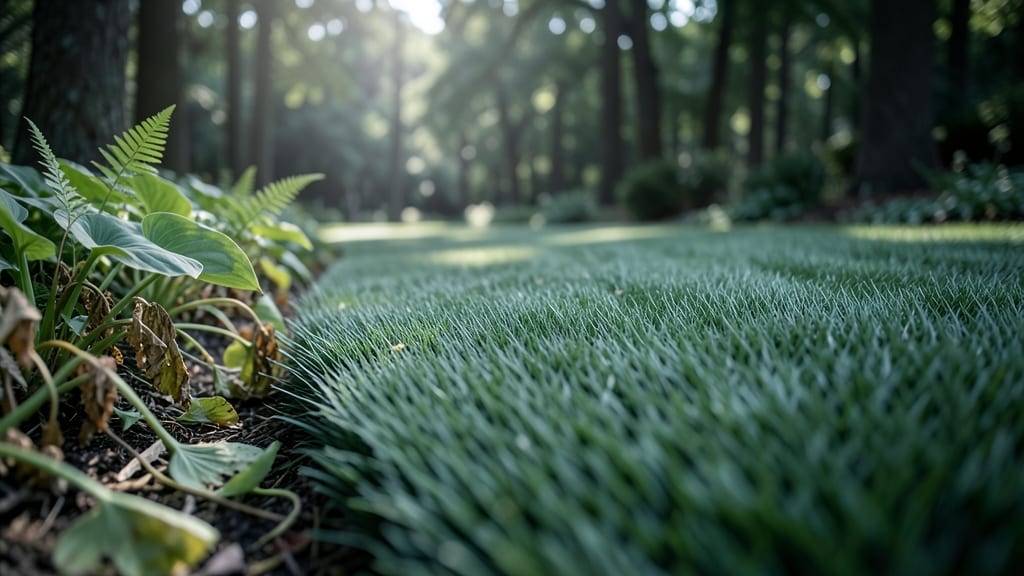
Zone 5 gardeners with shady spots don’t have to settle for bare soil—these 10 shade-loving plants deliver vibrant foliage, fragrant blooms, and low-maintenance beauty year-round while thriving in minimal sunlight.
Hostas for Textured Ground Cover
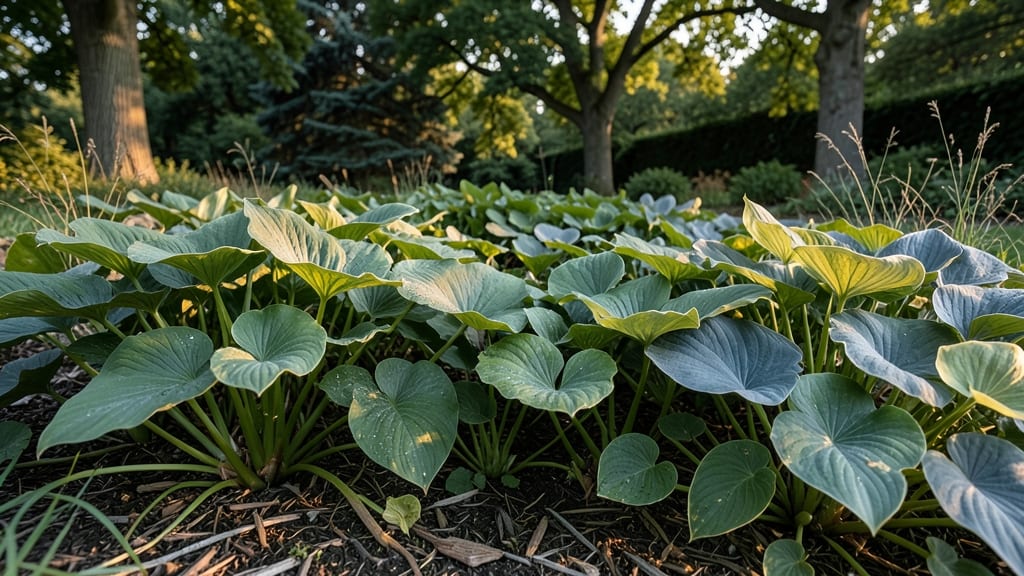
If you're tired of weedy, bare patches in your Zone 5 shade garden, hostas are your secret weapon. These hardy perennials thrive in partial to full shade, offering a stunning array of leaf shapes—from broad and bold to narrow and delicate—plus colors ranging from deep green to golden or even blue-tinged varieties.
Hostas naturally suppress weeds by forming dense clumps that block light from reaching the soil, saving you hours of pulling. Plant them in well-draining, moist soil enriched with compost, and space them 12-24 inches apart for optimal growth. With over 3,000 cultivars, you can mix textures and colors to create a lush, low-maintenance border that keeps deer and rabbits away (they dislike the foliage!).
Perfect for beginners, hostas require minimal care—just mulch annually to retain moisture and divide clumps every 3-4 years to keep them vigorous. Their versatility makes them ideal for woodland gardens, foundation plantings, or even container gardens. 🌱
Ferns for Delicate Lace-Like Foliage
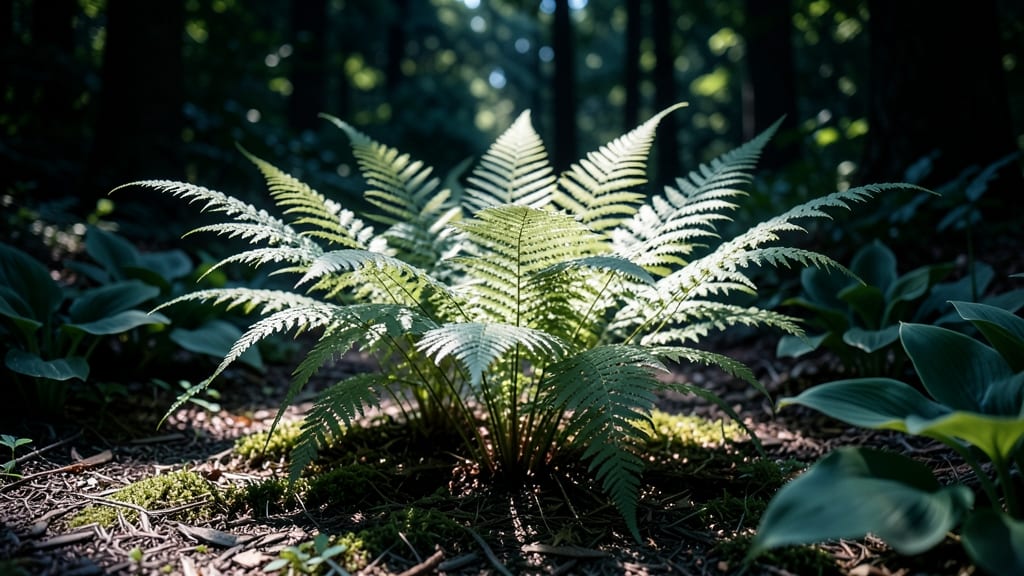
Transform your shady Zone 5 garden into a serene woodland retreat with lace-like ferns that dance in the breeze. Unlike broad-leafed hostas, ferns bring a feathery, airy texture that softens dark corners while requiring minimal sunlight—just 2-4 hours of dappled light per day.
For your Zone 5 climate, prioritize maidenhair ferns (for delicate, fan-shaped fronds) or ostrich ferns (taller, arching fronds that add drama). Both thrive in moist, humus-rich soil—amend clay soil with compost to improve drainage. Mulch with leaf litter to retain moisture and mimic their natural forest-floor habitat. These ferns also tolerate humidity, making them ideal for urban gardens or areas near ponds.
Perfect for gardeners who love texture over blooms, ferns create a year-round green tapestry that pairs beautifully with hostas or hellebores. Their low-maintenance nature makes them a dream for busy gardeners. 🌿
Japanese Painted Fern with Silver Stems
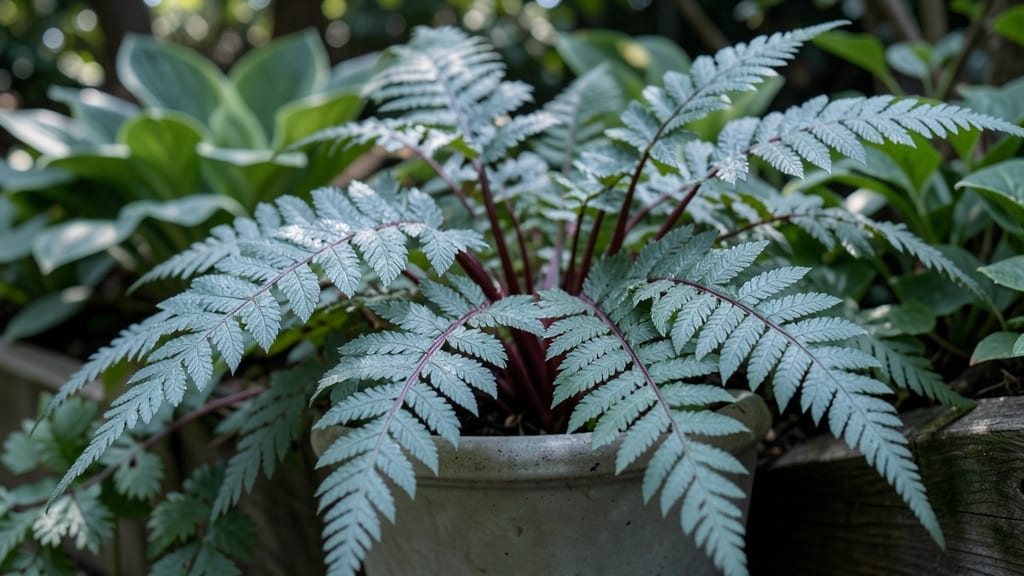
Looking for a shade plant that turns heads without needing constant care? The Japanese painted fern (Athyrium niponicum var. pictum) delivers dramatic contrast with its silvery undersides and burgundy stems, making it a standout in borders or containers.
This hardy perennial thrives in partial to full shade and becomes drought-tolerant once established, making it ideal for Zone 5’s often-dry summers. Its feathery fronds add movement and texture, while the striking stems create visual interest even in winter. Plant in well-draining soil with organic matter for best results.
Perfect for urban gardeners or beginners, this fern requires minimal maintenance and pairs beautifully with hostas or hellebores. Its unique foliage ensures your shade garden stays captivating year-round. 💚
Bleeding Heart for Spring Blooms
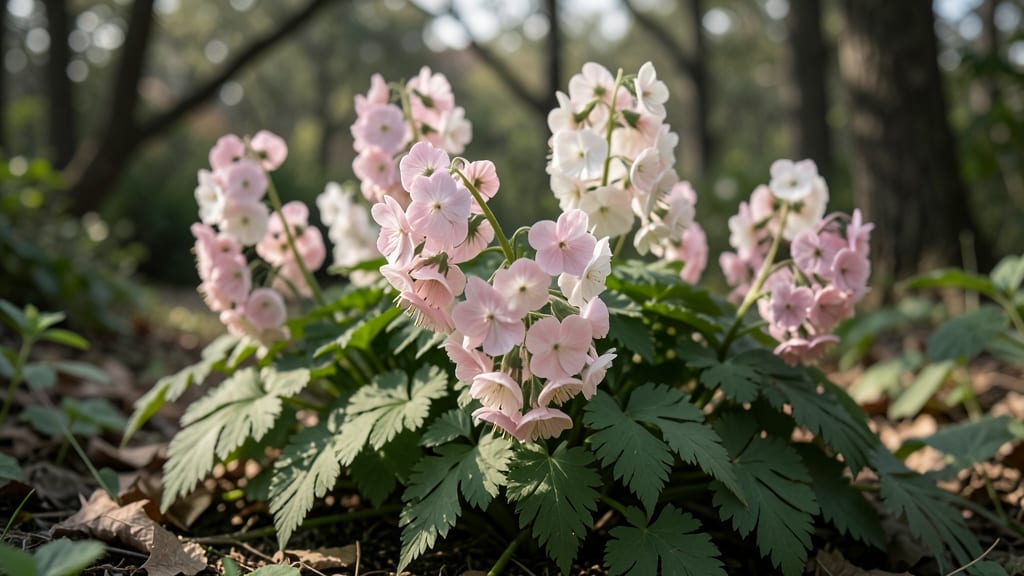
Craving a romantic splash of color in your Zone 5 shade garden? Bleeding heart (Dicentra spectabilis) delivers dreamy, heart-shaped blooms in soft pinks and whites that appear like magic in spring—often before most other perennials even wake up.
This classic shade perennial thrives in partial to full shade and prefers moist, well-draining soil enriched with organic matter. Plant in spring or early fall, spacing them 18-24 inches apart for their lush, fern-like foliage to create a natural carpet. While they self-seed minimally, they rarely become invasive, making them perfect for cottage gardens or woodland edges where they add vertical interest.
Ideal for gardeners who love seasonal highlights, bleeding heart blooms fade by summer but leaves stay attractive until fall. Pair with hostas or ferns for a lush, layered look that requires almost no summer maintenance. 🌷
Hellebores for Winter and Early Spring Color
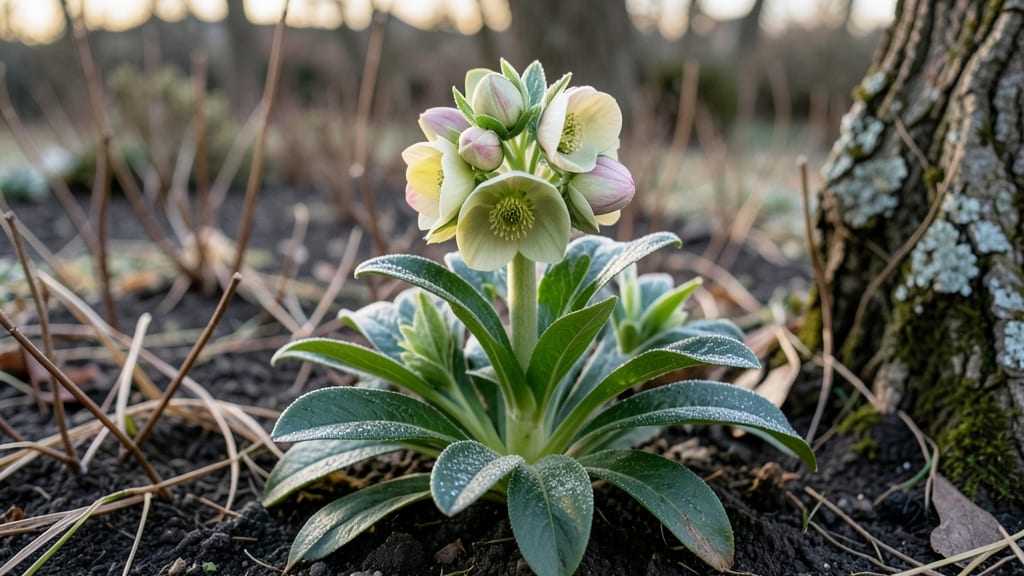
When your Zone 5 garden looks bare in late winter, hellebores (aka "Lenten roses") burst into bloom like a secret surprise. These evergreen perennials defy cold weather, often flowering from February through April when most plants are still dormant, and they thrive in the very spots that challenge other shade lovers.
Perfect for dry shade or even north-facing slopes, hellebores tolerate poor, rocky soil and require almost no maintenance once established. Their leathery, dark green leaves stay attractive year-round, while their nodding flowers—available in white, pink, purple, and green—add delicate color when you need it most. Plant them in partial to full shade and water occasionally; they’re drought-tolerant once their roots take hold.
Ideal for gardeners who want winter interest without fuss, hellebores pair beautifully with ferns and hostas. Their ability to thrive in tough conditions makes them a must-have for problem areas where other plants fail. ✨
Astilbe for Feathery Flower Plumes
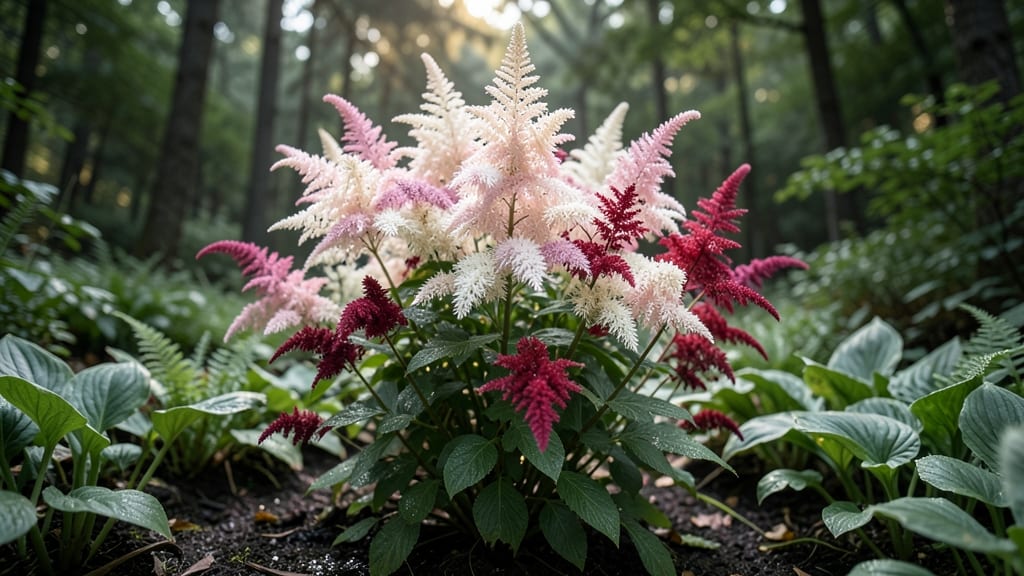
Want to add drama and movement to your Zone 5 shade garden without sacrificing sunlight? Astilbe delivers feathery plumes in shades of pink, white, and red that sway gently in the breeze—perfect for adding vertical interest where sun is scarce.
These hardy perennials thrive in consistently moist soil, making them ideal for rain gardens, pond edges, or any spot where water collects naturally. Choose from dwarf varieties (12-18 inches) for containers or taller types (2-3 feet) for dramatic back-of-border impact. Deadhead spent blooms to encourage more flowers, and divide clumps every 3-4 years to keep them vigorous.
Urban gardeners and beginners will love astilbe’s low-maintenance nature—just keep the soil evenly moist and mulch to retain humidity. Pair with hostas or ferns for a layered, textured shade garden that blooms from early to mid-summer. ✨
Coral Bells for Vibrant Foliage Variety
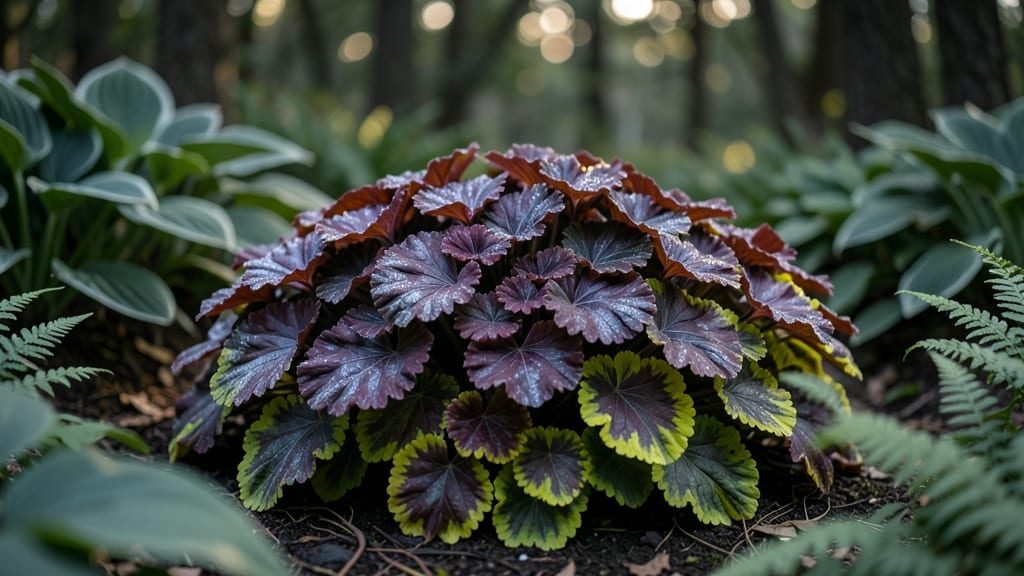
Tired of shade gardens that look dull and monotonous? Coral bells (Heuchera) inject bold color into dark corners with their striking foliage in shades of purple, silver, or chartreuse—long after spring blooms have faded. Unlike many shade plants that focus solely on leaves, coral bells deliver occasional summer flowers too, adding unexpected pops of pink or white.
These hardy perennials thrive in partial to full shade and adapt effortlessly to containers, hanging baskets, or woodland gardens. Their compact size (12-18 inches tall) makes them perfect for edging or filling gaps between larger plants. For best results, plant in well-draining soil with some organic matter—amend heavy clay with compost to prevent root rot. Deadhead spent blooms to encourage more foliage production, and divide clumps every 3-4 years to keep them vigorous.
Ideal for urban gardeners with limited space or beginners who want year-round visual interest, coral bells pair beautifully with ferns or hostas. Their drought tolerance once established makes them a low-fuss choice for even the busiest gardener. 🌻
Solomon’s Seal for Arching Stems and Berries
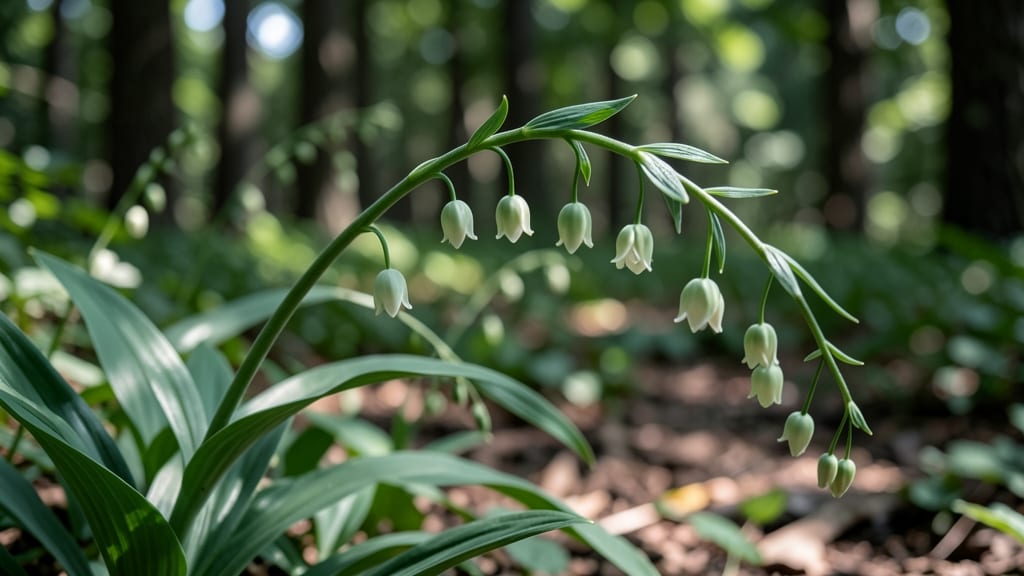
Tired of flat, boring shade gardens? Solomon’s seal (Polygonatum) brings elegant movement with its arching stems that sway gently in the breeze, creating natural vertical lines without needing a trellis. This shade-loving perennial produces glossy, lance-shaped leaves and clusters of delicate, bell-shaped flowers that mature into striking blue-black berries—a rare treat for birds in late summer.
Thriving in partial shade to full shade, Solomon’s seal adapts to Zone 5’s climate with ease, spreading slowly to form a lush, natural ground cover that fills gaps between other shade plants. Plant in moist, well-draining soil with organic matter, and space them 18-24 inches apart for a graceful, layered look. Unlike aggressive spreaders, this plant maintains a tidy habit, making it perfect for borders, woodland gardens, or as a focal point under trees.
Ideal for gardeners who want structure and seasonal interest with minimal effort, Solomon’s seal pairs beautifully with hostas or ferns. Its berries provide winter interest, while the arching stems add dynamic movement to still shade gardens. 🌻
Lungwort for Medicinal and Ornamental Value
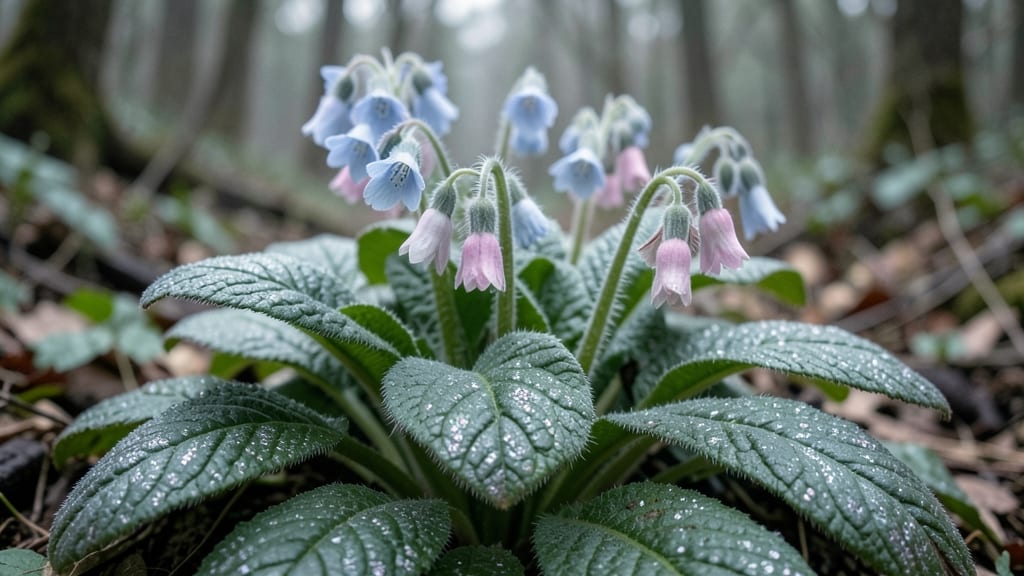
Looking for a shade-loving perennial that offers both beauty and historical healing properties? Lungwort (Pulmonaria) delivers with its striking silver-spotted leaves and delicate blue or pink flowers that bloom in early spring—often when few other plants are in season.
This hardy plant thrives in moist, acidic soil and partial shade, making it perfect for Zone 5 cottage gardens or woodland edges. Its spotted foliage adds visual interest year-round, while the flowers attract early pollinators like bees. Lungwort spreads slowly, creating a natural ground cover without becoming invasive.
Ideal for gardeners who love multiseason interest, lungwort pairs beautifully with ferns and hellebores. Its historical use in respiratory remedies adds a fascinating layer for herbalists or those who appreciate plants with a story. 🌿
Dwarf Mondo Grass for Evergreen Edging

Tired of messy, uneven garden edges that look unkempt even after hours of trimming? Dwarf mondo grass (Ophiopogon japonicus 'Nana') is the secret weapon for creating clean, evergreen borders that stay sharp all year—without a single snip of pruning once established.
This deep-shade tolerant grass forms a dense, velvet-textured carpet just 2-3 inches tall, making it perfect for edging paths, lining stepping stones, or framing raised beds. Unlike fussy perennials, it thrives in Zone 5’s dry shade and even tolerates foot traffic once mature. Simply plant bare-root divisions 6-12 inches apart in well-draining soil, water occasionally, and watch it fill in gaps effortlessly over time.
Ideal for urban gardeners with little time for maintenance or anyone who loves a minimalist, modern look, dwarf mondo grass works equally well in containers or as a living mulch. Its ability to stay green through winter makes it a standout performer where other shade plants fade. ✨