
Plants
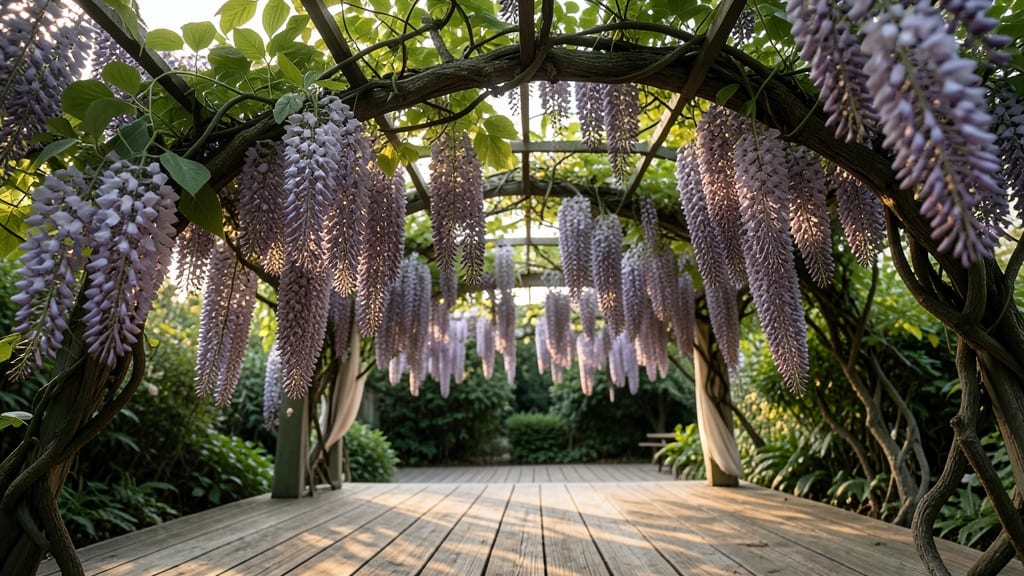
Struggling to find vines that thrive in shady spots? These 10 climbing plants not only survive but flourish in low-light conditions, perfect for adding lush greenery to north-facing walls, fences, or trellises without direct sunlight.
Boston Ivy for Structural Privacy Screens
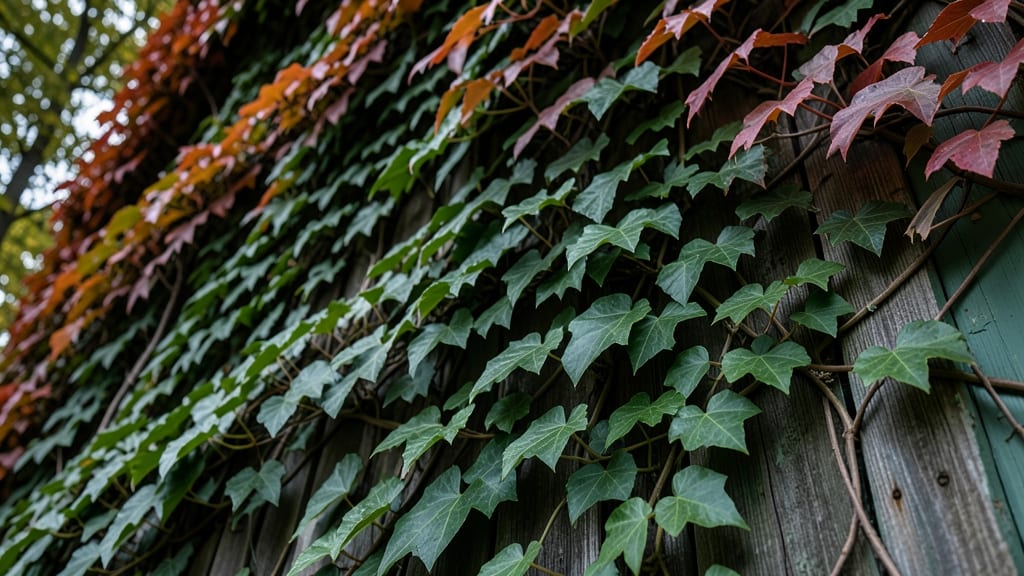
If you're looking to transform a deep shade wall or fence into a stunning privacy screen without the fuss of full-sun plants, Boston ivy is your secret weapon. This vigorous vine thrives in conditions where many others fail, offering year-round greenery that bursts into fiery red hues by autumn.
Plant Parthenocissus tricuspidata along a sturdy trellis, fence, or brick wall—it clings naturally using small adhesive pads on its leaves, eliminating the need for ties. While it prefers partial to full shade, it tolerates 3-6 hours of morning sun and handles urban pollution better than most vines. Water moderately after planting, then let the soil dry slightly between waterings to prevent root rot.
Perfect for urban gardeners or anyone with north-facing walls, Boston ivy delivers instant privacy while adding seasonal drama. Its low-maintenance nature makes it ideal for beginners or busy homeowners craving impact without effort. 🌟
English Ivy for Year-Round Coverage
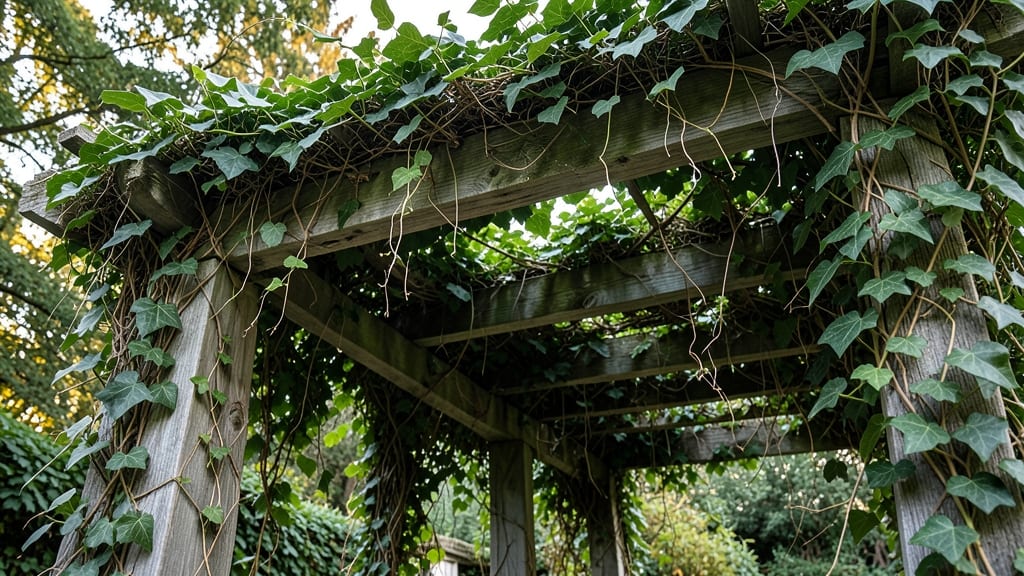
Tired of bare trellises or pergolas in shady spots? English ivy (Hedera helix) is the unsung hero of low-light gardens, offering year-round coverage even where sunlight barely reaches.
This hardy evergreen vine thrives in deep shade and clings gracefully to structures using aerial rootlets, creating a dense, velvety green curtain. Unlike seasonal climbers, it stays lush through winter, making it ideal for arbors, fences, or walls that need permanent greenery. Just ensure the support structure is sturdy—its weight can be substantial over time. Prune lightly in spring to maintain shape and encourage bushier growth.
Perfect for gardeners with shady patios or woodland gardens, English ivy transforms dull spaces into evergreen focal points with minimal effort. 🌿
Clematis Montana for Fragrant Shade Climbs
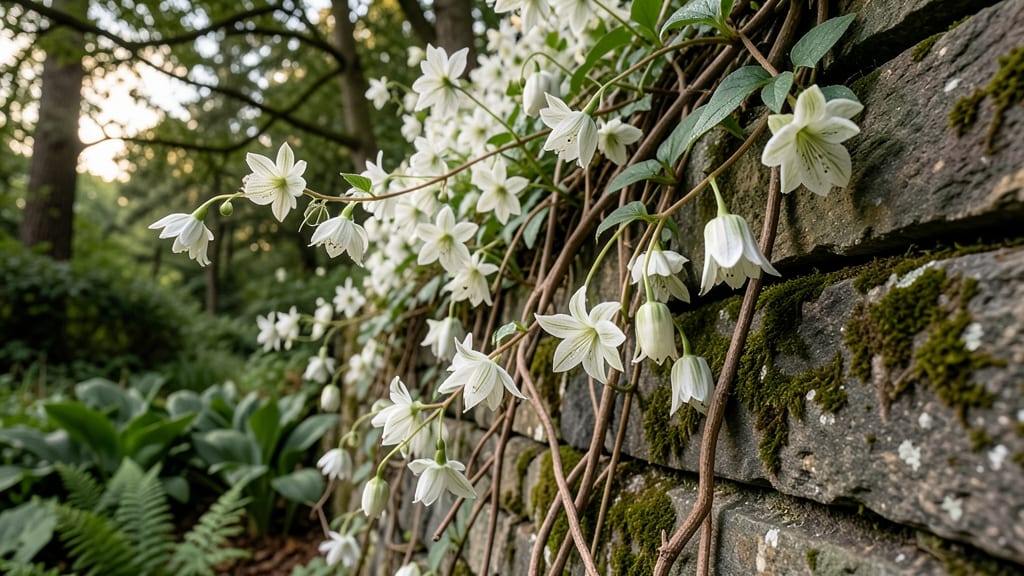
If you crave a fragrant spring display without battling full sun, Clematis montana delivers with its delicate white blooms and woody resilience. Unlike sun-loving varieties, this vine thrives in partial shade, making it perfect for north-facing walls or woodland garden edges where other climbers struggle.
Plant it near a sturdy trellis or fence—its spring-blooming flowers (April-May) release a sweet, honey-like scent that fills shady corners. Prune lightly after flowering to maintain shape, and avoid overwatering; this vine prefers moist but well-drained soil. The evergreen foliage provides year-round structure, even when flowers fade.
Ideal for gardeners who want low-maintenance elegance, Clematis montana transforms dull walls into romantic vertical gardens with minimal effort. 🌿
Star Jasmine for Sweet-Scented Shade Gardens
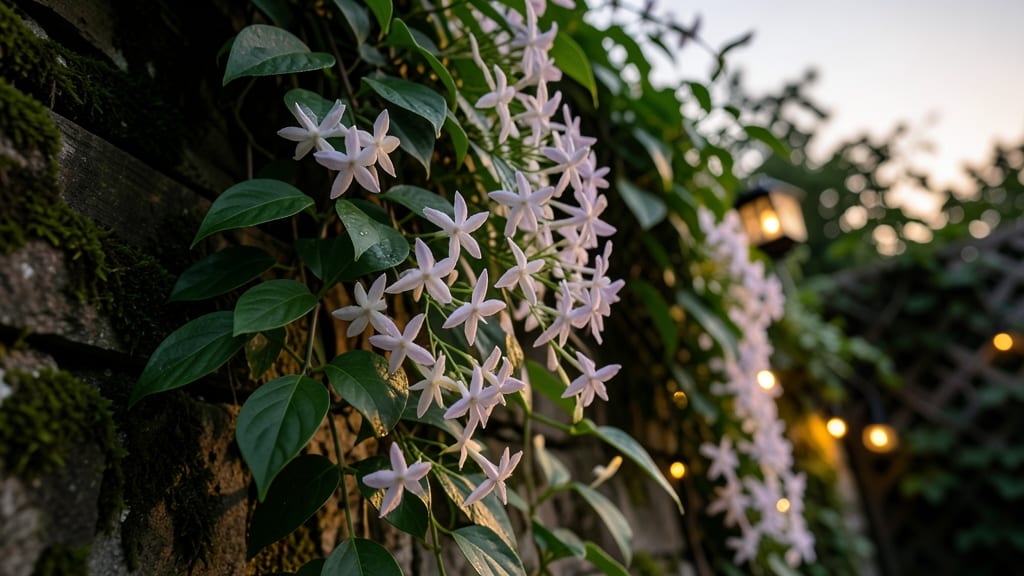
Transform your evening garden into a fragrant sanctuary with star jasmine (Trachelospermum jasminoides), a shade-loving climber that delivers intoxicating jasmine-scented blooms without demanding full sun. Unlike sun-hungry vines, this evergreen beauty thrives in partial shade, making it ideal for patios, arbors, or trellises where direct sunlight is limited.
Plant it near seating areas or walkways to enjoy its sweet, night-blooming fragrance—perfect for summer evenings. Provide a sturdy trellis or fence for support, as its woody stems can reach 10-15 feet with proper training. Water moderately, keeping soil evenly moist but well-drained, and prune lightly after flowering to encourage bushier growth. This low-maintenance vine rewards you with year-round greenery and seasonal blooms.
Star jasmine is a game-changer for gardeners who love scent but lack sunny spots—ideal for urban balconies, shaded courtyards, or woodland-edge gardens. 🌿
Honeysuckle for Hummingbird-Friendly Shade
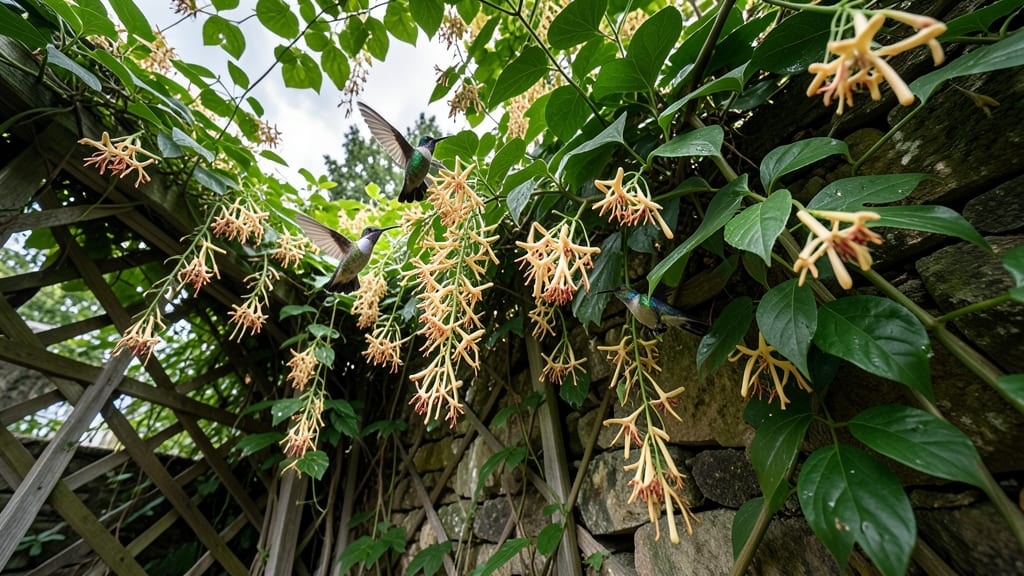
Transform your shady garden corner into a hummingbird hotspot with honeysuckle, a semi-evergreen vine that thrives where others fail. Its tubular, fragrant flowers are irresistible to pollinators, while its glossy foliage adds lush vertical texture—even in partial shade.
This hardy climber adapts to 3–6 hours of sunlight daily, making it ideal for north-facing walls or trellises. Plant it near seating areas to enjoy the sweet scent and watch hummingbirds hover. Prune lightly after blooming to encourage bushier growth and more flowers next season.
Perfect for urban gardeners or wildlife enthusiasts, honeysuckle brings life to forgotten shady spots while requiring minimal care. 🌱
Climbing Hydrangea for Bold Shade Foliage
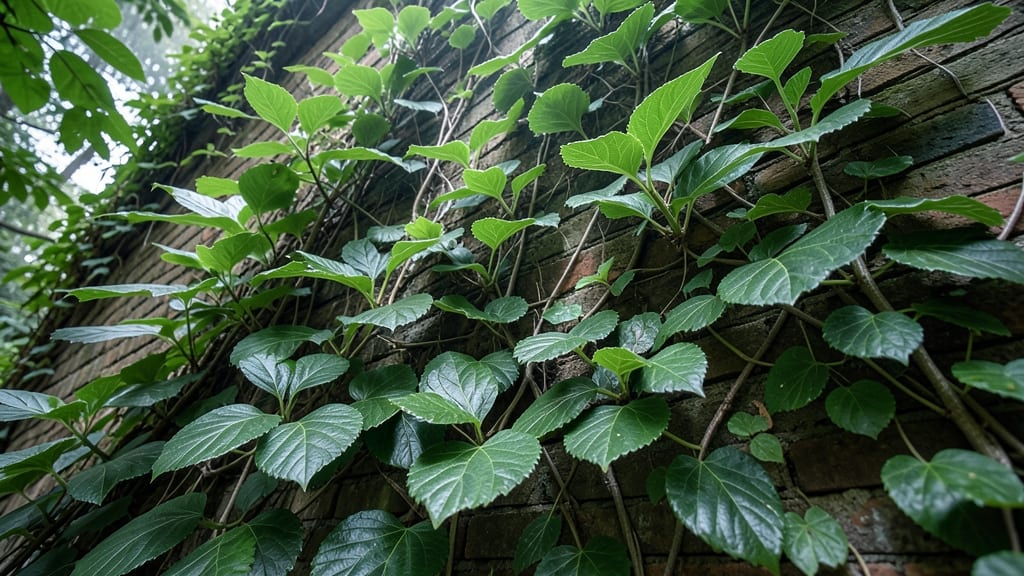
Transform your north-facing walls into a lush tropical retreat with climbing hydrangea, a deciduous vine that thrives in partial shade. Its large, heart-shaped leaves create a dramatic, almost rainforest-like backdrop that’s perfect for adding vertical interest where sunlight is scarce.
This vine tolerates 3-6 hours of morning sun or dappled shade, making it ideal for covered patios or shady corners. Prune in late winter to encourage bushier growth and larger leaves, and provide a sturdy trellis or arbor for support—its leaves can reach 6-12 inches wide, creating a bold, textured display.
Urban gardeners and those with limited sun will love how this vine softens harsh walls while requiring minimal care. Just ensure well-draining soil and occasional watering during dry spells. 💚
Passionflower Vine for Exotic Shade Drama
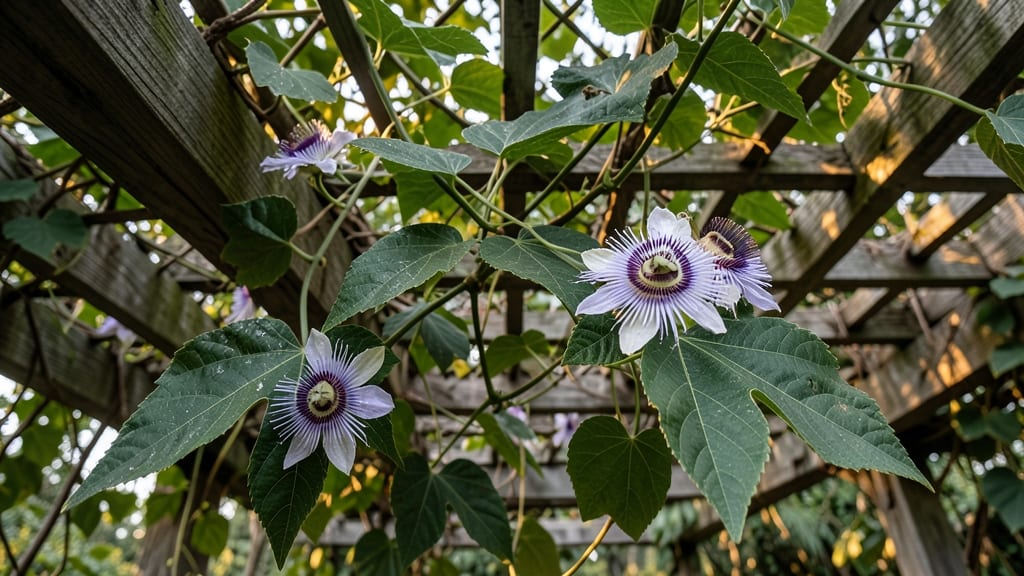
Want to add a touch of exotic drama to your shaded pergola or arbor without sacrificing those dappled-light spots? Passionflower vine (Passiflora spp.) delivers with its intricate, tropical blooms that thrive in partial shade—where many other climbers would struggle.
This hardy vine tolerates 3-6 hours of filtered sunlight daily, making it perfect for north-facing structures or woodland gardens. Its vibrant purple flowers (with mesmerizing inner filaments) attract hummingbirds and butterflies, while its textured, lobed leaves add architectural interest. Train it on a sturdy trellis or arbor, and water moderately—keeping soil consistently moist but well-drained—to encourage vigorous growth. Deadhead spent blooms to prolong flowering.
Ideal for gardeners craving bold, conversation-starting foliage without full-sun demands, passionflower vine turns shady corners into lush, exotic retreats. 🌷
Virginia Creeper for Red Leaf Contrast
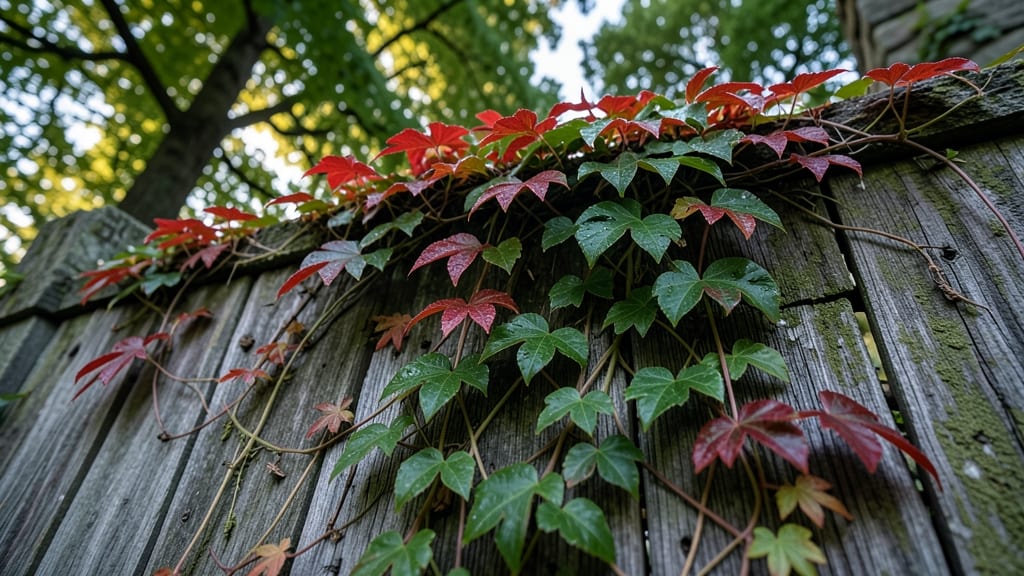
Looking for a native vine that turns your shady fence or wall into a fiery autumn masterpiece? Virginia creeper (Parthenocissus quinquefolia) is the answer—this fast-growing climber thrives in deep shade while delivering stunning red foliage that outshines most sun-loving plants in fall.
Unlike other shade vines, Virginia creeper covers large areas quickly (up to 30 feet per year) using small adhesive pads on its leaves, so no ties or trellis hooks are needed. It tolerates full shade to partial sun, making it ideal for north-facing walls, chain-link fences, or dense woodland edges. Water moderately after planting, then let nature take over—this drought-tolerant vine needs little care once established.
Perfect for eco-conscious gardeners or those with limited sunlight, Virginia creeper adds seasonal drama while supporting local wildlife. Its non-invasive roots make it a great alternative to invasive species like English ivy. 🌻
Sweet Pea Vines for Edible Shade Trellises
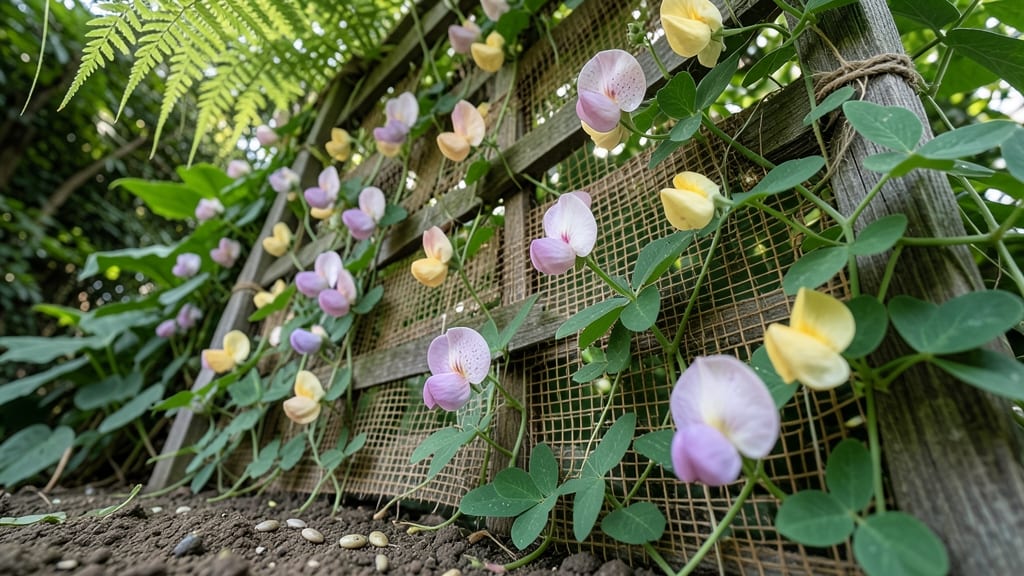
Want to grow something beautiful and edible in your shady vertical garden? Sweet pea vines are the perfect solution—these fast-growing annuals thrive in partial shade while producing fragrant, edible blooms that add color and flavor to your space.
Plant Lathyrus odoratus seeds directly in well-draining soil near a trellis or fence, where they’ll climb 5-8 feet in just 60-90 days. Their delicate flowers come in shades of purple, pink, and white, and both petals and buds are edible—perfect for garnishes or teas. Water consistently to keep soil moist (but not soggy), and pinch back tips to encourage bushier growth. These vines self-seed readily, so you’ll get more blooms each year with minimal effort.
Ideal for cottage gardens, urban balconies, or containers, sweet peas bring a romantic touch to shady spots while rewarding you with both beauty and bounty. 🌻
Wisteria for Dramatic Shade Canopies

Craving a romantic, dreamy atmosphere over your patio or deck? Wisteria isn’t just for sunny gardens—its cascading lavender flower clusters thrive in partial shade, creating lush, fragrant canopies where other vines fail. Unlike sun-loving varieties, wisteria adapts beautifully to 3-6 hours of dappled light daily, making it perfect for covered porches or north-facing arbors.
Choose Wisteria sinensis or Wisteria floribunda for reliable shade performance, and train it on a sturdy arbor or pergola. Prune in late winter to shape growth and encourage more blooms, and mulch to retain moisture—this vine prefers consistently damp (but not soggy) soil. The spring blooms (April-May) will perfume your space with their sweet, intoxicating fragrance, while the lush foliage provides year-round shade.
Ideal for gardeners who want dramatic, low-maintenance beauty without full sun, wisteria transforms shady outdoor spaces into enchanting retreats. Perfect for weddings, garden parties, or simply enjoying a quiet afternoon under its fragrant boughs. ✨