
Flowers
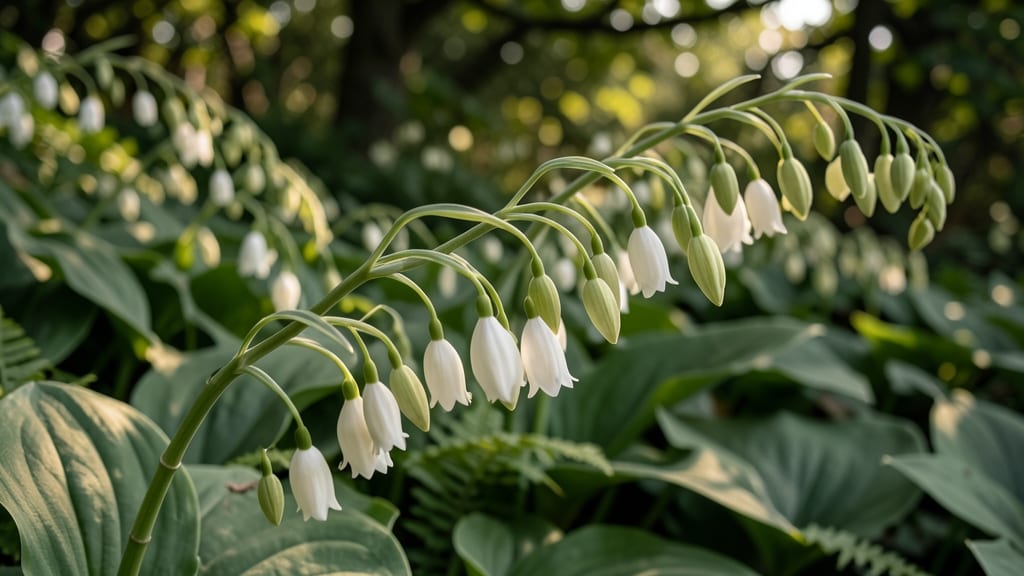
Struggling to keep your shady garden vibrant? These 10 hardy perennial shade flowers thrive in Zone 6’s low-light conditions, offering bold blooms, minimal maintenance, and year-round interest—even in the darkest corners of your yard.
Bleeding Heart Plant for Delicate Seasonal Drama
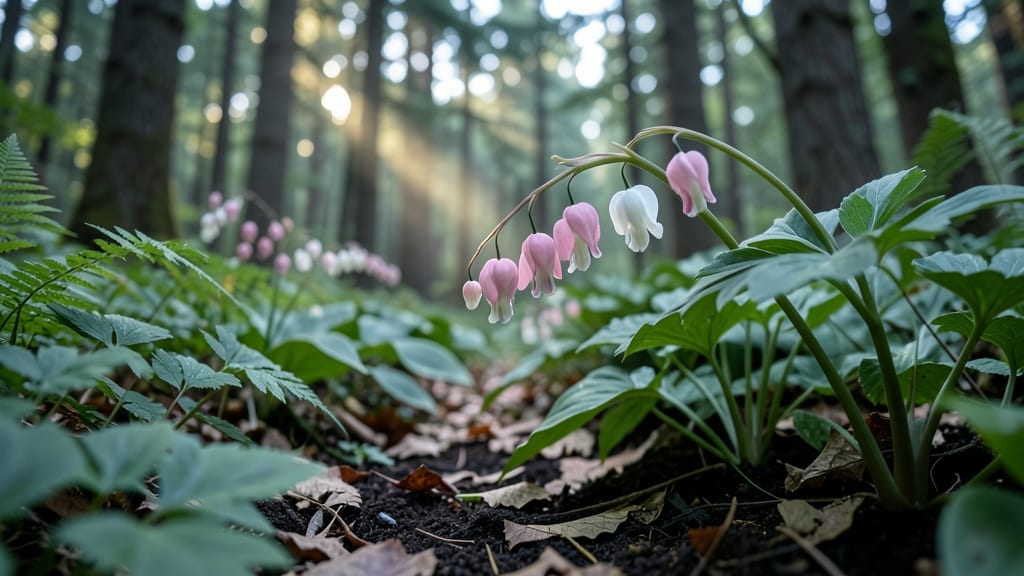
Transform your shady woodland garden into a springtime dream with bleeding heart (Dicentra spectabilis), a perennial that delivers heart-shaped blooms in soft pinks and whites. This classic shade lover thrives in dappled light, making it perfect for understory plantings where ferns and hostas already flourish.
Plant in well-draining, moist but not soggy soil enriched with compost, and expect blooms from late spring through early summer. Deadhead spent flowers to encourage a second flush, and divide clumps every 3-4 years to maintain vigor. The delicate foliage provides lush texture even after blooms fade.
Ideal for gardeners who love romantic, cottage-style gardens, bleeding heart pairs beautifully with Japanese painted ferns and hostas for a layered, woodland-inspired look. Just be mindful—deer and rabbits adore it! 🌷
Hosta Varieties with Stunning Variegated Leaves
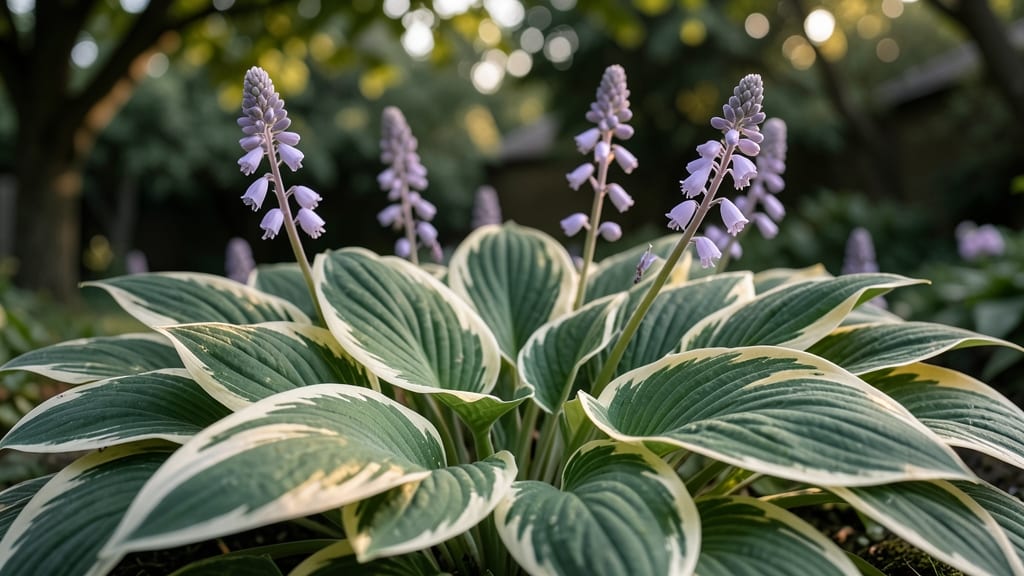
If you love hostas but wish they offered more than just stunning foliage, variegated varieties like 'Blue Angel' and 'Francee' deliver a double surprise: their striking cream-and-green leaves and delicate lavender flower spikes in summer. Unlike their solid-leaf cousins, these varieties pack extra visual punch while thriving in partial to full shade.
The secret to their success lies in their adaptability—plant them in well-draining, moist but not soggy soil, and they’ll reward you with year-round interest, from their bold foliage in spring to their airy blooms that dance above the leaves. 'Blue Angel' even develops a subtle blue tint in its leaves, adding another layer of color. For best results, divide clumps every 3-4 years to maintain vigor.
These dual-purpose hostas are perfect for gardeners who want low-maintenance plants that do double duty as both foliage stars and late-summer bloomers. Pair them with ferns or bleeding hearts for a lush, layered shade garden. 🌟
Astilbe for Feathery Texture and Long-Lasting Blooms
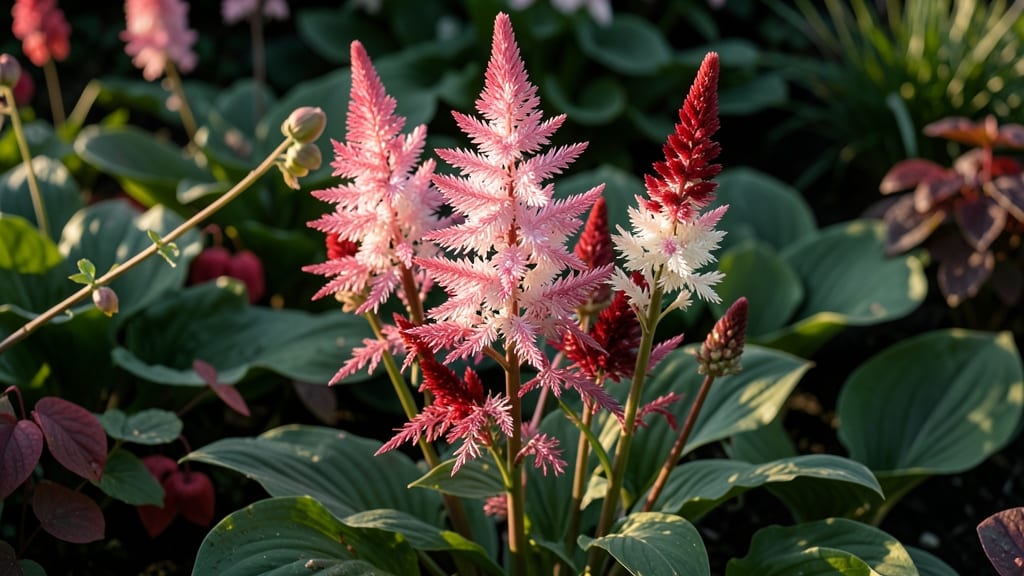
Tired of shade plants that fade after one bloom season? Astilbe is your secret weapon—its feathery plumes in pink, white, or red rebloom all summer long with almost no effort. Unlike hostas or bleeding hearts, astilbe delivers continuous color from early summer until frost, making it a standout for containers or borders.
This hardy perennial thrives in moist, well-draining soil and partial to full shade, tolerating Zone 6’s humidity and occasional drought once established. Deadhead spent blooms to encourage more flowers, and divide clumps every 3-4 years to keep them vigorous. Varieties like 'Fanal' (deep red) or 'Glut Game' (pink) add height (18-36 inches) and texture that pairs beautifully with ferns or hellebores.
Perfect for urban gardeners with limited space or beginners who want low-maintenance blooms, astilbe brightens shady spots without demanding constant attention. 🌻
Japanese Painted Fern for Year-Round Interest
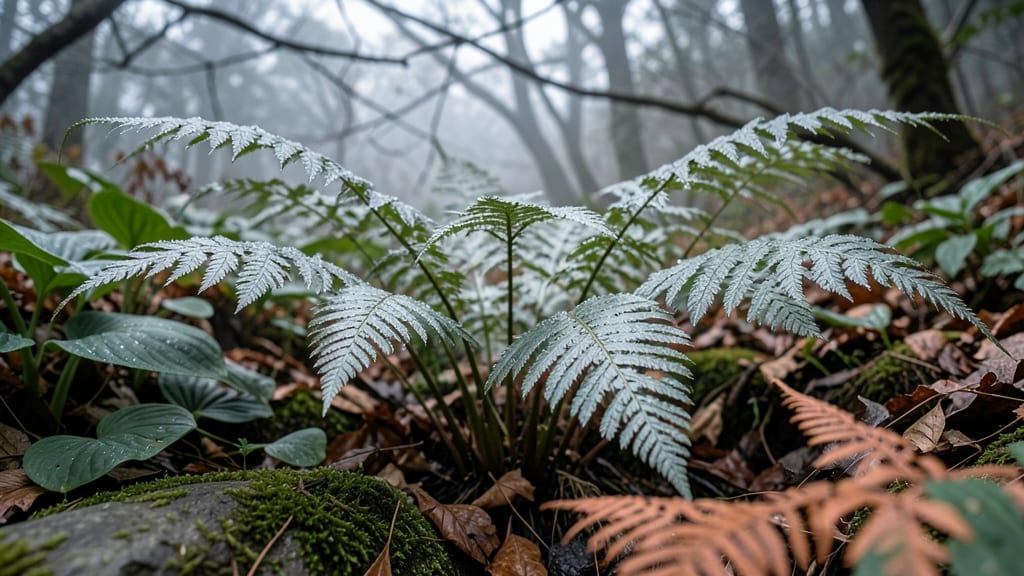
Tired of shade gardens that look dull after the first frost? The Japanese painted fern (Athyrium niponicum var. pictum) is your secret weapon—its silvery-green fronds stay stunning even when other plants fade, while fall brings a fiery coppery transformation that lasts through winter.
This low-maintenance perennial thrives in partial to full shade and tolerates a range of soil types, including clay or rocky ground. Water it regularly the first year to establish roots, then enjoy its drought-tolerant nature once mature. Plant it in clusters of 3-5 for maximum impact, and pair it with hostas or astilbe for a layered woodland effect.
Perfect for beginners, city gardeners with limited space, or anyone craving year-round texture, this fern adds structure without the fuss of flowering plants. 🌿
Foxglove with Towering Height and Whimsical Blooms
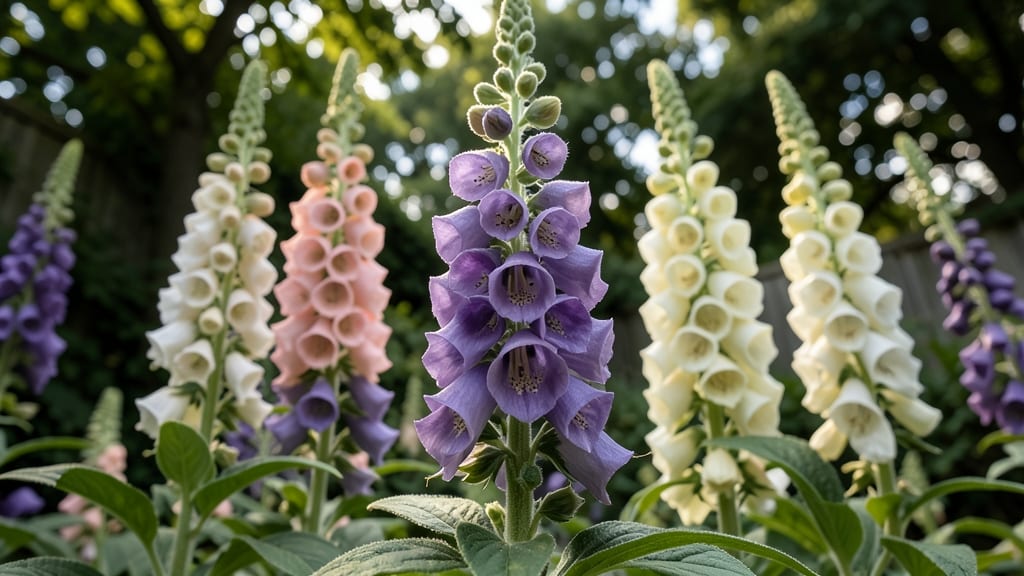
Looking for a dramatic vertical statement in your shade garden without the fuss of high-maintenance perennials? Foxglove (Digitalis purpurea) delivers towering spikes of bell-shaped blooms in shades of white, purple, or pink—perfect for cottage-style gardens where height meets whimsy.
Though technically biennial, foxglove self-seeds prolifically, ensuring your garden stays populated year after year. Plant seeds in partial shade to full shade with well-draining soil, and watch as 3-5 foot spikes emerge in their second year. The flowers attract bees and hummingbirds, making them a dual-purpose pollinator magnet. Deadhead spent blooms to encourage more flowers and prevent seed pods from forming too early.
This is the ideal choice for gardeners who love low-maintenance drama—especially those with shady borders or woodland gardens. Just be cautious if you have pets or small children, as foxglove is toxic if ingested. 🌷
Lungwort for Healing Properties and Unique Spots
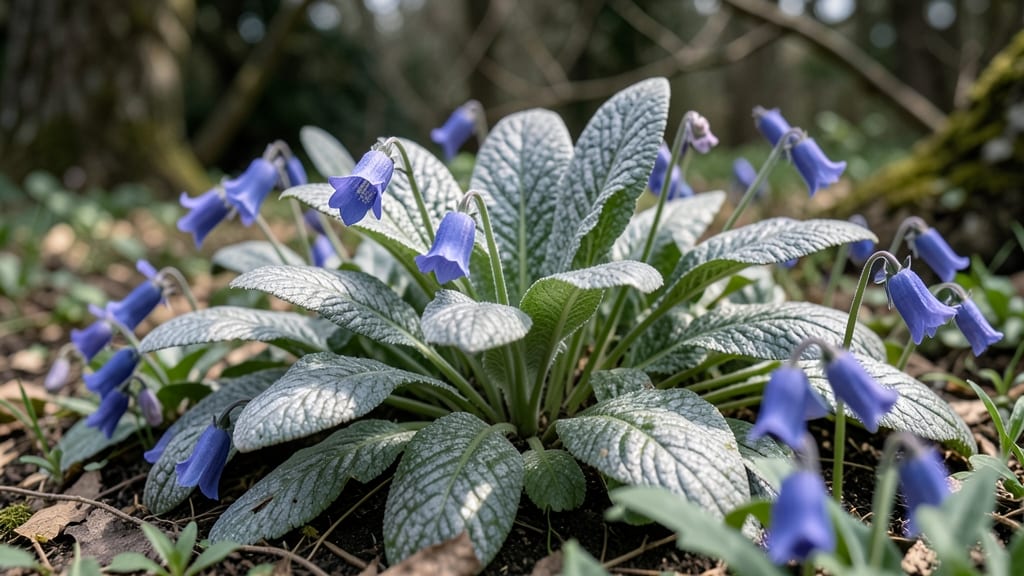
Looking for a shade-loving plant with healing history and hummingbird magnet appeal? Lungwort (Pulmonaria) delivers both with its striking silver-spotted leaves and early spring blooms in blue-purple hues. This old-world favorite was once used in herbal remedies for respiratory health—hence its name—and its unique foliage adds texture even when not in bloom.
Thriving in damp, shady conditions, lungwort is perfect for rain gardens or woodland edges where moisture lingers. Plant it in clusters for maximum impact, and enjoy its spring-to-early summer blooms that attract pollinators. Deadhead spent flowers to encourage foliage production, and watch as its leaves develop colorful spots as temperatures rise—a natural color show!
Ideal for gardeners who love multi-season interest and low-maintenance perennials, lungwort pairs beautifully with ferns and hostas. Its ability to thrive where others struggle makes it a standout for shady, moist spots that need a little extra drama. 💚
Coral Bells for Vibrant Foliage and Cascading Flowers
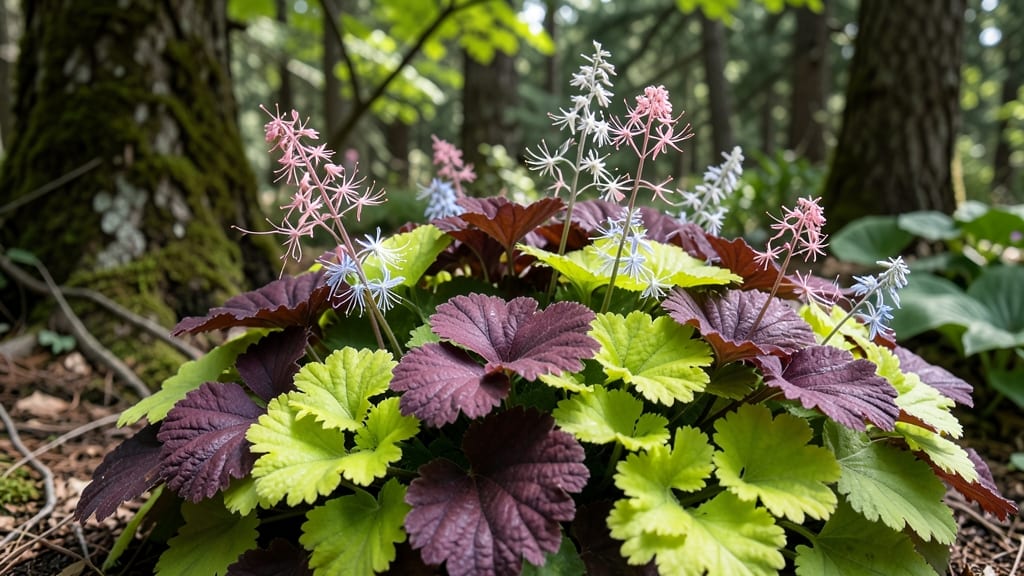
Looking for a shade-loving perennial that delivers year-round visual impact without requiring constant attention? Coral bells (Heuchera) are the secret weapon for vibrant foliage in purple, silver, or lime green, paired with delicate flowers that add movement from spring to fall.
These hardy plants thrive in partial to full shade and adapt to almost any well-draining soil, making them perfect for containers, borders, or woodland gardens. Varieties like 'Palace Purple' or 'Lime Rickey' offer bold leaf colors that contrast beautifully with white or pink flower spikes. Prune spent blooms in early summer to encourage a second flush, and watch them rebound with minimal effort.
Ideal for modern gardens, urban spaces, or beginners craving low-maintenance color, coral bells pair well with ferns or hostas for a layered, textured look. Their compact size (12-18 inches tall) makes them versatile for small gardens or containers. 💚
Toad Lily for Bold, Exotic Blooms in Deep Shade
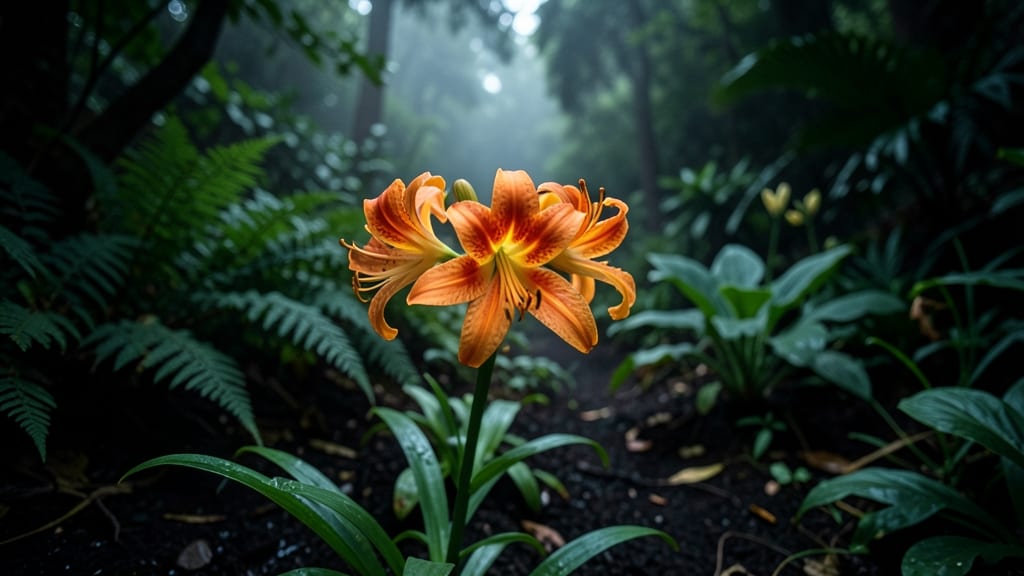
Want to turn your darkest garden corner into a vibrant focal point? Toad lily (Tritonia crocosmiiflora) delivers exotic, lily-like blooms in fiery orange and yellow that stand out against deep shade—where most plants refuse to thrive. This South African native isn't just dramatic; it's also one of the few perennials that actually prefers dry shade over moist conditions.
Plant bulbs in well-draining soil during early spring, spacing them 4-6 inches apart for a naturalistic look. The 2-foot-tall spikes emerge in late summer, blooming for 4-6 weeks before fading into decorative seed pods. Unlike moisture-loving shade plants, toad lilies tolerate dry soil once established, making them perfect for under pine trees or along north-facing foundations where water pools.
Perfect for gardeners who want high-impact drama with low fuss, these bulbs pair beautifully with ferns and hostas. Just be warned—deer and squirrels may nibble, so consider protective measures if pests are a problem in your area. 🌻
Sweet Woodruff for Fragrant Ground Cover
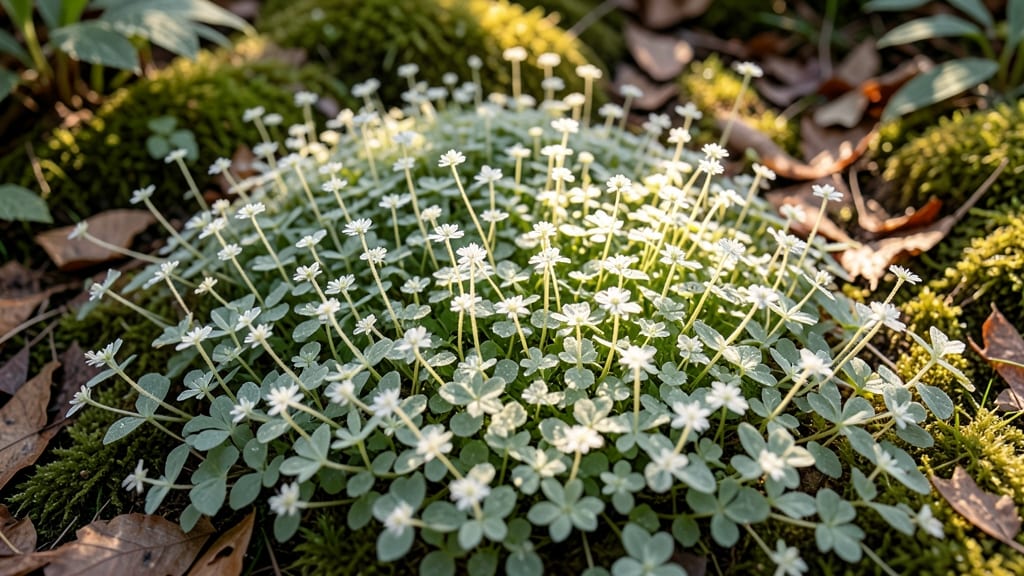
Want a ground cover that smells like a meadow after rain? Sweet woodruff (Galium odoratum) is your secret weapon—a delicate, fragrant plant that spreads gently while filling shady spots with a sweet hay-like scent when brushed against. Unlike invasive runners, it stays contained, making it perfect for pathways, borders, or under trees where other plants struggle.
This shade-loving perennial thrives in partial to full shade and well-draining soil, tolerating both dry and moist conditions once established. In spring, it produces tiny white flowers in clusters, followed by its signature fragrance that lingers even after drying. Simply mulch annually to suppress weeds and divide clumps every 4-5 years to keep it vigorous.
Ideal for gardeners who love sensory experiences, sweet woodruff adds a whimsical touch to cottage gardens or woodland edges. Pair it with hostas or ferns for a fragrant, low-maintenance shade combo. 🌿
Solomon’s Seal for Arching Stems and Graceful Growth

Want to add elegance and movement to your shade garden without the fuss of high-maintenance plants? Solomon’s seal (Polygonatum) delivers with its arching, polygonal stems and dangling white bell flowers that create a natural, flowing curtain effect. Unlike rigid shrubs or spiky perennials, its graceful habit softens borders and woodland edges while thriving in partial to full shade.
This hardy perennial produces spring-to-early summer blooms that attract pollinators, followed by edible blue-black berries that birds adore. Plant it in well-draining, moist soil enriched with compost, and watch its stems cascade elegantly over rocks or garden walls. Varieties like 'Alexander Great' reach 3-4 feet tall, while 'Blue Spire' stays shorter at 2-3 feet—perfect for layered planting. Divide clumps every 5-6 years to maintain vigor and encourage bushier growth.
Ideal for gardeners who love low-maintenance structure and seasonal interest, Solomon’s seal pairs beautifully with ferns, hostas, or bleeding hearts. Its ability to thrive in Zone 6’s shady conditions while adding height and texture makes it a standout for borders, woodland gardens, or even container plantings. 🌿