
Pests and Diseases
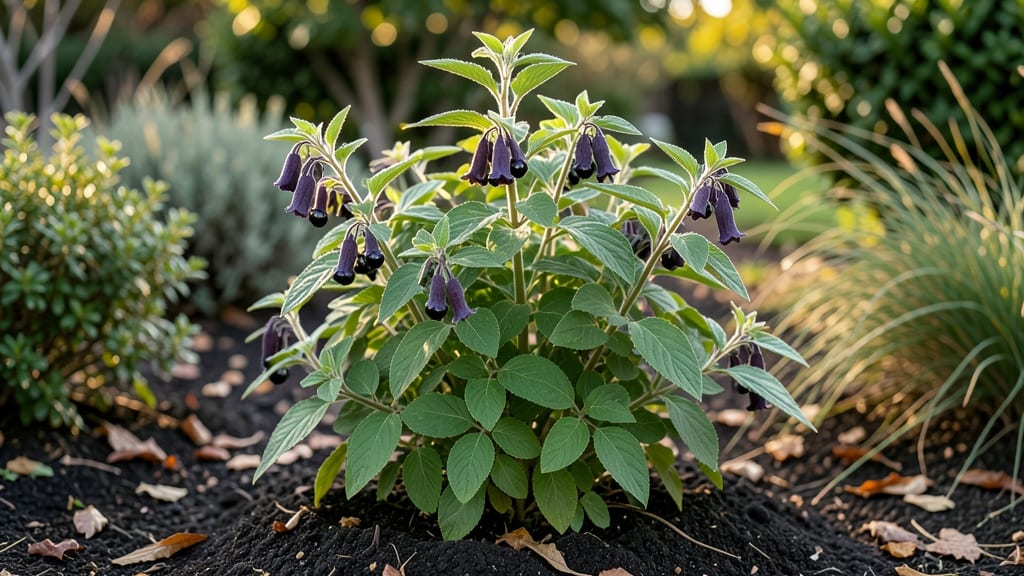
Spotting deadly nightshade in your garden could mean poison for your family. 🌿 This glossy, dark-leaved plant with bell-shaped purple flowers isn't just dangerous—it's deadly, containing toxins that cause hallucinations, paralysis, and even death. One bite of its shiny black berries, and you're facing a medical emergency.
Identifying it early is critical: smooth, oval leaves, clusters of dark purple flowers, and clusters of black berries are dead giveaways. The plant thrives in shaded, wooded areas but can sneak into gardens, especially near compost piles or disturbed soil.
If you suspect you've found it, don't touch it—call local authorities or poison control immediately.
Accidental exposure happens more often than you'd think—children mistake the berries for cherries, and pets might nibble on fallen leaves. Symptoms include dilated pupils, dizziness, and difficulty speaking, which can escalate to seizures or coma within hours.
Keep children and pets away from any suspicious plants until a professional confirms it's safe.
If you're unsure whether a plant in your yard is deadly nightshade, take a photo from a distance and consult a local botanist or extension office. Removing it yourself is risky—wear gloves, seal the plant in a bag, and dispose of it properly.
Your family's safety isn't worth the gamble of growing this plant, no matter how tempting it looks.
📚 In This Guide
- What you need
- Instructions
- Tips and common mistakes
- Wrapping up and next steps
What you need
- ● Gloves (nitrile or latex) – Thick, long-lasting gloves to protect your skin from sap and potential toxins.
- ● Hand lens (magnifying glass, 10x magnification) – For closely inspecting leaf veins, flower structure, and seed details.
- ● Field guide or plant identification app – Recommended: iNaturalist, PlantNet, or a physical guidebook (e.g., "The Sill Field Guide to Eastern/Central North American Wildflowers").
- ● Notebook and pen – To record observations like plant height, leaf shape, and location.
- ● Camera or smartphone – Capture high-resolution images of leaves, flowers, stems, and seeds for comparison.
- ● Small trowel or pruners – For safely collecting non-toxic plant samples (if needed for further ID). ⚠️ Do NOT handle deadly nightshade directly!
- ● Disinfectant wipes – To clean tools and hands after handling suspicious plants.
- ● Plastic bags or containers – For securely storing samples (if transporting to an expert).
- ● GPS device or phone app – To log exact locations for future reference or reporting.
- ● UV flashlight – Some toxic plants fluoresce under UV light (though deadly nightshade may not).
- ● Pest control spray (for non-toxic plants) – If you’re also dealing with garden pests near the suspected area.
- ● First-aid kit – Just in case of accidental exposure (though deadly nightshade is rarely fatal if handled properly).
How to identify deadly nightshade in your garden
Learning to spot this toxic plant keeps your family and pets safe—here's what to watch for.
🌿 Step 1: Examine Leaf Shape and Arrangement
Deadly nightshade leaves are oval with pointed tips and grow in pairs along the stem. They're typically 2-4 inches long with a smooth, slightly glossy surface. Hold a leaf up to light—you'll notice prominent veins that branch out like a tree. Compare it to your safe nightshade plants like tomatoes or peppers—their leaves are usually more jagged or hairy.
This plant thrives in partial shade to full sun, often growing as a low shrub or climbing vine. Look for it near fences, along forest edges, or in disturbed soil where seeds have taken root. The leaves emerge purple-tinged before turning deep green, which is a key early identifier.
🌸 Step 2: Check for Distinctive Flowers
When in bloom, deadly nightshade produces bell-shaped purple flowers that hang downward in clusters. Each flower is about 1 inch wide with five pointed petal lobes. The flowers appear in late spring to summer and have a faint, unpleasant scent that's different from the sweet fragrance of edible nightshades.
Here's the thing—these flowers are stunningly beautiful, which is why people often mistake them for ornamental plants. But don't be fooled by their charm. The flowers grow directly from the leaf axils (where leaf stems meet the main stem), not at the tips of branches like many safe garden plants.
🍇 Step 3: Identify the Deadly Berries
The most dangerous part of deadly nightshade is its bright red, cherry-like berries that appear in late summer. These berries are about ½ inch in diameter and contain multiple seeds. They start green, then turn yellow before ripening to their distinctive red color. This is your critical warning sign—never let children or pets near these berries.
Even a single berry can be fatal if ingested. The berries stay on the plant through winter unless birds eat them, so check your garden regularly during all seasons. If you see these red orbs, assume danger until confirmed otherwise by a professional.
✂️ Step 4: Verify with Stem and Root Inspection
Deadly nightshade has a slightly square stem with a woody base that turns brown with age. The stems are usually hairless and can grow up to 3 feet tall. When you break a stem, you'll notice a white, milky sap that's different from the green sap of edible nightshades.
Dig carefully around the base to check the roots. Deadly nightshade develops a thick, tuberous root system that stores toxins. If you're unsure, take a clear photo of the entire plant (leaves, flowers, berries, and roots) and consult your local cooperative extension service for verification.
🚨 Step 5: Take Immediate Action if Identified
If you confirm deadly nightshade in your garden, wear gloves and carefully remove the entire plant, including roots. Place it in a sealed plastic bag and dispose of it in your trash—not compost. Wash your hands thoroughly with soap and water after handling, even if you wore gloves.
I know it seems extreme, but this plant is deadly serious. Teach children and pets to avoid the area, and consider installing a fence if the plant grows near play areas. Document the location with photos so you can monitor for regrowth, as this plant can spread through seeds and roots.
Tips & tricks for spotting toxic plants in your garden
Even experienced gardeners can miss subtle signs—here's how to sharpen your toxic plant detection skills.
Leaf Comparison is Key: When examining leaves in Step 1, focus on the vein pattern—deadly nightshade's veins branch like a tree, while edible plants often have jagged edges. I keep a small magnifying glass handy for close inspection, especially when comparing to similar-looking plants like tomatoes. The purple-tinged new growth is your first red flag in spring, so check young leaves first.
Seasonal Timing Matters: The late spring to summer flower phase (Step 2) is when misidentification happens most often. I've seen gardeners mistake these bell-shaped purple blooms for ornamental plants—always check the leaf axils where the flowers grow. The unpleasant scent is another clue many overlook, especially when the flowers are just opening.
Berries Are the Most Dangerous Phase: In Step 3, remember these berries stay toxic even after frost. I've found them on plants that looked completely dead—always check thoroughly before assuming a plant is safe. The ½-inch diameter is about the size of a large grape, making them easy to mistake for edible fruit. Keep a small ruler in your gardening kit to verify sizes when in doubt.
Root Verification Saves Lives: The tuberous roots in Step 4 are where toxins concentrate most heavily. I've seen gardeners pull plants thinking they've removed the whole thing, only to find new shoots sprouting weeks later. Dig at least 6 inches deep around the base—this plant's roots can spread horizontally beyond where the stems appear.
Pro Tips for The Deadly Nightshade
- Even experienced gardeners can miss subtle signs—here's how to sharpen your toxic plant detection skills.
- Leaf Comparison is Key: When examining leaves in Step 1, focus on the vein pattern—deadly nightshade's veins branch like a tree, while edible plants often have jagged edges.
- Seasonal Timing Matters: The late spring to summer flower phase (Step 2) is when misidentification happens most often.
Frequently asked questions
Got questions about deadly nightshade (Atropa belladonna)?
Here are some of the most common concerns gardeners and plant enthusiasts have when encountering this toxic beauty. Whether you're worried about safety, identification, or removal, we’ve got you covered!
What does deadly nightshade look like, and how can I tell it apart from edible plants?
Deadly nightshade (Atropa belladonna) resembles some edible nightshades like potatoes or tomatoes but has key differences. Its bell-shaped purple flowers (sometimes white or greenish) and glossy black berries are dead giveaways. Leaves are oval, smooth, and grow alternately on stems—unlike potatoes, which have broad, hairy leaves. Never ingest any part of this plant; even small amounts can be fatal.
Is deadly nightshade common in home gardens, and where does it grow?
While not as widespread as weeds like dandelions, deadly nightshade can pop up in wooded areas, hedgerows, and disturbed soils, especially in temperate climates (USDA zones 4–9). It thrives in partial shade to full sun and prefers well-drained soil. If you spot it near tomato or potato plants, act fast—it can cross-contaminate soil and spread via seeds or root fragments.
How poisonous is deadly nightshade, and what are the symptoms of ingestion?
Deadly nightshade contains atropine and scopolamine, toxins that can cause hallucinations, dilated pupils, rapid heartbeat, and even death in severe cases. Symptoms appear within 30 minutes to 2 hours and include dry mouth, confusion, and paralysis. Children and pets are at highest risk—keep them away from the plant, and call Poison Control immediately if exposure occurs.
How do I safely remove deadly nightshade from my garden?
Wear gloves and long sleeves when handling the plant to avoid skin contact. Dig out the entire root system (even small fragments can regrow) and double-bag the plant for disposal in household trash—never compost it. For stubborn patches, smother with cardboard and mulch or use a vinegar-based herbicide (test on a small area first). Monitor the area for regrowth.
Are there any non-toxic alternatives to deadly nightshade for ornamental gardens?
If you love the deadly nightshade’s dramatic look but want a safer option, try these non-toxic doppelgängers:
- Angel’s Trumpet (Brugmansia) – Fragrant, bell-shaped flowers (but still toxic; keep away from pets/kids).
- Petunia or Snapdragon – Bright, long-blooming flowers with zero toxicity.
- Black Mondo Grass (Ophiopogon planiscapus 'Nigrescens') – Adds dark foliage without danger.
- Datura (Jimsonweed) – Also toxic! Avoid unless you’re experienced with its risks.
Wrapping up and next steps
Deadly nightshade may sound intimidating, but with the right knowledge, you can confidently identify and avoid this toxic plant in your garden. Remember, its bell-shaped flowers, shiny black berries, and purple-tinged leaves are key clues—never touch or ingest it! 🚨
Now that you’re armed with this guide, take the next step: share these tips with fellow gardeners or explore safe alternatives for your landscape. Stay curious, stay safe, and keep your green space thriving! 🌱