
Light Requirements
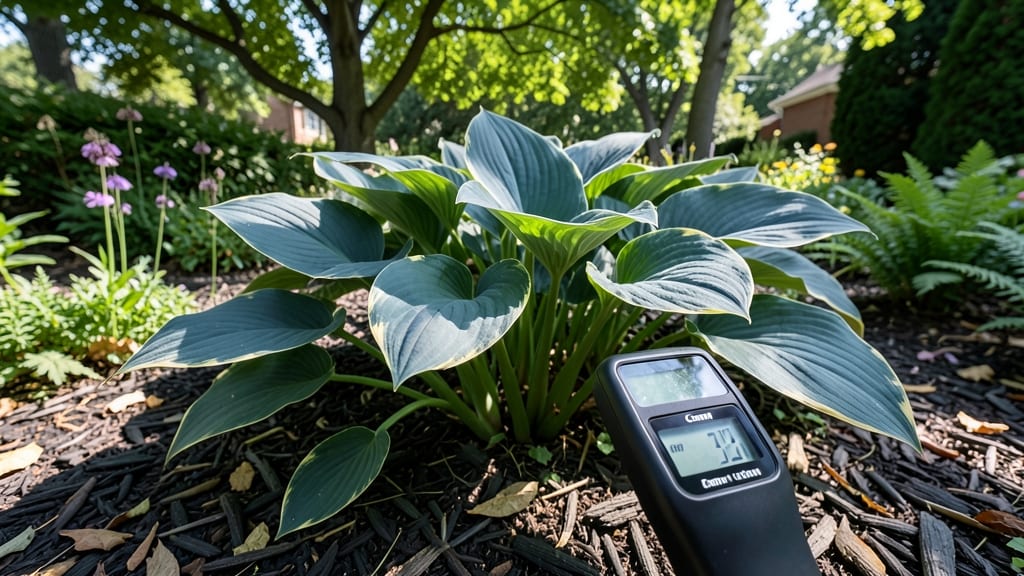
Partial shade isn't just about counting sunlight hours—it's about light quality too. Plants in this range benefit from morning sun (cooler, less intense) and afternoon shade, which prevents leaf scorch. 🌿 The 3–6 hour window works because it mimics natural forest understory conditions where light dapples through leaves.
For example, hostas and ferns flourish here, while sun-loving plants like tomatoes would struggle. Urban gardeners often overestimate shade—check your space at different times of day, as nearby buildings or trees can drastically alter light exposure.
What's interesting is how seasonal changes affect this. In summer, 3 hours of morning sun might feel like partial shade, but in winter, the same spot could get 6 hours of direct light due to the sun's lower angle.
This is why many gardeners adjust plant placement twice a year. For container gardens, rotate pots every few weeks to ensure even light distribution—this prevents one-sided growth and keeps foliage lush.
💡 In This Article
- Understanding Partial Shade Light Requirements for Plants
- Best Plants for Partial Shade Gardens and Light Exposure Tips
Understanding partial shade light requirements for plants
Partial shade isn't just about time—it's about how sunlight interacts with plants at a cellular level. During those 3-6 hours of direct exposure, plants undergo photosynthesis at peak efficiency, producing energy through chlorophyll while avoiding the stress of full sun.
The remaining 12-15 hours of filtered light (around 30-50% of full sunlight intensity) provides just enough energy for growth without overheating leaves. This balance prevents photoinhibition, where excessive light damages chlorophyll.
The magic happens in how light angles change with seasons.
In summer, when the sun sits higher, those 3 hours of morning sun might feel like partial shade, but the same spot in winter could receive 6 hours of direct light due to the sun's lower trajectory. 🌿 This is why gardeners often see plants thriving in one season but struggling in another—what's partial shade in June might be full sun in December.
The spectral quality of filtered light also matters: trees scatter blue and red wavelengths (critical for photosynthesis) while allowing green light to pass through, creating that dappled effect.
Plants in partial shade develop unique adaptations. Their leaves often grow larger and thinner to maximize light capture, while their stems may elongate toward light sources—a process called etiolation.
Compare this to full-sun plants, which have thick, waxy leaves to reflect excess heat, or shade-loving plants with smaller, darker leaves to absorb every photon.
The 3-6 hour window creates a Goldilocks zone where plants don't need to invest energy in protective structures but still get enough light for vigorous growth.
What most people miss is how humidity and temperature interact with partial shade. Filtered light reduces heat stress, allowing plants to maintain optimal transpiration rates (water loss through leaves) without wilting.
In urban areas, nearby buildings can create microclimates where partial shade spots receive only 1-2 hours of direct sun due to reflections—this is why some "partial shade" plants fail when moved to gardens with 6+ hours of filtered light.
Always test your spot with a light meter or observe how nearby plants respond over a week.
Consider this real-world example: A hosta plant in a woodland garden might get 4 hours of morning sun and 8 hours of dappled light, thriving beautifully, while the same hosta in a container on a south-facing patio could receive 6 hours of direct afternoon sun and suffer leaf burn.
The difference? Light intensity—morning sun is cooler and less damaging than midday rays. This is why gardeners often recommend placing shade-loving plants on the north or east sides of structures.
For container gardeners, the 3-6 hour rule becomes even more critical. Pots heat up faster than soil, so a plant getting 5 hours of sun in ground beds might receive 7+ hours in containers due to reflected heat.
Use light-colored containers and self-watering systems to help regulate temperature. 💫 And remember: East-facing spots get gentle morning sun, while west-facing areas receive intense afternoon heat—always match your plants to the specific light pattern.