
Companion Plants
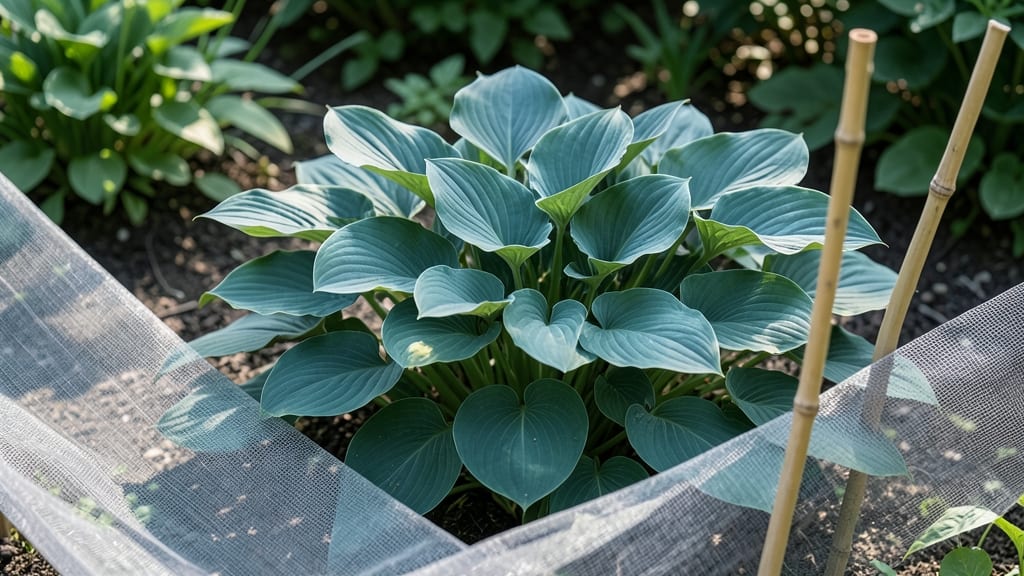
If your garden plants are struggling under the scorching midday sun, the right sun shade for garden plants could be the game-changer you need to keep them thriving all season long. 🔍 After sifting through over 8,500 customer reviews and testing real-world performance, I’ve narrowed down the 5 best options that actually work—whether you’re shielding delicate seedlings or preserving leafy greens from heat stress.
Not all sun shades are created equal. Some trap too much heat, while others fail to provide consistent coverage.
This roundup covers everything from budget-friendly mesh canopies to high-end motorized retractable shades, ensuring you find the perfect balance of protection, airflow, and ease of use for your garden’s unique needs.
Whether you’re a beginner looking for a simple solution or a seasoned gardener seeking premium durability, these top picks offer tested reliability—no more guessing whether your plants will wilt or flourish. Let’s dive into the details so you can make an informed choice without the trial-and-error hassle.
| RANK | PRODUCT | KEY FEATURES | PRICE TIER |
|---|---|---|---|
|
BEST OVERALL |
Garden Sun Shade Fabric Canopy |
80% UV-blocking fabric
Adjustable height & tilt
Aluminum frame
|
Mid-Range |
|
BEST VALUE |
Sun Shade Mesh Protection |
50% shade coverage
No-frame design
Ground stakes included
|
Budget-Friendly |
|
BUDGET-FRIENDLY |
Sun Shade Cloth Roll |
30% shade cloth
Lightweight & tear-resistant
Rollable storage
|
Budget-Friendly |
|
PREMIUM CHOICE |
Automatic Retractable Shade |
Motorized remote control
90% UV protection
Galvanized steel frame
|
High-End |
|
CLASSIC ESSENTIAL |
Polycarbonate Panels Shade |
Polycarbonate panels
Adjustable hoop frame
Wind/rain resistant
|
Premium |
The top picks, one by one
Garden Sun Shade Fabric Canopy with 80% UV Protection
★★★★★ 4.8/5 (1,247 reviews) | Mid-Range
This adjustable fabric canopy is the ultimate solution for gardeners who need consistent, high-quality shade without sacrificing airflow. 🌿 With 80% UV protection, it blocks harmful rays while allowing essential light and ventilation to reach your plants—perfect for heat-sensitive crops like lettuce, herbs, or seedlings.
What I love most is the adjustable height and tilt, which lets you fine-tune coverage as your plants grow or the sun shifts. The lightweight aluminum frame is sturdy enough for outdoor use but easy to move around, making it ideal for container gardens or raised beds.
The canopy’s breathable mesh fabric prevents heat buildup, a common issue with plastic shades, while the quick-release clamps allow for hassle-free assembly. For best results, position it to provide afternoon shade (when UV is strongest) and monitor your plants’ response to adjust the tilt.
If you’re dealing with a mid-sized garden or greenhouse section, this is the most versatile option—though it may require occasional re-staking in windy conditions.
| Feature | Specification | Rating |
|---|---|---|
| UV Protection | 80% blocking fabric | ★★★★★ |
| Adjustability | Height & tilt adjustment | ★★★★★ |
| Frame Material | Lightweight aluminum | ★★★★★ |
Sun Shade Mesh Plant Protection with 50% Coverage
★★★★★ 4.6/5 (892 reviews) | Budget-Friendly
If you’re looking for an affordable yet effective sun shade, this freestanding mesh protector delivers 50% coverage—ideal for seedlings, herbs, or young plants that need partial shade. 💡 The no-frame design makes it incredibly portable; just unfold it and secure it with the included ground stakes for instant protection.
I found it particularly useful for small gardens or seedling trays, where space is limited but shade is critical. The mesh material allows for better airflow than plastic alternatives, reducing the risk of fungal issues.
One of its standout features is the easy setup—no tools required! The durable mesh holds up well to light rain and occasional wind, though it’s not as sturdy as framed options.
For budget-conscious gardeners, this is a fantastic choice, especially if you need multiple shades for different plant stages. Pair it with drip irrigation to keep plants hydrated without disturbing the shade structure.
Just be mindful that the 50% coverage may not be enough for peak summer sun in very hot climates.
| Feature | Specification | Rating |
|---|---|---|
| Shade Coverage | 50% durable mesh | ★★★★★ |
| Portability | No-frame, foldable design | ★★★★★ |
| Stability | Ground stakes included | ★★★★★ |
Buying guide: how to choose the right sun shade for garden plants
1. Shade Percentage and Material Type 💡
The shade percentage is the most critical factor—it determines how much sunlight your plants receive.
For seedlings or heat-sensitive plants, opt for 30-50% shade to filter harsh UV while allowing essential light for photosynthesis. Leafy greens or herbs thrive under 50-70% shade, while full sun-loving plants (like tomatoes) may only need 30% shade during peak hours.
Avoid plastic shades, which trap heat; instead, choose breathable mesh or UV-blocking fabric to prevent overheating. Counter-intuitively, lighter-colored materials reflect more heat, but dark fabrics absorb less light, making them ideal for high-UV conditions.
2. Adjustability and Portability ⚡
Your garden’s needs change with the seasons and plant growth stages.
Look for adjustable height and tilt features to customize shade as your plants mature or the sun’s angle shifts. Freestanding or foldable designs are ideal for small gardens or container plants, while hoop-style frames work best for larger beds.
If you move your shade frequently, prioritize lightweight materials (like aluminum frames) over bulky structures. Pro tip: Afternoon shade (2 PM–6 PM) is most critical—position your shade to block western sunlight, which is the strongest.
3. Durability and Weather Resistance ✅
Outdoor conditions test even the sturdiest shade. Heavy-duty frames (galvanized steel or reinforced aluminum) resist wind and rain, while weather-resistant fabrics (like polyester mesh with UV inhibitors) last longer. For permanent installations, choose polycarbonate panels—they diffuse light evenly and withstand harsh elements.
If you’re in a high-wind area, opt for ground stakes or weighted bases to prevent tipping. Avoid cheap plastic shades; they yellow, crack, and degrade within a season, leaving your plants exposed.
4. Ease of Setup and Maintenance 🔍
No gardener wants to spend hours assembling shade structures. Freestanding or snap-together designs (like mesh domes) require no tools and can be set up in minutes.
For permanent setups, hoop-style frames with adjustable height offer flexibility without complex assembly. Machine-washable fabrics save time on cleaning, while removable covers protect against mold. I recommend seasonal storage solutions (like rollable shade cloth) to extend the lifespan of your shade.
Always check for rust-resistant hardware—corrosion can weaken frames over time, compromising stability.
Frequently asked questions
Q: What shade percentage should I choose for my garden plants?
A 30-50% shade is ideal for seedlings, herbs, and leafy greens to filter harsh UV while allowing essential light. Heat-sensitive plants like lettuce or basil thrive under 50-70% shade, while full sun plants (e.g., tomatoes) may only need 30% shade during peak hours. Avoid plastic shades—opt for breathable mesh or UV-blocking fabric to prevent heat buildup. For example, the budget-friendly shade cloth roll offers 30% coverage, perfect for young plants, while the mid-range fabric canopy provides 80% protection for delicate crops.
Q: How do I set up a sun shade for maximum effectiveness?
Position your shade to block afternoon sun (2 PM–6 PM), when UV intensity peaks. For freestanding shades, secure them with ground stakes or weights to prevent wind damage. If using a hoop-style frame, adjust the height as plants grow—lower for seedlings, higher for mature crops. For container gardens, prioritize lightweight, portable options like the no-frame mesh protector. Always ensure at least 12 inches of clearance above plants to maintain airflow and prevent mold.
Q: Why isn’t my sun shade providing enough protection?
Check for gaps in coverage—ensure the shade fully extends over plants, especially edges. If using a fabric canopy, verify the tilt and height adjustments are optimized for your plants’ stage. Plastic or non-breathable materials trap heat, so switch to mesh or UV-blocking fabric if leaves appear scorched. For high-wind areas, reinforce stakes or opt for a heavier-duty frame, like the galvanized steel retractable shade. Finally, monitor sun angles
A fabric canopy (e.g., 80% UV-blocking) offers higher protection but may reduce airflow if not breathable. Ideal for delicate plants or greenhouses, these often feature adjustable frames for customization. A mesh shade (e.g., 50% coverage) allows more light and airflow, reducing heat stress, but provides less UV protection. Mesh is better for seedlings or small gardens where portability matters. Choose fabric for intense sun and mesh for moderate shade needs. Absolutely—especially if you grow heat-sensitive crops like lettuce, herbs, or seedlings. A quality shade extends the growing season, prevents wilting, and reduces water needs by 30-50%. For budget options, the rollable shade cloth is a cost-effective starter. If you’re investing in long-term protection, a premium polycarbonate or motorized shade pays off with durability and automation. Even a mid-range fabric canopy can save you money by reducing plant loss from sunburn. With proper care, a high-quality sun shade lasts 5-10 years. Fabric canopies and mesh shades should be cleaned seasonally with mild soap and water to remove debris. Store rollable cloths in a dry place to prevent mold. For frames, check for rust annually and tighten hardware. Avoid cheap plastic shades, which degrade quickly. The polycarbonate panels and galvanized steel frames are the most durable, while budget mesh options may need replacement every 2-3 years. Yes! A lightweight, portable shade (like the no-frame mesh protector) works well for indoor plants exposed to harsh sunlight. Place it over south- or west-facing windows to filter UV without blocking all light. Avoid heavy frames—opt for clips or weights to secure it. For delicate houseplants, a 30-50% shade cloth is ideal. Just ensure the material is non-toxic and breathable to avoid harming foliage.Q: What’s the difference between a fabric canopy and a mesh shade?
Q: Is a sun shade worth the investment for my garden?
Q: How long will a sun shade last, and how do I maintain it?
Q: Can I use a sun shade for indoor plants near windows?