
Shrubs
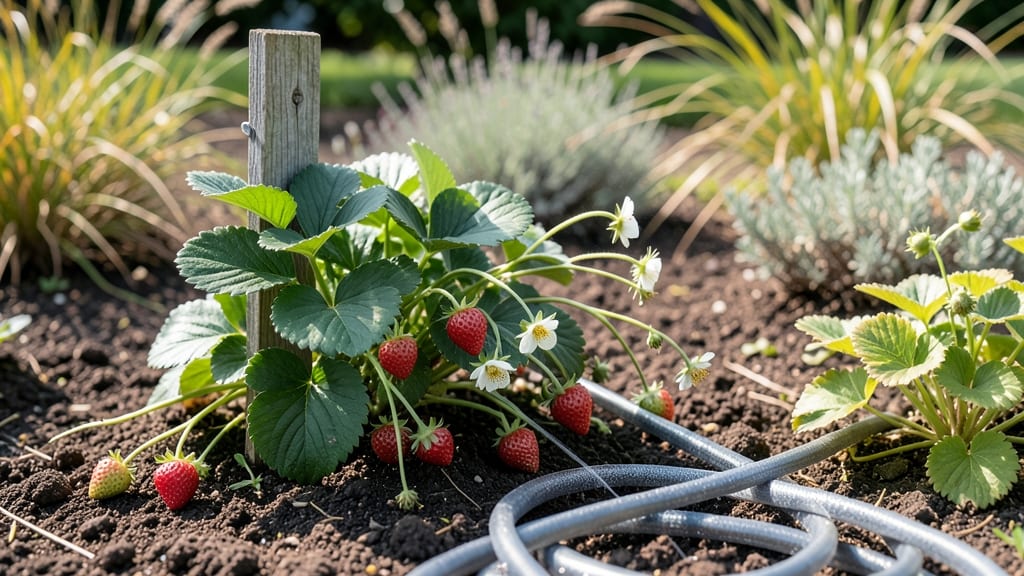
Growing strawberries in sun or shade makes all the difference between sweet, plump berries and tiny, tart disappointments 🍓 — and the right light exposure isn’t always what you think.
You might assume strawberries need full sun all day, but too much heat can actually burn the fruit or stress the plants, while too little light leads to weak growth and poor yields.
The secret lies in balancing 6 to 8 hours of direct sun with protection from midday intensity, especially in hot climates.
In this guide, I’ll break down exactly how much sun strawberries need, when shade becomes a game-changer, and how to spot the signs when your plants are getting it wrong.
Whether you’re working with a sunny patch or a shadier corner, these tips will help you grow bigger, sweeter berries with less guesswork.
Ready to optimize your strawberry patch? Let’s start with the ideal light conditions for your variety—and how to adjust if your garden doesn’t quite fit the mold.
 Best Window Placement
How much sun do strawberries need for optimal fruit growth?
Strawberries thrive in bright, direct sunlight, but their exact needs vary by variety. June-bearing types demand the most light, while everbearing and day-neutral varieties adapt better to partial shade.
Without enough sun, your berries may stay small, pale, or fail to ripen—so let’s break down the perfect light conditions for each type to maximize your harvest. ☀️
Most gardeners assume full sun means all day, but strawberries actually prefer 6 to 8 hours of direct sunlight daily. However, in extreme heat zones, afternoon shade can prevent sunburn and improve fruit quality.
The key is balancing light with temperature—especially in climates where summer afternoons exceed 90°F (32°C). Let’s explore how to tailor sunlight to your strawberry type for the best results. 🌱
June-bearing strawberries are the most demanding, requiring 6–8 hours of sun for peak production. These varieties produce one massive harvest in early summer, so they need every photon of light to ripen fruit quickly. Plant them in the sunniest spot of your garden, ideally with south-facing exposure to capture morning and afternoon rays. If your yard lacks full sun, consider reflective surfaces like white gravel or a light-colored fence to bounce extra light onto the plants. ✂️
For everbearing varieties, like Ozark Beauty or Seascape, you can relax slightly—5–7 hours of sun works well. These plants produce two harvests per year (spring and fall), so they’re more forgiving if afternoon shade creeps in during peak summer heat.
In hot climates, providing 30–50% shade cloth in the afternoon can prevent sunscorch while still allowing enough light for fruit development. 🌡️
Day-neutral strawberries, such as Albion or Tristar, are your best bet for partial shade gardens. They thrive with just 4–6 hours of sun and can even tolerate 2 hours of morning light, making them ideal for container gardening on patios or under dappled tree shade. However, expect smaller berries if light falls below 4 hours daily. These varieties are perfect for gardeners with limited sun exposure or those using vertical growing systems like trellises. 🪴
Seasonal adjustments are critical, especially in hot climates. During summer, strawberries can suffer from heat stress if exposed to full sun all day. If temperatures regularly exceed 85°F (29°C), provide afternoon shade (1–4 PM) using shade cloth or a lightweight row cover.
This prevents leaf burn while still allowing photosynthesis. In cooler months, extend sunlight exposure if possible—winter light is often weaker, and extra hours can boost spring growth. ☀️
Monitoring light intensity is easier than you think. Use a light meter or observe your plants: healthy strawberry leaves are deep green and upright, while light-starved leaves turn pale or yellow. Another trick? Check your fruit development: berries in low light stay small, hard, and pale.
If you notice poor coloration or underdeveloped fruit, it’s time to move your plants to a sunnier spot or supplement with grow lights for container-grown varieties. 📋
Pro tip: Rotate your plants annually to ensure even sun exposure. Strawberries develop runners that seek out the best light, which can create uneven growth patterns over time. By moving them slightly each year, you encourage balanced sunlight distribution and prevent overcrowding in the sunniest spots.
This simple trick can double your yield in just a few seasons! 🌱
If you’re growing strawberries in containers, prioritize south- or west-facing windows for maximum light. A 5-gallon pot limits root space, so ensure the container gets at least 6 hours of sun—otherwise, your plants will become root-bound and stressed.
For indoor growers, LED grow lights (12–16 hours daily) can supplement natural light,
Best shade solutions for strawberries in hot climates or low-light gardens
If you live in a hot climate or have a low-light garden, strawberries can still thrive with the right shade solutions. Too much direct sun can cause sunburn or heat stress, while too little light reduces fruit production.
The key is finding the perfect balance—partial shade that protects without sacrificing growth.
For hot climates, afternoon shade (especially between 12 PM and 4 PM) is critical. In low-light gardens, filtered or dappled shade can work, but you’ll need to supplement with artificial light if natural light is insufficient. Let’s explore your best options for creating ideal growing conditions.
Shade Solutions for Strawberries
- Pros: Free, no maintenance
- Cons: Limited control over light levels
- Pros: Adjustable shade (30-50%), protects from sunburn
- Cons: Requires setup, may reduce airflow
- Pros: Natural shade from taller plants, improves soil
- Cons: May compete for nutrients, requires planning
- Pros: Cools plants during peak heat, prevents stress
- Cons: Morning sun still needed for photosynthesis
Low-light gardens → Companion planting or dappled shade
For hot climates, I recommend using shade cloth with 30-40% coverage. This blocks enough UV rays to prevent sunburn while still allowing sufficient light for photosynthesis.
Install it on a movable frame so you can adjust it based on the season—remove it in cooler months to maximize fruit production.
In low-light gardens, focus on companion planting with taller plants like bush beans or lettuce. These provide natural shade while also improving soil health. If natural light is extremely limited, consider supplementing with a grow light for 4-6 hours daily during the growing season.
Timing matters too! If you’re using afternoon shade, ensure your strawberries still get at least 4-6 hours of morning sun. Morning light is gentler and helps prevent heat stress later in the day.
Avoid shading strawberries in the morning unless absolutely necessary, as this can slow growth and reduce yields.
One of my favorite tricks is using drip irrigation combined with shade cloth. The shade reduces water evaporation, while the drip system keeps roots consistently moist without wetting the foliage—perfect for preventing fungal diseases in humid climates.
Just remember to monitor your plants closely; strawberries are resilient but need adjustments as they mature.
Experiment with different shade solutions to find what works best for your garden. Start with 30% shade cloth in hot afternoons, then adjust based on plant health and fruit production. With the right approach, your strawberries can thrive even in challenging light conditions! 🌱