
Tools
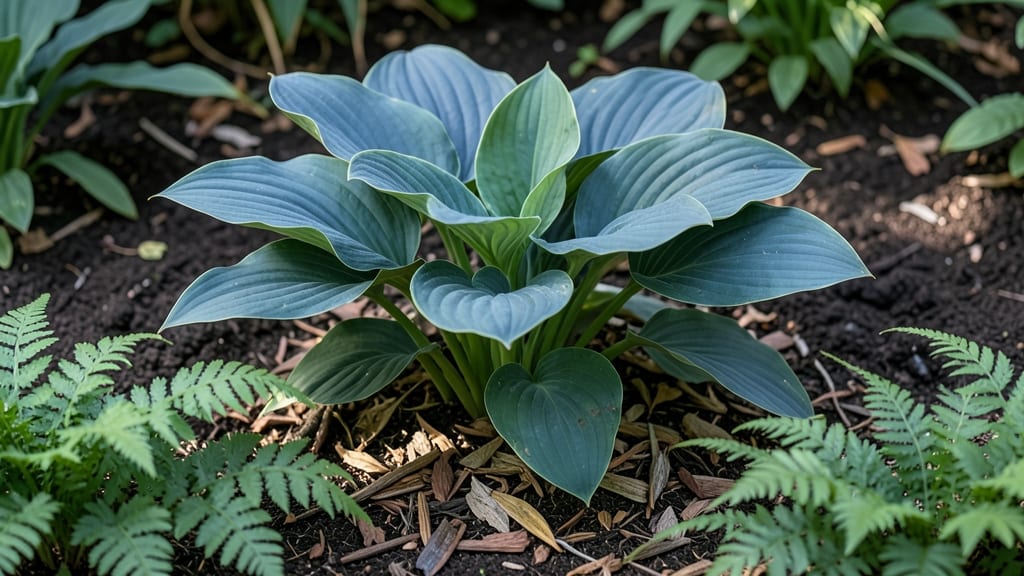
A shaded flower garden thrives where others fail—transforming dim corners into lush, fragrant retreats. 🌿 I’ve designed three sunblock shield gardens that bloom reliably under trees, along north walls, or in shady patios, using plants that love the quiet.
The secret isn’t complicated: match foliage textures, layer heights, and choose flowers that drink deep shade like morning coffee. Start with hostas for bold foliage, then weave in impatiens for bursts of color and bleeding hearts for delicate arches.
Add ferns for movement and heucheras for fiery fall interest—these work together like a well-choreographed dance. My first garden used containers to adjust light conditions, letting me move plants as seasons shift.
By mid-summer, you’ll have a tapestry of blooms that hum with bees and butterflies, all while keeping your space cool and inviting. The soil stays moist longer, roots stay happy, and you avoid the wilting drama of sun-scorched petals.
This works for woodland gardens, city balconies, or foundation plantings—anywhere the sun takes a nap. Let’s make shade your garden’s superpower.
📚 In This Guide
- What you need
- Instructions
- Tips and common mistakes
- Wrapping up and next steps
What you need
- ● Soil & Amendments: 50 lbs of well-draining potting mix (or garden soil amended with compost)
- ● 10 lbs of peat moss or coconut coir (for moisture retention)
- ● 10 lbs of perlite or vermiculite (for aeration)
- ● Shade Solutions: 1–2 shade cloths (30–50% coverage, depending on light needs)
- ● Dappled shade plants (hostas, impatiens, ferns, or astilbes)
- ● Containers & Beds: 1–3 large planters or raised beds (12–18 inches deep, with drainage holes)
- ● Garden stakes or trellises (for climbing plants like clematis or sweet peas)
- ● Essential Tools: 1 trowel or hand shovel (for planting)
- ● 1 pruners or shears (for trimming)
- ● 1 watering can or hose with a gentle spray nozzle
- ● 1 garden gloves (for protection)
- ● Mulch (2–3 inches of pine bark or shredded leaves to retain moisture)
- ● Slow-release fertilizer (balanced 10-10-10 or organic options like fish emulsion)
- ● Decorative garden stones or borders (for a polished look)
- ● Self-watering irrigation system (for low-maintenance care)
Step-by-Step instructions for designing a thriving shaded flower garden
Here's how to create a lush, sunblock-friendly garden that blooms beautifully without scorching.
🌿 Step 1: Analyze Your Shade Levels and Choose the Right Plants
Not all shade is equal—first, assess your garden's light conditions. Hold a white sheet of paper in the shadiest spot for an hour. If you can still read it clearly, you have partial shade (3-6 hours of filtered light). If the paper remains nearly blank, you're in deep shade (less than 3 hours of light). This determines your plant palette.
For partial shade, select shade-tolerant bloomers like astilbes, impatiens, and lungwort. In deep shade, focus on heucheras, ferns, and hostas—they thrive where others fade. I always sketch my garden layout first, marking light zones with colored pencils (blue for deep shade, yellow for partial). This prevents costly mistakes later.
🪴 Step 2: Prepare the Soil for Moisture-Retentive Growth
Shade gardens need well-draining yet moisture-retentive soil—the opposite of what sun-loving plants require. Amend your native soil with 3 inches of compost and 1 part peat moss (or coconut coir) to 2 parts garden soil. This improves aeration while holding moisture without suffocating roots.
Test soil moisture by grabbing a handful—it should crumble slightly when squeezed but not fall apart. If your soil drains too fast, add 1 part perlite to the mix. I like to work in a slow-release organic fertilizer (like 5-5-5) at planting time to give roots a nutrient boost without burning them.
☀️ Step 3: Layer Plants for Year-Round Color and Texture
Start with ground covers like creeping phlox or ajuga to suppress weeds and retain moisture. Next, add mid-height bloomers (3-12 inches tall) such as foxglove or bleeding heart for vertical interest. Finally, top with tall shade-tolerant perennials like cimicifuga or ligularia to draw the eye upward.
Space plants based on their mature size—12-18 inches apart for most perennials. I plant in odd-numbered groupings (3, 5, or 7) for a natural, full look. Mulch with 2-3 inches of shredded bark to protect roots from temperature swings and retain moisture. Avoid fresh wood chips, which can rob nitrogen from the soil.
💧 Step 4: Establish a Watering Routine Without Overdoing It
Shade gardens need consistent moisture but hate soggy roots. Water deeply 2-3 times per week (or daily in extreme heat) until water drains 6 inches down into the soil. Check with a soil probe or trowel—if it comes out dry, water again. Overhead sprinklers can spread disease, so I use soaker hoses buried 1 inch deep for targeted hydration.
Morning watering is ideal—it gives plants a full day to absorb moisture before evening humidity sets in. If your garden has clay soil, water more frequently but less deeply to prevent compaction. You'll know you're doing it right when leaves stay vibrant green and stems feel firm, not mushy.
✂️ Step 5: Prune and Maintain for Continuous Blooms
Deadhead spent blooms regularly to encourage new flowers—especially for impatiens, astilbes, and columbines. Cut back woody stems in early spring to promote fresh growth. For ferns and hostas, remove yellowed or damaged foliage in late winter before new shoots emerge.
Fertilize lightly in early spring with a balanced 10-10-10 formula. Too much nitrogen leads to lush leaves but few flowers. I also divide clumps every 3-4 years in early spring to rejuvenate perennials like heucheras and astilbes. This keeps them vigorous and prevents overcrowding.
Tips & tricks for perfect shaded flower garden design
Your shade garden thrives when you understand its unique needs—here's how to avoid common pitfalls and create a showstopping space.
Light Assessment: The white sheet test in Step 1 is foolproof, but I've found that early morning and late afternoon light can be misleading. Test at midday when shade is most intense—this is when most plants receive their minimal light exposure. If your garden has dappled light from nearby trees, consider it partial shade even if the paper test shows deep shade.
Soil Mixing Strategy: When amending soil in Step 2, I recommend pre-mixing your compost, peat moss (or coconut coir), and garden soil in a wheelbarrow before adding perlite. This ensures even distribution—especially important for clay soils where moisture retention is critical. For heavy clay, add an extra 1 part perlite to the mix to improve drainage without compromising moisture retention.
Plant Layering Secret: In Step 3, the 12-18 inch spacing works for most perennials, but I've learned to adjust for aggressive spreaders like ajuga. Plant these 18-24 inches apart to prevent them from overwhelming slower-growing neighbors. Also, consider adding 1-2 inch tall sedums in sunny edges of your shade garden—they'll spill beautifully over container edges while tolerating occasional sun exposure.
Watering Precision: The 6-inch moisture check in Step 4 is essential, but I've found that in clay soils, you need to water more frequently to prevent compaction. Use a soil moisture meter for accurate readings—these are inexpensive tools that save time and prevent over- or under-watering. For container gardens, water when the top inch of soil feels dry, as containers dry out faster than in-ground plantings.
Pro Tips for Shaded Flower Garden
- Your shade garden thrives when you understand its unique needs—here's how to avoid common pitfalls and create a showstopping space.
- Light Assessment: The white sheet test in Step 1 is foolproof, but I've found that early morning and late afternoon light can be misleading.
- Soil Mixing Strategy: When amending soil in Step 2, I recommend pre-mixing your compost, peat moss (or coconut coir), and garden soil in a wheelbarrow before adding perlite.
Frequently asked questions
What are the best shade-tolerant flowers for a low-light garden?
Opt for impatiens, ferns, hostas, astilbes, or bleeding hearts—they thrive in dappled or deep shade. For partial shade (3–6 hours of sun), try begonias, coleus, or caladiums. Native plants (like trilliums) are also great low-maintenance picks!
When is the best time to plant a shaded flower garden?
Plant in early spring or fall when soil is workable but not scorching. Avoid summer heatwaves—roots can stress in hot, dry shade. Container plants can go in year-round (with winter protection), but bare-root perennials wait for cooler weather.
How do I improve soil in a shady, moist area?
Shade gardens often suffer from compacted, acidic soil. Amend with compost, peat moss, or leaf mold to boost drainage. Add organic mulch (cedar or pine needles) to retain moisture and suppress weeds. A soil test helps adjust pH if needed!
Can I still grow flowers in deep shade (no direct sunlight)?
Focus on foliage plants (like heucheras) or shade-loving bloomers (e.g., Japanese anemones). Group plants with similar light needs to maximize growth. Drip irrigation helps in dry shade, where evaporation is slower but moisture lingers.
What pests or diseases should I watch for in a shaded garden?
Shady, humid conditions attract slugs, snails, and fungal diseases (like powdery mildew). Use copper barriers, diatomaceous earth, or beer traps for pests. Space plants for airflow and remove debris to prevent mold. Fungicides (neem oil) work for mild outbreaks.
Wrapping up and next steps
A shaded flower garden isn’t just a retreat for your eyes—it’s a sanctuary for plants that thrive in cooler, gentler light. By strategically selecting sun-loving blooms, mastering shade techniques, and keeping up with seasonal care, you’ve created a year-round haven where delicate petals flourish. 🌿
Now that you’re armed with the know-how, it’s time to roll up your sleeves and get planting! Start small—pick one corner of your yard or a container garden—and watch your shaded oasis bloom with confidence. Before you know it, you’ll be the neighborhood’s go-to gardener for low-light magic!