
Plants
Zone 7 gardeners with shady spots can still create lush vertical gardens using these fast-growing vines. These ten shade-tolerant climbers add beauty, texture, and privacy without needing direct sunlight.
Clematis Jackmanii for Dramatic Flowering
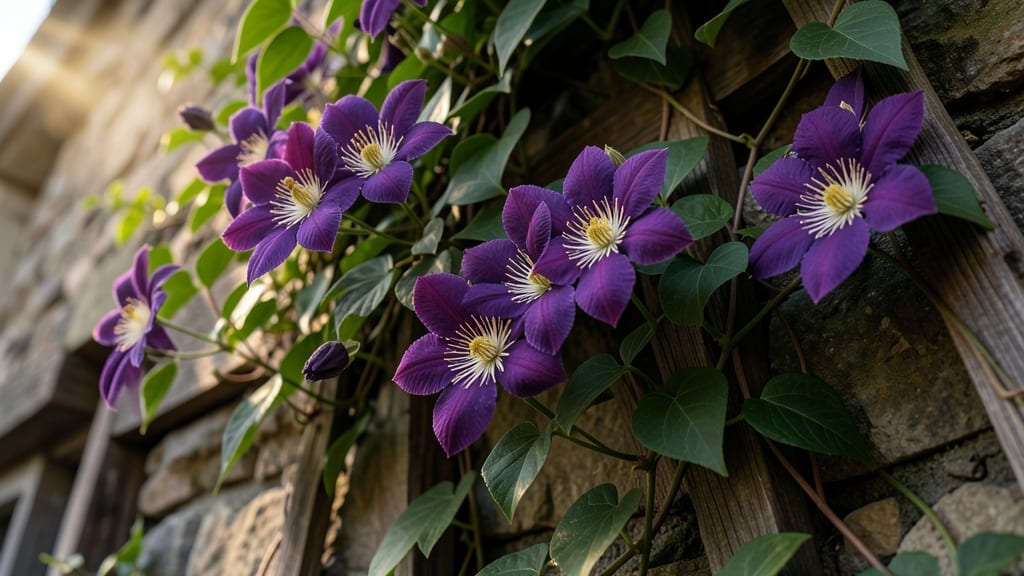
Want a dramatic floral display that thrives in partial shade? Clematis Jackmanii delivers bold, repeat-blooming purple flowers that transform any shady corner into a showstopper. Unlike many shade vines, it actually prefers morning sun exposure (3-6 hours) while tolerating afternoon shade—perfect for north-facing walls or under trees.
This hardy Zone 7 vine produces 6-inch-wide blooms from early summer through fall, with proper pruning. Plant it near a sturdy trellis or arbor, ensuring the base stays shaded (to prevent rotting). Water consistently during its first year, then reduce once established—it rewards patience with vibrant, long-lasting color that hummingbirds adore.
Ideal for gardeners who want high-impact flowers with minimal sunlight, Jackmanii clematis is especially rewarding for those with woodland gardens or shaded patios. Just remember to deadhead spent blooms to encourage more flowers. 🌟
Honeysuckle Lonicera Sempervirens
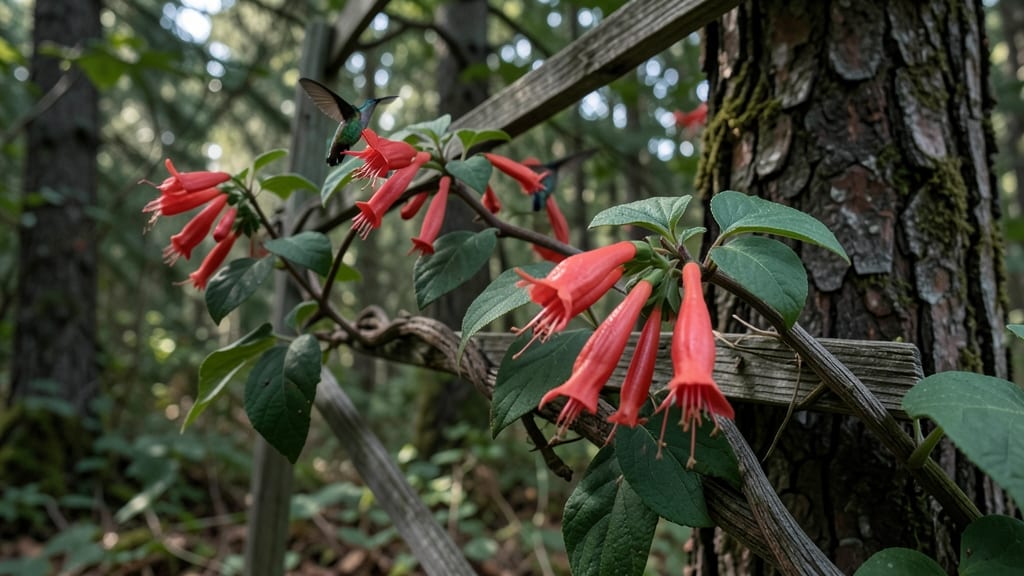
If you love the hum of hummingbirds and the sweet scent of summer, Lonicera sempervirens—also called coral honeysuckle—is your perfect shade-loving vine. Unlike sun-hungry varieties, this native climber thrives in deep shade while still producing tubular red flowers that hummingbirds adore from spring to fall.
Plant it near patios, fences, or trellises where its fragrant blooms will perfume the air and attract pollinators all season. It’s drought-tolerant once established and handles Zone 7 winters with ease, making it low-maintenance yet high-impact. Just prune back leggy growth in early spring to encourage bushier blooms.
This vine is ideal for gardeners who want year-round interest without fuss—its glossy evergreen leaves stay attractive even when flowers fade. Perfect for urban gardens, small yards, or wildlife-friendly landscapes! 🌻
Star Jasmine Trachelospermum Jasminoides
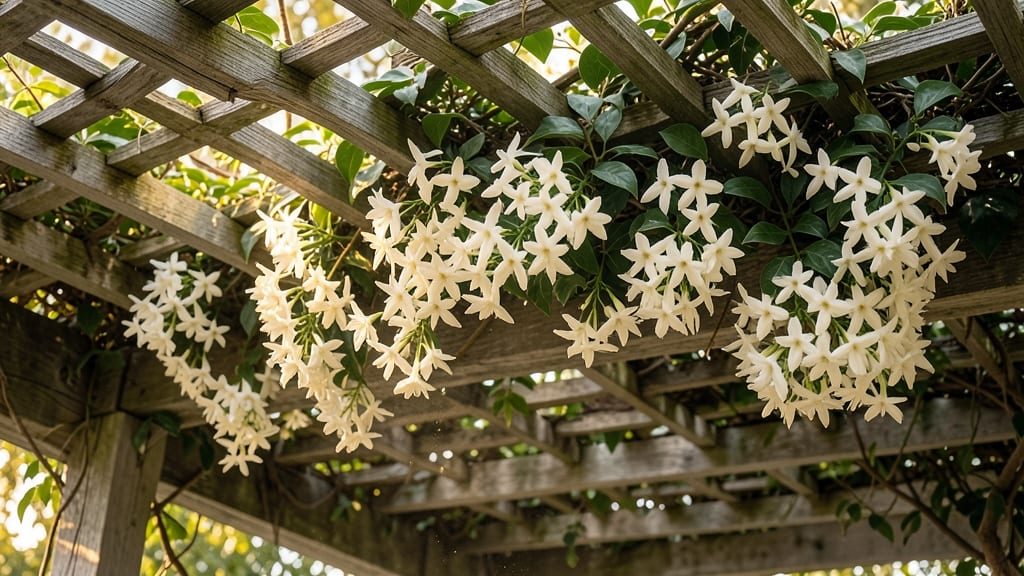
Transform your shady pergola into a fragrant retreat with star jasmine (Trachelospermum jasminoides), a versatile evergreen vine that thrives where others falter. Unlike sun-loving climbers, this plant handles partial to full shade while still delivering intense summer fragrance that fills the air with sweet jasmine notes.
Plant it near patios, decks, or entryways where you'll enjoy its perfume while providing natural shade. The white star-shaped flowers bloom from mid-summer through fall, attracting butterflies and hummingbirds. Prune lightly after flowering to maintain shape, and watch it cascade gracefully over wooden structures for years.
Perfect for Zone 7 gardeners who want low-maintenance beauty without sacrificing scent or shade tolerance, star jasmine delivers romance with minimal effort. 🌿
Virginia Creeper Parthenocissus Quinquefolia
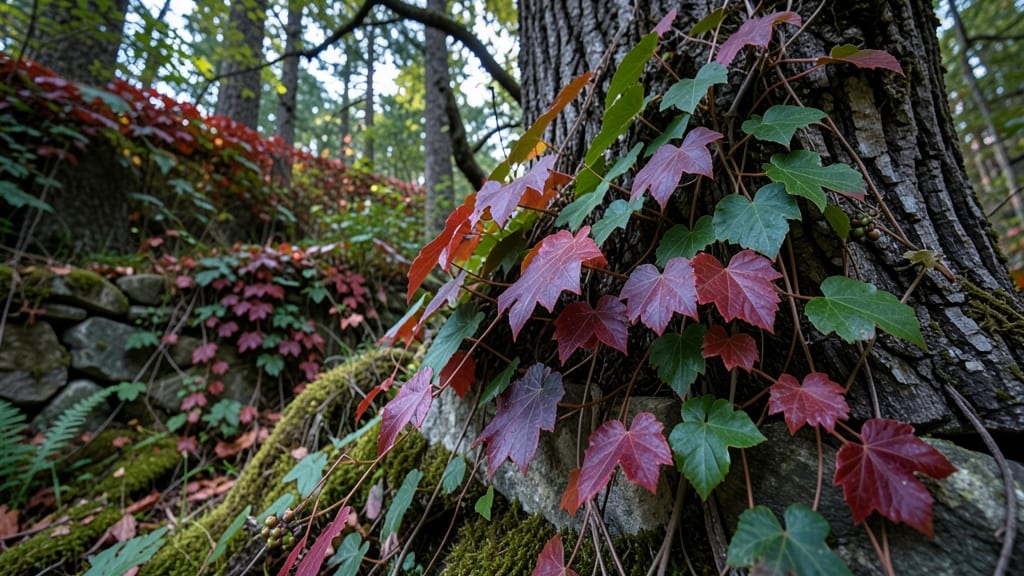
Tired of struggling with shade-loving vines that refuse to grow? Virginia creeper (Parthenocissus quinquefolia) is the solution—this fast-growing native thrives in deep shade while delivering stunning red and purple fall foliage that outshines most ornamental plants.
Unlike sun-dependent vines, Virginia creeper handles full to partial shade with ease, making it perfect for covering unsightly walls or fences in your Zone 7 garden. Its self-clinging tendrils (no trellis needed) create natural privacy screens, and it’s deer-resistant—a win for rural gardeners. Plus, its brilliant autumn colors last weeks longer than most shade plants.
Ideal for beginners and eco-conscious gardeners, this vine supports local wildlife while requiring minimal care. Plant in well-draining soil and watch it transform bare walls into a seasonal masterpiece. 🌻
English Ivy Hedera Helix
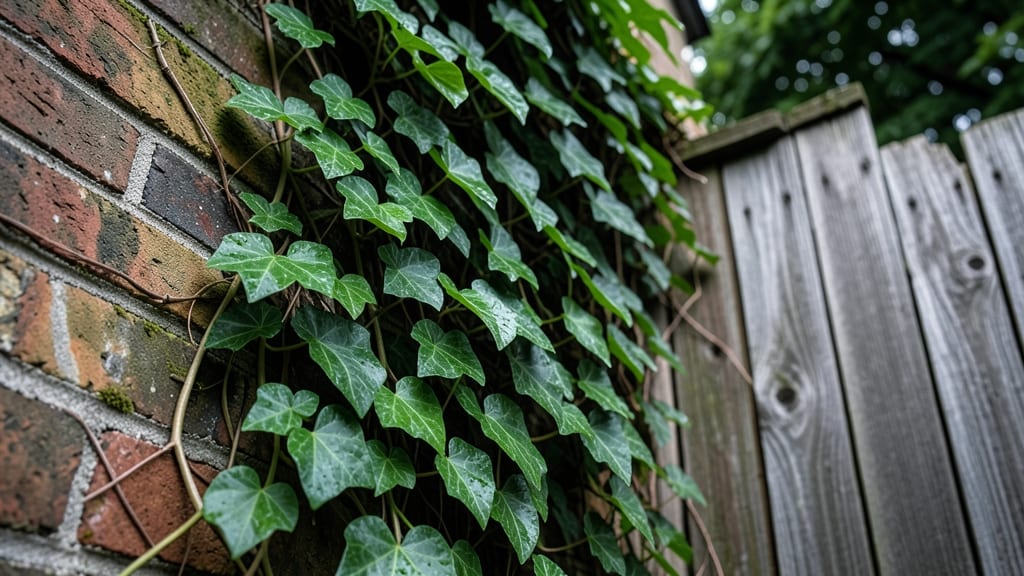
Transform that dull, sun-starved fence or brick wall into a lush green tapestry with English ivy (Hedera helix)—the ultimate shade-loving workhorse. Unlike fussy climbers, this hardy evergreen thrives in full to partial shade, making it perfect for Zone 7’s often-overlooked dark corners.
This versatile vine can be trained to climb vertically (using a trellis or rough walls) or sprawl as a dense ground cover. Its leathery, variegated leaves add texture year-round, while its aerial roots grip surfaces securely without damaging them. For best results, plant in well-draining soil and water moderately—once established, it’s remarkably drought-tolerant.
Urban gardeners and beginners will love how low-maintenance English ivy is, while landscape designers appreciate its ability to soften harsh architecture. Just watch for invasive tendencies in warm climates—prune aggressively to keep it in check. 🌿
Passionflower Passiflora Incarnata
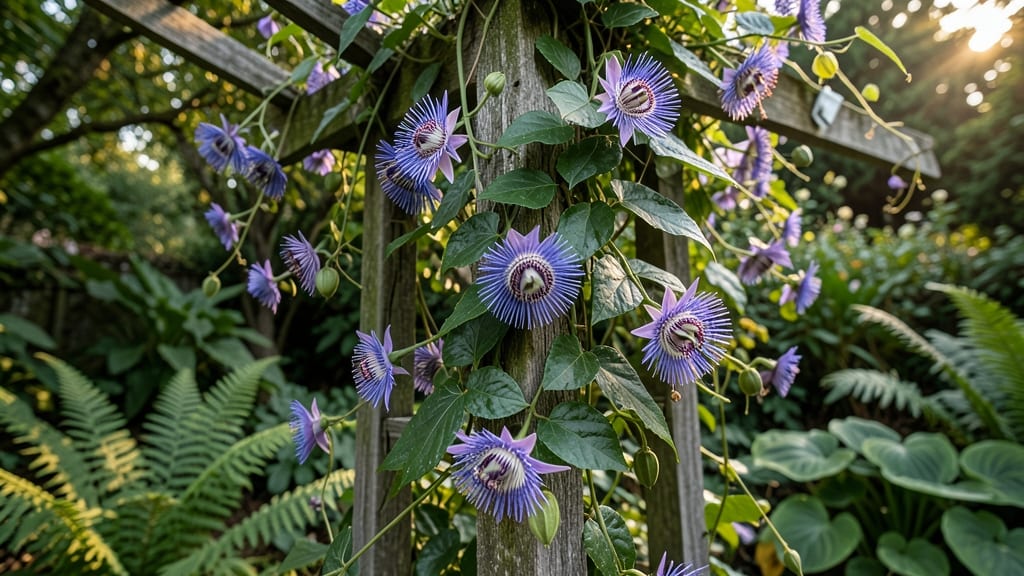
Bring a touch of the tropics to your shade garden with passionflower (Passiflora incarnata), a vine that thrives in partial shade while delivering exotic purple blooms and edible fruits. Unlike sun-loving vines, this hardy perennial handles 4-6 hours of morning sun or dappled shade beautifully, making it perfect for woodland edges or under tall trees.
The intricate 3-inch-wide flowers with their signature "passion" design bloom from June to August, followed by edible purple fruits that attract hummingbirds, butterflies, and bees. Plant near a trellis or let it sprawl naturally—its fast growth (10+ feet per season) creates lush vertical interest. Water regularly during establishment, then reduce once roots spread, as it’s surprisingly drought-tolerant.
Zone 7 gardeners will love how this vine doubles as a pollinator magnet and a unique edible harvest. Perfect for cottage gardens, permaculture plots, or wildlife-friendly landscapes, passionflower adds drama without demanding full sun. 💚
Climbing Hydrangea Hydrangea Petiolaris
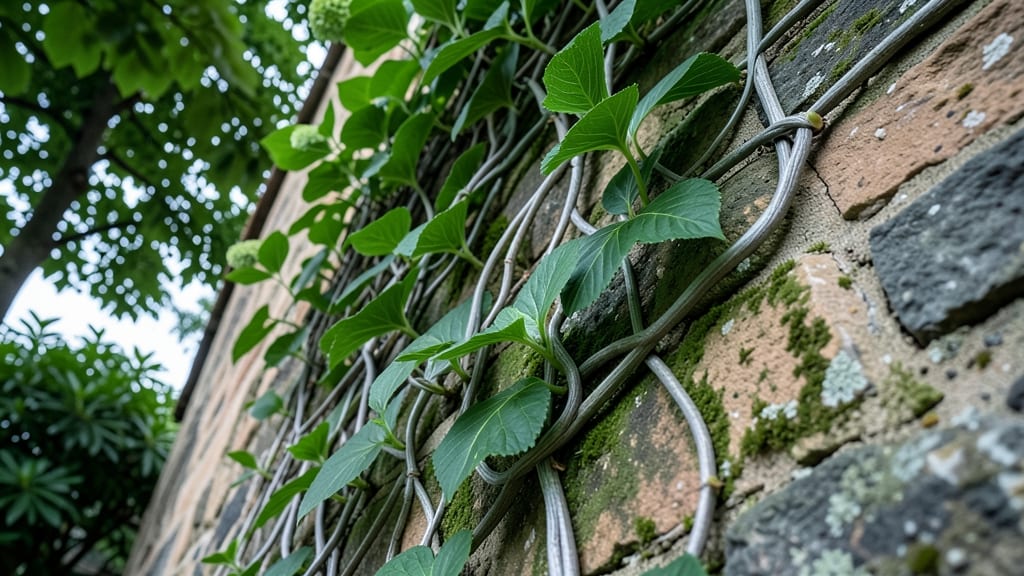
Skip the trellis and let Climbing Hydrangea (Hydrangea petiolaris) create its own vertical masterpiece—this self-clinging vine transforms bare walls into lush, green tapestries without any support. Unlike most shade vines, it thrives in full to partial shade while producing glossy, deep green leaves and delicate white lacecap flowers that bloom in summer.
Plant it directly against brick, stucco, or smooth walls—its adhesive aerial roots grip surfaces naturally, creating a seamless living curtain. Water regularly the first year to establish roots, then reduce to once weekly in summer (less in winter). Prune lightly in late winter to shape growth, and watch it flourish in Zone 7’s humid summers.
Perfect for urban gardeners with limited space or those covering unsightly structures, this hydrangea adds elegant texture without the fuss of trellises. Its ability to thrive in shade makes it a standout for woodland gardens or shaded patios. 💚
Cobaea Scandens Cup-and-Saucer Vine
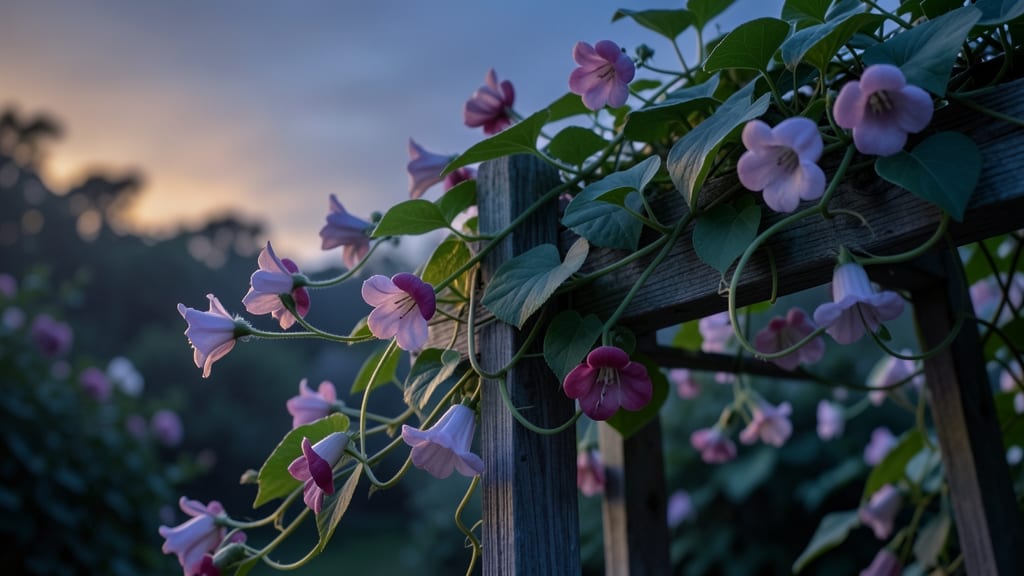
Add a touch of magic to your evening garden with the enchanting Cobaea scandens, or cup-and-saucer vine. Unlike daytime bloomers, this fast-growing annual thrives in partial shade and unfurls its whimsical bell-shaped flowers after sunset, creating a moonlit spectacle that hummingbirds adore.
Plant seeds directly in spring after the last frost, giving them a sturdy trellis or arbor to climb. The deep green, heart-shaped leaves provide lush foliage, while the pendulous white and pink flowers (up to 3 inches long!) dangle like lanterns. Water consistently to keep the soil moist but not soggy—this vine rewards care with prolonged blooming from summer through fall.
Perfect for gardeners who love unexpected surprises, the cup-and-saucer vine is especially charming in containers or along fences. Its self-cleaning habit (flowers drop naturally) means less maintenance, while its vertical growth (up to 15 feet!) adds drama without crowding. 🌟
Winter Jasmine Jasminum Nudiflorum
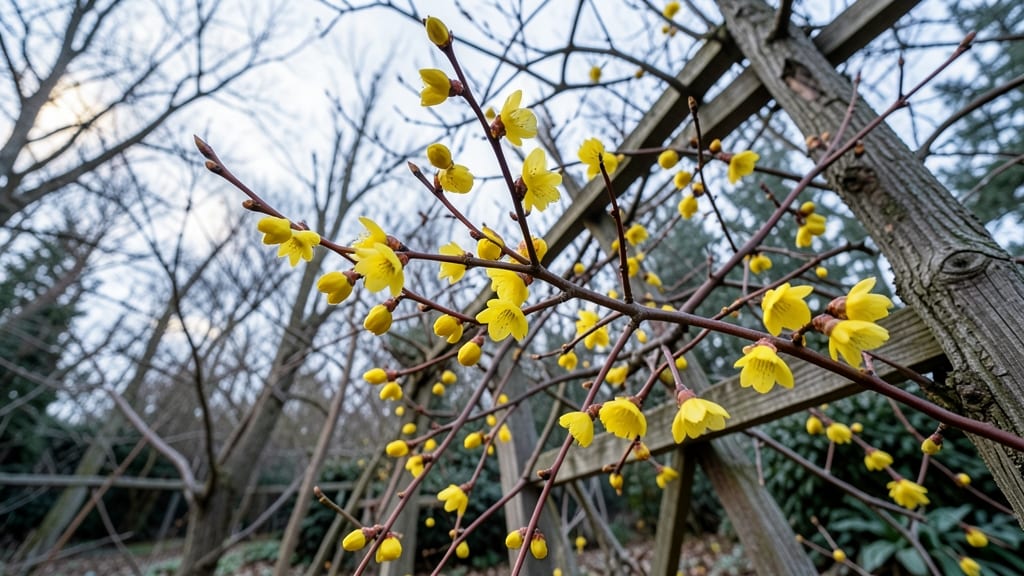
Brighten up your winter garden with winter jasmine (Jasminum nudiflorum), a cheerful climber that blooms when most plants are dormant. Unlike summer-blooming vines, this hardy Zone 7 plant delivers bright yellow flowers from late winter through early spring, creating a stunning contrast against bare branches and snow.
This fast-growing vine thrives in partial to full shade and reaches heights of 10-15 feet, making it perfect for covering trellises, fences, or arbors in shady spots. Plant it in well-draining soil and water moderately—once established, it’s drought-tolerant and handles Zone 7 winters with ease. Prune back old stems in early spring to encourage new growth and more abundant blooms.
Ideal for gardeners who want early-season color without summer maintenance, winter jasmine is especially rewarding for those with north-facing walls or woodland gardens. Its cheerful blooms lift spirits during the dreariest months! ✨
Crossvine Bignonia Capreolata

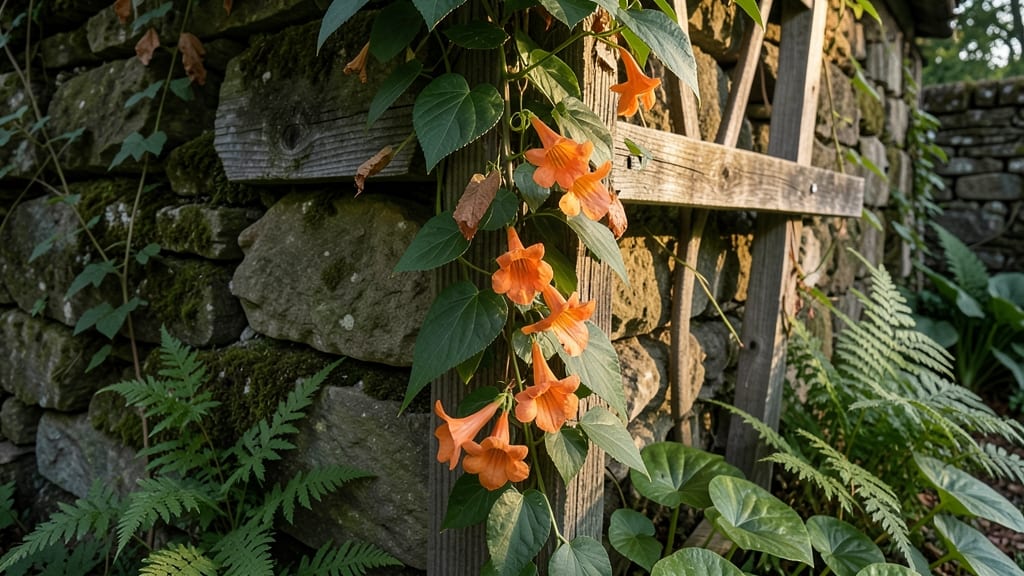
Looking for a native vine that turns your Zone 7 shade garden into a vertical burst of color? Crossvine (Bignonia capreolata) delivers trumpet-shaped orange flowers that light up dark corners while requiring minimal care. Unlike sun-loving climbers, this deciduous vine thrives in partial shade, making it ideal for north-facing walls or understory planting.
Plant it near arbors, trellises, or fence lines where its 3-4 foot long tendrils can climb and cascade. The spring blooms (April-June) attract hummingbirds, while its glossy green leaves provide summer interest. Prune lightly after flowering to maintain shape, and watch it return year after year—it’s drought-tolerant once established and handles Zone 7 winters with ease.
Perfect for gardeners who want bold color without full sun, crossvine adds drama to woodland gardens, patios, or entryways. Its native status also supports local ecosystems, making it a win for both beauty and biodiversity. 🌟