
Flowers
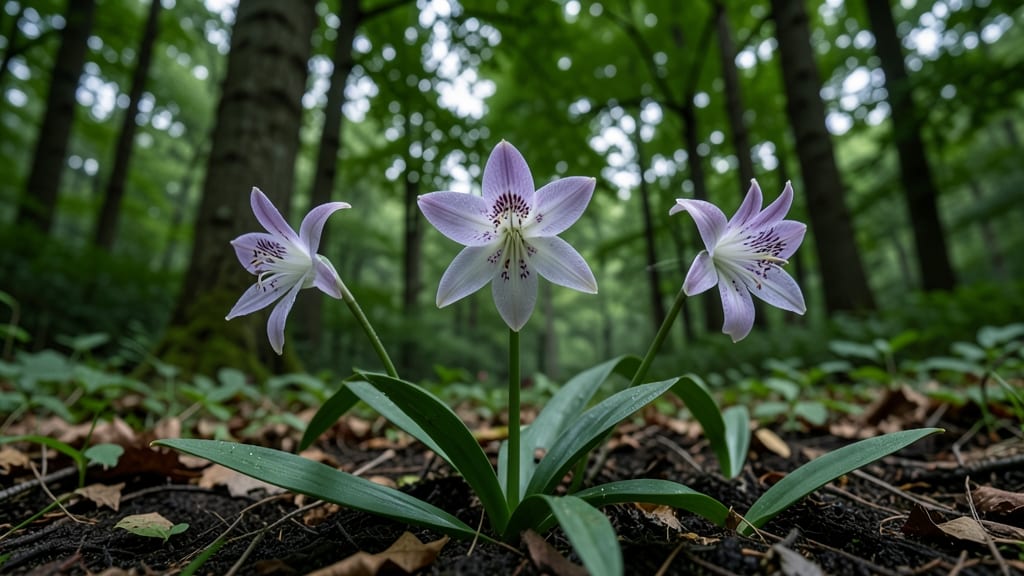
Struggling with a shady garden corner that refuses to bloom? These 10 shade-loving flowers deliver vibrant color, easy care, and resilience—perfect for transforming dim spots into lush, year-round displays without sacrificing sunlight-dependent plants.
Hostas For Bold Foliage And Low Maintenance
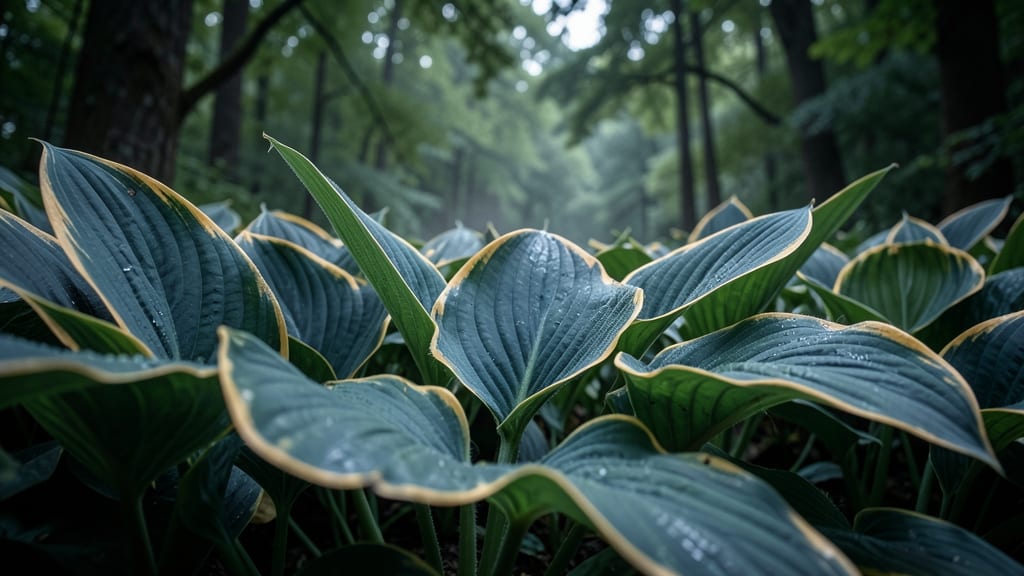
If you're looking for a zero-fuss way to add drama to your shady garden, hostas deliver with their bold, variegated foliage in shades of blue, gold, and white. Unlike many shade plants, hostas don’t just survive—they thrive in deep shade (under 4 hours of sun) while keeping deer and rabbits at bay with their bitter taste.
Plant them in moist, well-draining soil enriched with compost, and water consistently during their first growing season. Once established, they’re drought-tolerant and require little more than occasional mulching to protect roots. For maximum impact, group them by leaf color—dark green hostas create striking contrast against silver or blue varieties.
Perfect for beginners or busy gardeners, hostas offer year-round interest with minimal effort. They’re the backbone of woodland gardens and borders, turning dull corners into lush, textured focal points. 🌿
Bleeding Heart Flowers For Graceful Spring Displays
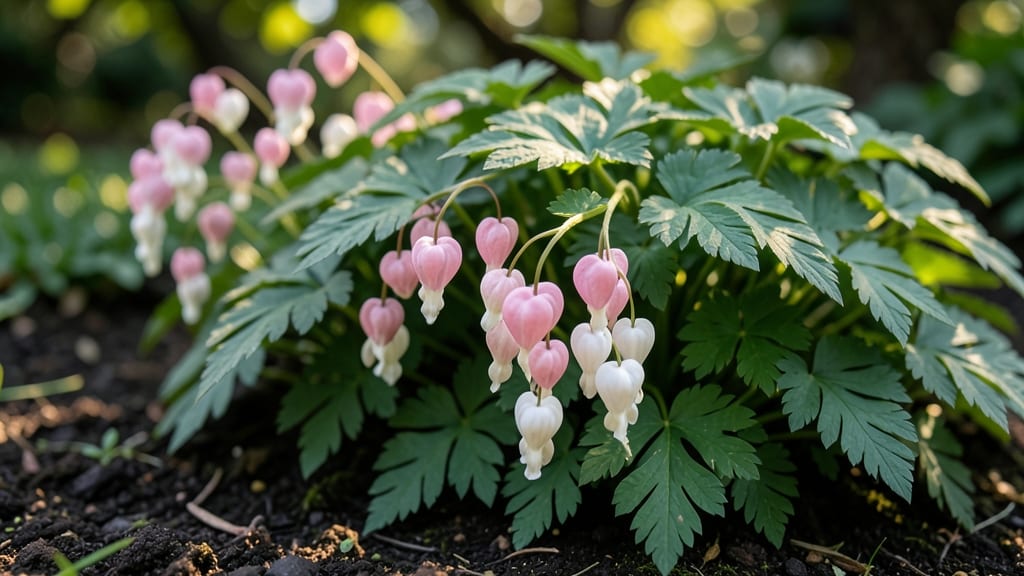
If you crave a romantic, cottage-garden feel without the fuss of high-maintenance blooms, bleeding heart flowers (Dicentra spectabilis) are your perfect shade-loving ally. These delicate perennials produce cascading clusters of heart-shaped pink or white flowers that appear in early spring, often before most other perennials even wake up.
Plant them in moist, well-drained soil under trees or along shady borders where they’ll thrive with minimal care. While they prefer consistent moisture, they’re surprisingly resilient once established—just avoid soggy conditions. The secret to their long-lasting beauty? A light deadheading after blooms fade encourages a second flush of flowers later in the season.
Woodland gardeners and those with limited sunlight will love how bleeding hearts create vertical interest with their arching stems. Pair them with hostas or ferns for a lush, layered effect that feels effortlessly natural. 🌷
Impatiens For Bright Summer Color In Containers
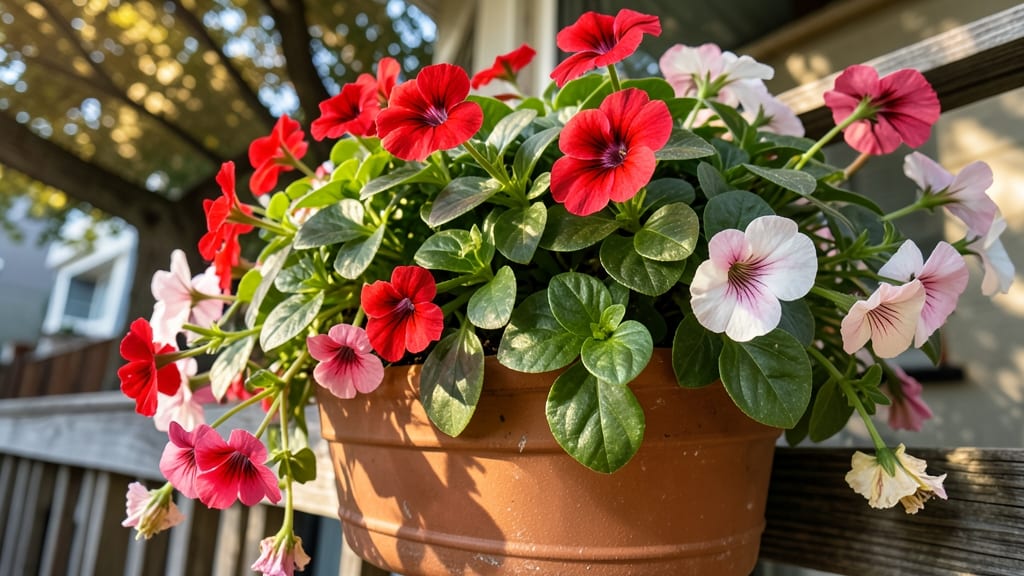
If your patio or balcony gets only a few hours of dappled sunlight, impatiens are your secret weapon for nonstop summer color. These cheerful annuals thrive in partial to full shade, producing clusters of red, pink, or white blooms from early summer until frost—no deadheading required!
For best results, plant them in well-draining potting mix and keep soil consistently moist (they wilt quickly when dry). Mix varieties like 'Super Elfin' or 'Diamond Falls' for trailing cascades in hanging baskets, or choose upright types for window boxes. Their compact growth makes them ideal for small spaces, and they’ll even tolerate light afternoon shade in hot climates.
Urban gardeners and renters will love impatiens—they’re easy to replace yearly, resist deer and rabbits, and bloom prolifically in containers. Just remember to provide afternoon shade in scorching zones to keep foliage lush. 🌻
Hellebores For Early Winter And Spring Blooms
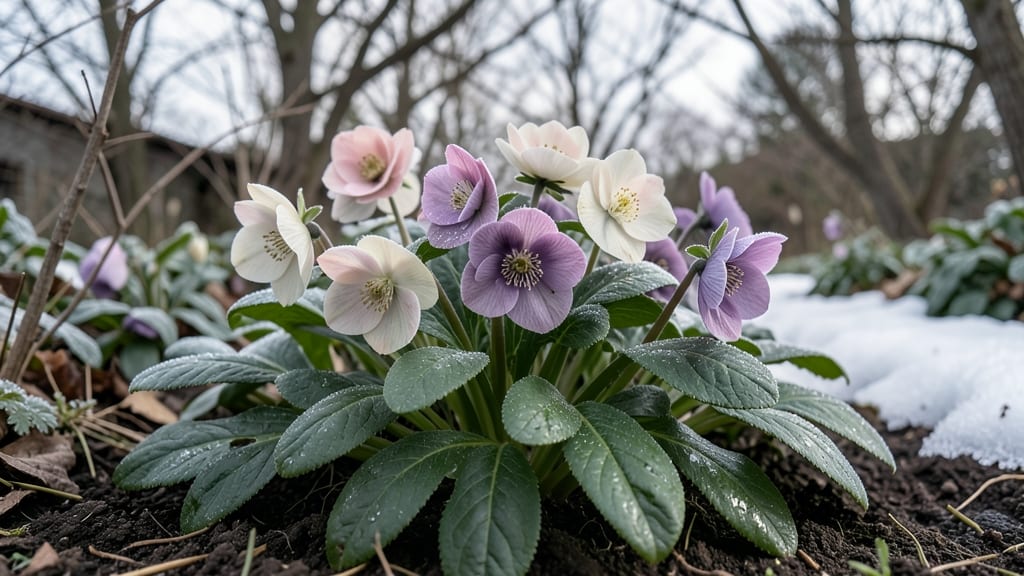
When most gardens are still buried under snow, hellebores—also known as Lenten roses—paint your yard with delicate blooms in shades of white, pink, or deep purple. These shade-loving perennials thrive in partial to full shade, making them perfect for dark corners where other flowers struggle.
Hardy from USDA zones 4-9, hellebores are deer-resistant and drought-tolerant once established, requiring minimal care beyond well-drained soil. Their evergreen foliage provides year-round interest, while their late winter to early spring blooms create a stunning contrast against bare branches. Plant them near patios or borders for early-season color without the fuss.
Ideal for gardeners who want low-maintenance beauty in shady spots, hellebores are a must-have for woodland gardens or understory plantings. 🌱
Ferns For Lush Texture And Year-Round Greenery
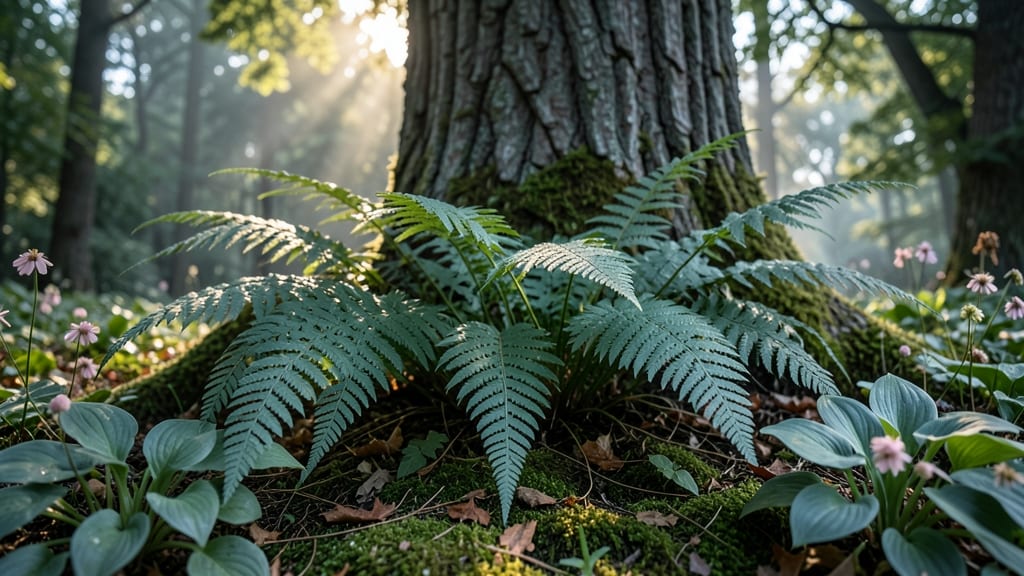
If your shady garden feels flat without blooms, ferns are the secret weapon for texture and movement. Unlike flowering plants, they deliver feathery, architectural foliage that stays vibrant year-round, filling empty spaces under trees or along borders where sunlight barely reaches.
Choose maidenhair ferns for delicate, lace-like fronds (perfect for containers) or ostrich ferns for bold, tropical height (ideal for woodland edges). Most thrive in moist, well-drained soil with dappled shade—water consistently but avoid soggy roots. Their fronds unfurl in spring, creating a natural "curtain" effect that softens harsh garden lines.
Urban gardeners and woodland enthusiasts love ferns for their low-maintenance elegance—no deadheading, no wilting in heat, and they pair beautifully with hostas or hellebores. Add them to your shade garden for instant sophistication with almost no effort. 🌿
Lungwort For Medicinal Beauty And Long Blooms
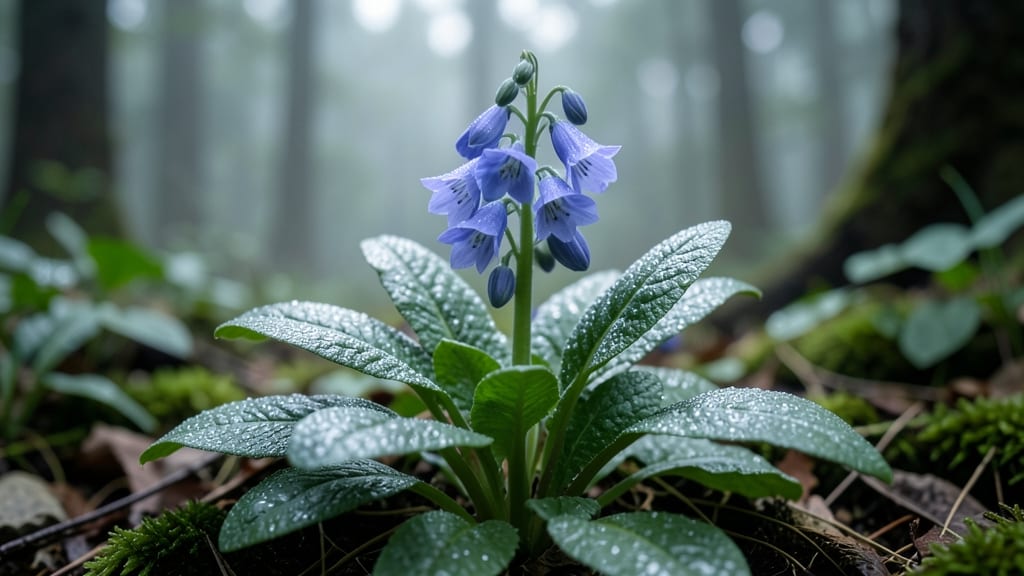
Looking for a shade-loving plant that does double duty as both a beauty and a healing ally? Lungwort (Pulmonaria) delivers with its striking silver-spotted leaves and clusters of blue-purple blooms that start in spring and often continue into fall. This historic medicinal plant was once used to treat respiratory ailments, and its unique foliage adds texture to any shady spot.
Thriving in partial to full shade, lungwort is surprisingly resilient once established, requiring minimal watering after its first year. Its drought-tolerant nature makes it ideal for woodland gardens or under trees where moisture retention is a challenge. The plant’s airy blooms also attract early-season pollinators, giving your garden a head start on supporting bees and butterflies.
Perfect for gardeners who love long-blooming perennials with a touch of history, lungwort is especially great for cottage-style gardens or as a focal point in shady borders. Its low-maintenance nature and unique foliage make it a standout choice for anyone seeking both beauty and practicality. ✨
Japanese Anemones For Late-Season Drama
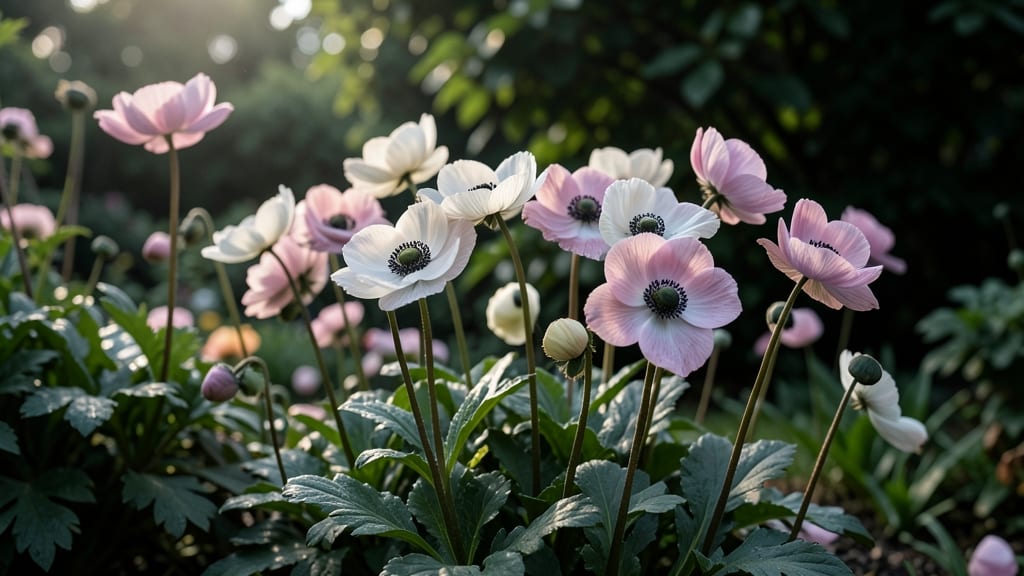
When your garden feels like it’s taking a summer break, Japanese anemones step in to steal the show with their ethereal blooms. These late-season stars burst into delicate pink or white flowers from August through October, turning shady corners into a dreamy autumn tableau.
Thriving in partial shade, they’re perfect for understory plantings or woodland gardens where sunlight is scarce. Their airy stems sway gently in the breeze, adding movement to still spaces, while their blooms attract butterflies and bees when other flowers have faded. For best results, plant them in well-drained soil and water moderately—overwatering can lead to floppy stems.
Gardeners in USDA zones 4-8 will love how these perennials multiply over time, creating natural drifts of color. Pair them with ferns or hostas for a layered, low-maintenance shade garden that stays vibrant well into fall. 🌻
Sweet Woodruff For Fragrant Ground Cover
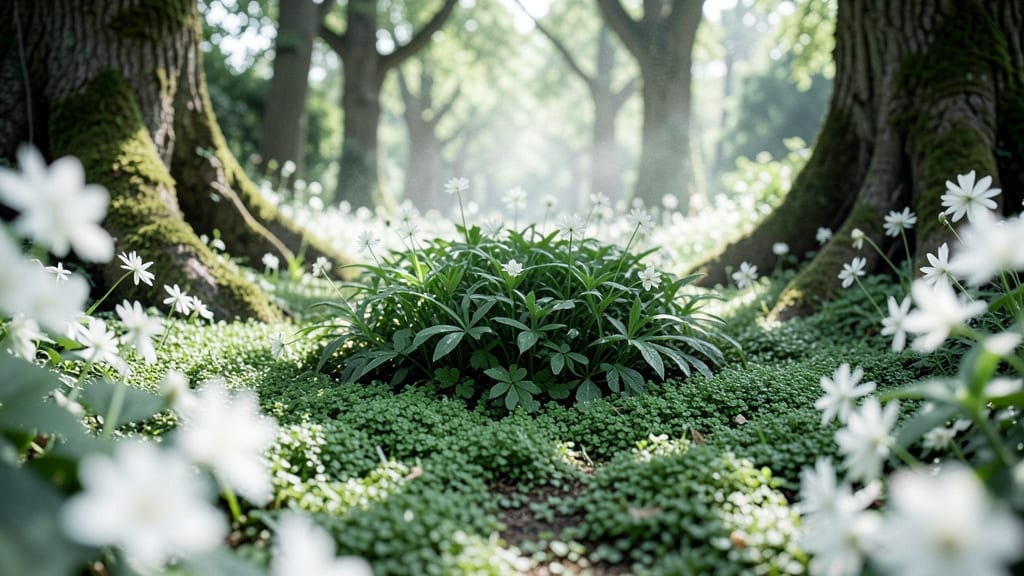
Transform your shady pathways into sensory havens with sweet woodruff, a fragrant ground cover that thrives where others fail. This delicate plant forms a dense, weed-suppressing carpet under trees or along borders, releasing a subtle vanilla scent when brushed—like nature’s own air freshener.
Perfect for deep shade gardens, sweet woodruff spreads quickly via underground runners, creating a lush green mat by summer. Its star-shaped white blooms appear in late spring, adding delicate contrast to its heart-shaped leaves. Mulch lightly to retain moisture, as it prefers consistently damp (but not soggy) soil—ideal for woodland edges or understory plantings.
Gardeners with limited sunlight or problematic weed patches will love this low-maintenance option. It’s also deer-resistant and pairs beautifully with ferns or hostas for a layered, fragrant shade effect. 🌿
Coral Bells For Stunning Foliage Varieties
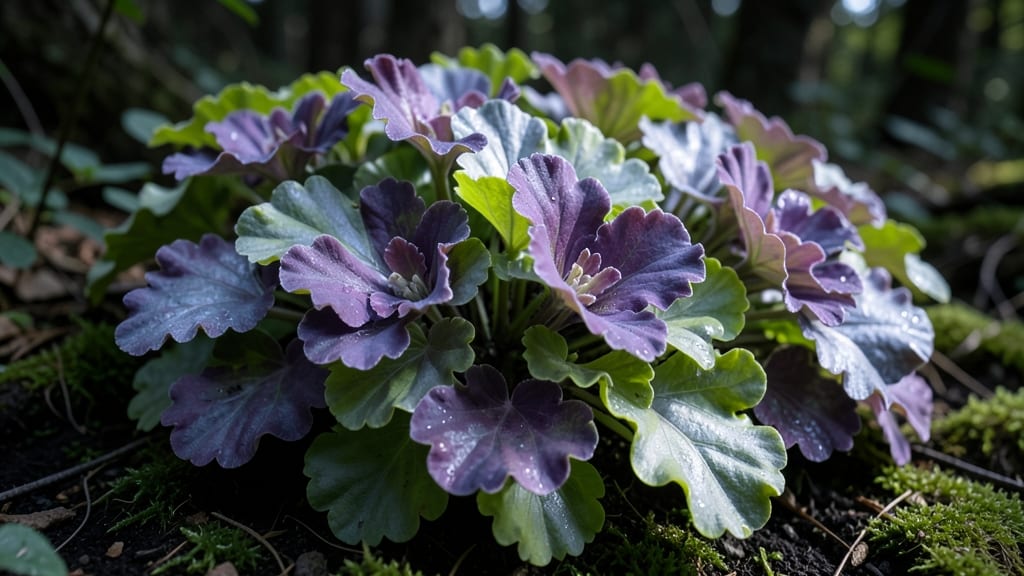
If your shady garden feels like a monochrome painting, coral bells (Heuchera) are your artist’s palette—offering bold purple, lime green, or silver foliage that outshines most flowers. Unlike other shade plants, they focus on year-round leaf drama rather than fleeting blooms, making them the unsung heroes of dark corners.
These perennials thrive in partial to full shade and handle most soil types, though well-draining conditions prevent leaf rot. Varieties like ‘Palace Purple’ or ‘Lime Rickey’ provide striking contrast, while their delicate spikes of bell-shaped flowers add subtle texture. Prune spent blooms to encourage more vibrant foliage, and mulch annually to retain moisture.
Perfect for modern gardens or woodland edges, coral bells require almost no maintenance yet deliver instant visual impact. Urban gardeners with limited space will love their compact size—ideal for containers or tucked between larger shrubs. 💚
Toad Lilies For Unique Spotted Blooms

When your shade garden needs a late-season surprise, toad lilies (Tricyrtis) deliver ethereal purple-and-white spotted blooms that appear magically in late summer when most flowers have faded. These woodland natives thrive where few others will, offering both beauty and pollinator appeal.
Plant them in moist, well-drained soil under trees or in deep shade where they'll spread slowly via rhizomes. Their fragrant flowers attract hummingbirds and moths, while the dark green foliage provides year-round interest. Varieties like 'Hiroi' or 'Miyoshi' offer different flower shapes and colors for extended seasonal display.
Woodland gardeners and pollinator enthusiasts will appreciate toad lilies' unique charm—they're perfect for adding vertical interest to shady borders or as focal points in naturalistic plantings. Just keep the soil consistently moist for best results. ✨