
Light Requirements
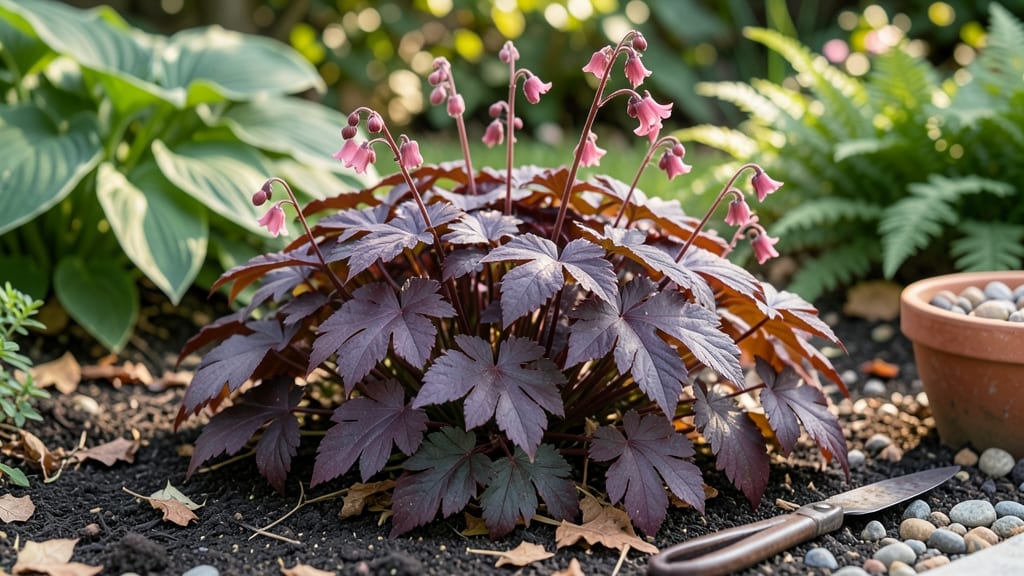
Shade-tolerant foliage plants turn dim corners into lush green havens—no sun required. 🌿 I’ve filled my north-facing garden with plants that thrive where others fade, and the results are shockingly vibrant even in deep shade.
These aren’t just survivors; they’re statement-makers with bold textures, striking variegation, and growth habits that play well together.
Think hostas with their buttery leaves, calatheas that dance with pattern, or ferns that soften spaces like a whisper. They handle everything from dappled shade to full darkness, so you’re not limited to sun-drenched spots.
The key is matching their light needs—some do best under tree canopies, while others shine in partial shade with just a few hours of filtered light.
Layer them in borders, tuck them into containers, or let them spill beneath taller plants for effortless drama. Pair a deep-green hosta with airy astilbes or a glossy calathea with delicate impatiens for contrast that pops.
These plants ask for little—just consistent moisture and occasional pruning—and reward you with year-round interest that never fades.
Perfect for city balconies, woodland gardens, or any spot where sunlight is scarce. Once you see how they transform a shady area, you’ll wonder why you ever planted anything else. Let’s bring that lushness to your garden—no sun required.
📚 In This Guide
- What you need
- Instructions
- Tips and common mistakes
- Wrapping up and next steps
What you need
- ● Shade-tolerant foliage plants: 5–10 plants (e.g., Philodendron, Pothos, ZZ Plant, Snake Plant, or Cast Iron Plant)
- ● Choose 2–3 varieties for visual diversity (mix textures/colors!)
- ● Containers: 3–5 pots with drainage holes (6–12" diameter, depending on plant size)
- ○ Optional: Self-watering pots or cache pots for aesthetics
- ● Potting mix: 1–2 bags of well-draining, peat-based or coco-coir mix (avoid heavy garden soil)
- ○ Optional: Perlite or orchid bark (10–20%) for extra aeration
- ● Tools: Trowel or small shovel
- ● Gloves (to protect hands from soil)
- ● Watering can or spray bottle (for gentle hydration)
- ○ Optional: Humidity tray or pebble tray (for tropical varieties)
- ● ✅ Light assessment: Identify your space’s shade level (deep shade vs. partial shade). Most shade-tolerant plants thrive in 100–500+ foot-candles of light.
- ● ✅ Watering routine: Check soil moisture weekly (or daily in hot climates). Overwatering is the #1 killer of shade plants!
- ● ✅ Temperature control: Keep plants away from drafts (AC vents, heaters) or extreme temps (90°F/32°C).
- ○ Optional but helpful: Fertilizer (balanced, 10-10-10 or slow-release pellets, applied every 2–3 months)
- ● Pruning shears (for shaping and propagation)
Step-by-Step guide to selecting and planting shade-tolerant foliage plants
Creating a thriving low-light garden starts with the right plants and proper placement—here's how to do it right.
🌿 Step 1: Choose the Right Shade-Tolerant Varieties
Start with plants proven to thrive in low to moderate light (3-6 hours of indirect sunlight daily). My top picks include hostas for lush foliage, heucheras for vibrant colors, and ferns like maidenhair or Japanese painted for delicate textures. Check the mature height—2-4 feet is ideal for most shade gardens. I always verify the plant's light tolerance label before purchasing, as some "shade plants" actually prefer bright, dappled light.
For deeper shade (under trees or north-facing walls), opt for caladiums (elephant ears) or aspidistras (cast iron plants). These handle less than 3 hours of light without browning. Avoid variegated plants—their white or yellow stripes need more light to maintain color. You'll see the difference immediately: healthy foliage stays deep green, while struggling plants develop pale, weak leaves.
🪴 Step 2: Prepare the Planting Site for Low-Light Conditions
Test your site's moisture level—shade areas often stay damp longer. Amend the soil with 3-4 inches of organic matter (compost or well-rotted leaf mold) to improve drainage and fertility. I mix this into the top 6-8 inches of soil to create a loose, airy root zone. For containers, use a lightweight potting mix with perlite or orchid bark to prevent compaction.
Choose the right location based on your plants' needs. Partial shade (morning sun, afternoon shade) suits most foliage plants, while deep shade requires species like liriope or carex sedges. Pay attention to how light filters through your space—direct sunlight through windows can scorch leaves even in shade gardens. If you're unsure, observe the area for a week to track light patterns.
⏰ Step 3: Plant at the Correct Depth and Spacing
Dig holes twice as wide as the root ball but only as deep as the container's base. This prevents crown rot from buried stems. Gently remove the plant, loosen roots if pot-bound, and place it so the top of the root ball sits level with the surrounding soil. Fill gaps with native soil mixed with compost—never use pure garden soil, as it compacts too easily.
Space plants according to their mature size: 12-18 inches apart for small foliage plants like ajuga or lamium, and 2-3 feet apart for larger specimens like hostas or heucheras. Crowding leads to competition for moisture and nutrients, which is especially problematic in shade where growth slows. After planting, water deeply to settle the soil and eliminate air pockets around roots.
💧 Step 4: Water and Mulch for Consistent Moisture
Shade plants need consistent moisture but hate soggy roots. Water 1-2 times per week, adjusting based on rainfall—soil should stay evenly moist but not waterlogged. You'll know it's right when the top 1-2 inches of soil feel damp to the touch. Use a soaker hose or drip irrigation to deliver water slowly at the base, avoiding leaf wetness that invites fungal diseases.
Apply 2-3 inches of mulch (shredded bark or leaf mold) around plants, keeping it 2 inches away from stems to prevent rot. Mulch conserves moisture, regulates soil temperature, and suppresses weeds—critical in shade where grass and weeds compete aggressively. Refresh mulch annually in spring, adding a thin layer of compost to feed the soil without smothering plants.
☀️ Step 5: Monitor Light and Adjust Care Seasonally
Check plants monthly for signs of stress. Yellowing leaves usually mean too much water, while pale or sparse growth signals insufficient light. If leaves develop brown patches, they're getting too much direct sun—move plants to a shadier spot or provide afternoon shade with a sheer curtain. In contrast, weak stems indicate the plant needs more light or fertilizer.
Adjust care with the seasons: water less in winter (shade areas stay moist longer), and fertilize lightly in spring with a balanced, slow-release fertilizer (10-10-10). I avoid heavy feeding in shade—too much nitrogen leads to lush but weak growth that flops over. Prune leggy stems in early spring to encourage bushier growth, and remove any yellow or damaged leaves immediately to prevent disease spread.
Tips & tricks for thriving shade gardens
Here's what I've learned from years of nurturing lush shade gardens—these tricks will help you avoid the most common pitfalls.
Light Assessment: Before selecting plants, spend a week observing your garden's light patterns. Use a simple light meter app or place a white piece of paper in different spots—if it stays bright for 3-6 hours, you have partial shade. For less than 3 hours, you're dealing with deep shade. This simple test prevents costly mistakes with plants that need more light than your space provides.
Soil Prep Secret: In Step 2, don't just top-dress with compost—mix that 3-4 inches of organic matter into the top 6-8 inches of soil. I use a broadfork to loosen the soil first, creating channels for roots to grow deeply. This prevents surface-level root systems that struggle in shade where nutrients are less accessible. For containers, blend lightweight potting mix with perlite to ensure proper drainage—shade plants hate soggy feet.
Planting Depth: When placing your plants in Step 3, resist the urge to bury them deeper than the root ball. The top should sit level with the surrounding soil—any deeper and you risk crown rot. I mark the depth on the pot with a pencil before planting as a visual reminder. This small detail makes all the difference in shade gardens where moisture lingers longer.
Seasonal Adjustments: The 1-2 times per week watering guideline in Step 4 changes dramatically with seasons. In winter, cut back to once every 10-14 days—shade areas stay moist much longer. I test soil moisture by squeezing a handful: if it holds together but crumbles when released, it's perfect. For mulching, refresh that 2-3 inch layer annually in spring, mixing in compost to feed the soil without smothering new growth.
Pro Tips for Shade Tolerant Foliage Plants
- Here's what I've learned from years of nurturing lush shade gardens—these tricks will help you avoid the most common pitfalls.
- Light Assessment: Before selecting plants, spend a week observing your garden's light patterns.
- Soil Prep Secret: In Step 2, don't just top-dress with compost—mix that 3-4 inches of organic matter into the top 6-8 inches of soil.
Frequently asked questions
Got questions about keeping your shade-tolerant foliage plants happy? You’re not alone! Here are some of the most common concerns—and their easy solutions.
What are the best shade-tolerant foliage plants for indoor spaces?
Top picks for low-light interiors include ZZ plants, snake plants, pothos, peperomia, and cast iron plants. These thrive with minimal sunlight and add lush texture to any room. For extra drama, try Philodendron Brasil or Calathea varieties—their bold patterns pop even in dim corners!
How often should I water shade-tolerant plants?
Overwatering is the #1 killer of shade plants! Let the top 1–2 inches of soil dry out between waterings. Most thrive on a weekly schedule, but adjust based on humidity (less in winter, more in dry climates). Pro tip: Stick your finger in the soil—if it’s damp, wait a day or two!
Why are my shade plants’ leaves turning yellow?
Yellowing leaves usually signal overwatering or poor drainage. Check the roots—if they’re mushy, repot in fresh, well-draining soil. Yellow edges? It might be low light or fluoride sensitivity (common with tap water). Try distilled or rainwater and move the plant closer to indirect light.
Can I grow shade-tolerant plants outdoors in full shade?
Many thrive outdoors under dappled or deep shade, like hostas, heucheras, or ferns. Just ensure they get at least 4–6 hours of filtered light daily. For extreme shade (like under trees), opt for foamflower or Japanese painted fern—they’re pros at surviving with almost no sun!
What’s a good alternative if my plant outgrows its spot?
If your shade lover gets too big, prune it back or propagate! Most can be rooted in water or soil from stem cuttings. For slow growers like ZZ plants, simply trim leggy stems to encourage bushier growth. Bonus: Gifts of cuttings make happy plant parents!
Wrapping up and next steps
Shade-tolerant foliage plants are the secret weapon for bringing life and color to dim corners of your garden or home—no bright sunlight required! 🌿 From hardy ferns to vibrant calatheas, these plants prove that low light doesn’t mean low impact.
Whether you’re a busy gardener or just starting out, they’re easy to care for and packed with personality.
Ready to transform your space? Start small—pick one or two plants from our list, experiment with placement, and watch your shaded areas bloom with confidence. Happy planting! 🌱