
Light Requirements
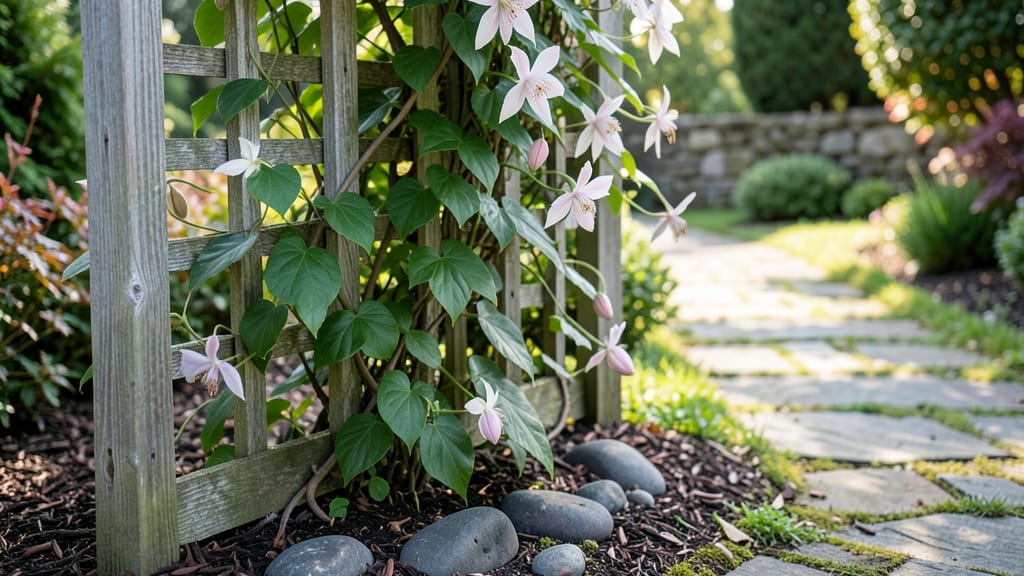
Shade-tolerant climbing vines transform dim corners into lush vertical gardens—without fighting for sunlight. 🌿 I’ve designed entire garden walls with these plants, and the results are nothing short of dramatic: cascading foliage where light barely reaches, and a cohesive look that ties shade-loving perennials together.
The key lies in selecting the right species—some thrive in near-darkness while still delivering texture, color, and even fragrance.
Start with clematis (like ‘Jackmanii’ or ‘Nelly Moser’) for bold blooms, or star jasmine (Trachelospermum jasminoides) for sweet-scented clusters that perfume shady patios. Pair them with ivy (Hedera helix) for year-round coverage, or climbing hydrangeas (Hydrangea petiolaris) for dramatic foliage.
These vines adapt to trellises, arbors, or even chain-link fences, creating privacy and structure where grass struggles to grow.
By mid-summer, your vertical garden will burst with life—velvety leaves, delicate blossoms, and even edible options like passionflower (Passiflora). The best part? These plants reduce maintenance by eliminating weeding at ground level while adding architectural interest. Just avoid overcrowding and prune annually to encourage air circulation.
Works for everything from urban balconies to woodland gardens—just match the vine to your shade level (deep, partial, or dappled). Let’s build that living wall!
📚 In This Guide
- What you need
- Instructions
- Tips and common mistakes
- Wrapping up and next steps
What you need
- ● Shade-Tolerant Vine Plants: Choose from 3–5 plants (e.g., Clematis, Honeysuckle, Ivy, or Passiflora). Opt for 1-gallon containers for mature plants or 4-inch pots for younger ones.
- ● Support Structure: Trellis (4–6 ft tall, adjustable height)
- ● OR Arbor, pergola, or fence (ensure it’s sturdy and can support vine weight)
- ● Potting Mix: 5–10 gallons of well-draining, organic-rich soil (e.g., 60% peat moss, 30% perlite, 10% compost).
- ● Containers or In-Ground Planting Area: For containers: 5–15-gallon pots with drainage holes (1 per plant).
- ● For in-ground: Dig a hole 2x wider and as deep as the root ball.
- ● Fertilizer: Slow-release granular fertilizer (10-10-10 ratio) or organic options like worm castings (1 cup per plant).
- ● Mulch: 2–3 inches of shredded bark or wood chips to retain moisture.
- ● Garden trowel or shovel
- ● Pruning shears (sterilized)
- ● Measuring tape or ruler
- ○ Gloves (optional but recommended!)
- ● Watering can or hose with a gentle spray nozzle
- ● Plant Ties or Twine: Soft garden twine or Velcro plant ties to secure vines to trellises (1–2 rolls).
- ● Drip Irrigation System: For automated watering (especially useful for larger setups).
- ● Light Meter: To check shade levels (600–1,000 foot-candles for partial shade).
- ● Decorative Accents: Solar-powered garden lights, hanging planters, or lattice panels for extra flair.
Step-by-Step guide to cultivating shade-tolerant climbing vines
Transform dim corners into lush vertical gardens with these resilient vines that thrive without direct sun.
🌱 Step 1: Select and Prepare Your Vine Varieties
Choose from proven shade-tolerant climbers like Boston ivy (Parthenocissus tricuspidata), English ivy (Hedera helix), or clematis (select varieties like 'Jackmanii' or 'Nelly Moser'). These handle 2-4 hours of morning sun and dappled light beautifully. I always opt for container-grown plants (4-inch pots) to avoid transplant shock—bare-root vines need extra care in low-light conditions.
Check the root ball for any circling roots and gently tease them apart with your fingers. This prevents girdling as the vine matures. If planting in spring or early fall, you'll see new growth within 2-3 weeks—that's your cue everything's settled in. For winter planting, wait until late winter when roots begin to stir.
🪴 Step 2: Choose and Prepare the Support Structure
Install a trellis, arbor, or wire mesh before planting—vines need stable support to climb. I prefer galvanized metal trellises for durability, but wooden arbors add charm. Ensure the structure is at least 6 feet tall (taller for vigorous varieties like clematis) and secured tightly—shade vines grow surprisingly strong once established.
For containers, use coco coir pots or fabric grow bags with built-in trellises. Position the support within 2 inches of the planting hole so roots can reach it early. If using a trellis, space horizontal wires 12 inches apart to encourage even growth. Watch for new tendrils forming within 4-6 weeks—this tells you the vine is actively seeking support.
☀️ Step 3: Plant in Well-Draining, Moisture-Retentive Soil
Amend your native soil with 3 inches of compost and 1 inch of perlite to improve drainage—shade vines rot quickly in soggy conditions. I dig a hole twice as wide as the root ball but only as deep to avoid burying the crown. For containers, use a lightweight potting mix with 30% peat moss to retain moisture without compacting.
Place the vine in the hole, backfill with amended soil, and water deeply until moisture reaches 6 inches down. Press the soil gently around the base to eliminate air pockets. Mulch with 2 inches of shredded bark to conserve moisture—this is critical in shade where evaporation slows. You'll know watering is right when the soil feels damp but not wet to the touch.
💧 Step 4: Water and Fertilize for Shade Conditions
Water once weekly (more in extreme heat) until the vine establishes new leaves—usually 6-8 weeks. I use a soaker hose to deliver moisture slowly at the base, avoiding wetting foliage (which invites fungal diseases). For containers, check daily—they dry out faster. Reduce watering once you see consistent new growth—overwatering in shade is the #1 killer.
Fertilize monthly with a balanced 10-10-10 formula in spring and summer, cutting back to every 6 weeks in fall. I mix fertilizer into the top 2 inches of soil rather than top-dressing to prevent burn. Look for deep green leaves and vigorous tendrils—these are signs your vine is thriving. If leaves yellow, you're overwatering; if they brown, the air is too dry.
✂️ Step 5: Prune and Train for Vertical Growth
Prune once in early spring to remove dead or crossing branches, then again in late summer to shape the vine. I cut back overly long stems by one-third to encourage bushier growth. For clematis, never prune the first year—let it establish. Use clean, sharp pruners and make cuts just above a leaf node (where new growth emerges).
Train young vines by tying tendrils to the support with soft garden twine—never wire, which can damage stems. Rotate the container or trellis quarter-turn weekly so the vine grows evenly toward light. By mid-summer, you'll see lush foliage cascading—proof your shade garden is working. If growth stalls, increase light slightly or check for pests like spider mites (common in dry shade).
Tips & tricks for thriving shade gardens with climbing vines
Between us, these little details make all the difference when working with shade-loving vines—they're pickier than you'd think about light and support.
Light Strategy: The 2-4 hours of morning sun mentioned in Step 1 is your sweet spot—any more than that risks heat stress, especially for English ivy. I place my containers on east-facing porches where they catch gentle morning rays but avoid harsh afternoon sun. If your space gets only dappled light, opt for clematis varieties like 'Jackmanii'—they handle low light better than Boston ivy. For extra shade, position your trellis where it receives filtered light from nearby trees.
Root Ball Inspection: When you're teasing apart circling roots in Step 1, pay special attention to the root crown—this is where the stem meets the roots. If you see any brown or mushy areas, trim them away immediately before planting. I've found that soaking the root ball in water for 10 minutes before planting helps hydrate the roots and reduces transplant shock, especially in dry shade conditions.
Support System Stability: The 6-foot minimum height for your trellis in Step 2 is non-negotiable for vigorous varieties like clematis, but here's what I do differently: I bury the trellis posts at least 12 inches deep and use concrete anchors for wind-prone areas. For containers, I add a weight at the base of the coco coir pot to prevent tipping—nothing ruins a vertical garden faster than a toppled trellis. The 12-inch wire spacing is perfect for guiding tendrils, but I add diagonal supports for clematis to encourage upward growth.
Soil Science: That 3 inches of compost and 1 inch of perlite in Step 3 is your moisture control system. I always mix in a handful of worm castings for extra nutrients—shade vines need consistent feeding but hate soggy roots. For containers, I top off with an extra inch of potting mix after the initial planting to account for settling. And here's a pro move: I water the amended soil mixture before planting to ensure even moisture distribution right from the start.
Pro Tips for Shade Tolerant Climbing Vines
- Between us, these little details make all the difference when working with shade-loving vines—they're pickier than you'd think about light and support.
- Light Strategy: The 2-4 hours of morning sun mentioned in Step 1 is your sweet spot—any more than that risks heat stress, especially for English ivy.
- Root Ball Inspection: When you're teasing apart circling roots in Step 1, pay special attention to the root crown—this is where the stem meets the roots.
Frequently asked questions
What are the best shade-tolerant climbing vines for beginners?
Start with easy-care options like English Ivy (Hedera helix) or Boston Ivy (Parthenocissus tricuspidata). Both thrive in low light and require minimal maintenance. For a fragrant twist, try Clematis montana—it’s shade-tolerant and blooms beautifully with little fuss. Always check your local climate zones to match vines to your hardiness needs!
How long does it take for shade-tolerant vines to establish and climb?
Most shade-tolerant vines take 1–3 years to fully establish, depending on the species and growing conditions. Fast growers like Star Jasmine (Trachelospermum jasminoides) can climb 12+ inches per season, while slower varieties like Hops (Humulus lupulus) may take longer. Patience is key—provide consistent watering and support (like trellises) to encourage upward growth.
Can I grow shade-tolerant vines in containers or small spaces?
Vines like Sweet Pea (Lathyrus odoratus) or Cobaea scandens (Cup-and-Saucer Vine) thrive in containers with proper drainage. Use a 10–15 gallon pot for larger varieties and a trellis or cage for support. Ensure the container gets at least 4–6 hours of indirect light daily—even shade-loving vines need some brightness to flourish.
Why is my shade-tolerant vine turning yellow or wilting?
Yellowing leaves often signal overwatering or poor drainage, while wilting can mean underwatering or root stress. Check soil moisture (it should stay slightly damp, not soggy) and ensure your vine has adequate support—vines left unsupported can become tangled and damaged. If pests like spider mites are present, treat with neem oil or insecticidal soap for a natural fix.
Are there non-toxic shade-tolerant vines safe for pets?
Yes! Opt for Clematis (most varieties are pet-safe) or Passionflower (Passiflora), though some parts may be mildly toxic if ingested in large quantities. Avoid English Ivy or Wisteria—they’re toxic to cats and dogs. Always research before planting near pets, and consider consulting a vet if you suspect ingestion.
Wrapping up and next steps
Shade-tolerant climbing vines are the perfect way to bring life and beauty to your vertical gardens—even in low-light spots! 🌿 From English ivy to Boston ivy, these hardy plants thrive where others struggle, offering lush greenery and stunning foliage without demanding full sun.
Whether you're a beginner or a seasoned gardener, adding these vines is a game-changer for transforming walls, trellises, or fences into vibrant, functional art.
Ready to get started? Pick your favorite vine, gather your supplies, and let your creativity grow! Plant a seed today—literally—and watch your space transform into a thriving oasis. Happy gardening! 🌱