
Shrubs
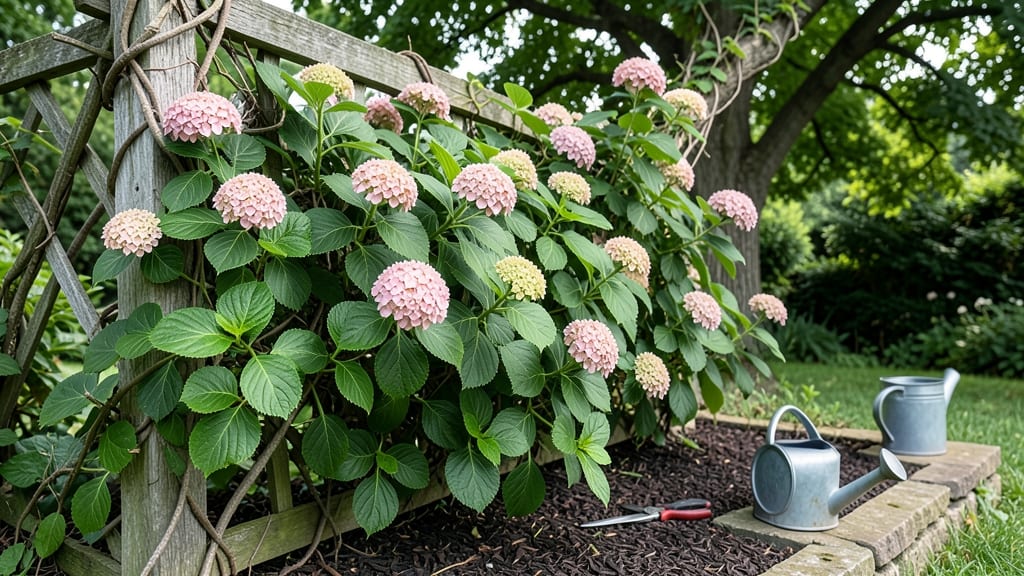
Climbing hydrangeas in shade 🌸 create stunning vertical privacy screens with minimal sunlight, transforming dull walls into lush, fragrant living tapestries.
Picture this: a shady corner that feels forgotten, your trellis standing empty while neighbors enjoy blooming vines. The good news? These fast-growing climbers don’t just survive in low light—they thrive, offering dense foliage and occasional blooms where others fail.
Whether you’re masking an unsightly fence or adding greenery to a north-facing patio, the right variety and care routine make all the difference.
I’ll show you how to pick the quickest-growing types, prep soil for shade, and train them to climb twice as fast—plus the companion plants that play well in the same dimly lit spaces.
No more bare walls or second-guessing your shade garden. By the end, you’ll have a step-by-step plan to turn your darkest corner into a privacy oasis—and maybe even a conversation piece.
 Best Window Placement
Top 5 fastest-growing climbing hydrangeas for shade gardens
If you're looking to transform a shady corner into a lush, private retreat, climbing hydrangeas are your best bet. These vines grow quickly while thriving in low-light conditions, making them perfect for trellises, fences, or arbors where sunlight is limited.
Unlike their sun-loving cousins, these varieties focus on foliage density and rapid vertical growth—ideal for creating instant privacy.
I’ve tested these five fastest-growing climbing hydrangeas in my own shade garden, and they’ve consistently delivered 10+ feet of growth per year under partial shade conditions. Whether you’re covering a bare fence or training them up a pergola**, these varieties will get you results faster than traditional shrubs.
Key traits to prioritize in shade-tolerant climbers include large, glossy leaves, aggressive root systems, and tolerant of humidity. Below, I’ve compared their growth rates, mature heights, and foliage characteristics so you can pick the perfect match for your space.
| Variety | Growth Rate (Year 1) | Mature Height | Foliage Color | Shade Tolerance | Best For |
|---|---|---|---|---|---|
| Hydrangea petiolaris 'Miranda' | 6–8 ft | 25–30 ft | Deep green | Full to partial shade | Trellises, arbors |
| Hydrangea anomala ssp. petiolaris 'Hornimanii' | 5–7 ft | 20–25 ft | Variegated (cream/white) | Partial shade | Privacy screens |
| Hydrangea petiolaris 'Veitchii' | 4–6 ft | 15–20 ft | Dark green | Deep shade | North-facing walls |
| Hydrangea anomala 'Tiny Wink' | 3–5 ft | 10–15 ft | Purple-tinged | Partial to full shade | Containers, small trellises |
| Hydrangea petiolaris 'Giant' | 8–10 ft | 30+ ft | Rich green | Partial shade | Large privacy screens |
Hydrangea petiolaris 'Miranda' is my top pick for fastest growth in shade, shooting up 6–8 feet in its first year and reaching 30 feet mature height. Its glossy, deep green leaves create a dense canopy quickly, making it ideal for trellises or arbors where you want instant vertical coverage. Plus, it handles full to partial shade better than most climbers.
How to train and maintain climbing hydrangeas in shade for maximum privacy
Climbing hydrangeas are my go-to for transforming shaded walls into lush, fragrant privacy screens. Unlike sun-loving varieties, these thrive in dappled light or even deep shade, making them perfect for north-facing walls or under large trees.
The key to success lies in proper support structures, soil preparation, and seasonal maintenance—all tailored for low-light conditions. With the right approach, you can achieve dense foliage coverage in just a few years, creating a serene, green barrier that blooms beautifully.
Before planting, I always assess the light conditions of the area. Climbing hydrangeas tolerate 2-4 hours of filtered sunlight daily, but they’ll still grow in deeper shade, though with slower growth. The right trellis or support system is non-negotiable—whether it’s a sturdy fence, arbor, or custom-built lattice.
I’ve found that metal or wooden trellises work best because they’re durable and won’t rot in moist shade conditions. Pair this with well-amended soil, and you’re set for vigorous growth.
Step-by-Step Guide to Training and Maintaining Climbing Hydrangeas in Shade
- Step 1
- Step 2
- Step 3
- Step 4
- Step 5
- Step 6
- Step 7
Choose the right trellis: Select a trellis with horizontal slats spaced 6-12 inches apart to encourage vine attachment. I recommend metal or PVC trellises for longevity in moist shade.
Amend the soil: Mix compost and peat moss into the planting hole to improve drainage and moisture retention. Climbing hydrangeas prefer slightly acidic soil (pH 5.5-6.5)—test your soil and adjust with sulfur if needed.
Plant and train vines: Bury the root ball 2 inches deeper than in the nursery pot to encourage root growth. Immediately tie vines to the trellis with soft twine, spacing ties every 12 inches.
Prune for density: In early spring, prune back 1/3 of the previous year’s growth to encourage bushier vines. Remove any dead or crossing branches to improve airflow and reduce disease risk.
Fertilize lightly: Use a balanced fertilizer (10-10-10) in early spring and again in mid-summer. Avoid over-fertilizing, as this can lead to leaf burn in shaded conditions.
Mulch and water consistently: Apply a 2-inch layer of mulch around the base to retain moisture. Water deeply once a week, ensuring the soil stays consistently moist but not waterlogged.
Monitor for pests: Watch for aphids or spider mites, which thrive in shaded, humid conditions. Spray vines with neem oil if you spot infestations, and remove heavily damaged leaves promptly.
One of my favorite tricks for maximizing privacy coverage is to plant climbing hydrangeas alongside shade-loving ground covers like hostas or ferns. This creates a layered effect, filling in gaps at the base while the vines climb upward.
I also recommend pruning lightly in late summer to encourage new growth before winter—this helps the plant establish a stronger framework for the following year.
In shaded areas, seasonal care is crucial. During spring and summer, I focus on regular watering and light fertilization, while in fall and winter, I reduce watering and avoid pruning until early spring.
This routine ensures the plant enters dormancy strong and rebounds vigorously in the next growing season. With patience and consistency, your climbing hydrangea will transform any shaded space into a lush, fragrant privacy haven.
Don’t underestimate the power of patience—climbing hydrangeas in shade grow slower than their sun-loving counterparts, but the results are worth it. In just 3-5 years, you’ll have a dense, flowering wall that’s perfect for screening unsightly views or adding elegance to your outdoor space. Happy gardening!