
Companion Plants
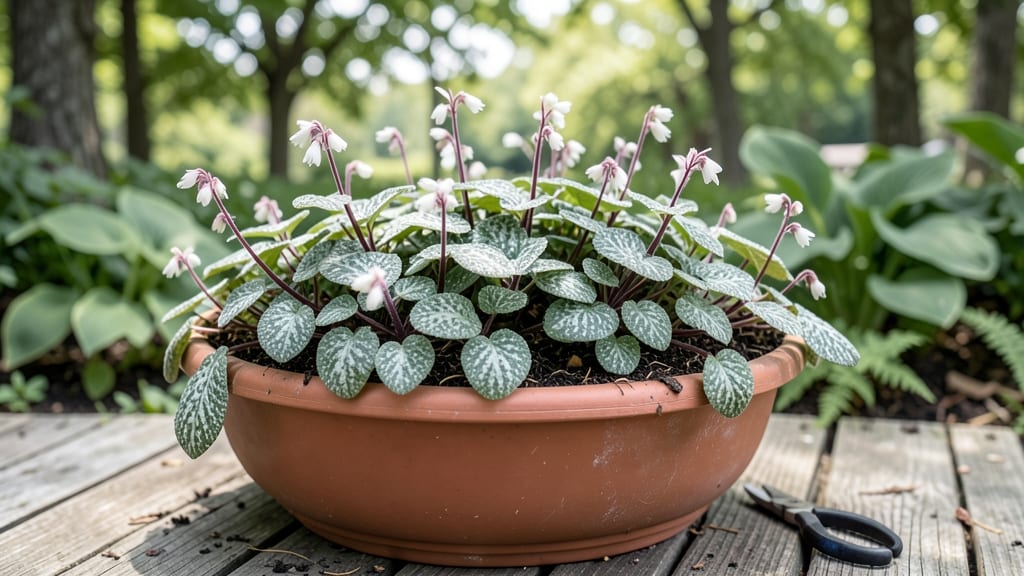
Shade spiller plants are the secret weapon for transforming dull corners into lush, cascading displays. 🌿 I’ve filled my own shady spots with these plants, and the difference is shocking—color spills over edges, softens harsh lines, and creates a sense of depth where there was none before.
The best options like heuchera, impatiens, and creeping jenny thrive where sun struggles. They offer year-round interest with foliage that pops in purple, chartreuse, or deep burgundy, and their trailing habits make them perfect for hanging baskets, window boxes, or layered garden beds.
Most need just consistent moisture and well-draining soil—no fuss, just beauty. You’ll end up with a shaded area that feels alive, not forgotten. The texture contrast between fine fern fronds and broad heuchera leaves adds dimension, while flowers like begonias or astilbes bring seasonal bursts of color.
These plants work together like a living tapestry, softening edges and inviting you to linger. For containers, pair them with upright plants like hostas or foxgloves—the spillers tumble over the sides while the vertical plants anchor the display.
In garden beds, let them spill onto pathways or over retaining walls for a natural, flowing look that’s impossible to ignore.
📚 In This Guide
- What you need
- Instructions
- Tips and common mistakes
- Wrapping up and next steps
What you need
- ● Shade-tolerant spiller plants: 3–5 plants per container or garden bed (e.g., Fuchsia, Heuchera, Lobelia, or Creeping Jenny). Choose based on your zone and light conditions (partial to full shade).
- ● Containers or garden beds: Containers: 12–18" diameter pots (with drainage holes) for each plant or group. Terracotta or fabric pots work well.
- ● Garden beds: Well-draining soil amended with 3–4 inches of organic compost (per 10 sq. ft.).
- ● Potting mix: 1–2 bags of high-quality, peat-free potting mix (e.g., Pro-Mix or FoxFarm Ocean Forest). For garden beds, blend with native soil (50/50 ratio).
- ● Slow-release fertilizer: 1–2 tbsp per plant of balanced, organic fertilizer (10-10-10 or 5-5-5) or a shade-tolerant granular formula.
- ● Mulch: 2–3 inches of organic mulch (e.g., shredded bark or pine needles) to retain moisture and suppress weeds.
- ● Drip irrigation or soaker hoses: For consistent moisture in containers (especially in hot climates).
- ● Plant supports: Small stakes or cages for Fuchsia or Lobelia to prevent flopping.
- ● Epsom salt: 1 tbsp dissolved in water (monthly) for Heuchera or Astilbe to boost magnesium.
- ● Garden gloves & kneeling pad: For comfort during planting.
- ● Pruning shears: For trimming leggy growth (sterilize with rubbing alcohol!).
Step-by-step guide to selecting and planting shade spiller plants
Here’s how I transform dark garden corners into lush, vibrant displays using shade-loving spillers that cascade beautifully.
🌱 Step 1: Choose the Right Plants for Your Shade Level
Not all shade is equal—deep shade (less than 3 hours of light) demands different plants than partial shade (3-6 hours). For deepest corners, opt for heuchera, ferns (like maidenhair or Japanese painted), or astilbe. These thrive where others fail, offering rich foliage and delicate blooms without fighting for light.
For slightly brighter spots, sweet woodruff, creeping phlox, or lobelia deliver cascading color with minimal fuss. I always check the plant tag for terms like "deep shade tolerant" or "woodland native"—those are your best bets. Avoid anything labeled "full sun" unless you’re planting near a reflective surface that bounces light.
🪴 Step 2: Prepare the Planting Site for Optimal Drainage
Shade spillers hate soggy roots, so amend your soil with 3 inches of organic matter (like compost or peat moss) to improve drainage. I dig a hole twice as wide as the root ball but only as deep—planting too deep suffocates roots. For containers, ensure pots have drainage holes and use a mix of 50% potting soil and 50% perlite to prevent compaction.
Test your soil’s moisture retention by squeezing a handful—it should hold together but not drip. If it’s heavy clay, mix in sand or coconut coir to loosen it. Mulch with 2-3 inches of shredded bark after planting to lock in moisture and keep roots cool, which is especially critical in hotter climates.
☀️ Step 3: Plant with Layered Depth for Visual Impact
Spillers work best when paired with mid-height plants (like hostas or foxtail ferns) and upright anchors (such as ornamental grasses or hydrangeas). Place your spiller at the front edge of the bed or over the container’s rim to let it cascade naturally. For containers, tuck trailing plants into the sides so they spill over edges—this creates that "waterfall" effect instantly.
Space plants 6-12 inches apart, depending on their mature spread. Overcrowding leads to competition for nutrients, and you’ll end up with leggy, weak growth. Water deeply after planting to settle the soil and encourage root contact with the amended mix. A gentle tap on the pot’s base helps dislodge roots without damaging them.
💧 Step 4: Water and Fertilize for Consistent Growth
Shade spillers need consistent moisture but hate soggy soil. Water once weekly (or daily in extreme heat) until the top 2 inches of soil feel dry. Use a soaker hose or drip irrigation to deliver water slowly at the base—avoid overhead watering, which can cause fungal issues on delicate foliage.
Fertilize lightly in spring with a balanced, slow-release fertilizer (10-10-10) or a shade-tolerant organic option like fish emulsion. Too much nitrogen leads to lush leaves but weak stems that flop. I skip fertilizer in fall and winter—these plants are built to thrive with minimal intervention once established.
✂️ Step 5: Prune and Maintain for Year-Round Appeal
Deadhead spent blooms in early summer to encourage more flowers, but avoid cutting back more than 1/3 of the plant at once—this stresses shade-lovers. In late winter or early spring, trim back any brown or leggy growth to make room for fresh foliage. For evergreen spillers like creeping jenny or sweet woodruff, a light trim keeps them dense and tidy.
Watch for pests like slugs or aphids, which love tender new growth. Handpick slugs at night (they’re most active then) or use diatomaceous earth as a barrier. Mulch acts as a natural deterrent, so keep that 2-3 inch layer intact. With minimal pruning and consistent care, your shade spillers will deliver color and texture year-round—no sun required.
Tips & tricks for perfect shade spiller plantings
Transforming dark corners into vibrant displays starts with these insider tricks that make all the difference.
Plant Selection Precision: When choosing between deep shade (3 hours of light) and partial shade (3-6 hours) plants, consider the microclimate of your space. For example, heuchera thrives in deep shade but can scorch in afternoon sun, while sweet woodruff handles partial shade beautifully. I always test a small area first—place a white board where you plan to plant and observe how much light it gets over a week. This simple step prevents costly mistakes when selecting plants.
Soil Amendment Strategy: The 3 inches of organic matter recommendation is non-negotiable for shade spillers, but here's the game-changer: mix in worm castings (available at garden centers) for an extra nutrient boost. These castings improve soil structure while providing gentle, long-lasting nutrition. For clay-heavy soils, I blend in 20% coarse sand by volume to create the perfect drainage balance. Remember, the goal is soil that holds moisture but doesn't become waterlogged—think of it as a damp sponge rather than a dripping wet rag.
Container Planting Hacks: For container gardens, I've found that fabric grow bags work wonders for shade spillers—they allow excess water to drain while still holding moisture. When mixing your 50% potting soil and 50% perlite combination, add 1 cup of orchid bark to each 5-gallon container for additional aeration. This creates an ideal environment for roots to breathe while retaining the moisture shade plants crave. Pro tip: Place containers on casters for easy seasonal rotation to follow the sun's path, even in shaded areas.
Watering Wisdom: The once-weekly watering guideline works perfectly in moderate climates, but I've learned to adjust based on leaf texture. In extreme heat, check soil moisture by squeezing a handful—if it crumbles easily, water immediately. For containers, I've started using self-watering planters with moisture meters to prevent both underwatering and overwatering. And here's a trick I picked up from a nursery pro: water in the early morning so foliage dries quickly, reducing fungal risks that plague shade gardens.
Pro Tips for Shade Spiller Plants
- Transforming dark corners into vibrant displays starts with these insider tricks that make all the difference.
- Plant Selection Precision: When choosing between deep shade (3 hours of light) and partial shade (3-6 hours) plants, consider the microclimate of your space.
- Soil Amendment Strategy: The 3 inches of organic matter recommendation is non-negotiable for shade spillers, but here's the game-changer: mix in worm castings (available at garden centers) for an extra nutrient boost.
Frequently asked questions
Got questions about shade spiller plants?
You’re not alone! Here are some of the most common queries—plus quick, actionable answers to help you nail that lush, low-light garden edge.
What’s the best way to prepare soil for shade spiller plants?
Shade spillers thrive in well-draining, moist (but not soggy) soil. Amend heavy clay with compost or peat moss, and mix in a slow-release fertilizer like 10-10-10 for a nutrient boost. Pro tip: Test your soil’s pH—most prefer 5.5–6.5. If it’s too alkaline, add sulfur to sweeten it up!
How long does it take for shade spill plants to fill out?
Patience pays off! Most shade spill plants take 4–8 weeks to show noticeable growth, with full coverage in 2–3 months. Heuchera and Lamium are fast, while Astilbe may take a little longer. Troubleshooting: If growth stalls, check for overwatering or compacted soil—loosen roots gently if needed.
Can I use shade spill plants as ground cover under trees?
Many shade spill plants—like Ajuga or Hosta—are tree-friendly and suppress weeds. Just avoid competitive root systems (e.g., bamboo) near shallow tree roots. Alternative: For extra-deep shade, try Sweet Woodruff (Galium odoratum)—it’s drought-tolerant once established!
Do shade spillers need extra care during drought or heavy rain?
Most handle rain well, but drought stress is the bigger threat. Water deeply 1–2x/week during dry spells, and mulch heavily (3–4 inches) to retain moisture. Signs of distress: Wilting leaves or crispy edges? Trim affected foliage and water at the soil level (not overhead) to prevent fungal issues.
What’s a good alternative if my shade spiller dies over winter?
Don’t panic! Many shade spill plants (like Hellebore) are evergreen or semi-evergreen, but others may brown back. Replace with hardy perennials like:
Pro tip: Divide existing plants in early spring to refresh growth!
Wrapping up and next steps
Shade spiller plants are the secret weapon for transforming dull, forgotten corners of your garden into vibrant, lush displays—without needing full sun! 🌿 From heuchera to ferns, these low-maintenance beauties bring texture, color, and life to shady spots, proving that even the trickiest spaces can shine.
Whether you’re a seasoned gardener or just starting, adding these plants is a game-changer for year-round interest.
Ready to elevate your garden? Start small—pick one or two shade spillers that match your space’s light conditions, then expand as you see what thrives. Grab your gloves and get growing! Your garden’s shadiest spots will thank you.