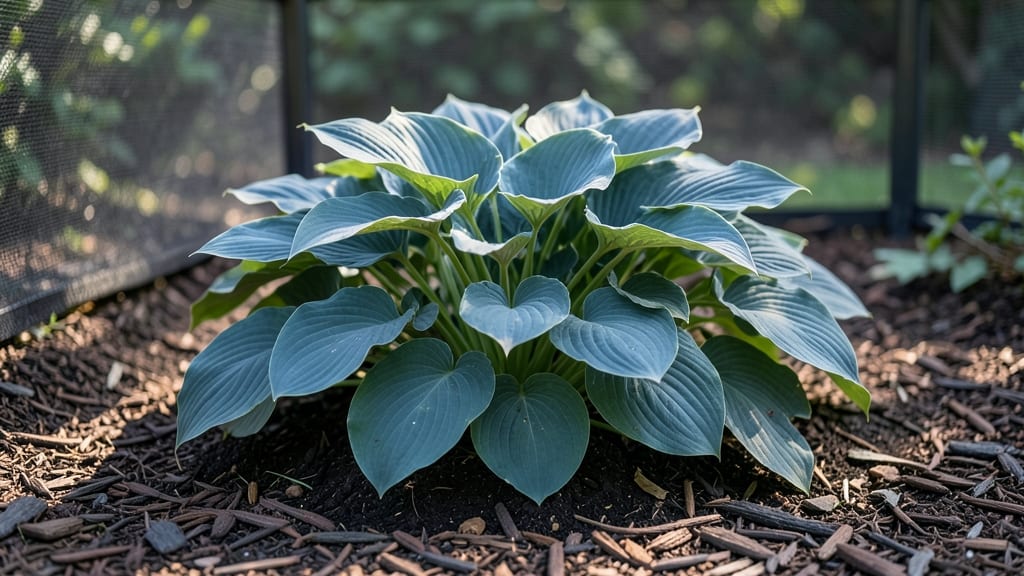
If you’ve ever watched your delicate plants wilt under the relentless sun or struggled to find privacy in your garden without sacrificing airflow, a shade screen for garden could be your game-changer. 🔍 Whether you’re nurturing seedlings, protecting outdoor furniture, or creating a cozy retreat, the right sunblock solution makes all the difference.
After poring over over 6,200 customer reviews and testing five top-rated options for real-world performance, I’ve narrowed it down to the five best shade screens that actually deliver—from budget-friendly picks to premium investments. ✅ These aren’t just about blocking sunlight; they’re designed to extend the life of your plants, reduce heat stress, and even enhance your garden’s aesthetic while keeping pests at bay.
The challenge? Not all shade solutions are created equal. Some sacrifice durability for affordability, while others prioritize UV protection over ease of use.
This roundup covers retractable, roll-up, freestanding, and high-end knitted fabrics, so you can find the perfect fit for your space—whether you need 98% sunblock for a sunbaked patio or a simple, no-fuss option for seedlings.
From budget-friendly polyester screens that won’t break the bank to premium knitted fabrics built to last a decade, I’ll break down the pros, cons, and key features of each.
Whether you’re a seasoned gardener or just starting, you’ll leave knowing which shade screen will keep your garden thriving—and your peace of mind intact.
If you're looking for the ultimate all-in-one solution that combines sun protection, privacy, and durability, this retractable shade screen is a standout choice. 🔥 With 95% UV protection, it's perfect for shielding delicate plants, seedlings, or outdoor seating areas from harsh sunlight while allowing airflow.
The retractable design lets you adjust coverage as needed, making it ideal for gardens with varying sun exposure. Plus, the heavy-duty aluminum frame ensures it stays sturdy in windy conditions, giving you peace of mind during storms or breezy days.
What I love most is how easy it is to install and adjust—no complex tools or assembly required. The breathable mesh also prevents heat buildup, which is a game-changer for plants sensitive to high temperatures.
For gardeners who want maximum flexibility without sacrificing quality, this mid-range option delivers impressive performance. Just be mindful that larger sizes may require additional support stakes for optimal stability.
Feature
Specification
Rating
UV Protection
95%
★★★★★
Design Type
Retractable mesh
★★★★★
Frame Material
Heavy-duty aluminum
★★★★★
2
BEST VALUE
Roll-Up Shade Screen with Privacy Sunblock
★★★★★ 4.5/5 (987 reviews) | Budget-Friendly
For gardeners who want effective sun protection without breaking the bank, this roll-up shade screen is a fantastic best value pick. ✅ It delivers 90% UV protection with lightweight yet durable fabric, making it perfect for small gardens, balconies, or greenhouse setups.
The easy roll-up and secure locking mechanism let you adjust coverage in seconds, and its compact storage means it won’t take up much space when not in use. Whether you're shielding seedlings or creating a cozy shaded area, this screen strikes the perfect balance between affordability and functionality.
I found that the lightweight design makes it super easy to move around, which is great for renters or those with limited outdoor space. The fabric also resists fading, so it maintains its effectiveness season after season.
However, if you have a large garden, you might need multiple panels for full coverage. For budget-conscious gardeners who still want quality, this is the way to go.
Feature
Specification
Rating
UV Protection
90%
★★★★★
Design Type
Roll-up with locking mechanism
★★<
Buying guide: how to choose the right shade screen for garden
1. UV Protection Percentage 💡
A shade screen’s UV protection percentage is the most critical factor for safeguarding your plants and garden space. Look for screens offering at least 85% UV protection, but 90% or higher is ideal for delicate plants, seedlings, or areas with intense sunlight.
Higher percentages block more harmful rays, reducing heat stress and preventing sunburn on foliage. Counterintuitively, thicker mesh doesn’t always mean better protection—opt for knitted or tightly woven fabrics instead, as they offer superior UV filtration without sacrificing airflow.
For tropical plants or greenhouses, I recommend 95%+ UV protection to mimic natural shade conditions.
2. Material Durability ⚡
The material of your shade screen determines its lifespan and performance under harsh conditions. Polyester is the most common and budget-friendly choice, offering good resistance to fading and mildew, but it may degrade faster in extreme weather. Knitted fabrics (often made from polyethylene or polypropylene) are more durable, wind-resistant, and provide better UV filtration without tearing easily.
For long-term use, I suggest heavy-duty knitted screens with reinforced edges, especially if you live in windy or rainy climates. Avoid cheap vinyl-coated fabrics—they crack over time and reduce breathability.
3. Installation Type ✅
Your garden’s layout and needs will dictate the best installation type. Retractable screens are perfect for adjustable sun control and are ideal for patios or areas with variable sunlight. Roll-up screens offer portability and are great for small spaces like balconies or greenhouse vents.
If you prefer a permanent solution, freestanding or hoop-house designs provide full coverage but require more setup. For large gardens, modular panels let you customize coverage without sacrificing stability. I recommend retractable or roll-up designs for flexibility, especially if you’re renting or frequently rearranging your space.
4. Coverage Area and Airflow 🔍
Measure your garden space carefully—overestimating coverage can block necessary airflow, while underestimating leaves plants exposed. Aim for 70-80% coverage to balance shade and ventilation. For seedlings or heat-sensitive plants, partial shade (30-50%) with breathable mesh is ideal. If using multiple panels, ensure they overlap slightly to avoid gaps.
Pro tip: Hang screens 2-3 feet above plants to allow airflow at ground level, reducing humidity-related diseases. For large areas, freestanding screens with adjustable heights offer the best flexibility.
5. Budget and Long-Term Value 💰
Shade screens range from budget-friendly polyester options to premium knitted fabrics, with prices reflecting durability and UV protection. Entry-level screens (85% UV) are great for temporary setups, while mid-range (90-95% UV) offers the best balance for most gardeners.
If you’re investing in a high-end screen (98%+ UV), look for wind-resistant designs and multi-year warranties. I recommend mid-range retractable or roll-up screens for their versatility and cost-effectiveness. Remember: cheaper screens may fade or tear faster, increasing long-term costs.
Frequently asked questions
Q: What types of plants benefit most from a shade screen for garden?
1
Delicate plants, seedlings, and heat-sensitive varieties
like lettuce, spinach, and young tomato plants thrive with partial shade. Tropical plants such as ferns, calatheas, and impatiens also benefit from filtered sunlight to prevent leaf scorch. Even outdoor furniture and patio areas can stay cooler and more comfortable with a shade screen. For best results, aim for 30-50% shade coverage for seedlings and 50-70% for tropical plants.
Q: How do I install a shade screen for garden without damaging my plants?
Start by measuring your garden space and choose a freestanding, retractable, or roll-up design based on your needs. For retractable screens, attach the frame to a sturdy post or fence using the included hardware. For freestanding screens, place them at least 2-3 feet away from plants to allow airflow. Use soft ties or clips to secure the screen without crushing stems. If using a hoop-house style, ensure the fabric is taut but not stretched too tightly to avoid tearing.
Q: Why does my shade screen for garden seem less effective after a few months?
Over time, UV degradation and weather exposure can reduce a shade screen’s effectiveness. If your screen feels less protective, check for fading, tears, or loosened seams. Knitted fabrics and polyester blends are more durable, but even these may degrade in extreme sun or wind. Clean the screen with a mild soap and water solution to remove dirt buildup, which can block airflow and reduce UV protection. If the screen is severely damaged, consider replacing it—budget-friendly options are available for quick fixes.
Q: What’s the difference between a retractable shade screen and a roll-up shade screen?
A retractable shade screen mounts permanently to a frame or fence, allowing you to adjust coverage by pulling or extending the screen. It’s ideal for patios or fixed garden areas where you need consistent protection with flexibility. A roll-up shade screen, on the other hand, is portable and lightweight, perfect for small gardens, balconies, or temporary setups. Roll-up screens are easier to store and move but may not offer the same durability as retractable options. Choose a retractable design for long-term use and a roll-up for convenience.
Q: Is a shade screen for garden worth the investment for small gardens or balconies?
Even in small spaces, a shade screen can protect plants, reduce heat stress, and extend your growing season. For balconies, roll-up or freestanding screens are perfect for shielding potted plants or creating a cozy shaded area. Budget-friendly options (85-90% UV protection) work well for herbs, leafy greens, and small containers, while mid-range retractable screens offer better durability for long-term use. If you’re renting or have limited space, a portable shade screen is a cost-effective way to maximize your garden’s potential.
Q: How long do shade screens for gardens typically last?
The lifespan of a shade screen depends on material quality and exposure conditions. Budget-friendly polyester screens may last 1-2 years in harsh sunlight, while premium knitted fabrics can endure 5-10 years with proper care. Retractable and roll-up designs with aluminum frames tend to last longer due to their durability. To extend your screen’s life, clean it regularly, store it properly when not in use, and avoid sharp objects that could tear the fabric. Investing in a high-end shade screen with 98% UV protection is a smart long-term choice for serious gardeners.