
Planting
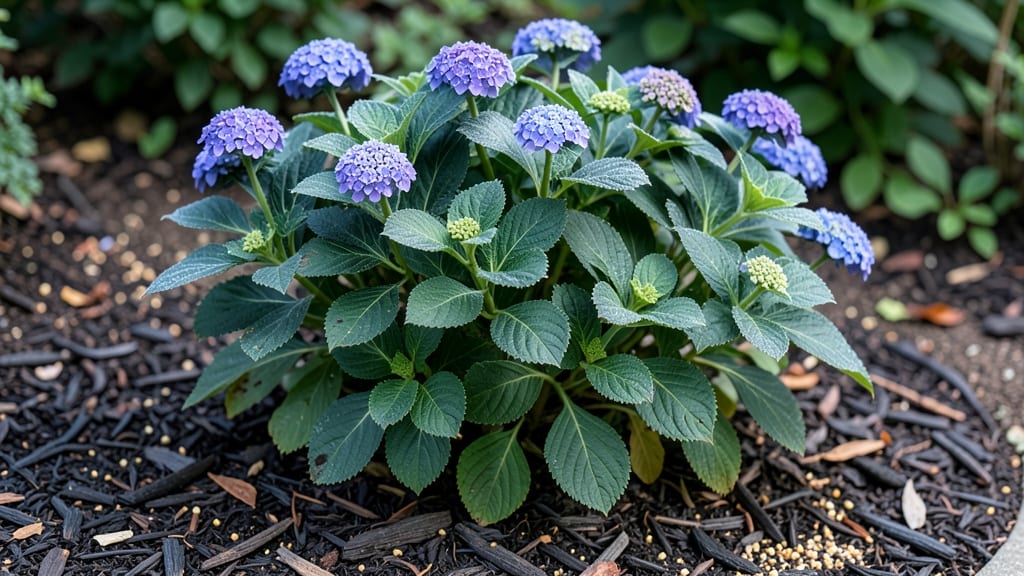
Shade hydrangeas can thrive in Zone 5 with the right cold-resistant varieties, such as Oakleaf and Annabelle, which demand well-draining soil, protective mulch, and careful spring planting after frost danger has passed. Proper winter care—like wrapping plants and reducing watering—helps them survive temperatures down to -20°F.
Growing shade hydrangeas in Zone 5 requires choosing varieties bred to handle cold snaps and seasonal shifts. 🌿 The Oakleaf hydrangea, for example, not only survives winter but also boasts stunning fall foliage, while Annabelle produces large, snowball-like blooms that tolerate frost better than many other types.
The key to success lies in planting after the last frost—typically mid-to-late spring—and ensuring the soil drains well to prevent root rot during winter thaw cycles.
Once established, these plants need minimal winter prep beyond a thick layer of mulch (3-4 inches) and protective wrapping with burlap for extreme cold snaps. Overwatering before dormancy is a common mistake—hydrangeas store moisture in their roots, so reducing irrigation in late fall helps them enter hibernation properly.
For gardeners in Zone 5, timing is everything: prune spent blooms in late summer or early fall, but never in spring, or you risk cutting off next year's flower buds.
💡 In This Article
- Best Cold-Hardy Hydrangea Varieties for Zone 5 Shade
- Zone 5 Hydrangea Planting and Winter Survival Tips
Best cold-hardy hydrangea varieties for Zone 5 shade
Zone 5 gardeners have three standout shade-tolerant hydrangea options that push cold hardiness to -20°F/-29°C or lower: Oakleaf (Hydrangea quercifolia), Annabelle (H. arborescens 'Annabelle'), and Limelight (H. paniculata 'Limelight').
Oakleaf stands out with its lobed, oak-like leaves that turn fiery red in fall—a trait that evolved as a survival adaptation to cooler climates where prolonged sunlight exposure would otherwise scorch foliage.
Its large, cone-shaped blooms appear in late spring and persist into summer, offering extended interest even when temperatures dip.
Annabelle's signature snowball blooms (each up to 12 inches wide) form on sturdy stems that rarely need staking, even in windy Zone 5 winters. Unlike many hydrangeas, its flower heads remain intact through light frosts, thanks to a waxy coating that prevents moisture absorption and freezing damage.
The plant's compact growth (3-5 feet tall) makes it ideal for small gardens where space is limited. What's less obvious is how its root system develops a deeper taproot in cooler soils, allowing it to access moisture during summer droughts—a critical advantage in Zone 5's variable rainfall patterns.
Limelight takes cold hardiness to the next level with its pyramid-shaped blooms that turn from lime green to deep pink as summer progresses.
This variety's secret weapon is its late-season blooming habit—flowers often appear in August-September, well after other hydrangeas have finished, providing late pollinator support when few other plants are in bloom.
The stems contain natural antifreeze compounds that prevent ice crystal formation in cells during winter, a biological adaptation shared with other cold-hardy perennials like Russian sage. 🌿
When comparing these varieties, consider your garden's microclimate: Oakleaf thrives in partial shade (4-6 hours of sun), while Annabelle and Limelight tolerate full shade (less than 4 hours). The trade-off? Oakleaf's dramatic fall color requires slightly more sunlight to develop fully.
All three benefit from acidic soil (pH 5.0-6.0), but Oakleaf is the most flexible—it can adapt to slightly alkaline conditions if amended with peat moss or pine needles.
For gardeners prioritizing low maintenance, Annabelle's disease resistance (particularly against powdery mildew) makes it the top choice. Its flower heads also resist deer browsing better than Oakleaf's foliage, which some wildlife find irresistible.
If you're designing for seasonal interest, pair Oakleaf with spring-blooming bulbs like daffodils—their early foliage will hide the hydrangea's late-winter dormancy period when stems may appear bare.
What most gardeners overlook is how these varieties' growth habits change with age. Young Oakleaf plants grow 12-18 inches per year, but mature specimens can reach 6-10 feet tall—so plan for their eventual size.
Annabelle's growth is more predictable, with 12-24 inches of new growth annually, making it easier to integrate into existing landscapes. All three varieties benefit from late-winter pruning (February-March)** to remove dead stems, but never prune Oakleaf until after its spring blooms appear, as its flowers form on old wood.