
Shrubs
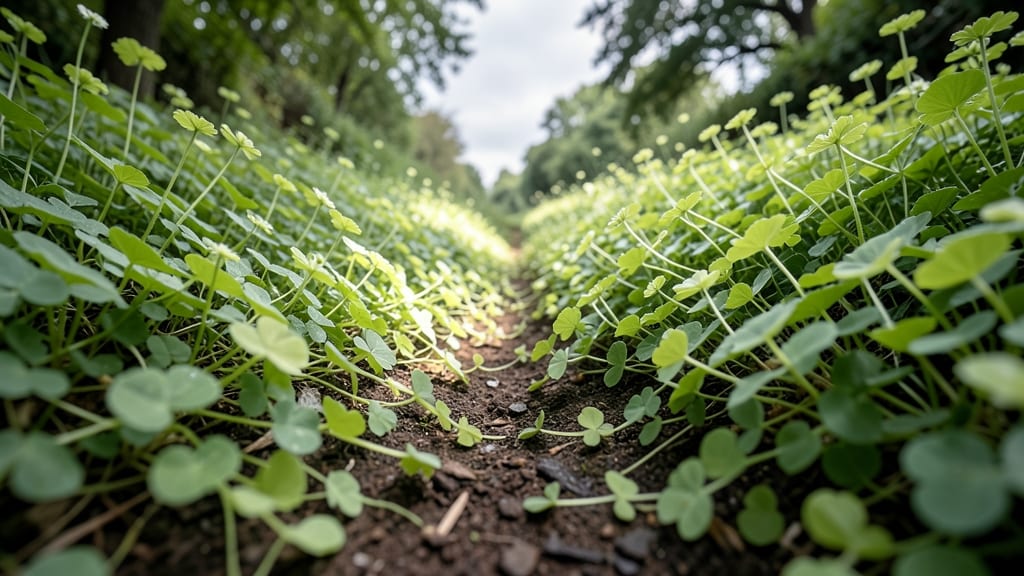
Dark corners of your garden don’t have to be dull—these shade-hardy perennials bring vibrant color, texture, and life to low-light spaces. From bold foliage to delicate blooms, these plants thrive where others fail, creating lush landscapes year-round.
Hostas for Lush Green Ground Cover
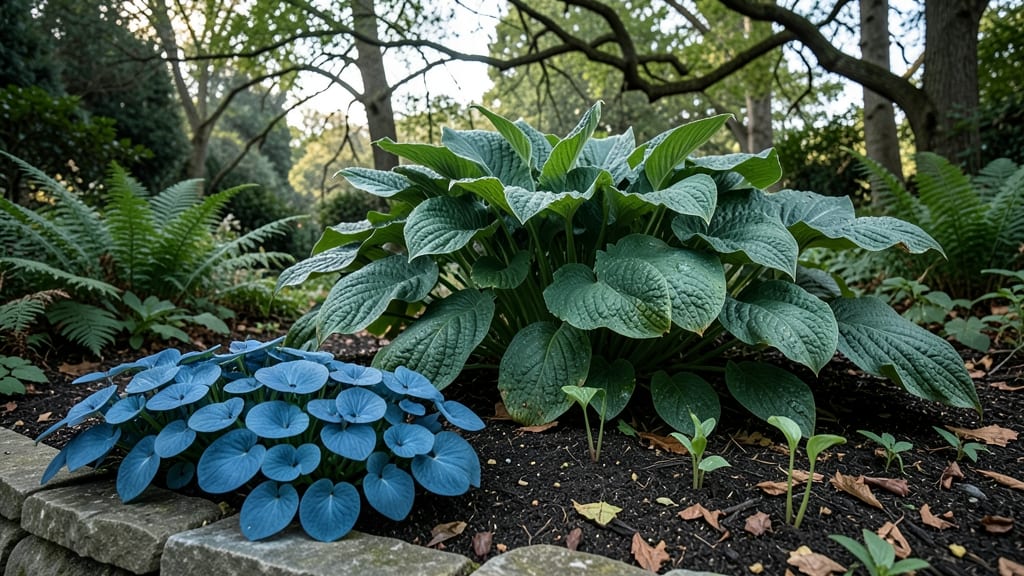
Struggling to make your deep shade garden look anything but dull? Hostas deliver instant drama with their bold foliage, thriving where most plants refuse to grow. These shade-loving perennials come in every size—from the tiny 'Blue Mouse Ears' (just 3 inches wide) to the massive 'Sum and Substance' (3 feet across)—giving you endless design possibilities without the fuss.
Hostas love moist, well-draining soil and partial to full shade, making them perfect for under trees or north-facing beds. Their low-maintenance nature means you’ll spend less time weeding and more time admiring their striking variegation—blue, gold, or white edges that glow in dim light. For extra impact, plant them in clusters with contrasting textures like ferns or hellebores.
Whether you're a beginner or a seasoned gardener, hostas offer year-round interest with their evergreen leaves, making them the ultimate shade garden workhorse. 🌿
Hellebores for Early Spring Blooms
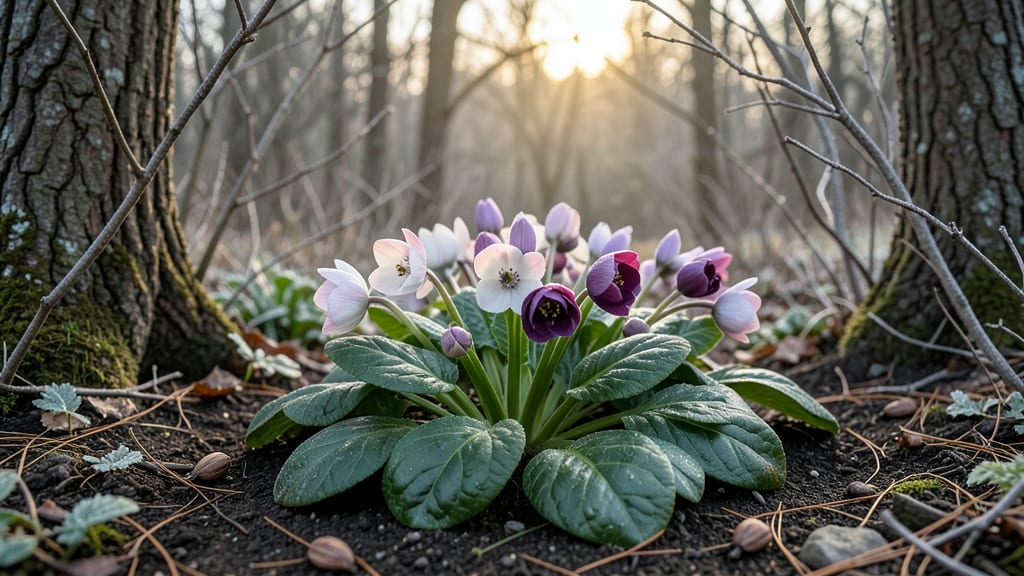
When your garden feels like a blank canvas in late winter, hellebores step in as the unsung heroes of early spring. Nicknamed "Lenten roses," these shade-loving perennials bloom from February through April, defying the cold with their delicate flowers in shades of white, pink, lavender, and deep purple.
Thriving in partial to full shade, hellebores prefer moist, well-draining soil enriched with organic matter. Their leathery, evergreen foliage provides year-round interest, while their unique nodding blooms attract early pollinators like bees. Varieties like 'Annie's Winter Gift' or 'Blackthorn' offer striking color contrasts, making them perfect for woodland gardens or understory plantings.
Ideal for gardeners who crave low-maintenance beauty, hellebores multiply over time and rarely need division. Urban gardeners with shady patios or beginners will love their resilience and cheerful early-season display. 🌷
Ferns for Airy Texture Layers
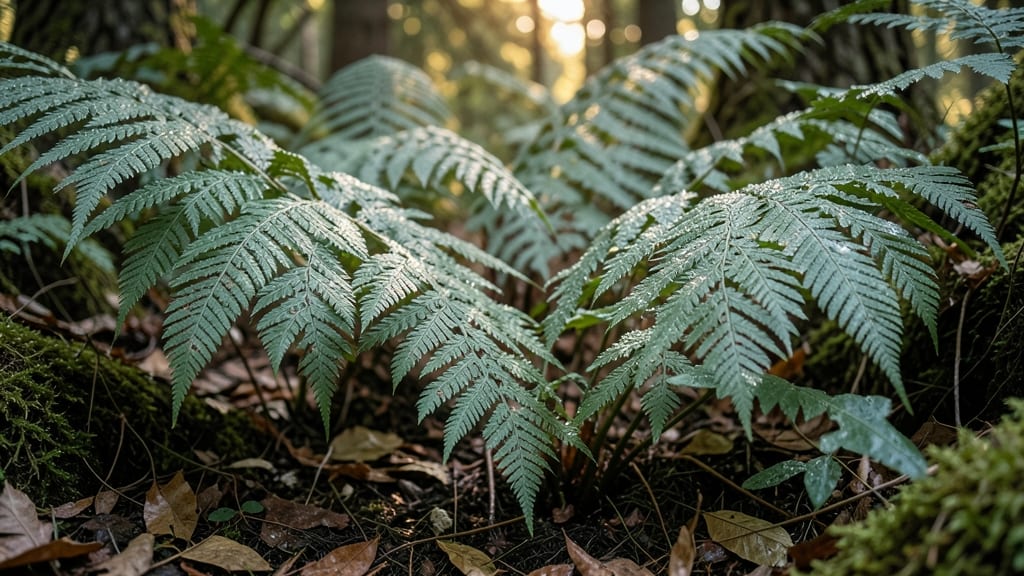
Skip the flashy blooms—ferns bring effortless elegance to shady spots with their feathery fronds and natural movement. Unlike flowering perennials, ferns like Ostrich Fern and Maidenhair Fern thrive in the damp, low-light conditions where most plants wilt, making them the unsung heroes of woodland gardens.
For best results, plant them in moist, well-draining soil—think mulched garden beds or near water features. Their lacy textures create visual layers, perfect for filling gaps between hostas or hellebores. Prune spent fronds in early spring to encourage fresh growth, and watch them bounce back year after year with minimal fuss.
Urban gardeners and woodland enthusiasts will love how ferns soften hard edges and add year-round interest—no blooms required. 🌿
Astilbes for Feathery Flower Spikes
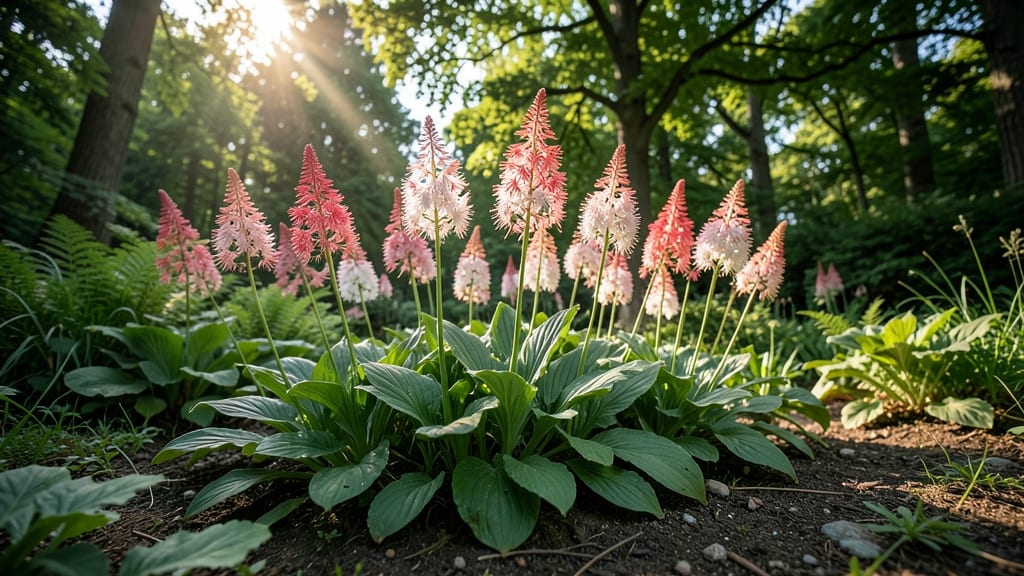
Transform your shady garden borders into a hummingbird haven with astilbes, whose feathery plumes burst in shades of pink, red, and white. These shade-loving perennials thrive in conditions where other plants falter, making them perfect for woodland gardens or north-facing beds.
Plant astilbes in moist, well-draining soil with partial to full shade for the best results. Their airy flower spikes (up to 3 feet tall) create vertical drama while attracting pollinators like hummingbirds. Varieties like 'Fanal' (deep red) or 'Glut Game' (pink) bloom from early to midsummer, offering long-lasting color.
Urban gardeners and woodland enthusiasts will love how astilbes pair beautifully with hostas and ferns, adding height and movement to shady spots. Just keep soil consistently moist for peak performance. 🌻
Japanese Painted Ferns for Unique Patterns
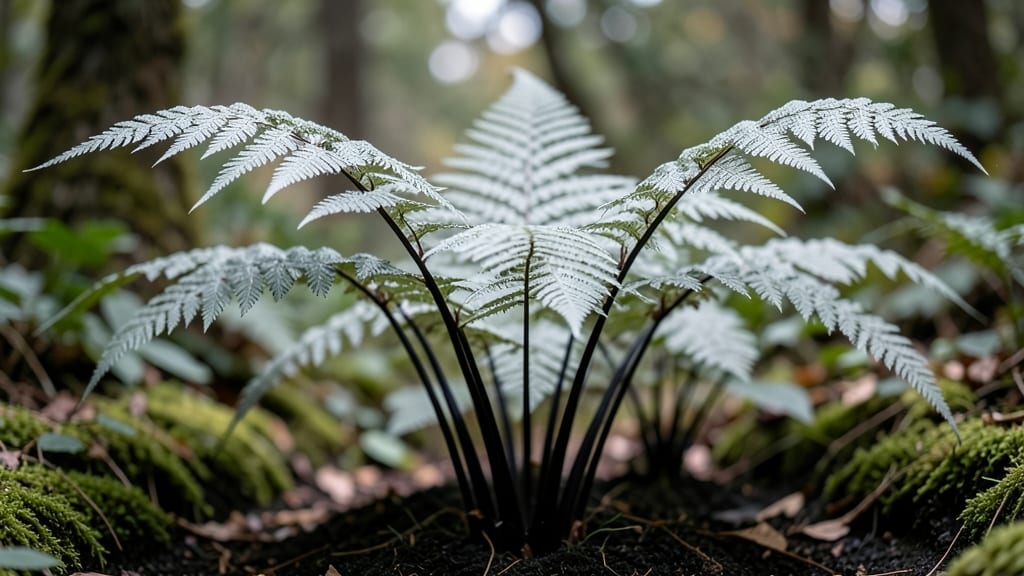
When you need to make a statement in shady spots without relying on flowers, Japanese painted ferns deliver dramatic contrast with their silvery-green fronds and jet-black stems. This fern thrives where others falter, creating bold architectural interest that elevates containers, borders, or woodland gardens.
Their unique patterned foliage remains striking year-round, making them a low-maintenance star for gardeners who crave texture. Plant them in moist, well-draining soil with partial to full shade—they’ll reward you with lush, upright growth that stands out against darker foliage like hostas or hellebores.
Urban gardeners and container lovers will appreciate how these ferns add visual punch without requiring constant attention. Pair them with astilbes or coral bells for a layered shade garden that feels both wild and intentional. 🌿
Lungwort for Healing and Colorful Spots
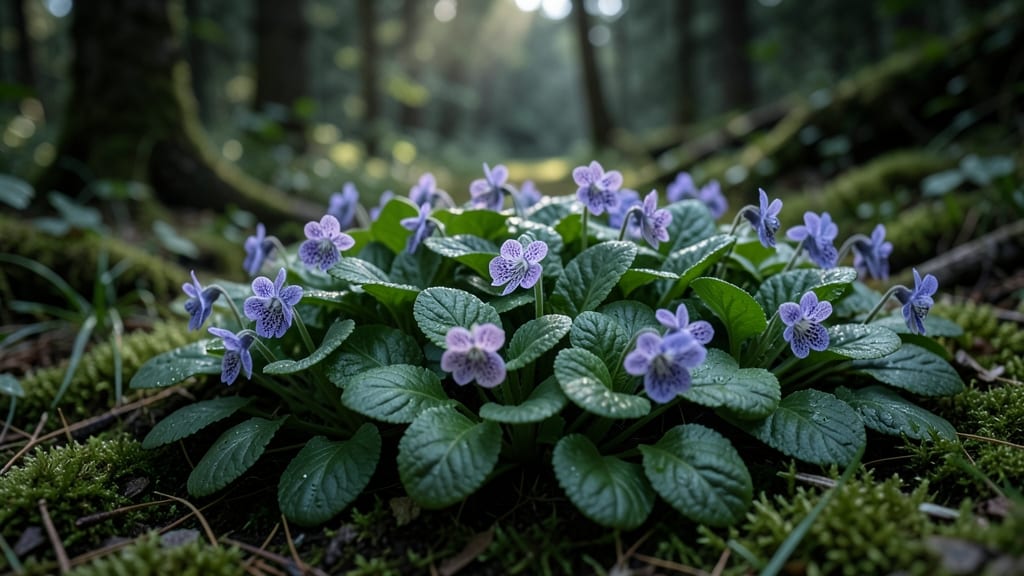
Forget the typical shade perennials—lungwort (Pulmonaria spp.) brings a dual-purpose punch with its edible leaves and striking purple-blue spotted flowers. This underrated plant thrives in damp, shady spots where most perennials refuse to grow, making it perfect for woodland gardens or understory plantings near streams.
Beyond its ornamental value, lungwort’s leaves were historically used in herbal remedies for respiratory health, while its early spring blooms attract pollinators like bees when little else is flowering. Varieties like 'Sissinghurst White' or 'Blue Ensign' offer contrasting foliage and blooms, creating visual interest from late winter through spring.
Ideal for gardeners who want both beauty and function, lungwort pairs well with ferns and hellebores in shady borders. Its low-maintenance nature makes it a winner for busy gardeners or those with challenging, damp sites. 💚
Coral Bells for Dazzling Foliage Variety
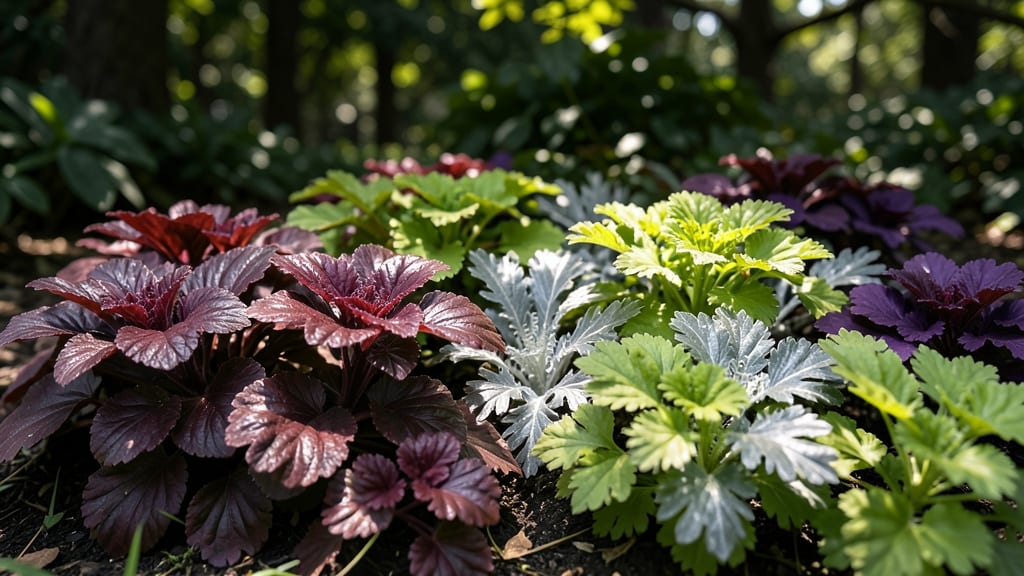
Ready to turn your shady garden into a colorful masterpiece without relying on flowers? Coral bells (Heuchera) deliver stunning foliage in shades of purple, silver, lime green, and even deep burgundy—all while thriving in partial to full shade. This versatile perennial offers year-round interest, with delicate flowers in spring adding a subtle bonus.
Plant Heuchera in well-draining soil with morning sun or dappled shade, and watch its leaves glow with intensity. Varieties like 'Palace Purple' or 'Lime Rickey' create striking contrasts, making them perfect for containers, borders, or edging. Their compact size (12-18 inches tall) means you can mix them with ferns or hostas for layered texture.
Urban gardeners and container lovers will adore how coral bells add bold color with zero fuss—ideal for small spaces or modern designs. Plus, their drought tolerance once established makes them a low-maintenance star. 💚
Bleeding Heart for Romantic Draping Blooms
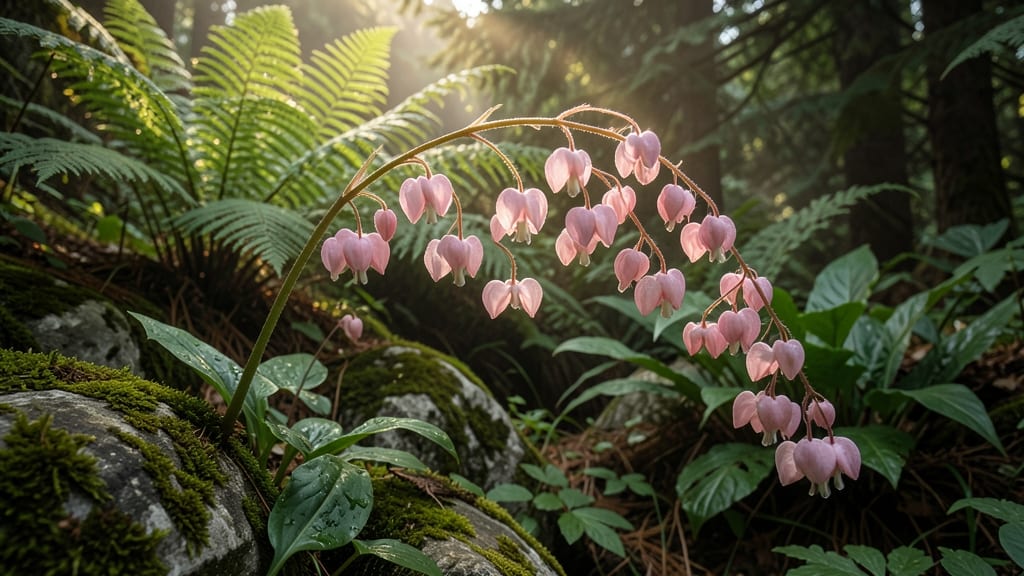
Craving a touch of romance in your shady garden corners? Bleeding heart (Dicentra spectabilis) delivers with its heart-shaped pink or white blooms that dangle like delicate lace from arching stems. This shade-loving perennial transforms woodland gardens into whimsical retreats, offering season-long interest from late spring through summer.
Plant bleeding heart in moist, well-draining soil with partial to full shade—it thrives where most perennials would struggle. Its fern-like foliage provides year-round texture, while its flowers create a dreamy, cascading effect perfect for borders or woodland edges. Varieties like 'Valentine' (deep pink) or 'Alba' (pure white) add contrasting color palettes to shady spots.
Gardeners who love cottage-style gardens or romantic planting schemes will adore how bleeding heart pairs with hostas and ferns, creating a lush, layered look. Just keep soil consistently moist for peak performance—this is one shade perennial that rewards patience with breathtaking elegance. 🌷
Solomon’s Seal for Arching Elegance
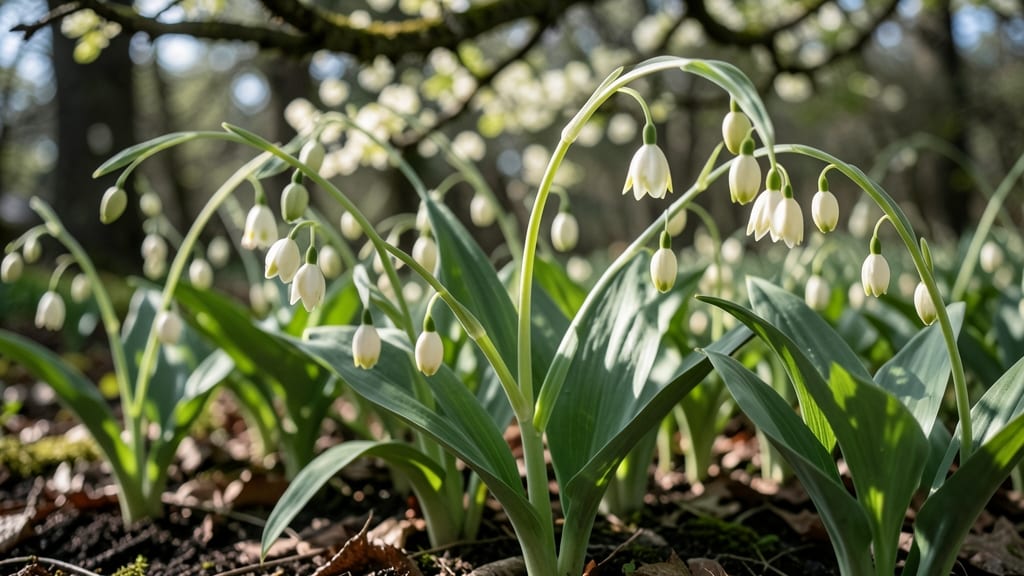
Turn your shady garden corners into a living watercolor with Solomon’s Seal (Polygonatum), whose graceful arching stems and dangling white or yellow-green flowers create natural vertical lines that dance in the breeze. Unlike flat-leaved perennials, this plant adds dynamic movement and height—ideal for framing pathways or softening woodland edges where sunlight barely reaches.
Thriving in partial to full shade, Solomon’s Seal prefers moist, well-draining soil and spreads slowly to form dense colonies. Its semi-evergreen foliage stays attractive year-round, while the bell-shaped flowers (followed by edible blue berries) provide seasonal interest. Varieties like 'Variegatum' add golden stripes for extra contrast, making it a standout in shady borders.
Perfect for gardeners who love low-maintenance elegance, this perennial pairs beautifully with ferns and hostas while requiring minimal care. Its arching habit creates visual interest without needing staking, making it a top choice for woodland gardens or understory plantings. 🌿
Sweet Woodruff for Fragrant Ground Cover

Want to turn a dull, shady pathway into a fragrant garden experience? Sweet woodruff (Galium odoratum) spreads like a living carpet while releasing a subtle vanilla-like scent when its leaves are brushed or crushed—a sensory treat for gardeners and passersby alike. This shade-loving perennial thrives where others refuse to grow, making it perfect for understory plantings or woodland gardens.
Plant sweet woodruff in partial to full shade with moist, well-draining soil, and watch it form dense mats that suppress weeds naturally. Its delicate white star-shaped flowers bloom in late spring, adding fleeting beauty before the fragrant foliage takes over. For best results, mulch lightly to retain moisture and prevent competing weeds.
Ideal for cottage gardeners, woodland enthusiasts, or anyone seeking a low-maintenance ground cover, sweet woodruff pairs beautifully with hostas or ferns while adding a unique aromatic element to your shade garden. 🌿