
Flowers
Zone 6 gardeners know shade can be challenging—but these 10 hardy flowers thrive in low light while enduring heavy rain and humidity. Perfect for borders, woodland gardens, or under trees, these blooms require minimal care and maximum impact.
Bleeding Heart Plant for Woodland Gardens
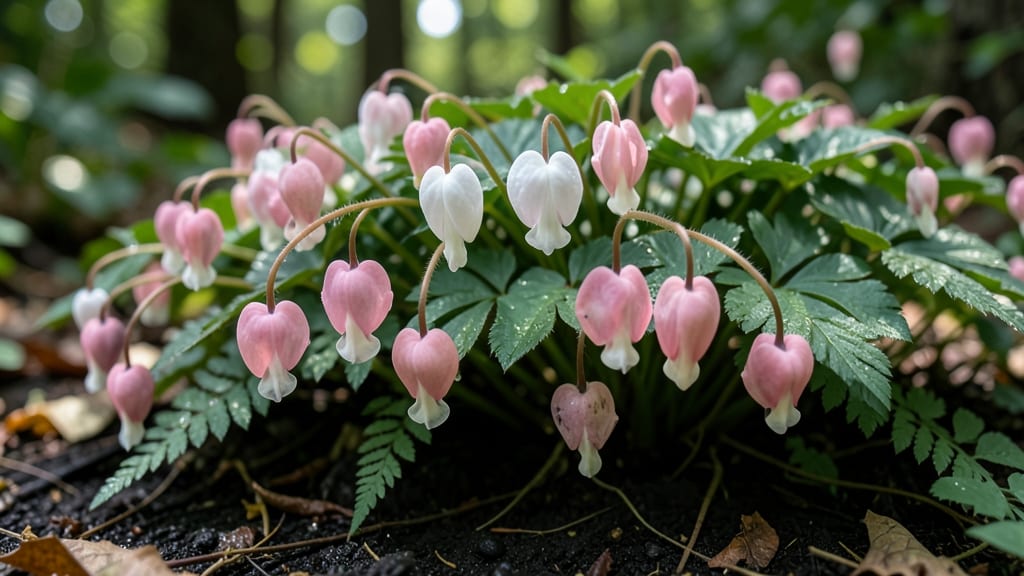
Transform your shady spots into a romantic retreat with the bleeding heart plant (Dicentra spectabilis), a Zone 6 staple that thrives where others falter. Its delicate, heart-shaped blooms in soft pink or white cascade like a watercolor painting, making it the perfect centerpiece for woodland gardens or understory plantings.
This wet-soil-tolerant perennial loves partial shade (3–6 hours of sun) and even soggy conditions, flourishing in rich, moist soil with organic matter. For best results, plant in spring or early fall when temperatures are mild, and mulch heavily to retain moisture. Deadhead spent blooms to encourage a second flush of flowers, and divide clumps every 3–4 years to prevent overcrowding.
Cottage gardeners and woodland enthusiasts will adore how bleeding heart softens hard edges while attracting hummingbirds and butterflies. Its late spring to early summer blooming time bridges the gap between early spring ephemerals and summer perennials, ensuring your shade garden stays vibrant. 🌷
Hostas with Blue-Green Variegated Leaves
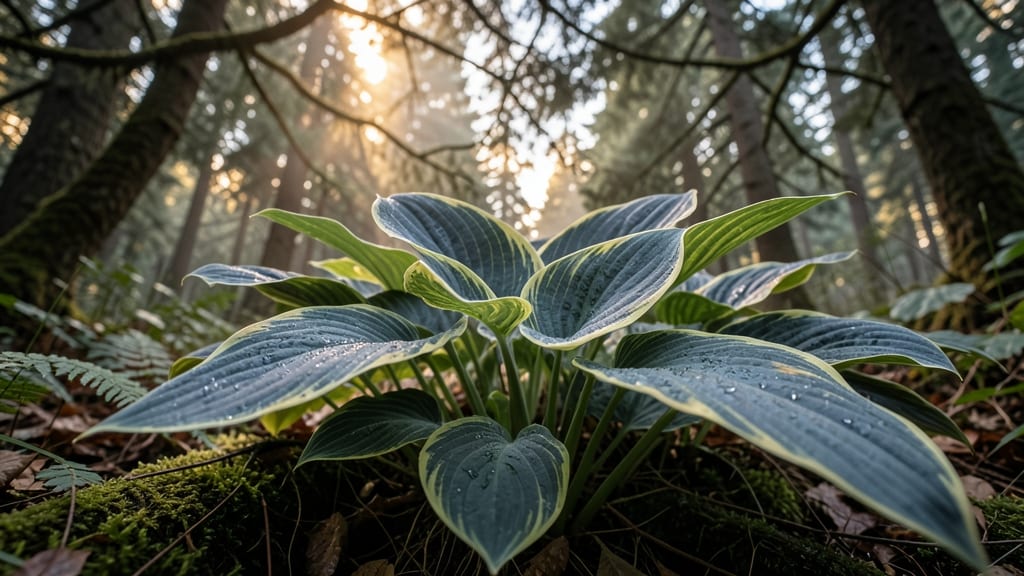
If you’ve ever struggled to keep plants alive under the dense canopy of trees, hostas with blue-green variegated leaves are your secret weapon. These hardy perennials thrive in deep shade and high humidity, making them ideal for shady spots where other plants struggle.
With minimal care—just consistent moisture and well-draining soil—these hostas deliver year-round foliage interest, even when not in bloom. Their striking blue-green variegation adds texture and contrast to shady gardens, while their low-maintenance nature makes them perfect for beginners or busy gardeners. Plant them in clusters for bold impact or as edging for clean lines. 💚
Astilbe for Lush, Featherlike Flower Spikes
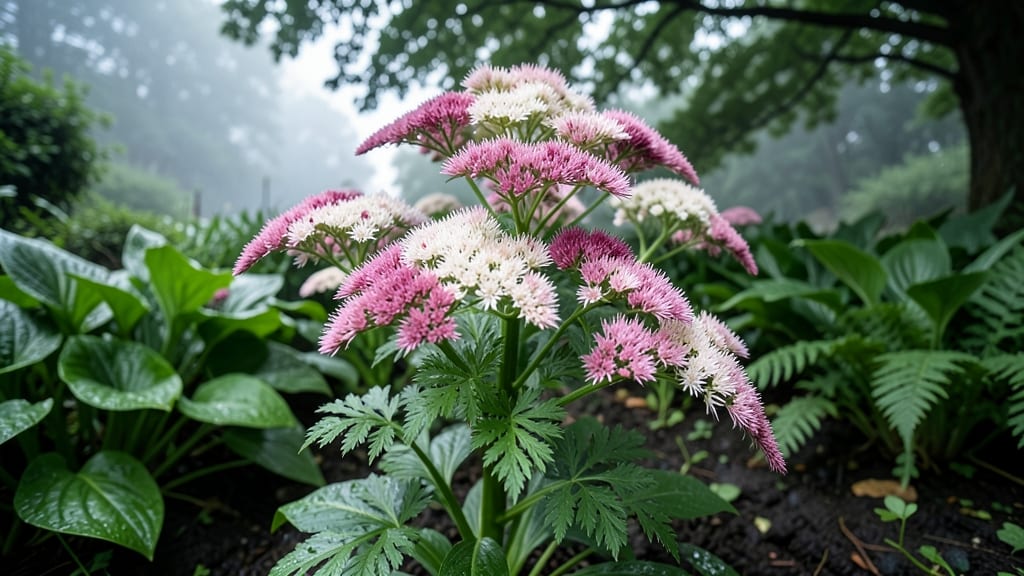
If your shade garden feels like a battleground against soggy soil and relentless humidity, astilbe is your secret weapon. This feathery-flowered perennial not only survives but thrives in damp conditions—unlike many shade plants that wilt at the first sign of moisture.
Once established, astilbe becomes drought-tolerant, making it ideal for moist garden beds or rain-prone areas. Choose from vibrant pink, red, or white flower plumes that bloom from mid to late summer, adding vertical drama to your shade garden. Plant in well-draining soil with morning sun and afternoon shade for the best results.
Gardeners in Zone 6 will love how astilbe handles humidity better than most shade flowers, offering year-round interest with its lush foliage and long-lasting blooms. 🌻
Japanese Painted Fern for Year-Round Interest
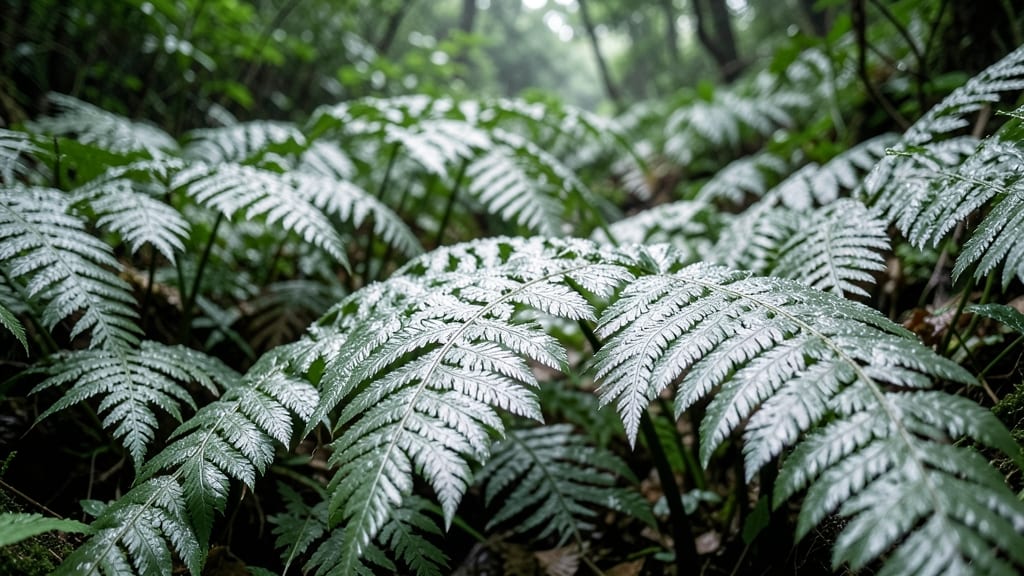
Looking for a shade plant that delivers year-round visual interest without the fuss of seasonal blooms? The Japanese painted fern (Athyrium niponicum var. pictum) is your answer—its silver-and-green fronds create a striking contrast even when not in flower.
This hardy fern thrives in moist, shady spots (think under trees or along woodland edges) and tolerates Zone 6’s humidity and occasional drought once established. Its delicate, lacy foliage adds texture to borders, while its slow-spreading habit makes it ideal for low-maintenance gardens. A light mulch layer helps retain moisture, and it pairs beautifully with hostas or astilbes for layered shade designs.
Perfect for gardeners who want color and structure without the upkeep of flowering plants, this fern is especially great for urban gardens or small spaces where shade dominates. 🌿
Hellebore (Lenten Rose) for Early Spring Blooms
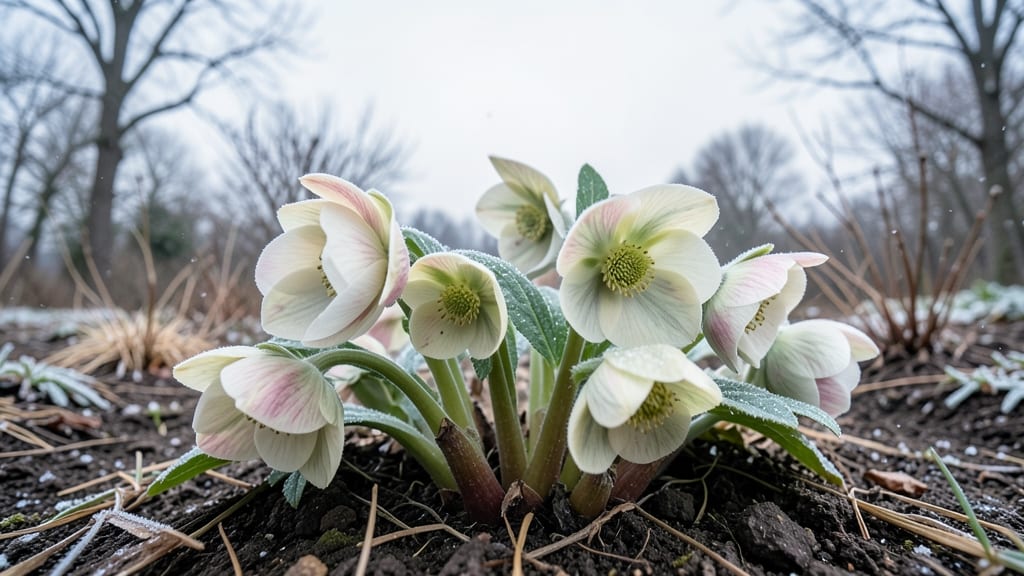
When your garden feels like it’s still hibernating in late winter, hellebores (Lenten Rose) burst onto the scene as one of the first Zone 6 bloomers, often appearing in February or March—sometimes even through light snow. Their nodding, cup-shaped flowers in shades of white, pink, or green defy the cold, offering a splash of color when most plants are still dormant.
These shade-tolerant powerhouses thrive in heavy shade (even under dense trees) and wet soil, making them ideal for problem areas like boggy spots or north-facing beds. They’re also deer-resistant and low-maintenance, requiring only occasional division every few years. For best results, plant hellebores in well-draining soil and avoid over-fertilizing—they prefer lean conditions. Their evergreen foliage adds winter interest, while their spring blooms attract early pollinators like bees.
Perfect for woodland gardens, cottage-style borders, or as a focal point under trees, hellebores reward patience with year-round structure and early-season color. They’re especially great for gardeners who want low-effort beauty without sacrificing hardiness. 💚
Tiarella (Foamflower) for Ground Cover
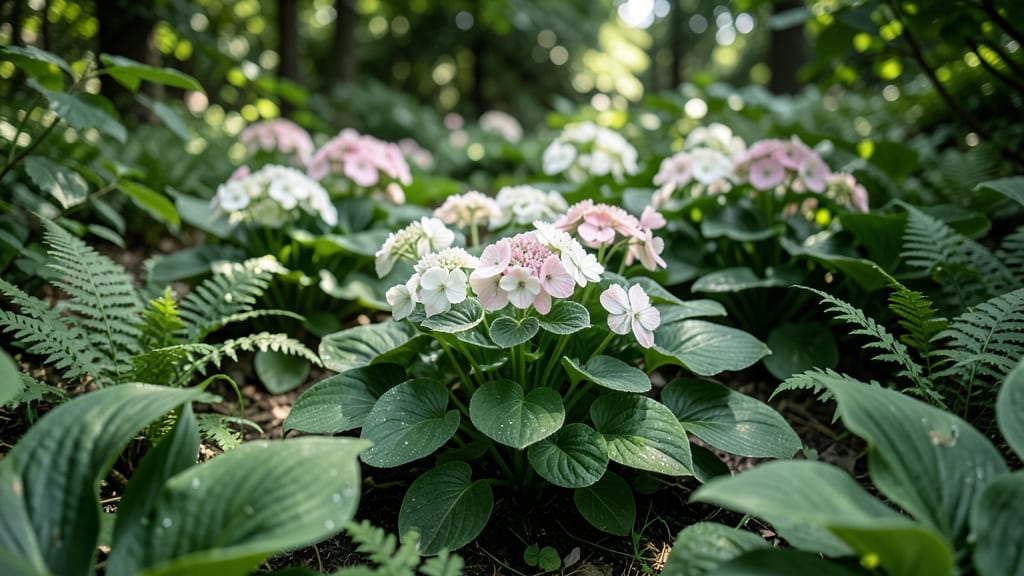
If you’re struggling to fill those tricky spots between hostas and ferns where nothing seems to thrive, tiarella (foamflower) is your secret weapon. This low-growing perennial spreads gracefully while delivering frothy white or pink blooms that dance above heart-shaped leaves—ideal for softening garden edges or creating a woodland carpet.
Thriving in deep shade to partial sun, tiarella handles damp soil better than most shade plants, making it perfect for rain-heavy Zone 6 gardens. Plant it in well-draining, moist soil enriched with compost, and watch it self-seed gently over time. Its spring blooms (March–May) provide early color before fading into lush foliage that stays attractive all season.
Best for gardeners who want effortless ground cover without invasive spread, tiarella pairs beautifully with hellebores and ferns. 🌿
Coral Bells (Heuchera) for Stunning Foliage
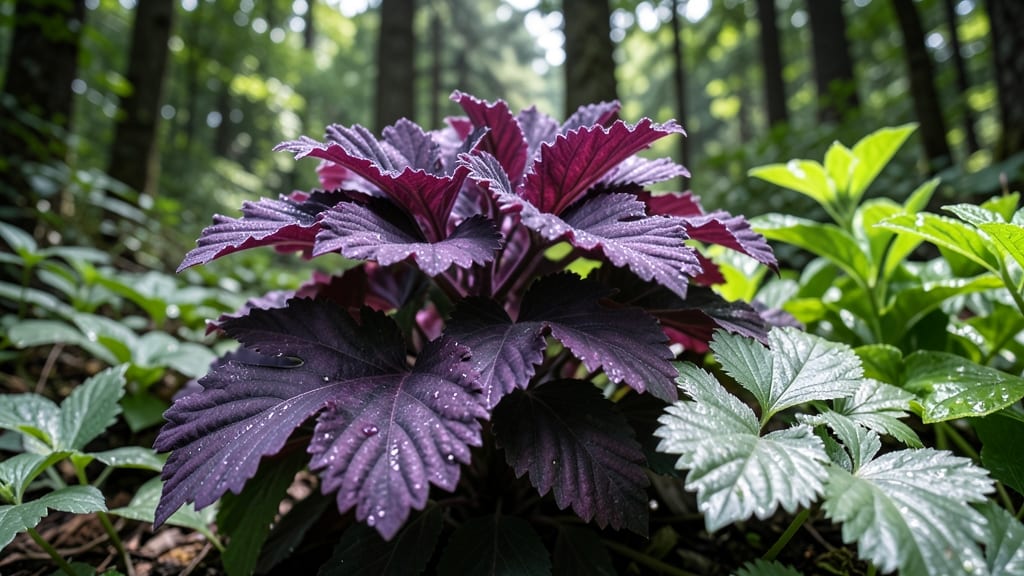
If you’re tired of shade plants that fade into the background, coral bells (Heuchera) are your secret weapon. These perennials steal the show with their vibrant purple, silver, or lime-green foliage, which stays striking from spring through winter—no flowers required!
Thriving in partial shade and even dry spells once established, coral bells handle humidity and Zone 6’s fluctuating weather like a champ. Plant them in well-draining soil with 3-6 hours of morning sun for optimal color intensity, and watch their ruffled leaves add texture to borders, containers, or woodland gardens.
Perfect for urban gardeners with limited space or those who love low-maintenance plants, coral bells bring year-round color without the fuss. 💚
Lungwort (Pulmonaria) for Unique Spotted Leaves
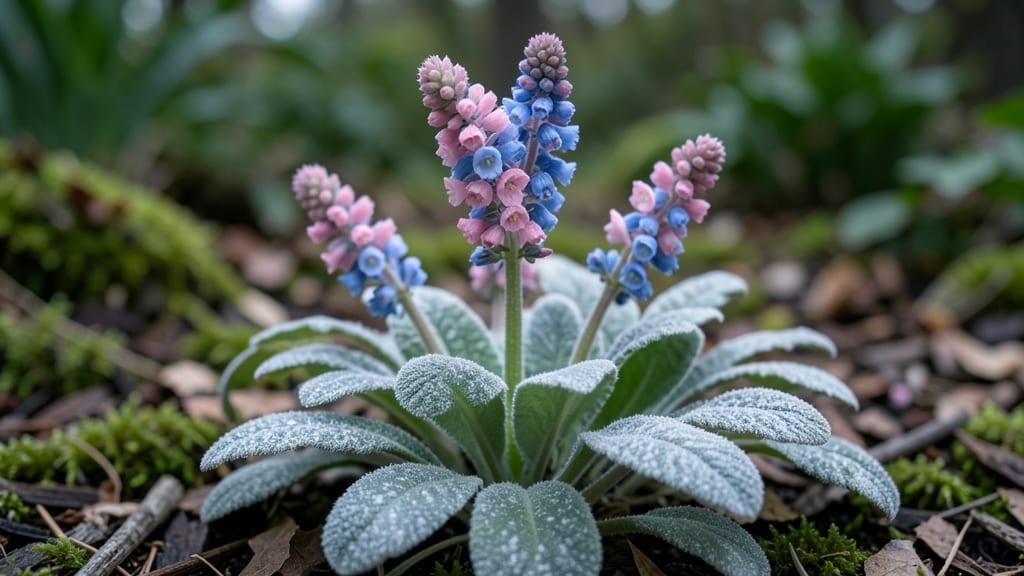
If you're craving early spring color in your shade garden, lungwort (Pulmonaria) delivers with its striking silver-spotted leaves and clusters of pink-to-blue flowers. Unlike many shade plants that focus solely on foliage, lungwort offers a two-season show—first with its unique leaves, then with blooms that appear before most perennials even think about waking up.
This moisture-loving perennial thrives in partial to full shade, making it perfect for woodland gardens or understory planting. The flowers even have a magical quality—they start pink and gradually shift to blue as they age, creating a natural gradient in your garden. Deadhead spent blooms to encourage more flowers, and enjoy its deer-resistant nature, which is a bonus for gardeners in rural areas.
Lungwort is especially rewarding for cottage gardeners or those creating wildflower meadows, as it attracts early pollinators like bees. Plant it in well-draining, humus-rich soil and water regularly until established—then sit back and enjoy its effortless beauty. 🌿
Sweet Woodruff for Fragrant Ground Cover
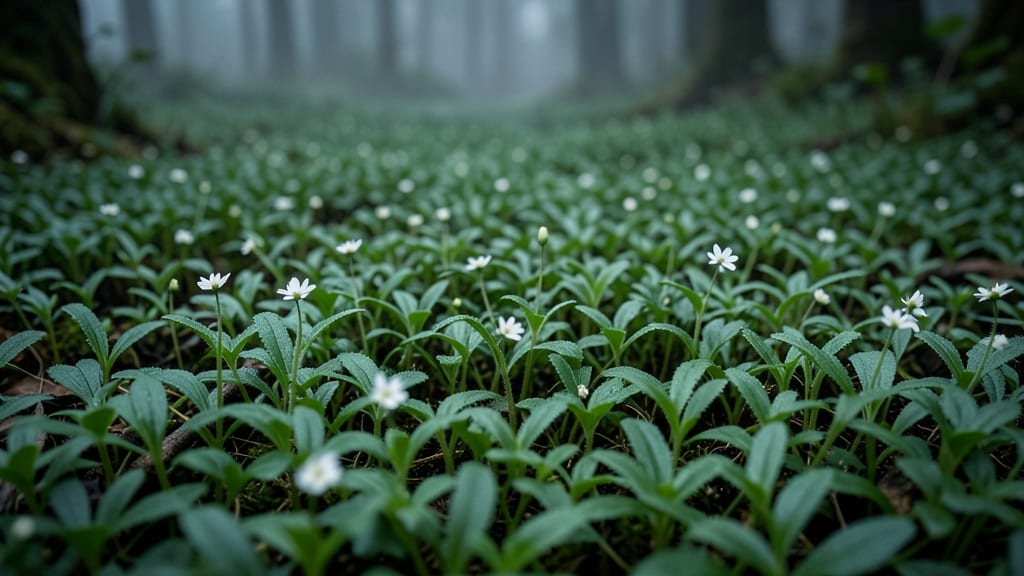
If you’ve ever dreamed of a garden that smells as good as it looks, sweet woodruff (Galium odoratum) is your secret weapon. This charming ground cover thrives in deep shade, where most plants struggle, and rewards you with a vanilla-like fragrance when its leaves are brushed or crushed—perfect for sensory gardens or pathways.
Plant it in moist, well-draining soil under trees or along shady borders, where it spreads gently to form a lush, fragrant carpet. The delicate white star-shaped flowers bloom in late spring, attracting pollinators, while its low-growing habit (6–12 inches tall) makes it ideal for understory planting. It’s also deer-resistant and thrives in Zone 6’s climate, making it a low-maintenance star.
Gardeners who love textural contrast or want to add a subtle, sweet scent to their shade gardens will adore sweet woodruff—it’s the perfect companion for hostas or ferns. 🌿
Solomon’s Seal for Arching Stems and Berries

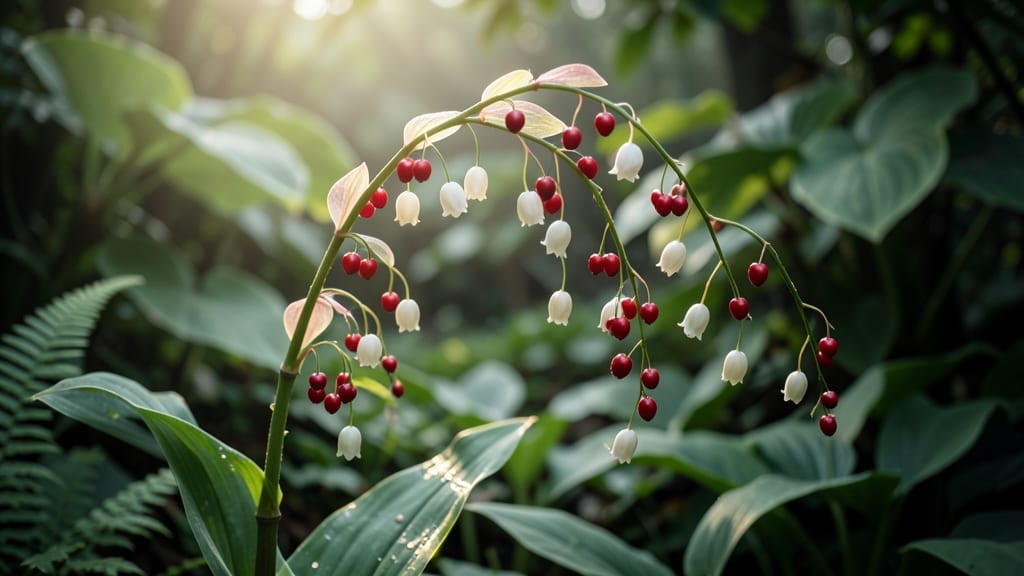
Looking to add vertical drama to your shade garden without sacrificing elegance? Solomon’s Seal (Polygonatum) delivers arching, cascading stems that dance with delicate white bell-shaped flowers in spring, followed by clusters of red berries that add seasonal interest. This hardy perennial thrives in partial shade and handles humidity better than many shade plants, making it a low-maintenance star.
The plant’s graceful, semi-evergreen foliage provides year-round texture, while its arching habit creates natural movement in garden beds. Plant it in moist, well-draining soil with morning sun and afternoon shade for best results. Divide clumps every 3-4 years to maintain vigor, and pair it with hostas or ferns for a layered woodland effect. Deer tend to avoid it, too!
Perfect for gardeners who love structure without fuss, Solomon’s Seal elevates shady spots with its seasonal color shifts and architectural form. 🌷