
Plants
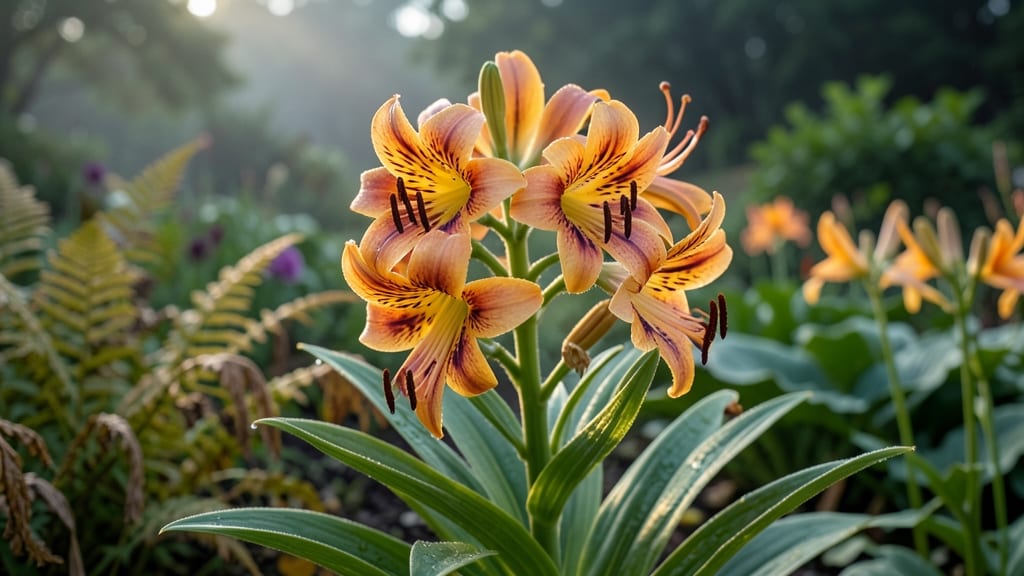
Transform your shady garden into a vibrant retreat with these 10 low-maintenance perennials that bloom beautifully in partial shade. Perfect for moist, cool spots where sun-loving plants struggle, these flowers deliver year-round interest with minimal effort.
Hostas for Lush Green Foliage
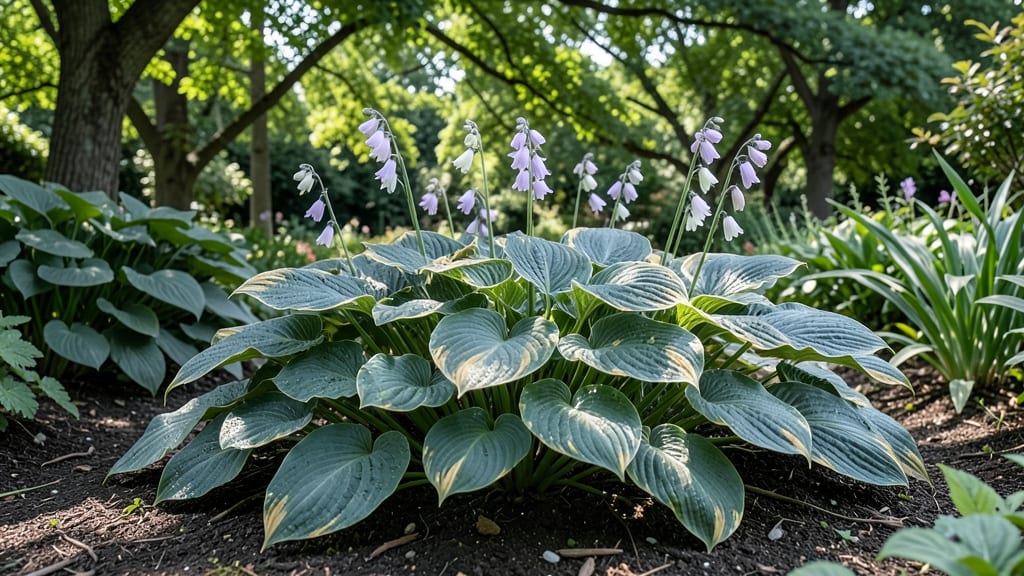
Tired of bare spots in your shady garden? Hostas are the unsung heroes of deep shade, offering bold foliage and summer blooms that thrive where other plants struggle. Their variegated leaves—in shades of blue, green, and gold—create instant texture, while their delicate lavender or white flowers add seasonal interest.
These perennials love consistent moisture and well-drained soil, making them ideal for underplanting trees or lining shady borders. Choose compact varieties like 'Blue Angel' for containers or sprawling types like 'Francee' for ground cover. With minimal care, hostas reward you with lush, year-round greenery that’s deer-resistant and slug-proof.
Perfect for beginners, hostas bring effortless elegance to any shade garden—no fuss, just foliage that steals the show. 🌿
Bleeding Heart for Delicate Spring Blooms
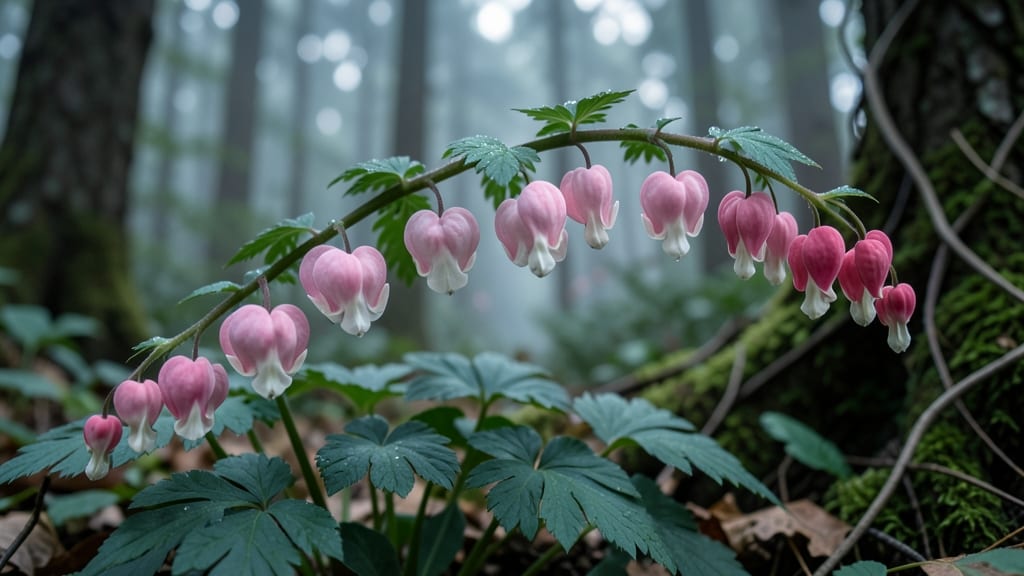
If you dream of a garden that feels like a secret woodland retreat, bleeding heart (Dicentra spectabilis) is your star player. These romantic, heart-shaped blooms dangle like tiny lanterns from arching stems, transforming shady corners into whimsical spring displays that return in cooler months.
Thriving in partial to full shade, bleeding heart loves consistently moist, well-drained soil—think woodland edges or cottage garden borders. Plant in early spring for summer blooms, and mulch heavily to retain moisture. The reblooming varieties (like 'Strawberry 'n' Cream') give you a second show in fall, extending your seasonal interest.
Perfect for gardeners who adore delicate textures and long for a touch of old-fashioned charm, bleeding heart pairs beautifully with ferns and hostas. Just be patient—it may take a year or two to establish before it rewards you with its signature cascading display. 🌷
Astilbe for Feathered Summer Flowers
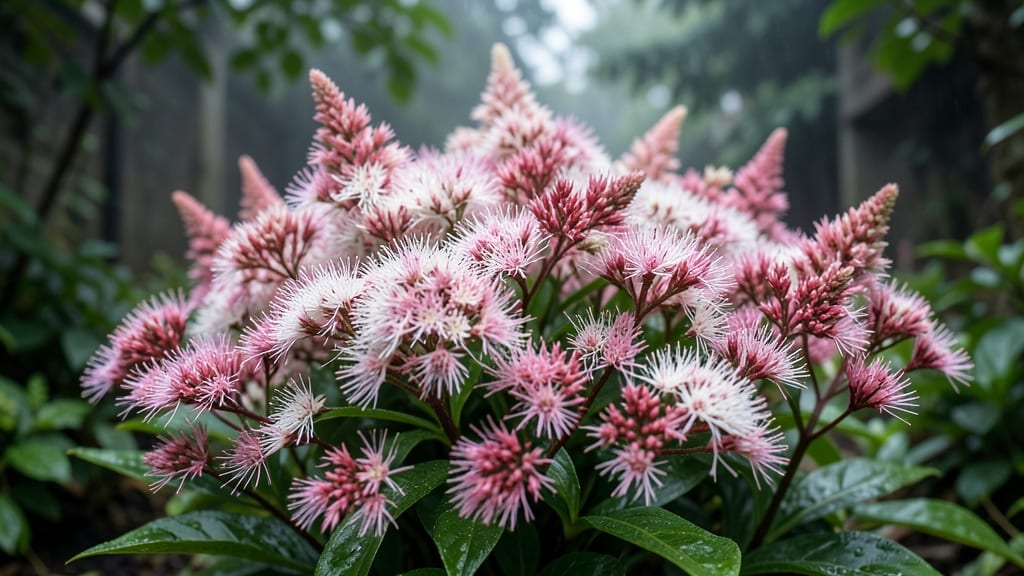
Want to add dramatic texture and vibrant color to your partial shade garden without the fuss of high-maintenance plants? Astilbe delivers feathery plumes in shades of pink, white, and red that will make your borders or containers stand out all summer long.
These clump-forming perennials thrive in moist, well-drained soil and partial shade, making them perfect for woodland gardens, under trees, or even as a striking container specimen. With heights ranging from 1.5 to 3 feet, they add vertical interest while their fern-like foliage provides year-round texture. Just keep the soil consistently moist—drought stress will cause the plumes to wilt faster.
Urban gardeners and container enthusiasts will love how astilbe performs in pots, while cottage gardeners can use it to create romantic, layered borders. Pair it with hostas or bleeding heart for a lush, shade-loving combo that blooms from early to midsummer. 💚
Hellebores for Early Winter Color
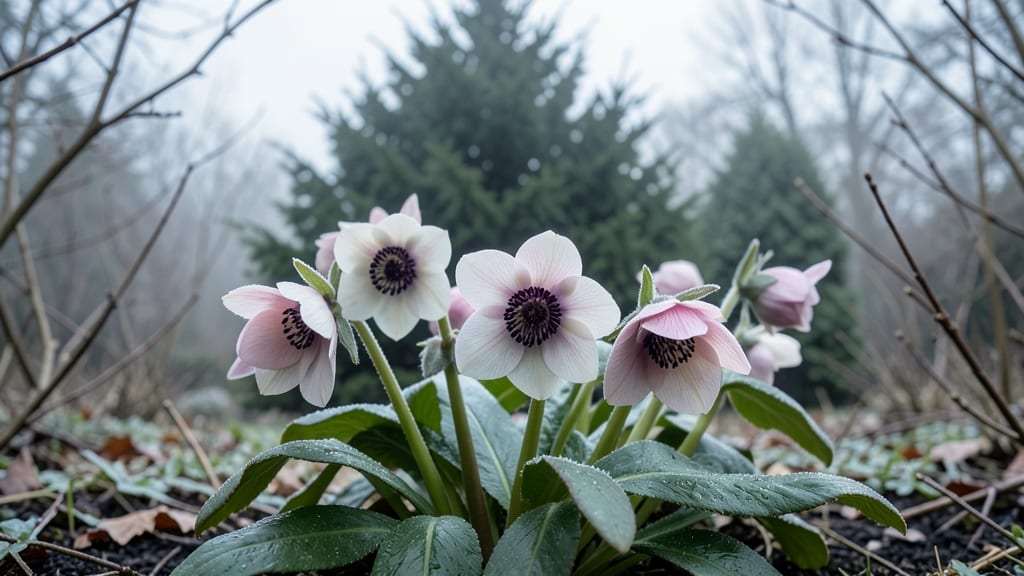
When your garden looks like a blank canvas in late winter, helleborus niger (also called Lenten roses) steps in to paint it with color. These evergreen perennials bloom from February through April, offering delicate flowers in white, blush pink, or deep purple when most other plants are still dormant.
Thriving in partial shade to full shade, hellebores prefer well-drained, humus-rich soil with consistent moisture. Their leathery leaves stay green year-round, and their nodding blooms attract early pollinators. For best results, plant them in clusters of 3-5 for a natural woodland effect, and avoid heavy mulch that can smother their shallow roots.
Perfect for gardeners who want year-round interest with minimal effort, hellebores are especially rewarding for those with shaded borders or woodland gardens. They’ll keep your space vibrant long after winter’s last frost. 💚
Japanese Painted Fern for Textured Foliage
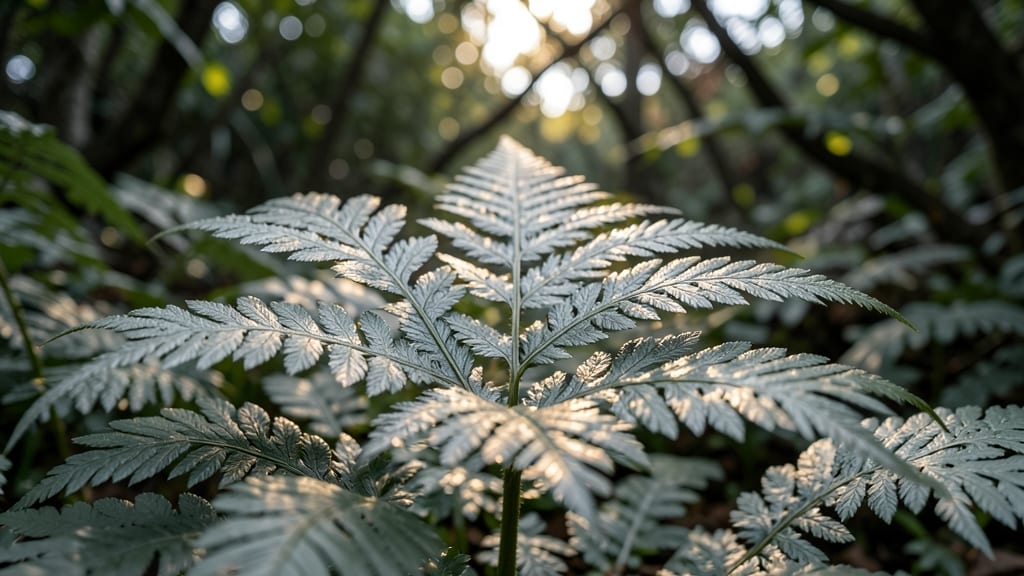
Skip the typical green ferns—Japanese painted fern (Athyrium niponicum var. pictum) steals the show with its silvery-gray and deep green fronds that shimmer like stained glass in dappled shade. Unlike its plain cousins, this fern’s architectural texture creates visual drama without needing flowers, making it a year-round star in woodland gardens or containers.
This fern thrives in moist, well-drained soil and partial to full shade, tolerating even dry spells once established. Its slow-spreading habit (18–24 inches wide) keeps it manageable, while its ruffled fronds add depth to borders or as a solitary specimen. For containers, pair it with heucheras or hostas for a lush, layered look.
Perfect for gardeners who love low-maintenance structure and moisture-retentive spots, this fern is your secret weapon for turning dull corners into focal points. 💚
Coral Bells for Season-Long Interest
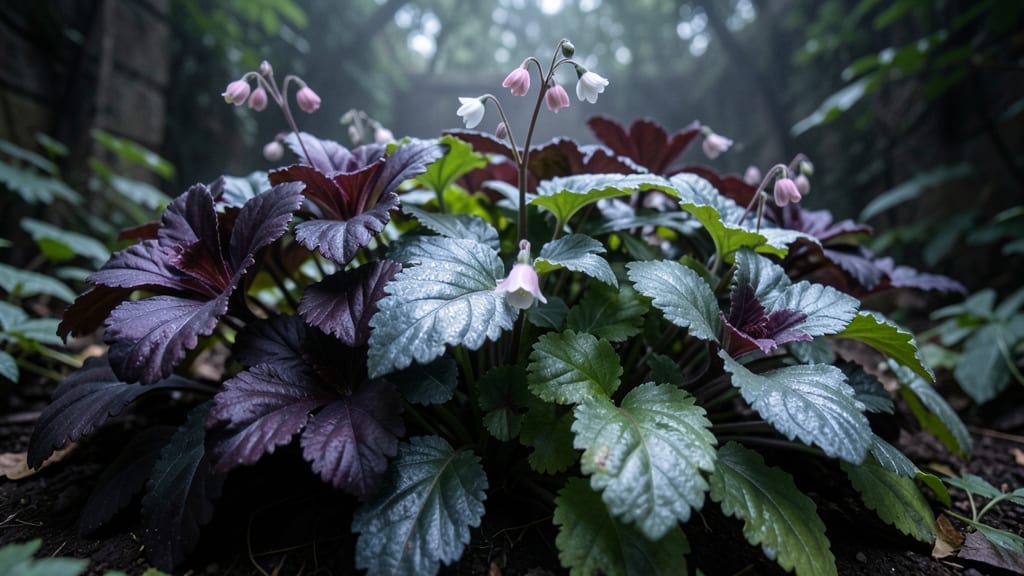
If you're looking to transform a dull, shady corner into a year-round color show, coral bells (Heuchera) are your secret weapon. These versatile perennials deliver bold foliage in every shade imaginable—purple, silver, lime green, or even chocolate brown—while still producing delicate spring flowers that add a touch of elegance.
Unlike many shade plants that focus solely on foliage, coral bells strike a perfect balance: their leathery, evergreen leaves provide season-long interest, while airy flower spikes in white, pink, or red appear in spring. They thrive in partial shade to full sun (though they prefer morning sun and afternoon shade) and tolerate a wide range of soil types, making them ideal for rock gardens, borders, or even containers. For best results, water moderately and mulch to retain moisture—these plants reward patience with vibrant, low-maintenance beauty.
Urban gardeners and small-space enthusiasts will love how coral bells fit neatly into tight spots, while their deer-resistant nature makes them a practical choice for rural gardens too. Pair them with hostas or ferns for a lush, layered look that keeps your shade garden thriving all season. 💚
Foxglove for Tall, Dramatic Spikes
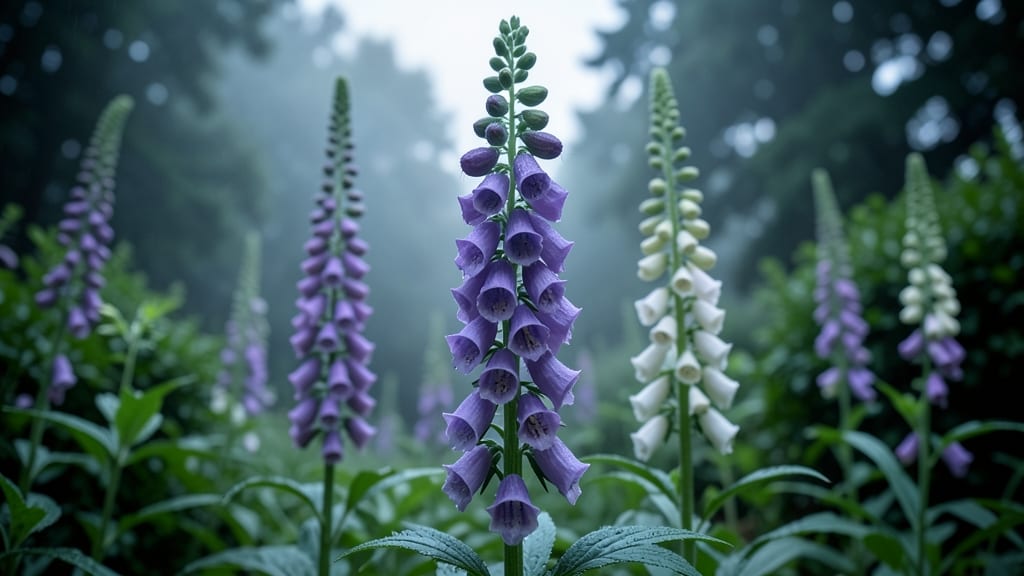
Craving a dramatic vertical statement in your shade garden? Foxglove (Digitalis purpurea) delivers towering spikes of bell-shaped blooms that reach 3-5 feet tall, creating instant height and whimsy in partial shade. Unlike many perennials, foxglove is a biennial, meaning it produces its stunning flower spikes in its second year before dying back—but it self-seeds generously, ensuring new plants appear year after year.
Plant foxglove in clusters of 3-5 for maximum impact, especially in moist, well-drained soil under trees or along woodland edges. The flowers come in soft whites, lavender, pinks, and purples, and they attract hummingbirds and bees. Deadhead spent blooms to encourage more flowers, but leave some seed pods for natural propagation. Avoid overwatering—they prefer consistent moisture but hate soggy roots.
Best for gardeners who love bold focal points with minimal effort, foxglove thrives where other plants struggle. Just remember: all parts are toxic if ingested, so plant it where children and pets can’t reach. 🌻
Lungwort for Unique Spotted Leaves
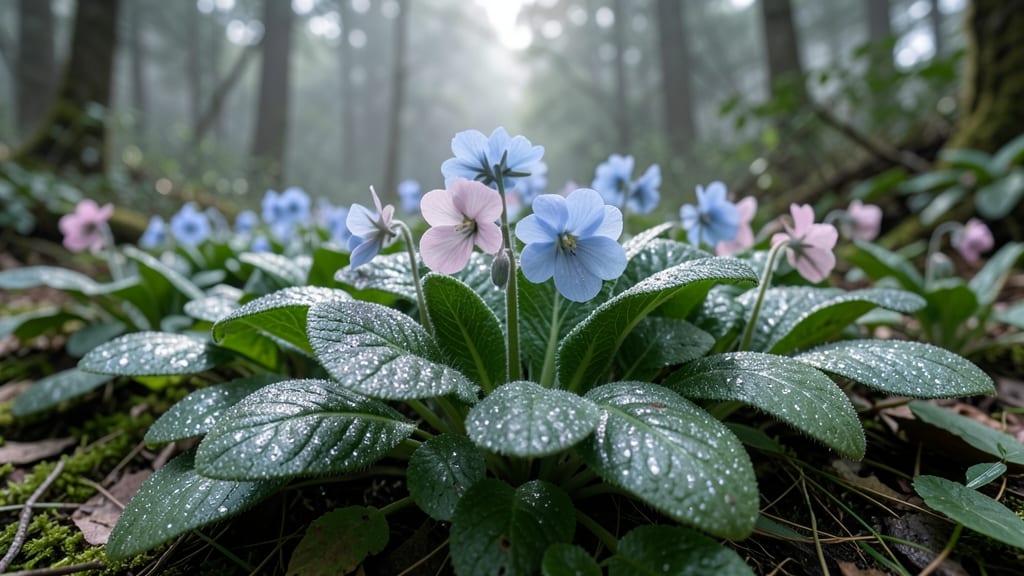
Looking for a shade-loving perennial that adds visual intrigue without needing bright sunlight? Lungwort (Pulmonaria) delivers with its silver-spotted foliage that shimmers like moonlight through leaves, paired with delicate blue or pink flowers in early spring. This underrated gem thrives where others falter, making it perfect for woodland gardens or understory plantings.
Plant lungwort in moist, well-drained soil with partial shade (2-6 hours of sun), and watch it spread slowly into lush mounds. Its self-cleaning flowers (which fade to pink as they age) attract early pollinators like bees and butterflies, while the spotted leaves provide year-round texture. For best results, mulch lightly to retain moisture—this plant rewards patience with low-maintenance beauty that keeps your shade garden interesting from spring through fall.
Ideal for gardeners who love unique foliage and early-season color, lungwort pairs beautifully with hostas or bleeding heart for a natural woodland effect. It’s also a great choice for urban gardeners with limited space**, as it thrives in containers with consistent moisture. 💚
Sweet Woodruff for Fragrant Ground Cover
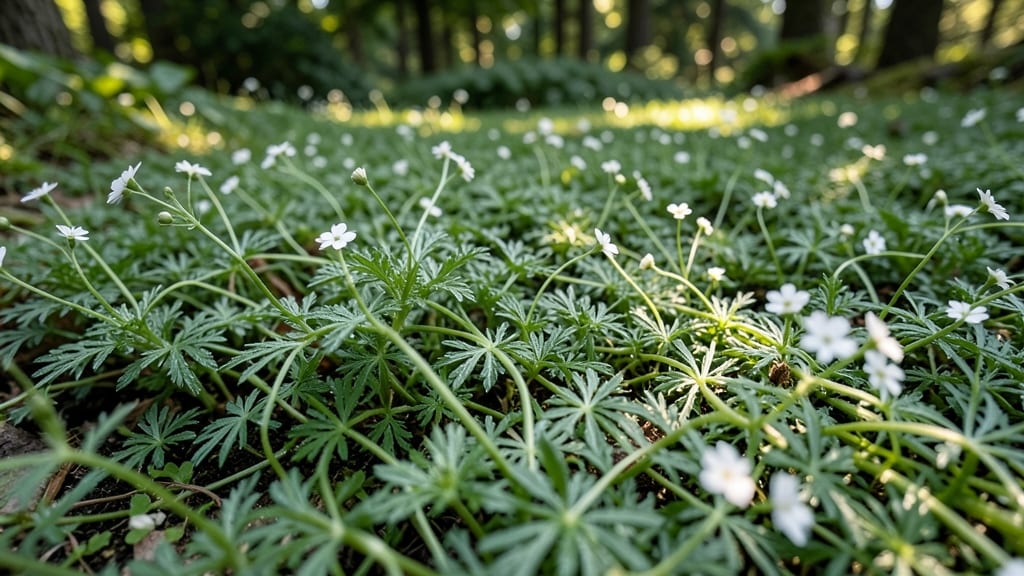
Want a fragrant carpet that smells like vanilla and fresh hay when you brush against it? Sweet woodruff (Galium odoratum) is the secret weapon for shady gardens—this low-growing perennial spreads gently to create a lush, living mulch that suppresses weeds while filling your space with a sweet, intoxicating scent.
Thriving in partial to full shade, sweet woodruff loves moist, well-drained soil and spreads slowly to form a dense ground cover (6–12 inches tall). Its delicate white spring flowers attract pollinators, while its star-shaped leaves release their signature fragrance when crushed—perfect for pathways, under trees, or as a living mulch alternative. Just be patient: it may take a year or two to fully establish its fragrant carpet.
Ideal for gardeners who love low-maintenance, sensory-rich plants, sweet woodruff is especially magical in cottage gardens or woodland edges. Pair it with hostas or ferns for a fragrant, evergreen shade combo that’s as pretty as it is practical. 💚
Toad Lily for Late Summer Drama

When your garden seems to fade into a summer slumber, toad lily (Tricyrtis hirta) bursts onto the scene with its bold orange and yellow blooms adorned with purple centers. This underrated gem thrives in late summer and early fall, offering a vibrant show when many perennials are winding down—making it a must-have for extending your seasonal color.
Perfect for moist, shady spots, toad lily prefers rich, well-drained soil and partial shade, making it ideal for woodland gardens, under trees, or along shady borders. Its slow-spreading habit (18–24 inches wide) ensures it won’t overtake your space, while its arching stems add movement and height to your shade garden. Deadhead spent blooms to encourage more flowers, and mulch to retain moisture—this plant rewards patience with its striking, late-season drama.
Gardeners who love unique, low-maintenance perennials with a tropical flair will adore toad lily. Pair it with hostas or ferns for a lush, layered look that keeps your shade garden thriving well into autumn. 🌟