
Companion Plants
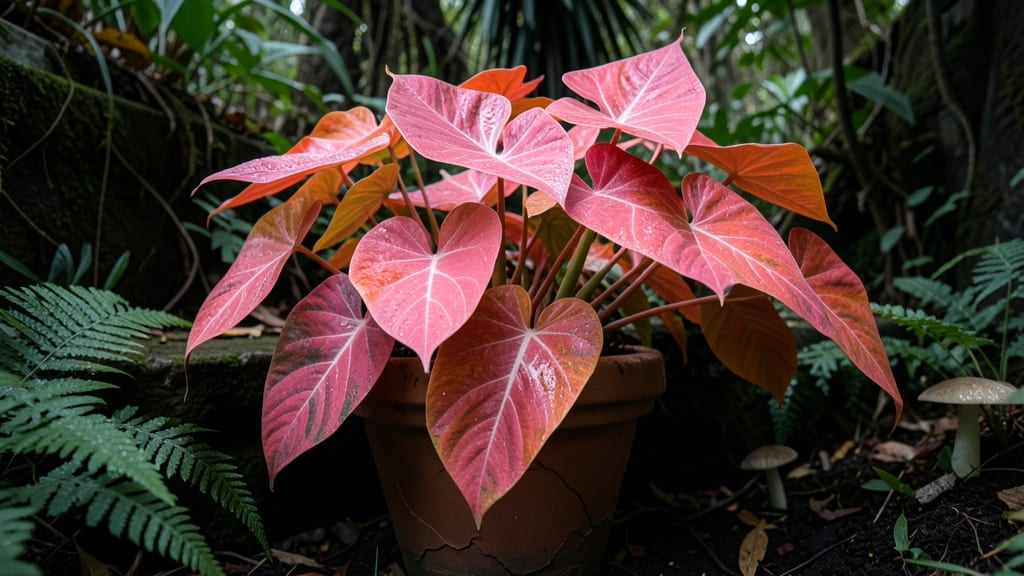
Struggling with a shady garden spot that seems impossible to grow anything in? These 10 shade-loving plants thrive in complete darkness, bringing lush greenery and vibrant blooms to even the darkest corners of your yard or balcony.
Hostas for Textured Leaf Beauty
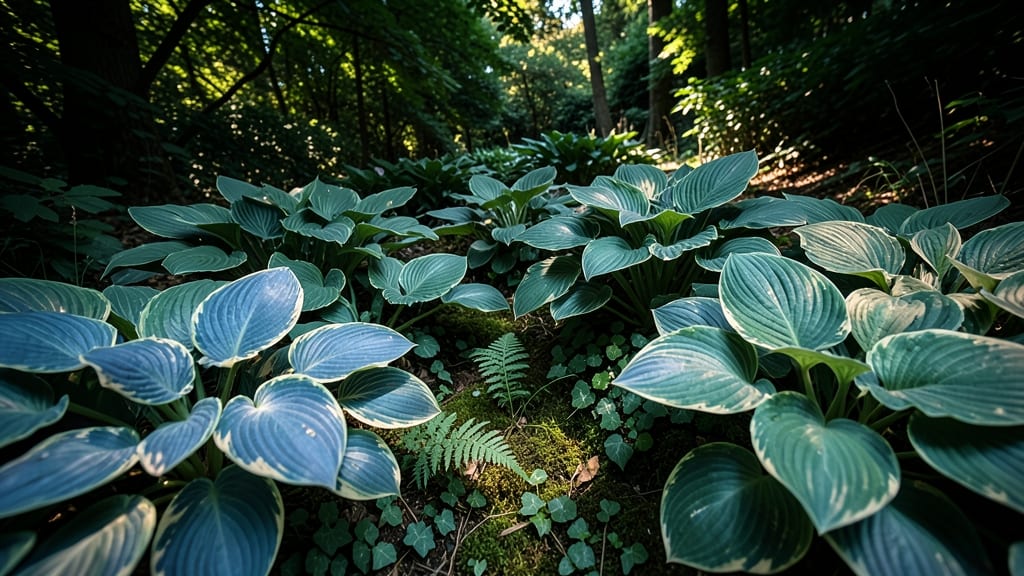
Tired of barren shady spots in your garden? Hostas bring bold, textured foliage to complete shade while acting as a natural deer and rabbit deterrent—no fences or repellents needed.
These perennials thrive in deep shade (0-2 hours of sun) and come in stunning variegated patterns like blue-green with white edges or deep purple centers. Plant them in well-draining, moist soil with organic mulch to retain humidity, and watch them spread into lush, low-maintenance clumps. Their strong scent alone keeps herbivores away, making them a dual-purpose workhorse for shaded gardens.
Perfect for beginners or busy gardeners, hostas offer year-round interest with minimal care—just divide clumps every 3-4 years to keep them vigorous. 🌿
Ferns for Lush Green Elegance
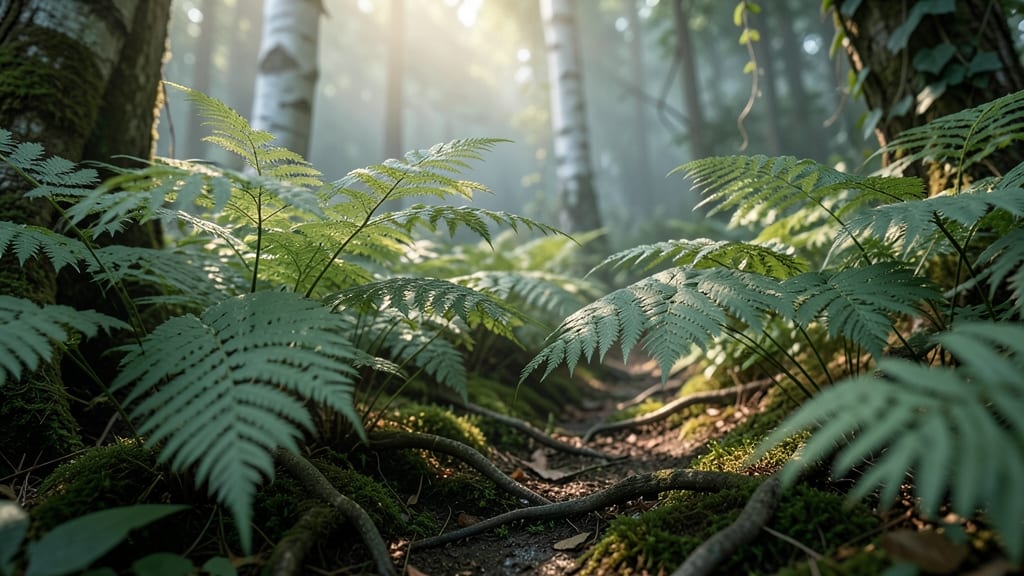
Transform your darkest garden corners into a serene woodland retreat with ferns—the ultimate shade specialists that thrive on neglect once established. Their delicate, feathery fronds create a natural spa-like ambiance while requiring zero direct sunlight and minimal upkeep after planting.
Ferns prefer moist, well-draining soil rich in organic matter, making them perfect for understory planting where tree roots compete for space. Varieties like maidenhair fern (for fine texture) or ostrich fern (for bold structure) add architectural interest without demanding attention. Mulch heavily to retain moisture and suppress weeds—these plants reward patience with year-round greenery that stays lush even in winter.
Ideal for beginners or busy gardeners, ferns bring effortless elegance to shady spots while supporting local ecosystems. Plant them in clusters for maximum impact under mature trees or along foundation plantings. 🌿
Bleeding Heart Flowers
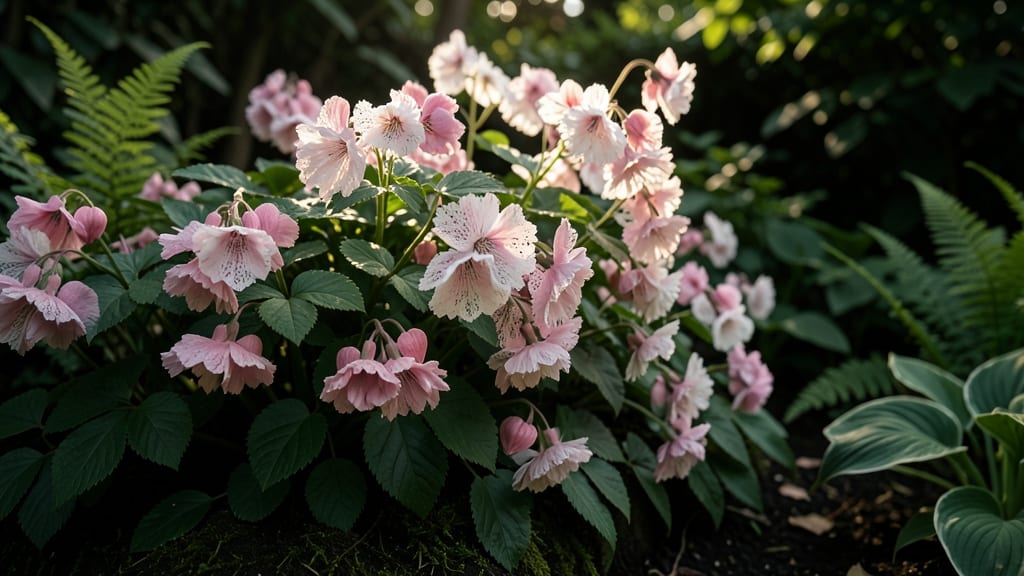
Want to add romantic charm and vertical drama to your shady garden without sacrificing beauty? Bleeding heart flowers (Dicentra spectabilis) are your answer—these dreamy blooms cascade like pink or white lace curtains, creating a whimsical focal point that thrives where sunlight barely reaches.
These moisture-loving perennials prefer complete shade to partial shade and flourish in rich, well-draining soil with consistent dampness (think woodland edges or under tall trees). Plant them in clusters for maximum impact, and don’t worry about deadheading—their foliage remains attractive even after blooms fade. With late spring to early summer blooms, they’ll outshine many shade plants when others are still waking up.
Perfect for cottage gardeners or anyone craving a touch of old-world elegance, bleeding hearts pair beautifully with hostas and ferns while attracting hummingbirds to your garden. Just remember: they’re not drought-tolerant, so mulch well to retain moisture. 🌷
Japanese Painted Fern
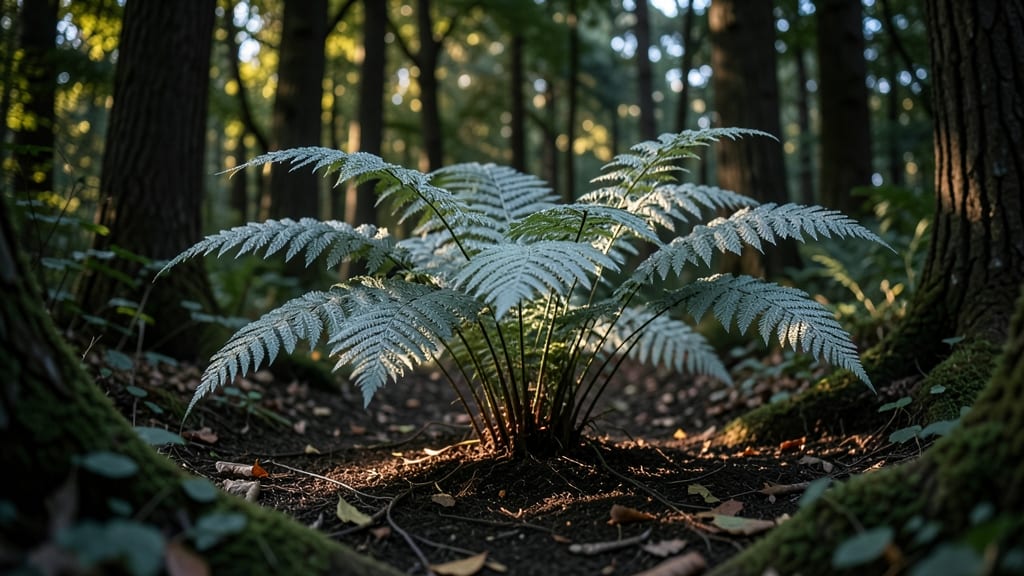
Tired of fussy shade plants that demand constant moisture? The Japanese Painted Fern (Athyrium niponicum var. pictum) proves that stunning foliage doesn’t require soggy soil. Its striking silver-green fronds create bold contrast in dark corners while thriving in complete shade—and once established, it’s surprisingly drought-tolerant.
This fern’s secret lies in its ability to adapt to dryer conditions once its roots spread, making it ideal for understory planting or urban gardens with poor drainage. Mulch heavily at planting to retain initial moisture, then let nature take over—it handles occasional dry spells better than most ferns. The fronds’ silvery undersides add texture when backlit, creating a luminous effect in shady spots.
Perfect for gardeners who want drama without drama, this fern pairs beautifully with hostas or bleeding hearts in woodland settings. Urban gardeners will love its low-maintenance nature—just plant it and forget it (almost). 🌿
Hellebores for Winter Blooms
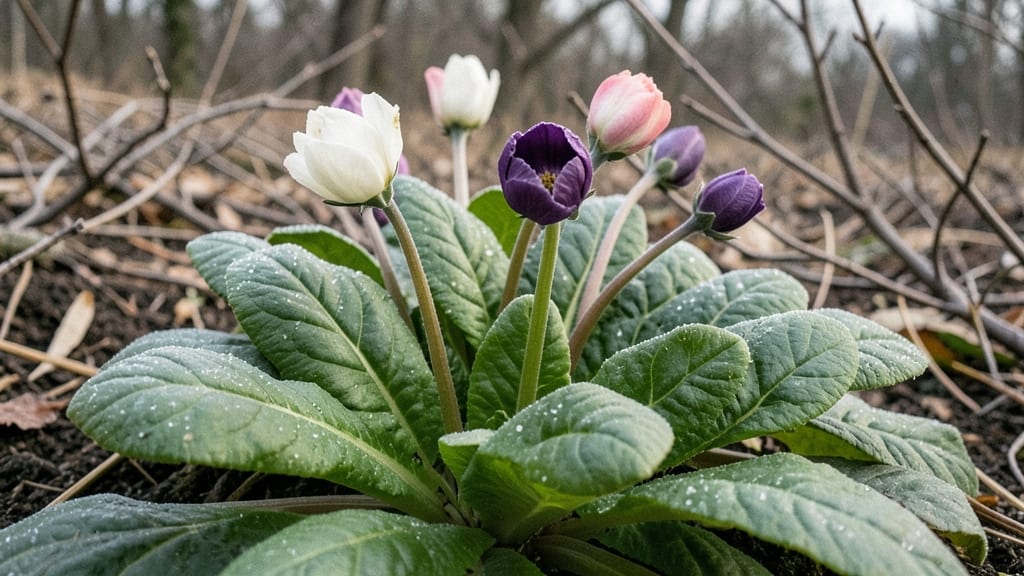
When your garden looks like a winter wasteland and most plants have given up, hellebores—also called Lenten roses—burst into bloom with cheerful flowers in shades of white, pink, or purple. These hardy perennials defy the cold, thriving in complete shade where other plants struggle, and often bloom from late winter through early spring.
Hellebores are incredibly low-maintenance once established, tolerating dry to average moisture and even surviving light frosts. Plant them in well-draining soil with a thick layer of mulch to protect roots in colder climates. Their evergreen foliage provides year-round structure, while their nodding flowers attract early pollinators like bees and butterflies, giving your garden a head start on spring.
Perfect for beginners or gardeners with shady spots, hellebores add color and life when the garden seems dormant. 🌱
Coral Bells for Colorful Foliage
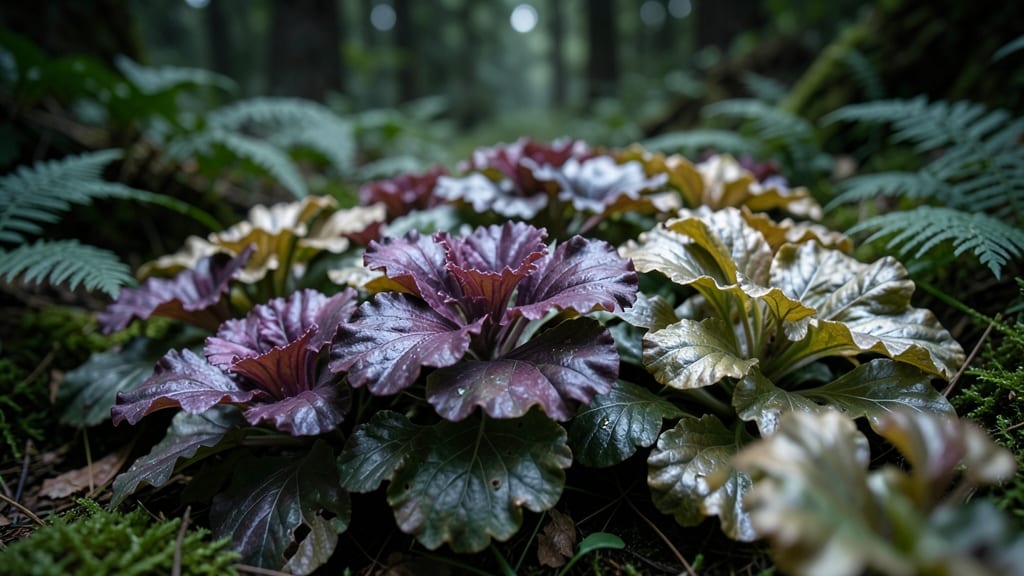
If you’ve ever wished for a year-round pop of color without the fuss of flowers, coral bells (Heuchera) are your secret weapon. These shade-loving superstars thrive in complete shade, delivering foliage in purple, silver, or gold hues that outshine most blooms—no deadheading required.
Coral bells are incredibly adaptable, perfect for container gardening or tucked into garden beds. They prefer well-draining soil and tolerate drought once established, making them low-maintenance stars. Varieties like ‘Palace Purple’ or ‘Lime Rickey’ add drama, while ‘Silver Scrolls’ creates a silvery cascade. Their compact size (12–18 inches tall) makes them ideal for small spaces or as edging plants.
Urban gardeners and balcony growers will love how coral bells brighten shady corners with minimal effort. Pair them with ferns or hostas for a lush, layered look that’s as easy to care for as it is stunning. 💚
Astilbe for Feathery Plumes
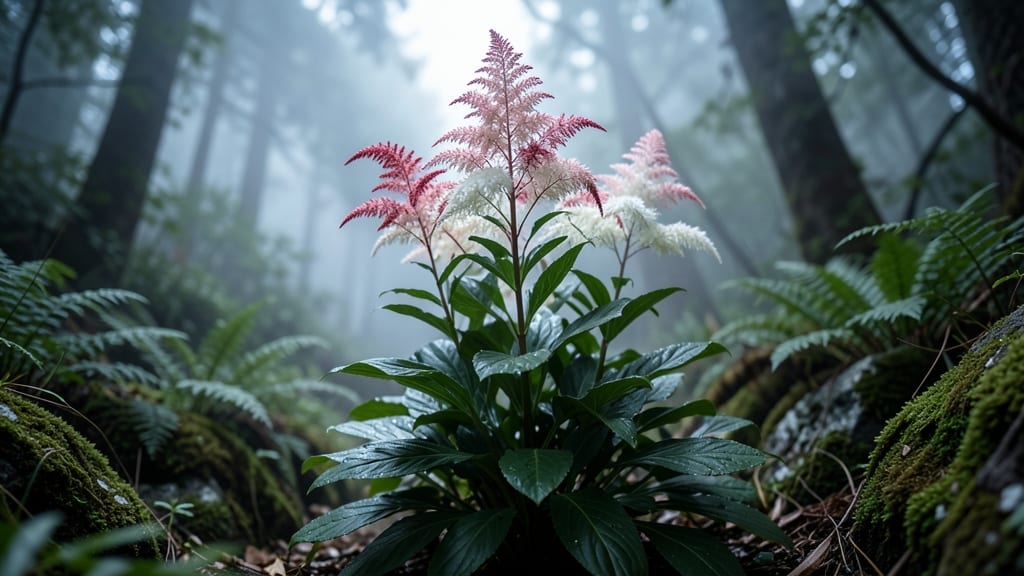
Want to add height and drama to your shady garden without sacrificing color? Astilbe delivers soft, feathery plumes in pink, white, or red that dance above lush foliage—perfect for creating a dreamy woodland atmosphere where sunlight barely reaches.
These moisture-loving perennials thrive in complete shade to partial shade and prefer consistently damp soil, making them ideal for rain gardens or alongside ponds. Their late spring to summer blooms last 6-8 weeks, providing long-lasting color when many shade plants are still dormant. Cut back spent stems in fall to encourage fresh growth the following year.
Urban gardeners and woodland enthusiasts will love how astilbe adds vertical interest without requiring sunlight. Pair it with hostas or bleeding hearts for a layered, magical effect in even the darkest corners. 🌻
Lungwort for Medicinal Beauty
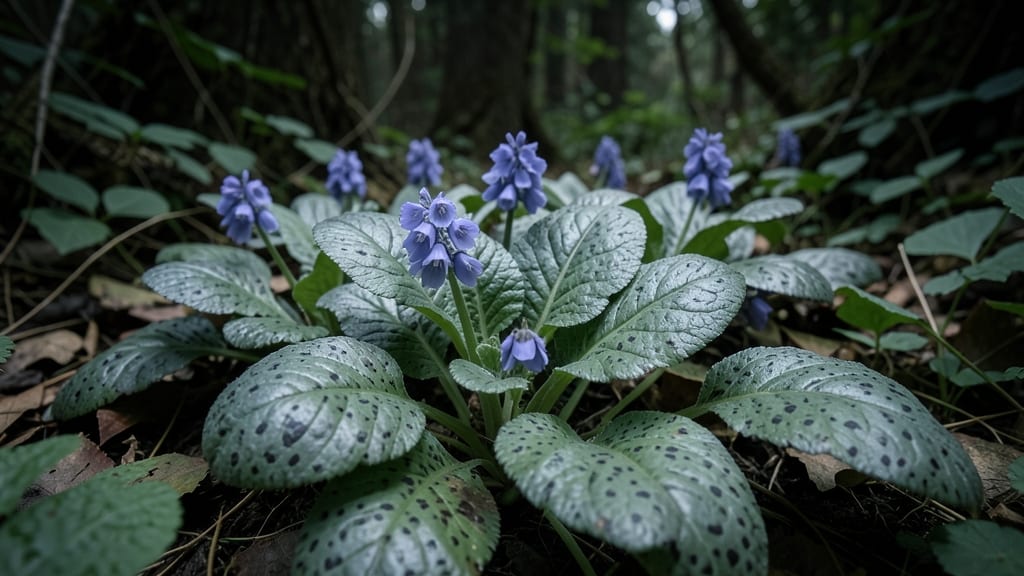
Looking for a shade plant that does double duty—beautifying your garden while supporting your health? Lungwort (Pulmonaria spp.) delivers with its striking spotted silver-green leaves and delicate blue-purple flowers, all while thriving in the darkest corners of your yard.
This woodland native has been used for centuries in herbal medicine to support respiratory health, thanks to its high tannin content. In your garden, it attracts early-season pollinators like bees with its late winter to spring blooms, making it a valuable early food source. Plant it in moist, well-draining soil with organic mulch to mimic its natural woodland habitat, and watch it spread slowly into a lush, textured ground cover.
Perfect for herbalists, pollinator gardeners, or anyone who loves a plant with history, lungwort pairs beautifully with hostas and bleeding hearts in shady borders. Its unique foliage adds visual interest year-round, even after the flowers fade. 💚
Sweet Woodruff for Fragrant Ground Cover
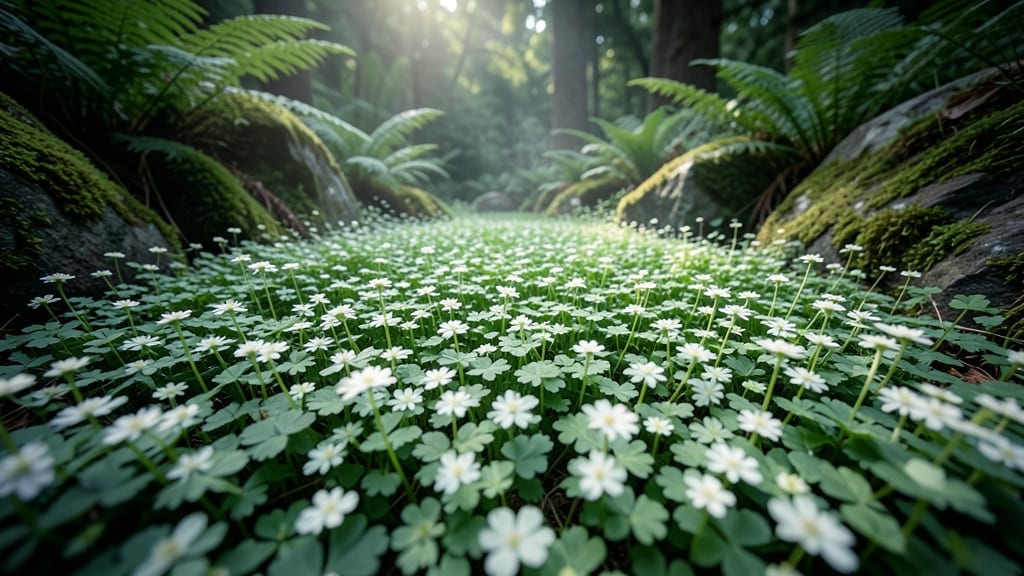
Want a ground cover that smells like vanilla when you brush against it? Sweet woodruff is your secret weapon for deep shade gardens—this fragrant, fast-spreading plant creates a living carpet that suppresses weeds while releasing a delicate, sweet scent when crushed or walked upon.
Perfect for complete shade (0-2 hours of sun), sweet woodruff thrives in moist, well-draining soil and spreads aggressively via underground runners, making it ideal for filling bare spots under trees or along shady foundation plantings. Its delicate white spring flowers add a fleeting but charming touch before the lush green foliage takes over. Simply plant rhizomes in early spring and let them multiply—no division needed for years.
This low-maintenance ground cover is ideal for gardeners who want fragrance without flowers and weed suppression without chemicals. Perfect for woodland gardens, patios, or even container edges, it’s a sensory delight that keeps your shady spots smelling sweet all season. 💚
Caladiums for Tropical Drama

Want to inject instant tropical vibes into your darkest garden nooks without a single ray of sunlight? Caladiums deliver show-stopping foliage in electric pinks, fiery reds, and creamy whites—ideal for containers or shady corners where other plants fade away.
These tender perennials (treated as annuals in colder climates) love complete shade to bright indirect light and thrive in consistently moist, well-draining soil. Plant them in groups for maximum impact, and watch their glossy leaves reflect light like a tropical oasis. For containers, mix with moss or ivy to enhance the lush, jungle-like effect—perfect for patios or indoor spaces with low light.
Urban gardeners and apartment dwellers will love caladiums for their bold color payoff with minimal effort. Just keep soil evenly moist (they hate drying out) and enjoy their dramatic foliage from late spring through fall. 🌻