
Light Requirements
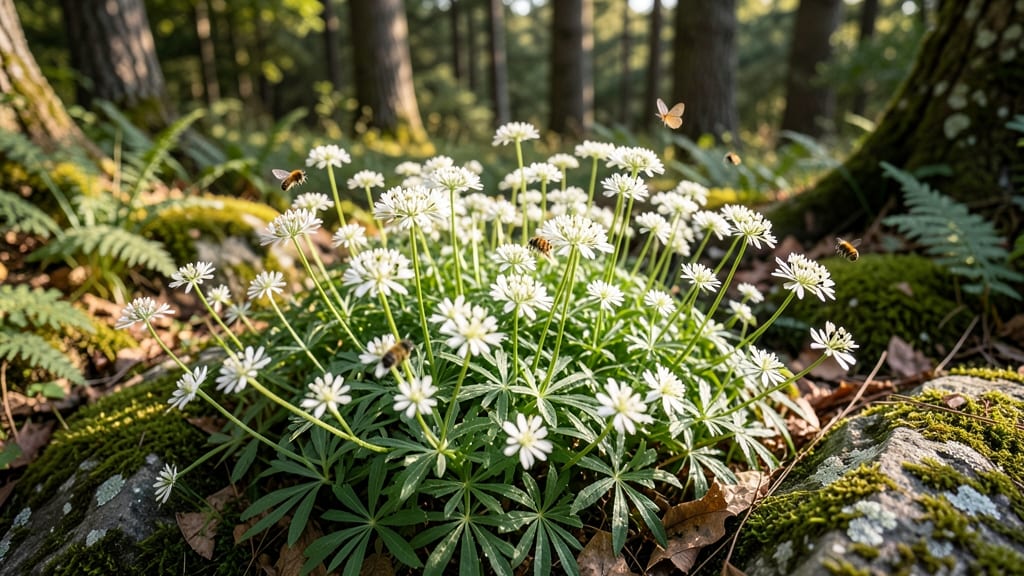
Tired of struggling with plants that wilt in partial shade? These 10 hardy perennials not only survive but thrive in dappled sunlight, offering year-after-year beauty with minimal fuss. Perfect for shady gardens, woodland edges, or under trees where full sun just won’t work.
Hostas for Textured Shade Garden Foliage
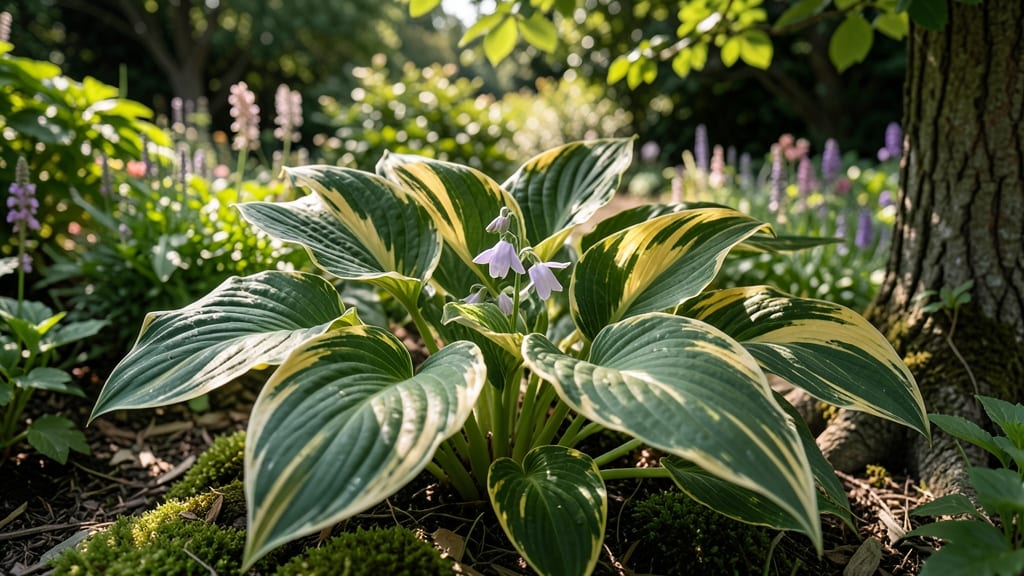
Struggling to find plants that bring drama to your part-shade garden without requiring constant attention? Hostas are your secret weapon—these hardy perennials deliver bold, variegated foliage that thrives where others fade, making them the perfect anchor for shady spots.
With over 3,000 varieties, you can mix deep blues, chartreuse yellows, and purple edges to create striking contrasts with delicate flowers like astilbe or bleeding heart. They’re also deer-resistant, a lifesaver for rural gardeners, and their low-maintenance nature means you’ll spend less time fussing and more time enjoying your garden. Just keep soil consistently moist and mulch to protect their crowns.
Perfect for beginners, hostas add instant texture and color to any shade garden—whether you’re filling gaps under trees or lining a woodland path. Their versatility makes them a must-have for any part-shade collection. 🌿
Astilbe Plumes for Soft Summer Color
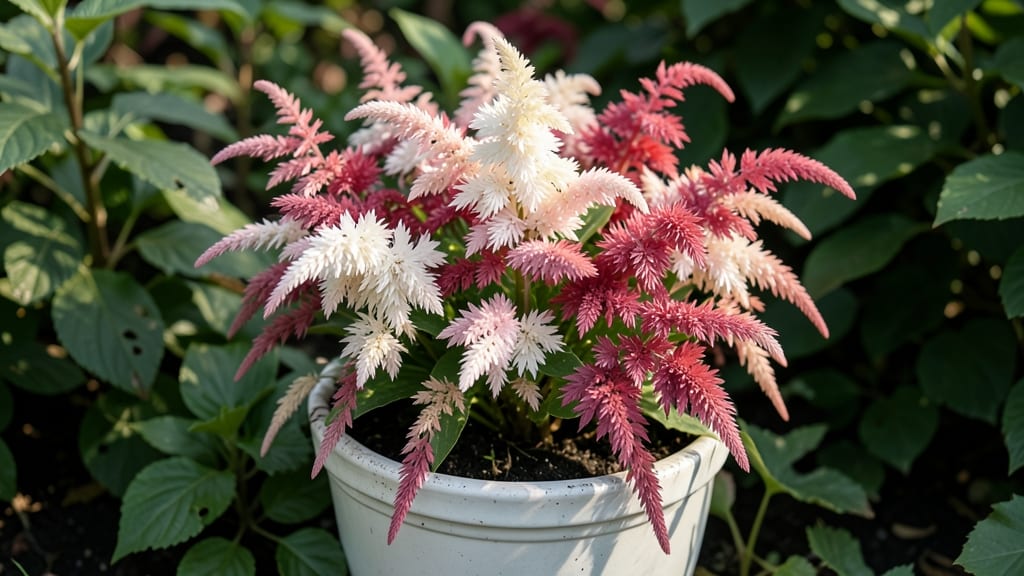
Looking for a shade-loving perennial that adds drama without demanding full sun? Astilbe delivers feathery plumes in soft pink, white, or red that dance in the breeze—ideal for cottage gardens or containers where delicate blooms steal the show. Unlike sun-hungry flowers, these thrive in part shade, making them perfect for under trees or north-facing beds.
Plant astilbe in moist, well-drained soil (they hate soggy roots) and watch them reward you with long-lasting blooms from midsummer to fall. Cut back faded stems in early spring to encourage fresh growth. Their airy texture contrasts beautifully with bold hostas or ferns, creating a lush, layered look with minimal effort.
Urban gardeners and beginners will love how easy astilbe is to grow—just keep the soil consistently damp, and you’ll enjoy season-long color with almost no fuss. 🌷
Hellebores for Early Winter Interest
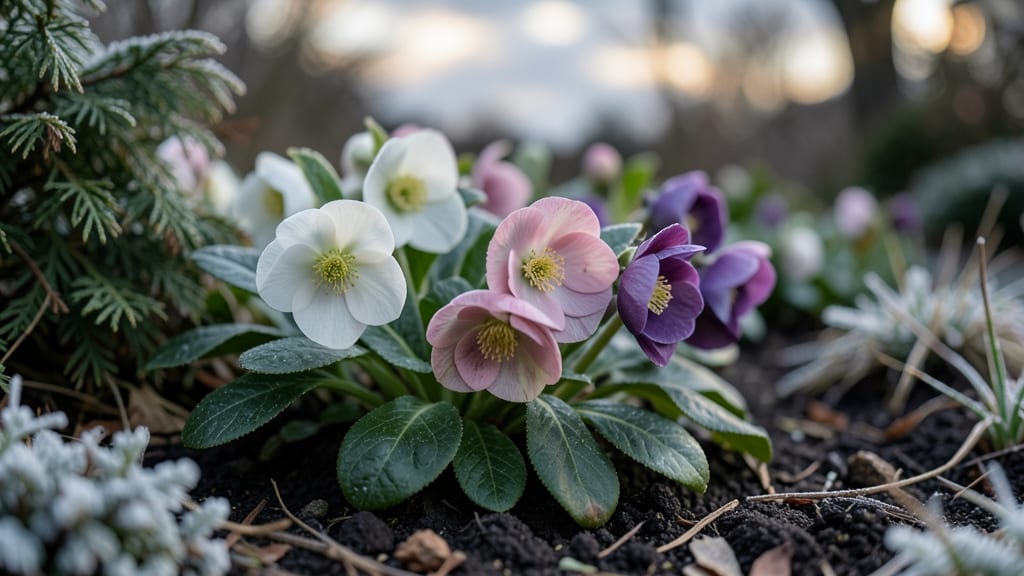
When your garden looks like a blank canvas in late winter, hellebores step in to paint it with color. Known as the "Christmas rose," these hardy perennials bloom from January through March, defying the chill with delicate flowers in shades of white, pink, purple, or green. Their evergreen foliage ensures your shady borders stay structured even when other plants are dormant.
Plant hellebores in partial to full shade, where they’ll thrive in moist, well-drained soil enriched with organic matter. Unlike many shade plants, they tolerate dry soil once established and even handle urban pollution, making them ideal for city gardens. For best results, mulch around the base to protect roots from winter temperature swings and deadhead spent blooms to encourage more flowers.
Perfect for gardeners who crave early-season color or want to extend their blooming season, hellebores are also deer-resistant and long-lived, often lasting decades with minimal care. Add them to borders, woodland gardens, or containers for a touch of elegance when most plants are still asleep. 🌷
Coral Bells for Season-Long Foliage Drama
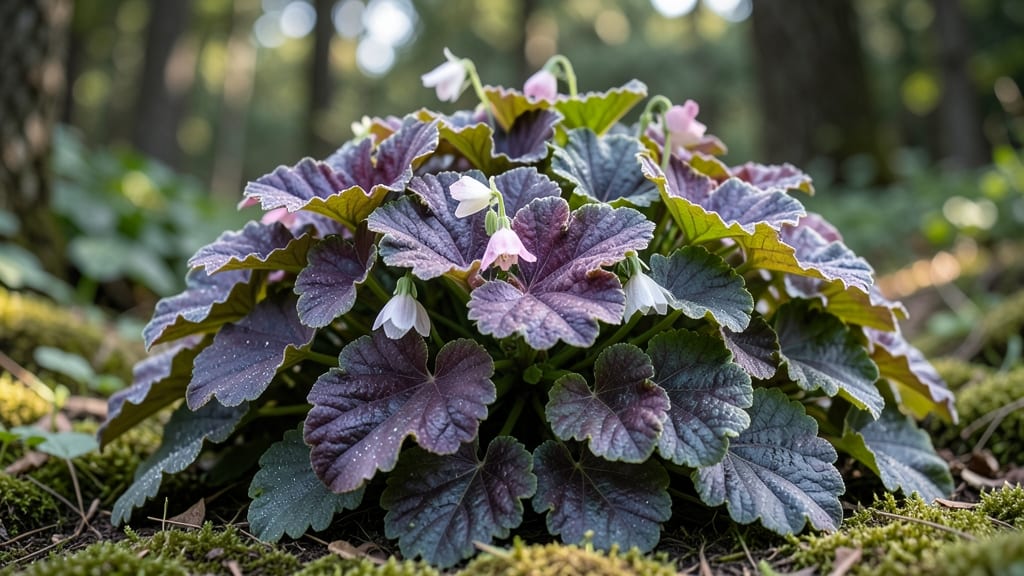
If you crave year-round color without the fuss of seasonal replacements, coral bells (Heuchera) are your secret weapon. These shade stars deliver bold foliage in shades of purple, silver, or lime green that stay vibrant from spring through fall—plus, they reward you with delicate summer blooms as a bonus.
Plant Heuchera in well-draining soil with morning sun and afternoon shade (they tolerate full shade too). Varieties like 'Palace Purple' or 'Lime Rickey' thrive in containers, edging, or as ground cover, adding textural contrast to hostas and ferns. Their compact size (12–24 inches tall) makes them perfect for small spaces or layered plantings.
Urban gardeners and container enthusiasts will love how low-maintenance coral bells are—they’re drought-tolerant once established and rarely troubled by pests. Mix them with astilbe or hellebores for a shade garden that pops with color and texture all season. 🌿
Bleeding Heart for Romantic Arches
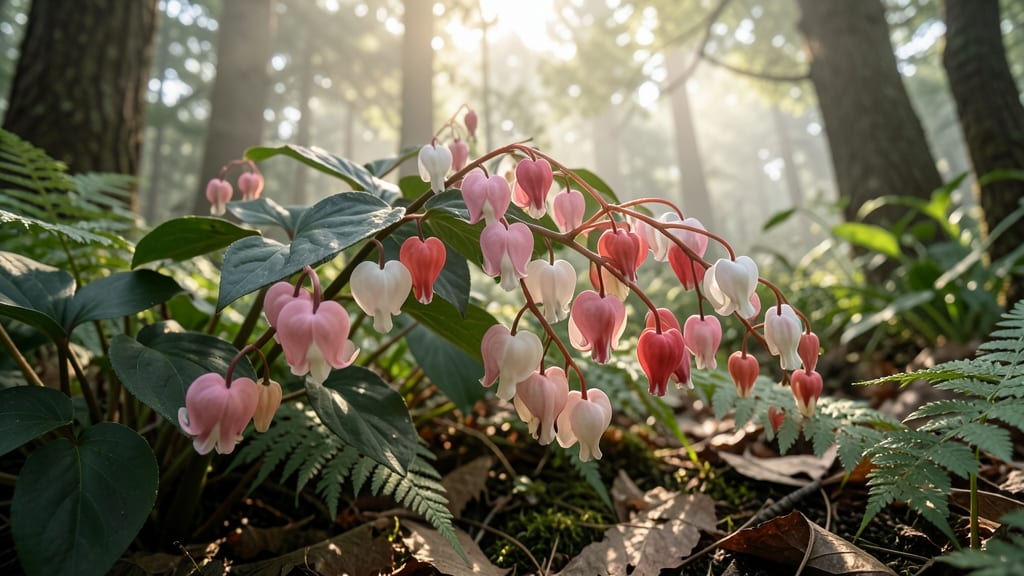
Transform your shady garden into a dreamy retreat with bleeding heart (Dicentra spectabilis), a perennial that delivers romantic, heart-shaped blooms in soft pinks, whites, or reds. Unlike sun-loving plants, this woodland beauty thrives in dappled shade, making it perfect for understory plantings or as a focal point near patios where sunlight is limited.
Its arching stems create natural arches and cascading spills, ideal for framing pathways or softening vertical spaces. For best performance, plant in humus-rich, well-draining soil and keep it consistently moist—mulching helps retain moisture and protect roots. Deadhead spent blooms to encourage a second flush of flowers later in the season.
Perfect for cottage gardens, woodland edges, or even containers, bleeding heart adds whimsical charm with minimal effort. Pair it with ferns or hostas for a lush, layered look that feels straight out of a storybook. 🌷
Japanese Painted Fern for Lacy Texture
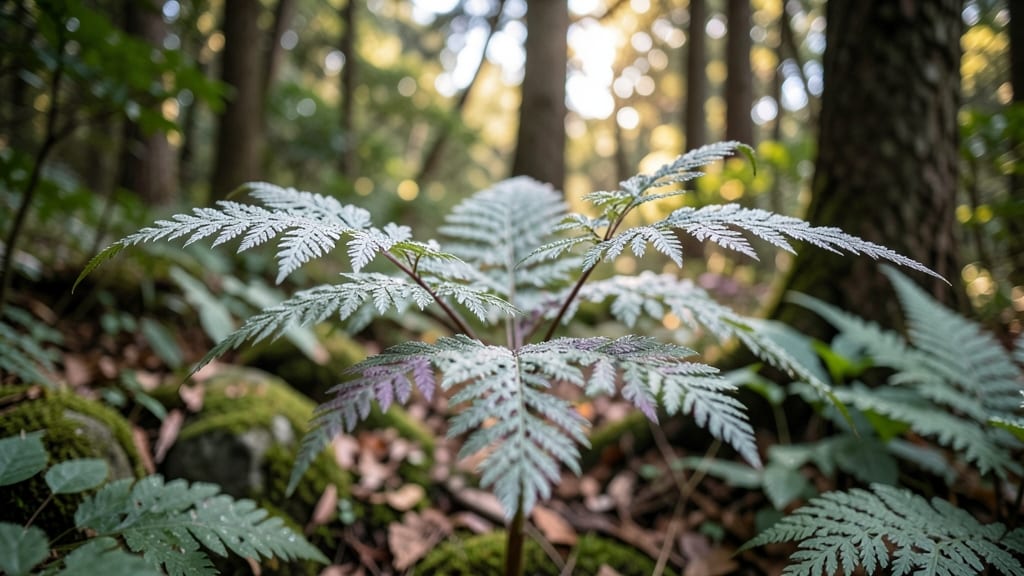
If you crave textural contrast in your part-shade garden without relying on bold flowers, the Japanese painted fern (Athyrium niponicum var. pictum) delivers with its silvery-green lace-like fronds and hidden purple undersides. This fern isn’t just pretty—it’s a woodland garden workhorse that thrives where others falter.
Plant it in moist, acidic soil (amend with peat moss if needed) and watch it spread gently to 2–3 feet wide while staying compact. The architectural fronds hold up well in winter, adding structure when most perennials go dormant. Pair it with hostas or bleeding hearts for a striking foliage combo that pops in dappled light.
Perfect for urban gardeners with shady patios or woodland enthusiasts, this fern requires zero fuss—just consistent moisture and rich soil. Its year-round interest makes it a quiet star in shade gardens. 🌿
Lungwort for Medicinal Beauty
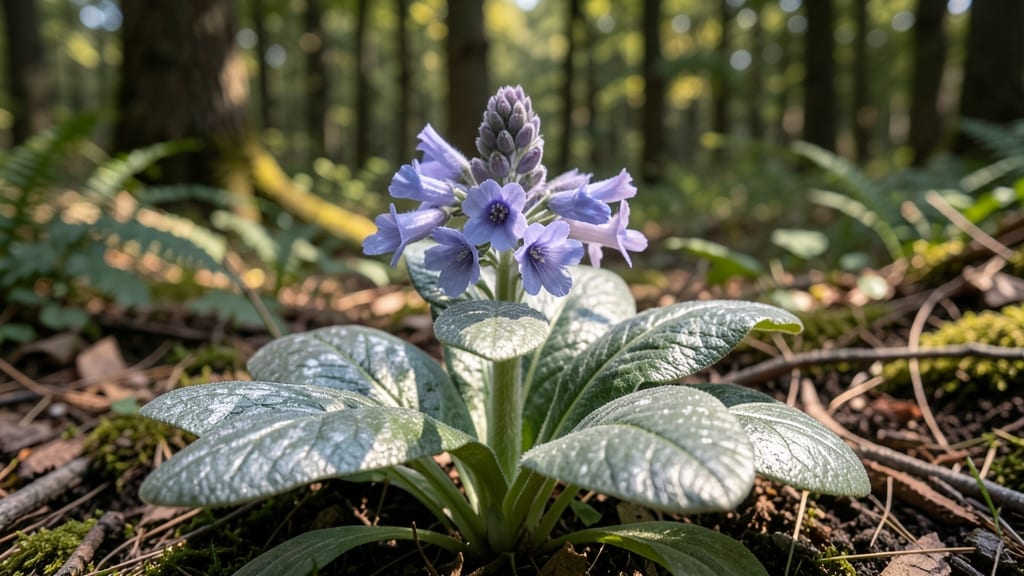
Looking for a perennial that blends beauty with history? Lungwort (Pulmonaria) delivers with its silver-spotted leaves and clusters of blue or purple flowers that bloom early spring through summer. This dual-purpose plant thrives in part shade, making it perfect for understory plantings or woodland gardens where other bloomers struggle.
The spotted foliage adds visual intrigue, while its flowers attract pollinators like bees and butterflies. Historically, lungwort was used in herbal remedies for respiratory health, earning its name from the Latin pulmonaria (meaning "lung-like"). Plant it in moist, well-drained soil and watch it spread gently to create a lush, textured carpet. It’s especially stunning when paired with hostas or ferns for a cottage-garden feel.
Whether you’re designing an herbal garden or a low-maintenance shade bed, lungwort’s year-round interest and medicinal heritage make it a standout choice for gardeners who love both beauty and purpose. 💚
Foxglove for Tall, Dramatic Spikes
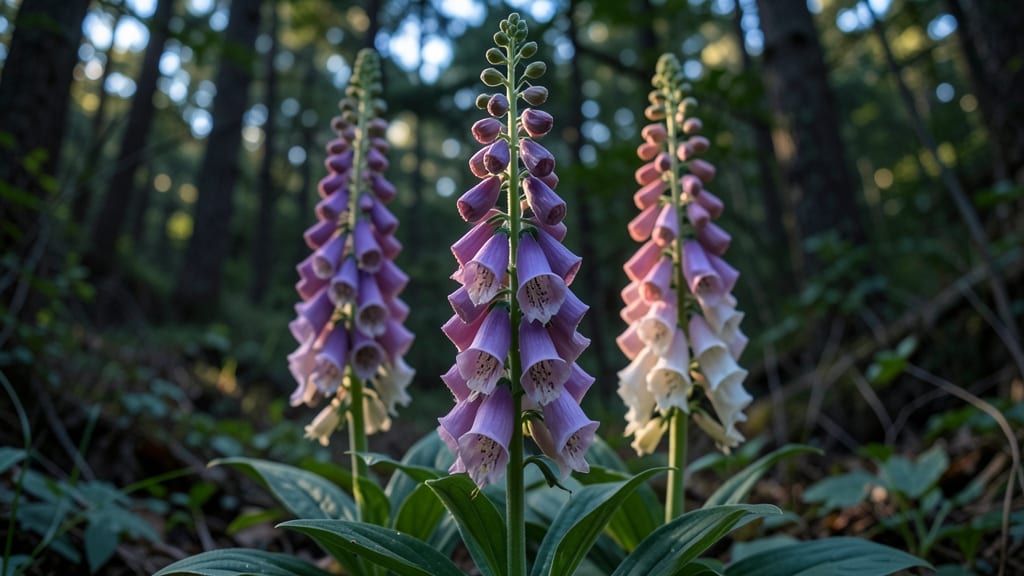
When you need to add dramatic height to your part-shade garden without sacrificing beauty, foxglove (Digitalis purpurea) delivers towering, velvety spikes in purple, pink, or white that command attention. Unlike many perennials, foxglove thrives in dappled shade, making it ideal for borders, woodland gardens, or beneath trees where sunlight is limited.
This biennial or short-lived perennial sends up 3-5 foot flower stalks in its second year, followed by self-seeding for future displays. To extend blooming, deadhead spent flowers—this simple step encourages repeat flowering and prevents seed pods from draining energy. Plant in well-drained, slightly acidic soil and water moderately; foxglove tolerates drought once established but rewards consistent moisture with lush foliage.
Perfect for cottage gardens, pollinator-friendly spaces, or as a striking cut flower, foxglove adds vertical drama with minimal upkeep. Just be cautious—it’s toxic to pets if ingested, so plant where children and animals can’t reach. 🌻
Solomon’s Seal for Graceful Arching Stems
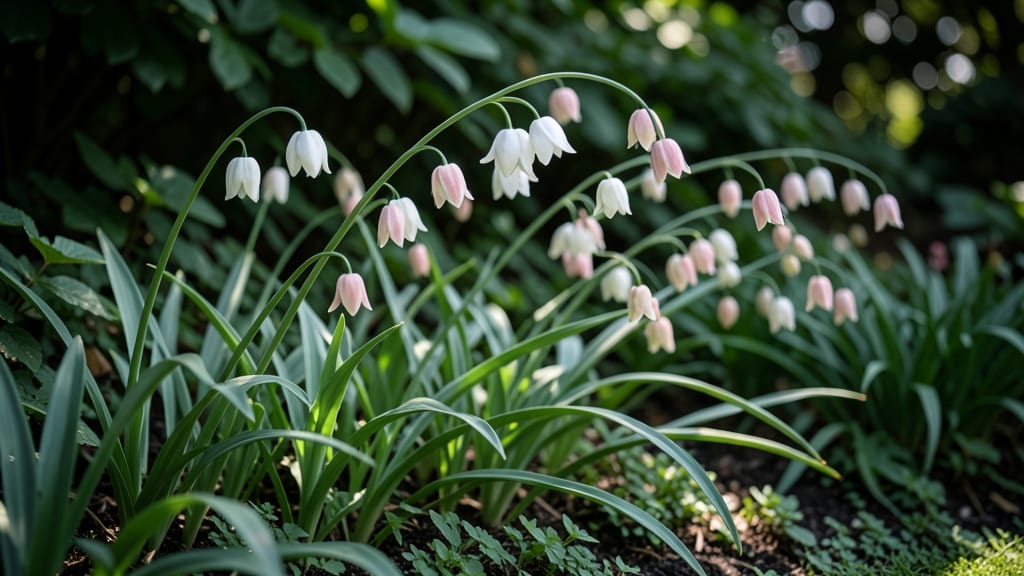
Bring dynamic movement to your shady garden with Solomon’s Seal (Polygonatum), a perennial that dances with nature. Its arching stems and dangling white or pink flowers sway gently in the breeze, creating a mesmerizing effect that no flat-leaved plant can match.
This drought-tolerant beauty thrives in dry shade, making it ideal for woodland edges or understory plantings where moisture is scarce. Plant it in well-draining soil and provide partial shade to full shade conditions—it rewards you with year-round interest, as its glossy leaves remain attractive even after flowering. Divide clumps every 3-4 years to maintain vigor.
Perfect for gardeners who want low-maintenance elegance, Solomon’s Seal pairs beautifully with ferns and hostas. Its graceful form adds structure to shady borders without demanding constant attention. 🌿
Sweet Woodruff for Fragrant Ground Cover

Craving a fragrant ground cover that doubles as a pollinator magnet? Sweet woodruff (Galium odoratum) is your secret weapon for shady spots—its delicate white flowers and vanilla-scented foliage (yes, the same used in traditional May wine!) create a sensory garden experience while filling gaps effortlessly.
This low-growing perennial spreads gently via runners, forming a lush carpet under trees or along borders without crowding neighbors. Plant it in moist, well-drained soil with partial to full shade, and watch it thrive in zones 4–8. Bonus: It’s deer-resistant and attracts bees, making it a dual-purpose workhorse for eco-friendly gardens.
Perfect for urban gardeners with shady patios or woodland enthusiasts, sweet woodruff adds a touch of old-world charm with almost no maintenance. Just shear back foliage in early spring to encourage fresh growth. 🌱