
Light Requirements
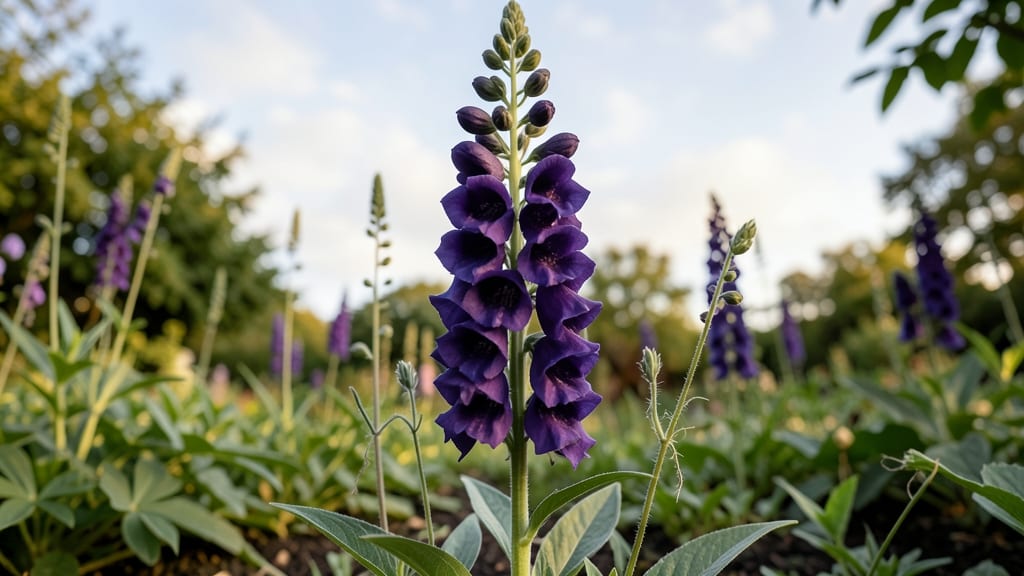
Zone 7 gardeners with partial sun spots often struggle to find perennials that bloom reliably without fading in harsh sun or wilting in deep shade. These 10 part sun part shade perennials deliver year-round color, drought tolerance, and minimal care requirements—perfect for borders, woodland edges, or under trees.
Japanese Painted Fern with Silver Variegation
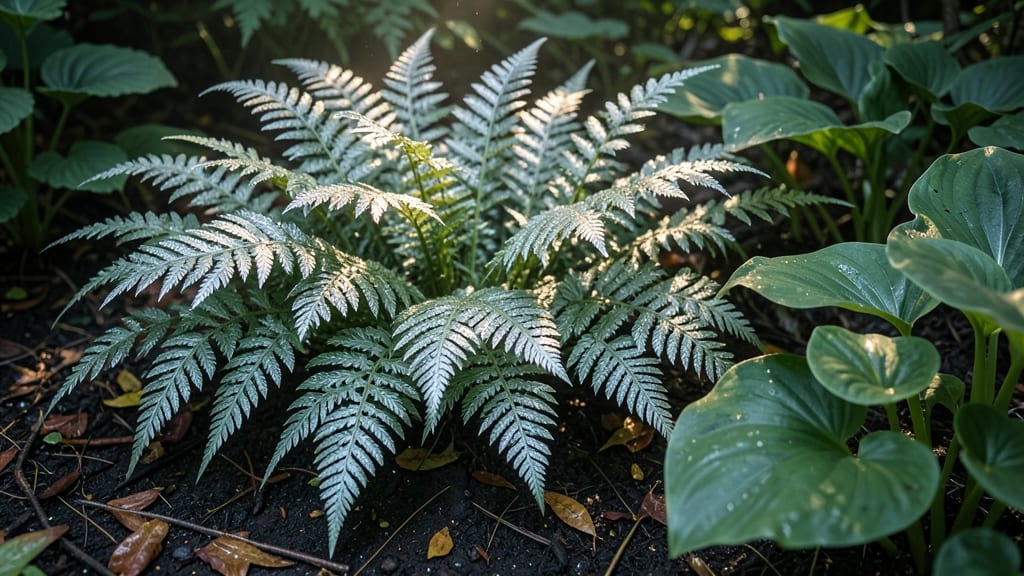
If your garden has moist, shady corners that other plants avoid, the Japanese painted fern with silver variegation (Athyrium niponicum var. pictum) is your secret weapon. Its silvery-green fronds shimmer like moonlight through leaves, creating a striking contrast with deep-green hostas or rich foliage.
This fern thrives in Zone 7’s humidity without browning in afternoon sun, making it perfect for understory plantings or woodland gardens. Keep the soil consistently moist (but not soggy) and amend with organic matter for lush growth. Its arching fronds add texture and movement, while its tolerance for partial shade means it won’t scorch like sun-sensitive plants. 🌿
Coral Bells (Heuchera) ‘Palace Purple’
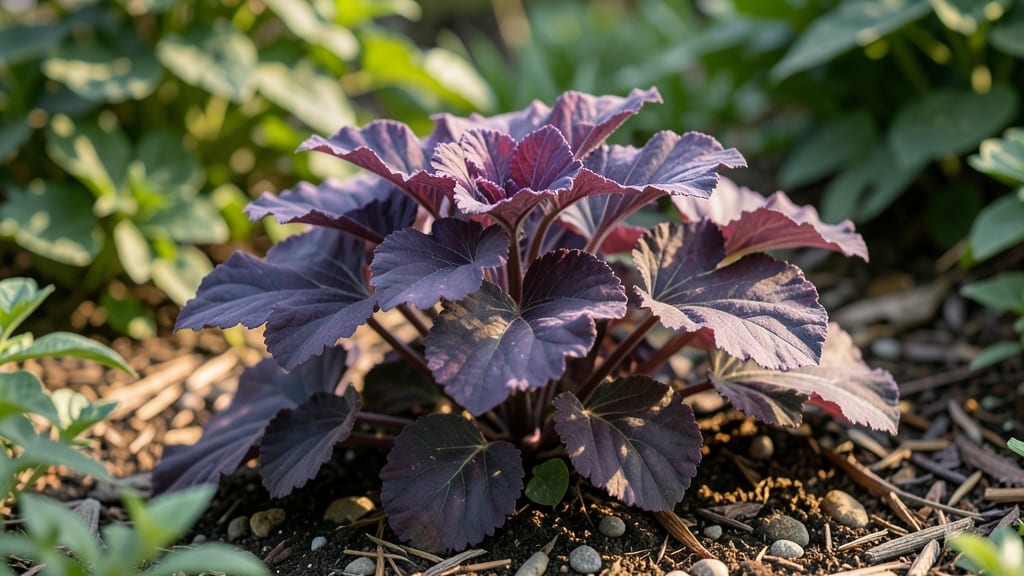
If you’re tired of plants that demand constant attention or wilt at the first sign of drought, Heuchera ‘Palace Purple’ is your game-changer. This drought-resistant coral bell thrives in 3–6 hours of sun daily—ideal for those tricky part-sun spots—while its deep purple foliage stays vibrant even in winter, offering year-round color without the fuss.
Beyond its striking appearance, this variety is deer-proof, making it a low-stress choice for rural or suburban gardens. Plant it in containers for patios or along borders to create a bold, textured edge. Just ensure well-draining soil, and you’ll enjoy minimal maintenance with maximum impact—no deadheading or staking required. 💚
Astilbe ‘Fanal’ with Feathery Pink Plumes
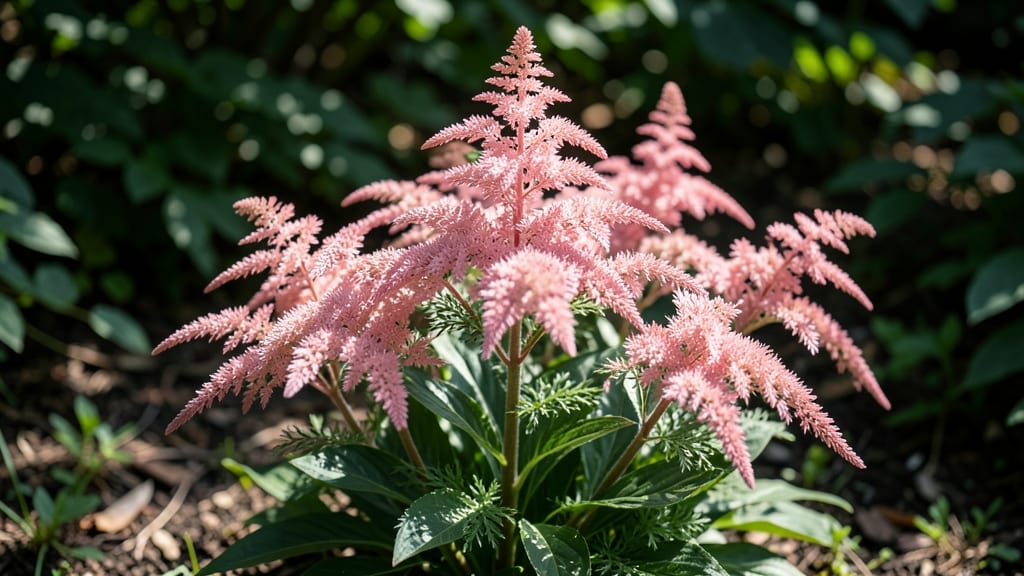
If you’re looking for a cut-flower superstar that thrives in Zone 7’s mixed-light spots, Astilbe ‘Fanal’ delivers feathery pink plumes that last 6–8 weeks—longer than most perennials. Unlike fussy flowers, it handles afternoon shade while still blooming boldly, making it perfect for understory plantings or dappled-light gardens.
This variety loves consistent moisture (think mulched soil) but won’t wilt if you miss a watering—just avoid soggy roots. The airy blooms attract hummingbirds, and you can snip stems for long-lasting bouquets. For best results, plant in well-draining soil and pair it with ferns or hostas to highlight its delicate texture.
Ideal for gardeners who want low-maintenance color without sacrificing pollinator appeal, ‘Fanal’ is the perfect bridge between shade and sun. 🌻
Lungwort (Pulmonaria) ‘David Douglas’
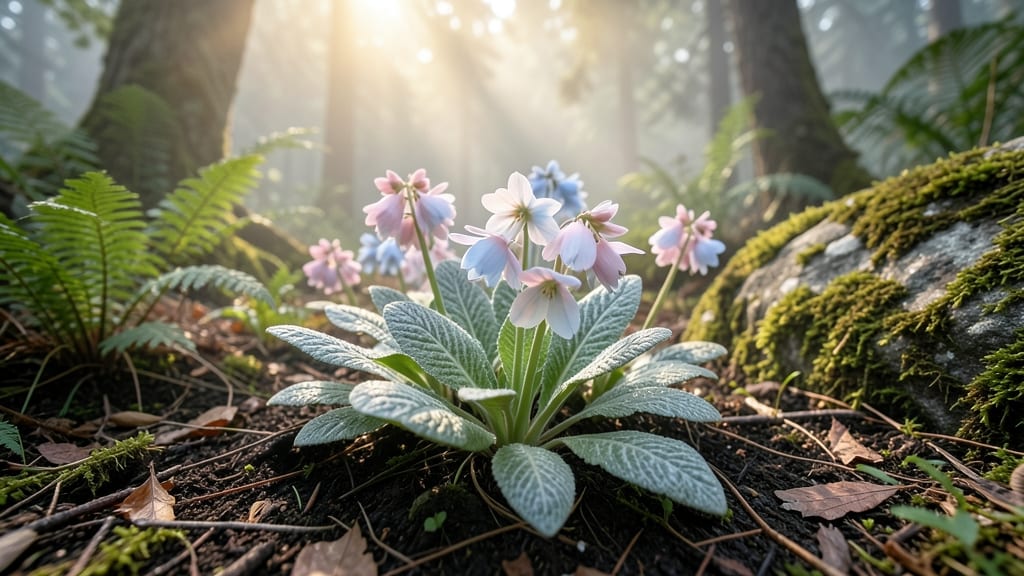
If you’re craving color before the heat of summer arrives, Lungwort (Pulmonaria) ‘David Douglas’ is your early-season hero. This woodland gem bursts into bloom in late winter or early spring, offering delicate pink and blue flowers that fade into soft green foliage—creating a seamless transition as the season progresses.
What makes it stand out is its adaptability to dry shade and light sun, making it ideal for understory plantings or north-facing beds where other perennials struggle. The spotted leaves add visual interest even when not in bloom, and its minimal self-seeding ensures a naturalized look without becoming invasive. Simply plant in well-drained soil and enjoy its effortless charm.
Perfect for gardeners who love low-maintenance plants with seasonal interest, this lungwort thrives in Zone 7’s climate and pairs beautifully with hellebores or ferns for a lush woodland effect. 🌿
Catmint ‘Walker’s Low’ with Lavender Hues
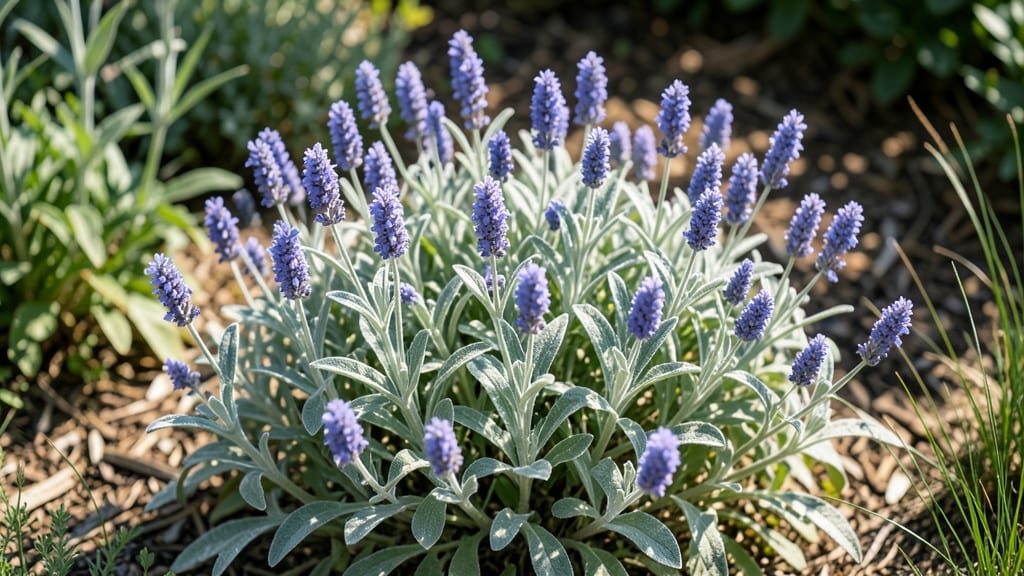
If you’re tired of perennials that wilt in dry spells or get munched by deer, catmint ‘Walker’s Low’ is your game-changer. This drought-tolerant superstar thrives in 3–6 hours of sun and blooms from early summer until frost, making it a pollinator magnet with minimal fuss.
Its lavender-blue flowers attract bees and butterflies while repelling deer—no fences or sprays needed. Deadhead spent blooms in late summer to encourage a second flush of flowers, and watch it spread into a fragrant, bushy mound that’s perfect for borders or container edges. It’s also low-maintenance, surviving on occasional water once established.
Zone 7 gardeners will love how this catmint handles heat and humidity without wilting, making it ideal for sunny borders or dry slopes. Plant it near other pollinator-friendly perennials for a buzzing, blooming display all season. 🌻
Hostas ‘Blue Angel’ with Giant Blue-Green Leaves
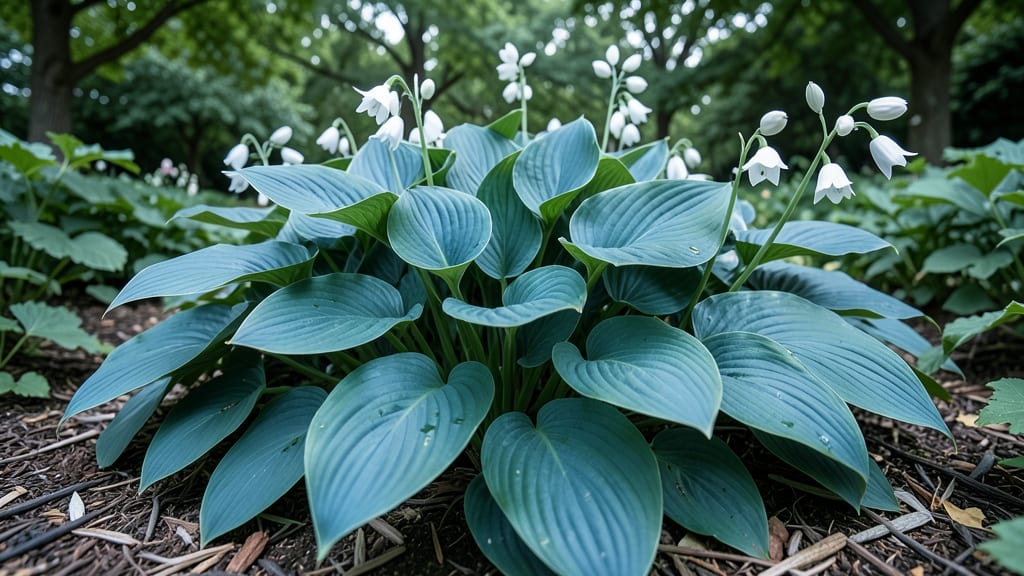
If you love lush, low-maintenance foliage that thrives without fuss, Hostas ‘Blue Angel’ is your perfect shade ally. This variety’s giant blue-green leaves create a bold foundation for any garden bed, while its delicate white blooms add unexpected elegance in summer.
Unlike many hostas, ‘Blue Angel’ tolerates 3–6 hours of morning sun without scorching, making it ideal for part sun spots. It multiplies quickly through rhizomes, filling gaps effortlessly—just divide clumps every 3–4 years to keep them vigorous. Pair it with ferns or astilbe for a layered, woodland-inspired look.
This hardy perennial is especially great for urban gardeners or beginners—it resists deer and thrives in Zone 7’s humidity with minimal care. Plant in well-draining soil and watch it become the star of your shade garden. 🌿
Bleeding Heart (Dicentra) ‘Alba’ with White Flowers
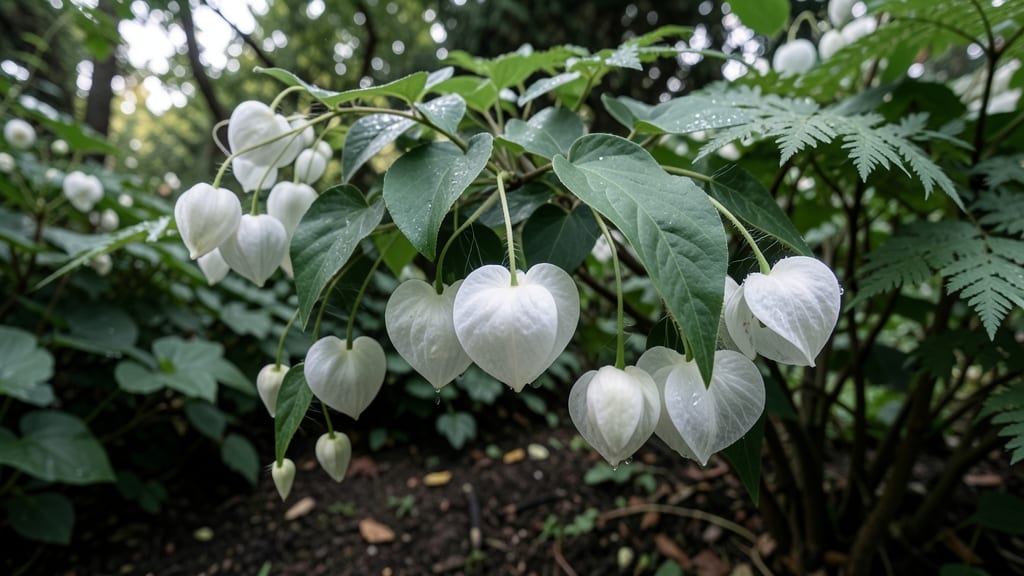
If you crave a romantic, old-fashioned charm in your shade garden, Bleeding Heart ‘Alba’ delivers dreamy white blooms that cascade like delicate lace. Unlike many shade plants, this variety offers a second flush of blooms in fall, extending its beauty well beyond spring’s fleeting season.
Plant it in moist, well-draining soil with 3–6 hours of morning sun—it thrives where other perennials struggle. The arching stems create natural movement, perfect for cottage-style borders or woodland edges. A light mulch helps retain moisture, while dividing every 3–4 years keeps it vigorous.
Ideal for gardeners who love low-maintenance elegance, this plant pairs beautifully with ferns and hostas. Its non-invasive roots make it a guilt-free choice for pollinator-friendly gardens. 🌷
Russian Sage with Lavender-Purple Spikes
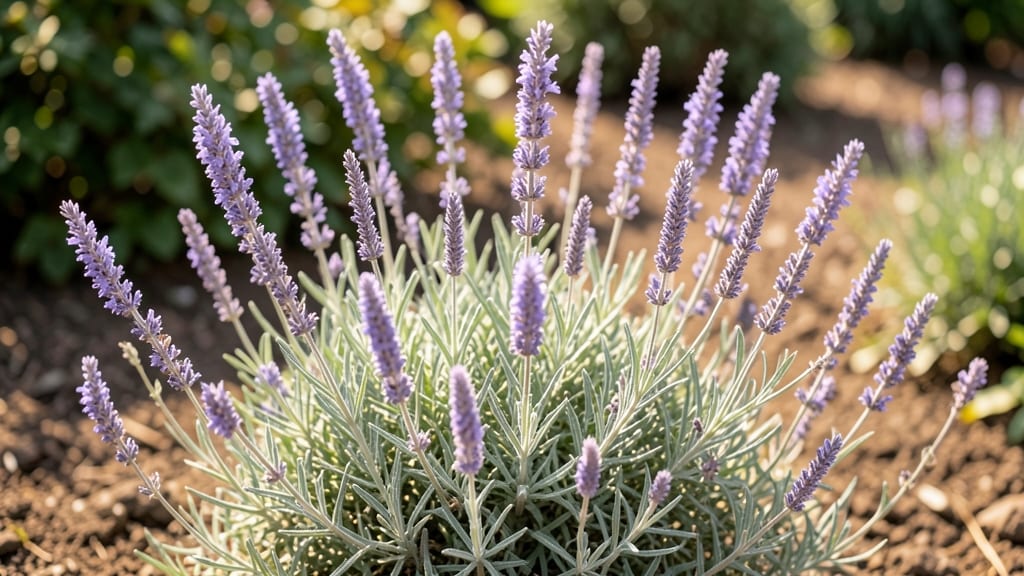
If your garden craves late-summer drama without the fuss of constant watering, Russian sage delivers with its lavender-purple spikes that dance in the breeze. This hardy perennial thrives in 4–6 hours of sun, making it perfect for that tricky part sun/part shade spot in Zone 7 where other plants wilt.
Native to dry Mediterranean climates, Russian sage is a drought-resistant powerhouse that requires minimal water once established—ideal for water-wise gardens. Its silvery-green foliage releases a subtle, minty aroma when brushed, and the upright blooms (reaching 3–5 feet) attract bees and butterflies from August through fall. Prune back in early spring to encourage bushier growth and prevent flopping.
This is the pollinator’s secret weapon for late-season color, especially when paired with catmint or coneflowers. Perfect for borders, wildflower meadows, or even container gardens, it’s a zero-maintenance stunner that keeps blooming long after summer’s peak. 🌻
Hellebore ‘Annie’s Winter Gift’ with Nodding Flowers
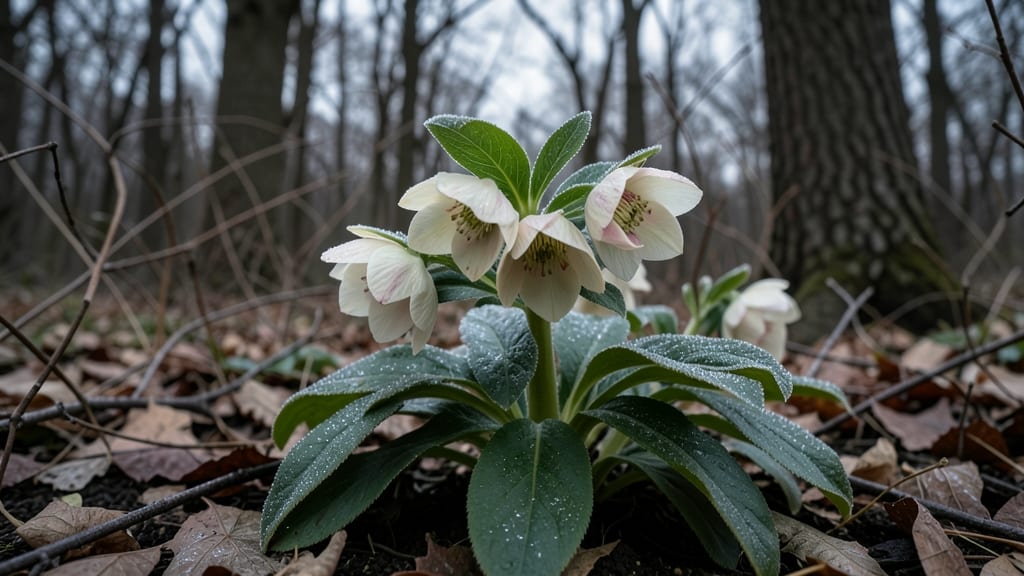
When winter’s grip tightens and most gardens lie dormant, Hellebore ‘Annie’s Winter Gift’ emerges as a cheerful exception. This winter-blooming perennial thrives in deep shade but also handles light sun, making it perfect for tricky spots under trees or along north-facing walls.
Its nodding flowers in soft pink and white appear from late winter through early spring, providing early-season color when few other plants bloom. Unlike high-maintenance perennials, this variety requires no summer watering once established, making it ideal for busy gardeners or drought-prone areas. Simply plant in well-draining soil and let it spread slowly over time.
Perfect for woodland gardens, foundation plantings, or containers, this hellebore adds structure and color without demanding attention. It’s especially rewarding for gardeners who crave year-round interest with minimal effort. 💚
Foxglove (Digitalis) ‘Giant Candles’ with Towering Spikes

If you crave dramatic height without the fuss of staking or trellises, foxglove ‘Giant Candles’ delivers 4–5 foot spikes of velvety purple blooms that feel like a fairy-tale centerpiece. This biennial thrives in partial sun, making it perfect for Zone 7’s dappled light conditions while self-seeding reliably for years of effortless color.
Plant seeds in fall or early spring for the best results—once established, this foxglove tolerates dry soil and attracts hummingbirds with its nectar-rich blooms. The key to managing it? Deadhead spent flowers to control self-seeding and encourage more blooms. Pair it with shorter perennials like heuchera or hostas to create a layered, cottage-garden effect.
This is the showstopper for gardeners who want low-maintenance drama—ideal for borders, woodland edges, or even as a cut-flower focal point. Just be mindful of its mild toxicity to pets if planted where they can nibble. 🌻