
Landscaping
Transform your shady spots into vibrant, low-maintenance gardens with these 10 part shade garden plans. Perfect for busy gardeners, these designs require minimal sunlight while delivering year-round color and texture—no green thumb required!
Japanese Maple and Fern Layered Border
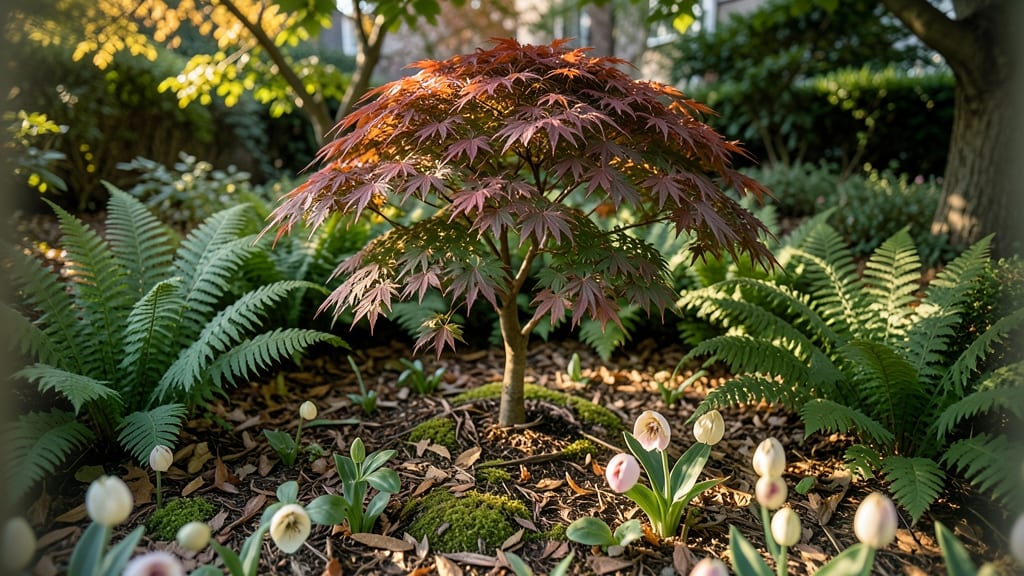
Turn even the shadiest corner of your garden into a year-round showstopper with a Japanese maple and fern layered border. This design thrives in part shade, making it perfect for small spaces like narrow beds, containers, or urban balconies where sunlight is limited.
Start with a dwarf Japanese maple (like Acer palmatum 'Bloodgood') as your focal point—its red foliage in spring matures to golden hues in fall, while Japanese painted ferns (Athyrium niponicum) add lush texture and delicate fronds. Plant the maple slightly elevated in a container or raised bed for visibility, then surround it with ferns at the base. Both love moist, well-draining soil and tolerate dry spells once established.
This combo is ideal for gardeners who want low-maintenance beauty without sacrificing seasonal interest. Perfect for beginners or urban dwellers with limited space, it brings woodland charm to any setting. 🌻
Hostas and Coral Bells Ground Cover
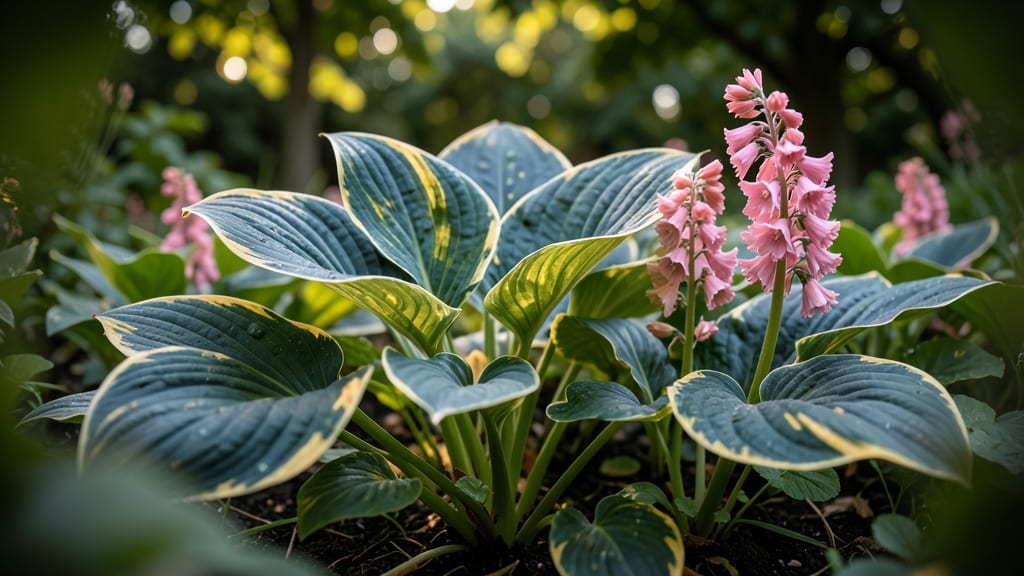
If you’re new to gardening and want a low-maintenance, pollinator-friendly solution for part shade, this dynamic duo delivers big results with minimal effort. Hostas offer bold, variegated foliage in shades of blue, green, and gold, while coral bells (Heucherella) add delicate, spiky blooms in pink, white, or lavender—plus, their spreading habit smothers weeds naturally.
Plant hostas as the backbone of your design (they thrive in 3–6 hours of sun) and tuck coral bells between them for height and seasonal interest. Both love moist, well-draining soil and benefit from a 2–3 inch layer of mulch to retain moisture. Coral bells’ airy flowers attract hummingbirds and butterflies, while hostas’ thick leaves deter slugs—making this combo both beautiful and functional.
This is the perfect starter ground cover for beginners: it’s forgiving, forgiving, and forgiving—ideal for shady borders, woodland gardens, or even container edges. Once established, it’s nearly self-sufficient. 🌿
Orchid and Bromeliad Tropical Container
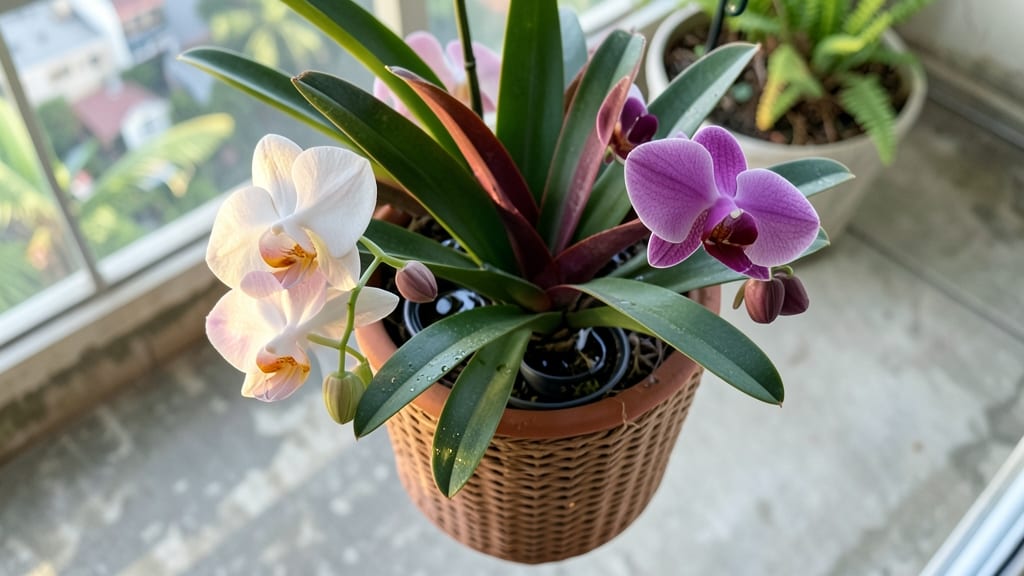
Bring a slice of the tropics to your urban space without needing direct sunlight—this orchid and bromeliad container combo thrives in bright indirect light, making it perfect for balconies, patios, or even indoor spots near windows. The contrast of orchids' delicate blooms and bromeliads' bold foliage creates instant visual drama with almost no effort.
These plants love humidity, so mist them occasionally or place the container on a tray of pebbles with water to recreate their natural environment. Use a well-draining mix designed for epiphytes (like orchid bark blend), and water only when the top inch feels dry. Phalaenopsis orchids and Neoregelia bromeliads are the easiest varieties to start with, offering year-round interest with minimal care.
This setup is ideal for renters, apartment dwellers, or anyone craving a lush, exotic look without the upkeep of a full garden. Just hang it up and enjoy the tropical vibes! 🌻
Heuchera and Ajuga Colorful Edging
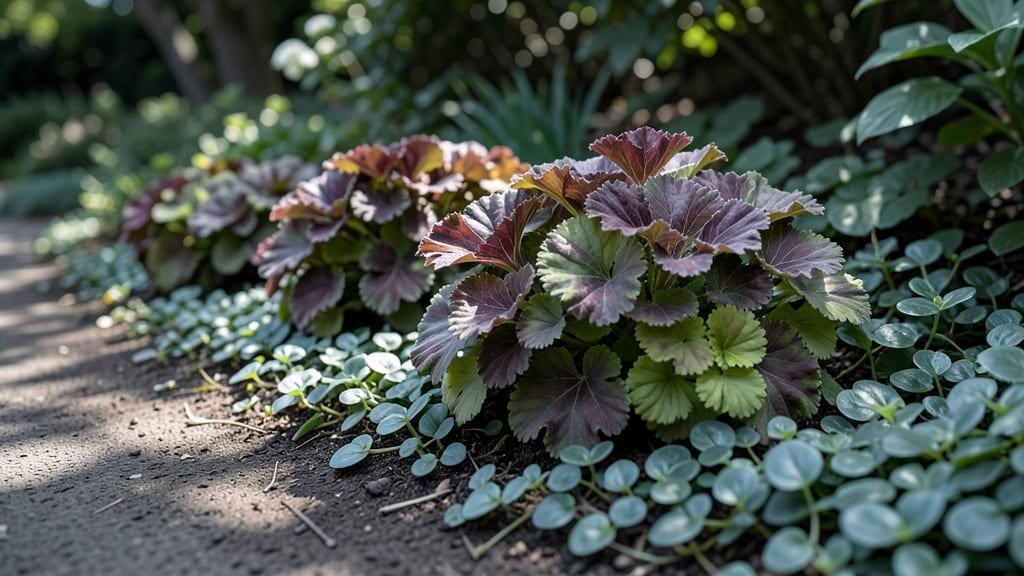
Tired of shady borders that look dull and require constant weeding? Heuchera (coral bells) and ajuga (bugleweed) team up to create a self-sustaining, weed-blocking edge that thrives in part shade while demanding almost no effort from you.
Start by planting heuchera in clusters along the border—its velvety foliage comes in shades of purple, silver, lime, and deep green, offering year-round color. Tuck ajuga in between; its low-growing, spreading habit smothers weeds while producing delicate purple flowers in spring. Both plants prefer moist, well-draining soil and tolerate dry spells once established.
This combo is perfect for gardeners who want color without the upkeep—ideal for urban backyards, foundation plantings, or even container edges. With minimal pruning and no need for fertilizers, you’ll enjoy a polished, living border that’s as functional as it is beautiful. 💚
Fuchsia and Impatiens Hanging Baskets
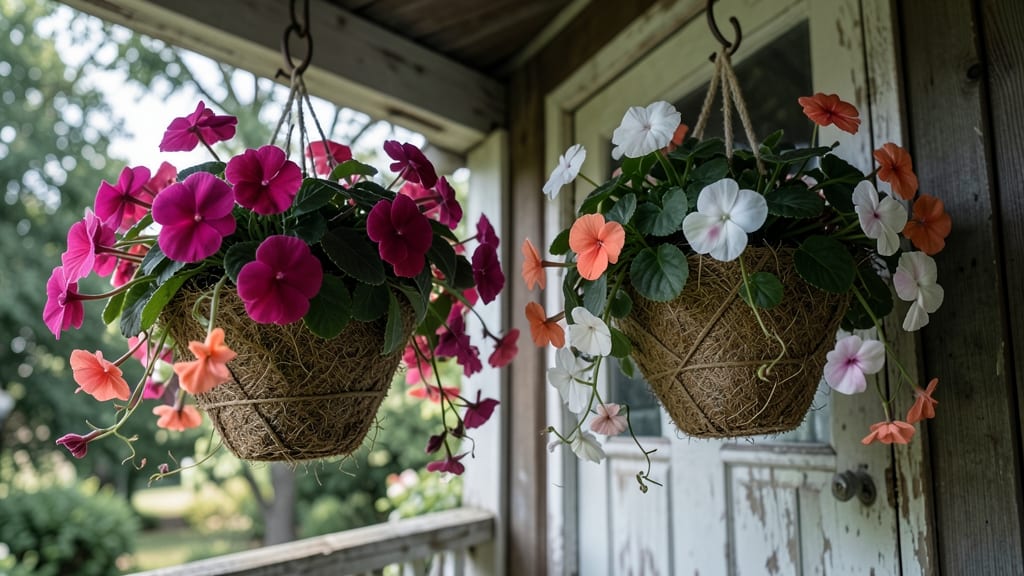
Turn even the shadiest corners of your porch or entryway into a burst of color with fuchsia and impatiens hanging baskets. These two powerhouse plants thrive in part shade, where others might struggle, and their cascading blooms create a dramatic, eye-catching display that lasts all season.
Fuchsias produce tubular flowers in shades of pink, purple, and red, while impatiens deliver cheerful blooms in white, orange, or magenta. Both prefer moist, well-draining soil and benefit from a light feeding of balanced fertilizer every 4-6 weeks. For extra vibrancy, mix varieties in the same basket—like deep purple fuchsias with fiery red impatiens. Hang them where they’ll catch dappled sunlight, such as under a tree canopy or on a covered patio.
This combo is ideal for gardeners who want instant impact with minimal effort, especially those with limited space or urban balconies. Plus, the trailing habit makes them perfect for adding vertical interest to fences or pergolas. 🌻
Dwarf Boxwood and Boxwood Topiary
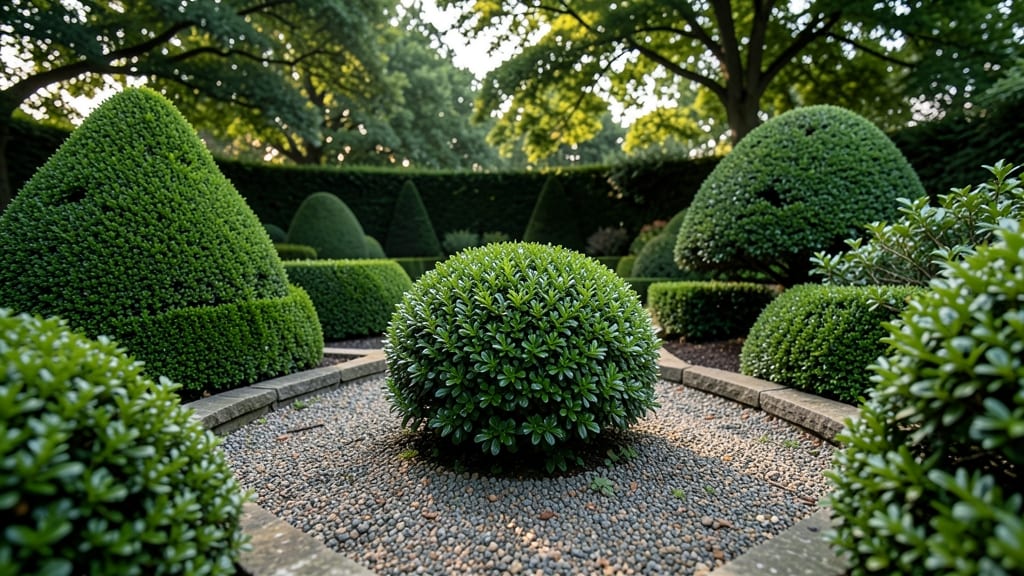
Tired of fussy plants that demand constant shaping? Dwarf boxwoods and topiary designs offer year-round structure with almost no effort—just a single trim per year keeps them picture-perfect. Their glossy, evergreen leaves create crisp lines that elevate even the simplest garden space.
These versatile shrubs thrive in part shade, making them ideal for foundation plantings, modern hedges, or sculptural focal points. Choose between compact varieties like 'Green Velvet' (18" tall) or classic topiary shapes like spirals and cubes. Prune in late spring or early summer to encourage dense growth, and watch how their neat forms soften hard architectural lines.
Perfect for urban gardeners or those with formal tastes, boxwoods require minimal watering once established and resist pests better than many alternatives. Add them to your part-shade plan for a polished, low-fuss statement. ✨
Astilbe and Bleeding Heart Woodland Retreat
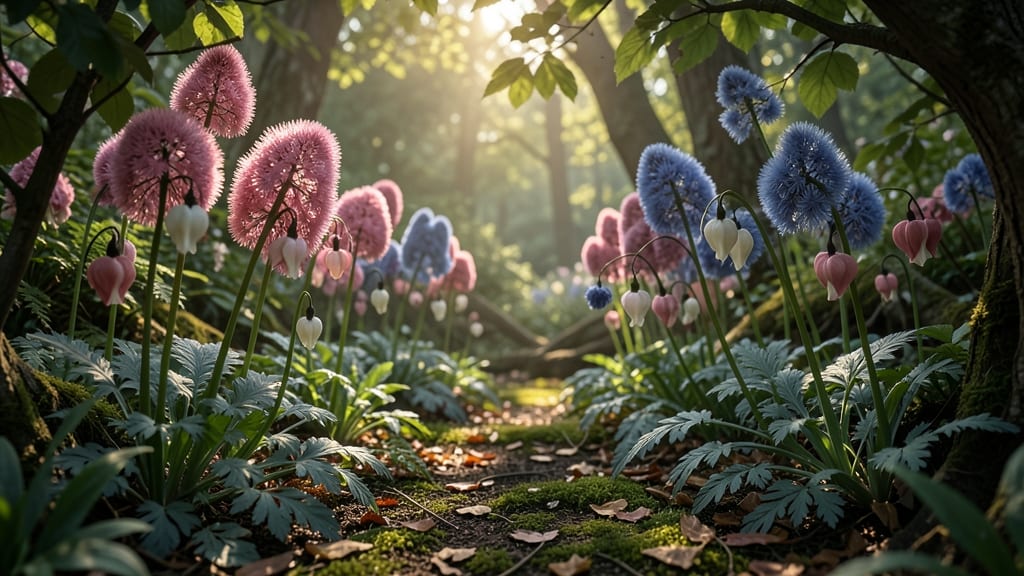
Craving a garden that feels like a secret woodland hideaway? Pair astilbes with bleeding hearts for a romantic, low-light retreat that thrives on neglect. These two perennials create a dreamy, layered look with minimal effort—ideal for gardeners who want beauty without the fuss.
Astilbes deliver feathery plumes in shades of pink, white, and red from early to mid-summer, while bleeding hearts offer delicate, heart-shaped blooms in spring. Both flourish in part shade (2-6 hours of sun) and tolerate moist, well-draining soil—perfect for woodland edges or under trees. Deadhead spent blooms to encourage more flowers, and divide clumps every 3-4 years to keep them vigorous.
This combo is especially magical for gardeners who love whimsical, cottage-style spaces or want to soften shady corners. The contrast of astilbe’s upright plumes and bleeding heart’s drooping blooms creates natural movement, while their season-long interest keeps your garden looking lush. 🌷
Snake Plant and ZZ Plant Indoor-Outdoor Mix
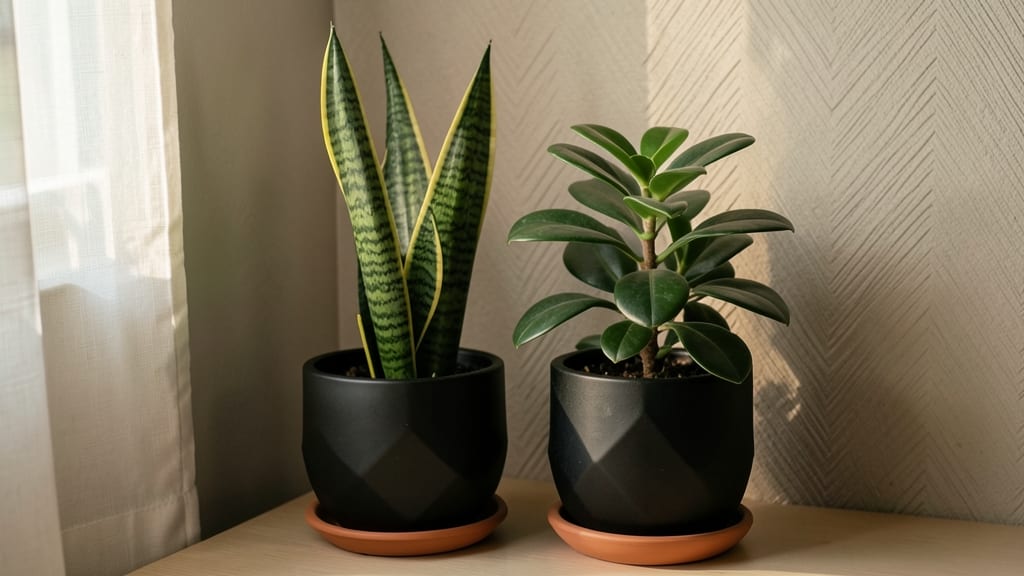
If you’ve ever struggled to keep plants alive, the snake plant (Sansevieria) and ZZ plant (Zamioculcas zamiifolia) duo is your secret weapon. These two thrive in low light and can go weeks without water, making them perfect for busy gardeners or those with forgetful watering habits.
Both plants are air-purifying powerhouses, removing toxins like formaldehyde and benzene from indoor spaces while adding architectural beauty. Place them in terracotta pots for a seamless indoor-outdoor transition—snake plants tolerate brief outdoor exposure, while ZZ plants stay lush in shady patios or balconies. Their glossy, upright leaves create a striking vertical contrast, ideal for modern or minimalist gardens.
This near-indestructible combo is ideal for urban dwellers, office spaces, or anyone who wants year-round greenery with zero fuss. 💚
Lungwort and Solomon’s Seal Shade Perennial Bed
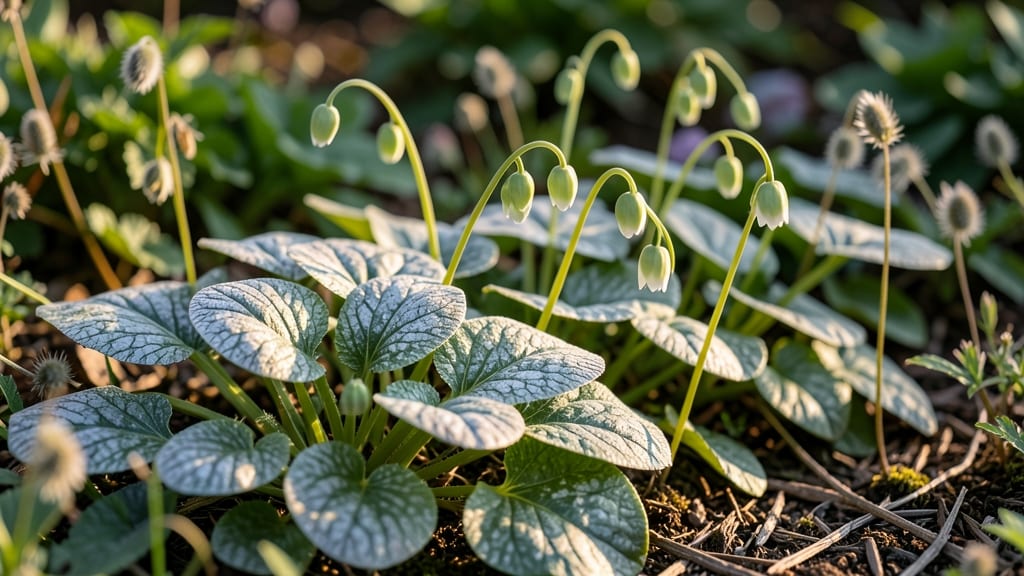
Looking for a shade perennial bed that’s both beautiful and functional? Pair lungwort (Pulmonaria) with Solomon’s seal (Polygonatum) for a textured, early-blooming display that thrives in part shade while offering medicinal benefits.
Lungwort’s silver-spotted leaves (which fade to green) contrast beautifully with Solomon’s seal’s arching, bamboo-like stems and delicate white flowers. Both plants are drought-tolerant once established and attract pollinators, while lungwort’s foliage has been used traditionally for respiratory health. Plant lungwort in clusters at the front for its low-growing habit, while Solomon’s seal’s upright growth adds vertical interest in the back.
This combination is perfect for woodland gardens, cottage-style beds, or understory plantings—ideal for gardeners who want low-maintenance beauty with a touch of history. 🌿
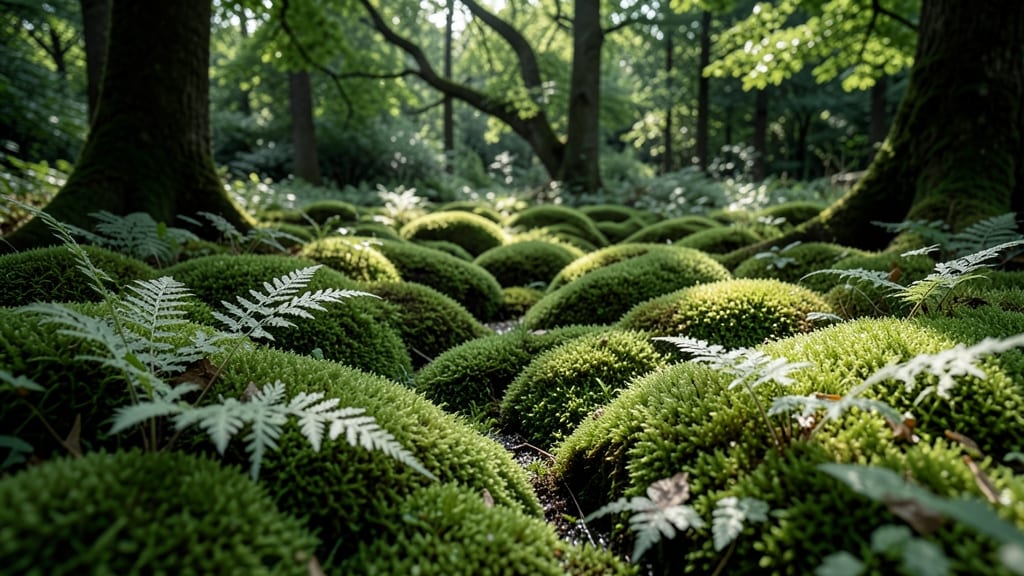
Moss Garden with Miniature Ferns

Turn your damp, shaded corners into a lush, velvety retreat with a moss garden paired with delicate miniature ferns. This ultra-low-maintenance combo thrives where most plants refuse to grow—under trees, along north-facing walls, or in moist woodland areas.
Start by layering sheet moss (like Hypnum or Thuidium) as your base—it spreads effortlessly with occasional misting and suppresses weeds naturally. Tuck in dwarf ferns like Japanese painted fern (Athyrium niponicum) or autumn fern (Dryopteris erythrosora) for vertical texture. These ferns tolerate 6+ hours of shade and add delicate fronds that contrast beautifully with moss’s soft carpet.
Perfect for urban gardeners with shady patios or woodland enthusiasts, this garden requires no fertilizing, minimal pruning, and stays vibrant year-round. Just keep it moist and watch your "impossible" space transform into a serene green oasis. 💚