
Trees
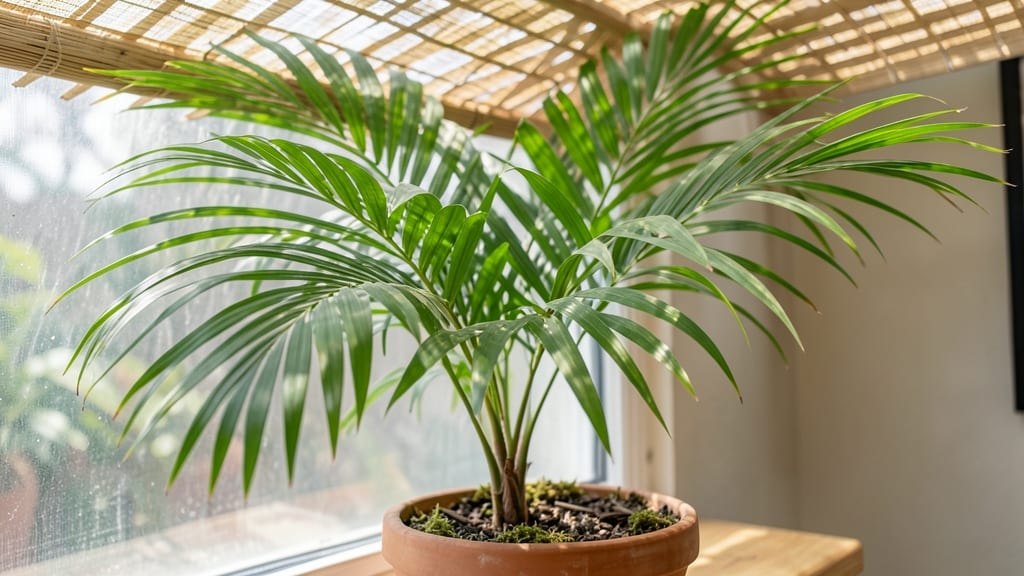
Creating a palm trees shade haven transforms your backyard into a tropical retreat—without the humidity of a beach vacation. 🌴 I’ve designed my own shaded oasis using a mix of tall palms and understory plants, and the result is a cool, private space that feels like a vacation every time I step outside.
The secret lies in placement: position taller palms like Mediterranean fan palms or California fan palms on the north or west sides of your yard to block harsh afternoon sun while still letting morning light filter through.
Pair them with shade-loving perennials like ferns, hostas, or caladiums to create layers of dappled light and texture. By mid-summer, you’ll have a 30-foot-high canopy that keeps your patio 10-15 degrees cooler than the surrounding area.
The rustling fronds add movement and sound, while the filtered light creates a perfect spot for reading or relaxing—all while keeping your home’s AC costs down. Works in zones 8-11 with minimal fuss, though colder climates need container-grown palms that can overwinter indoors.
Here’s how to plan yours without overcomplicating it.
📚 In This Guide
- What you need
- Instructions
- Tips and common mistakes
- Wrapping up and next steps
What you need
- ● Palm tree seedlings or saplings: Quantity: 2–4 per linear foot (adjust based on desired density and spacing). Species: Dwarf palm varieties (e.g., Pygmy Date Palm, Windmill Palm, or Chinese Fan Palm) for smaller spaces; taller palms (e.g., Canary Island Date Palm) for full privacy.
- ● Soil amendments: Compost or well-rotted manure (1–2 bags per tree). Sand or perlite (for drainage, especially in clay-heavy soil; 1 part sand to 3 parts native soil).
- ● Mulch: Organic mulch (wood chips, pine straw) (2–3 inches thick, 3–4 cubic feet per tree).
- ● Fertilizer: Slow-release palm fertilizer (follow label for dosage, typically 1–2 lbs per tree at planting).
- ● Watering supplies: Hose with adjustable nozzle or drip irrigation kit. Watering can (for seedlings).
- ● Digging tools: Shovel or spade (for planting holes). Trenching shovel (if creating a hedge row).
- ○ Measuring tools: Tape measure (to mark spacing). Stakes and string (for layout, optional but helpful for alignment).
- ● Safety gear: Gloves (heavy-duty for digging). Knee pads (for comfort).
- ● Erosion control: Jute netting or biodegradable mats (to stabilize soil while roots establish).
- ● Decorative elements: Landscape fabric (under mulch to suppress weeds). Solar-powered stake lights (for evening ambiance).
- ● Pruning tools: Bypass pruners (for shaping mature palms). Safety goggles (if dealing with thorny varieties).
- ● Climate considerations: Frost cloth (for young palms in cold climates). Windbreaks (if your area is prone to strong winds).
How to create a lush palm tree privacy screen
Here's how I design a sun-blocking, tropical-feeling privacy barrier that thrives in full sun.
🌱 Step 1: Select the Right Palm Varieties for Your Climate
Choose 4-6 palm species suited to your hardiness zone. I recommend Mexican fan palms (Zone 9-11) for their broad canopies, or windmill palms (Zone 8-11) for their airy growth habit. Dwarf varieties like pygmy date palms work well in containers for smaller spaces. Check each species' mature height—most privacy screens need 15-20 feet of coverage.
For faster results, mix fast-growing types like Mediterranean fan palms with medium-paced varieties. Space them 8-12 feet apart in a staggered pattern to create a natural, layered look. I always plant the tallest varieties in the back row to avoid blocking sunlight for shorter palms.
☀️ Step 2: Prepare the Planting Site for Full-Sun Thrivers
Palms need well-draining soil—amend heavy clay with 2-3 inches of coarse sand or perlite per planting hole. Dig holes twice as wide as the root ball but only as deep as the container. The top of the root ball should sit 1-2 inches above ground level to prevent waterlogging.
For 4 palms, you'll need 4 planting holes spaced according to your chosen spacing. I like to outline the positions with stakes and string first to visualize the mature screen. Add a slow-release palm fertilizer (10-10-10 ratio) to each hole before planting—palms are heavy feeders and won't tolerate poor soil.
🪴 Step 3: Plant and Stake for Stability
Remove each palm from its container and loosen the root ball gently at the edges to encourage outward growth. Place it in the hole so the trunk sits upright—palms won't recover if planted crooked. Fill the hole with native soil, tamping lightly every 2 inches to eliminate air pockets.
Water deeply until moisture reaches 12 inches down, then add 2-3 inches of mulch (cypress or pine bark works best) to retain moisture and regulate soil temperature. Stake only if needed—young palms in windy areas benefit from 2 bamboo stakes tied loosely to the trunk with soft plant ties. Remove stakes after 1-2 years to avoid girdling.
💧 Step 4: Water and Fertilize for Rapid Growth
Water deeply 2-3 times per week for the first 3 months, then taper to once weekly once established. Palms show stress by yellowing fronds—this means either overwatering or underwatering. Let the soil dry 3-4 inches deep between waterings once mature. I use a moisture meter to check, but the thumb test works too.
Fertilize every 6-8 weeks during growing season with a palm-specific fertilizer. Avoid high-nitrogen blends—palms prefer balanced or low-nitrogen formulas. In winter, cut back to monthly applications or none at all in colder zones. Over-fertilizing causes salt buildup that burns roots.
✂️ Step 5: Prune and Maintain for Long-Term Privacy
Remove only dead or brown fronds—never prune healthy green leaves. Use clean, sharp pruners to cut fronds at the base of the trunk, leaving a 1-inch stub. This prevents disease and keeps the palm looking tidy. I schedule a spring cleanup right before new growth begins to encourage fresh fronds.
Watch for pests like palm weevils (look for sawdust-like frass at the base) or spider mites (visible webbing on fronds). Treat infestations immediately with neem oil or horticultural oil. Mature palms develop natural pest resistance, but young plants need extra care. A quarterly inspection keeps problems small.
Tips & tricks for perfect palm tree privacy screens
Here's what I've learned from years of designing tropical privacy barriers that actually thrive.
Climate Matching: Double-check your hardiness zone before selecting varieties—Mexican fan palms won't survive winter in Zone 7, no matter how much you love their look. I always verify mature heights too; a 15-foot palm planted too close will block sunlight for shorter varieties behind it. The key is that back row should be at least 2 feet taller than the front row for proper light penetration.
Soil Prep Secret: That 2-3 inches of sand or perlite isn't optional for heavy clay soils. I've seen palms drown within months when planted in unamended clay. For extra insurance, mix in some compost too—palms love organic matter but need that drainage. And remember: the root ball should sit 1-2 inches above ground level to prevent waterlogging at the base.
Staking Strategy: Only stake palms in truly windy areas, and use soft plant ties that won't cut into the trunk. I've seen bamboo stakes left too long actually girdle young palms. Remove them after 1-2 years, and always use at least two stakes per palm for proper support. The goal is temporary stabilization, not permanent attachment.
Watering Wisdom: The 2-3 times per week for the first 3 months is critical—palms establish roots slowly. I use a moisture meter to check 3-4 inches deep between waterings once established, but the thumb test works too: stick your finger in the soil. If it feels dry, water deeply. Yellowing fronds mean you're either overwatering or underwatering—palms hate soggy roots but also can't handle drought stress.
Pro Tips for Palm Trees Shade
- Here's what I've learned from years of designing tropical privacy barriers that actually thrive.
- Climate Matching: Double-check your hardiness zone before selecting varieties—Mexican fan palms won't survive winter in Zone 7, no matter how much you love their look.
- Soil Prep Secret: That 2-3 inches of sand or perlite isn't optional for heavy clay soils.
Frequently asked questions
Got questions about creating a lush, sun-defying privacy screen with palm trees? You’re not alone!
Here are some of the most common queries—plus expert answers to help you plan like a pro.
How long does it take for palm trees to provide full shade?
Most palm trees grow about 1–3 feet per year, depending on the species. Smaller varieties like Pygmy Date Palms may offer light shade in 3–5 years, while taller types like Canary Island Date Palms can take 7–10 years for dense coverage. Plant in clusters for faster results!
Do palm trees block heat as well as sunlight?
Yes—but with a twist! Palm fronds filter sunlight (reducing glare and UV rays), but they don’t insulate like a solid fence. On hot days, the shade can lower ground temperatures by 10–15°F. For extra cooling, pair them with mature trees with broad canopies (like oaks) or install a shade sail overhead.
Are palm trees cheaper than other shade solutions?
Upfront costs vary: A single palm tree runs $50–$300 (potted) or $100–$500+ (installed). Over time, they outperform temporary solutions like:
- Retractable awnings: $500–$2,000 (annual maintenance)
- Perennial vines (e.g., bougainvillea): $20–$100/plant, but need pruning
- Wooden lattice + climbing plants: $300–$1,500 (labor-intensive)
What’s the best way to prevent palm trees from dropping fronds everywhere?
Frond drop is natural, but you can minimize mess with these tricks:
- Water deeply but infrequently (drought stress causes shedding).
- Prune dead fronds at the base (never cut live ones—it stresses the tree!).
- Choose low-shedding varieties like Mediterranean Fan Palms or Windmill Palms.
- Use a tarp or mulch under young trees to catch debris.
Can I mix palm trees with other plants for a layered privacy screen?
Combine palms with:
- Tall grasses (e.g., Pampas Grass) for texture
- Evergreen shrubs (e.g., Boxwood or Holly) for year-round cover
- Climbing vines (e.g., Jasmine or Star Jasmine) on trellises for fragrance
Wrapping up and next steps
Palm trees aren’t just tropical eye candy—they’re your backyard’s secret weapon against the sun! 🌴☀️ With their lush shade and natural privacy, they transform any space into a serene oasis while requiring minimal upkeep. Whether you’re dreaming of a cozy reading nook or a sun-proof patio, these versatile trees deliver both beauty and function.
Ready to turn your vision into reality? Start small: Pick a variety that fits your climate, prep your soil, and plant with confidence. Before you know it, you’ll be lounging under your very own leafy canopy—enjoying shade, privacy, and that Pina Colada vibe all year round! 🍹