
Light Requirements
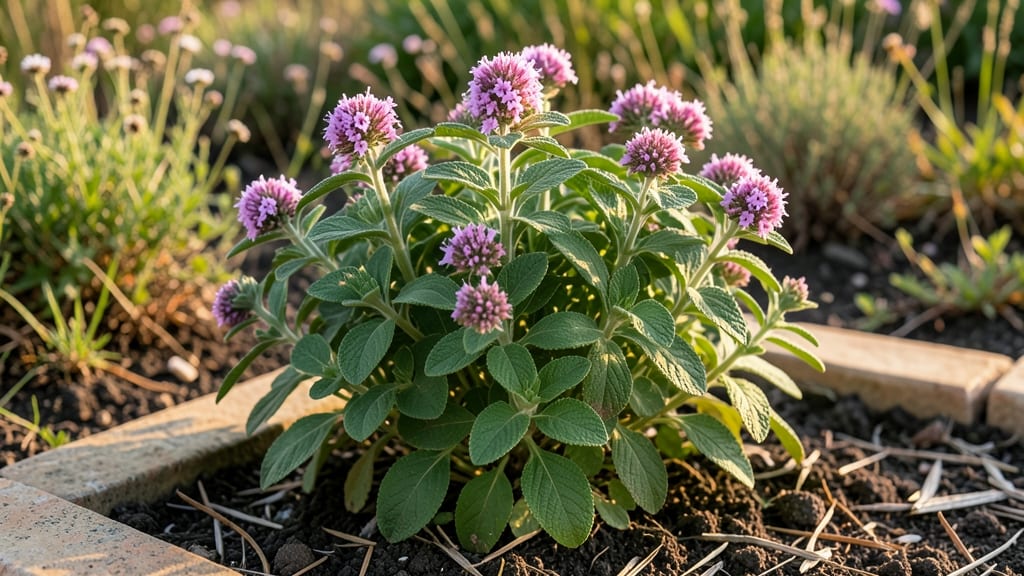
Oregano thrives in full sun or shade, but the right light makes all the difference for flavor and growth.
Picture this: your oregano plants are wilting under harsh afternoon rays or barely surviving in a shady corner. The key isn’t just choosing one—it’s understanding how to balance sun and shade for maximum yield year-round.
In Zone 6a, where spring planting kicks off in March, oregano craves 6+ hours of sunlight but can adapt to partial shade in hot climates. Too much shade dulls its aroma, while too much sun burns the leaves—both mistakes I’ve made (and fixed!).
Here’s how to get it right: from soil prep to seasonal tweaks, I’ll walk you through the perfect light setup for your oregano, whether you’re growing it in pots or the ground.

Oregano in full sun: ideal conditions, growth tips, and potential challenges
Oregano thrives in full sun exposure, making it a perfect herb for sunny garden beds or containers. With 6-8+ hours of direct sunlight daily, your oregano will develop its signature bold, aromatic flavor and grow vigorously.
This Mediterranean native loves heat, but a few key conditions will ensure it reaches its full potential without common pitfalls like leaf burn or stunted growth.
If you're growing Greek oregano (the most common variety), prioritize a location with unfiltered sunlight and well-draining soil. The right balance of sun and soil moisture will transform your herb from a mere survival plant into a flavor powerhouse for your kitchen.
Let’s break down the ideal conditions and how to avoid common mistakes.
| Requirement | Specification |
|---|---|
| Sunlight Needs | 6-8+ hours of direct sun daily |
| Soil Type | Well-draining, slightly alkaline (pH 6.0-8.0) |
| Water Frequency | Every 7-10 days (drought-tolerant) |
| Mature Size | 1-2 feet tall, 1-2 feet wide |
| Harvest Time | June-October (peak flavor before flowering) |
| Common Challenges | Leaf burn, stunted growth, weak aroma |
For optimal flavor development, place your oregano in a spot where it receives morning sun and afternoon shade if you live in a hot, dry climate like Arizona or Southern California. This prevents leaf scorch while still providing enough light for robust growth.
In cooler regions (Zones 3-5), full sun all day is ideal, as oregano can handle frost down to 20°F once established.
Start with well-draining soil mixed with compost to ensure nutrients are readily available. Oregano prefers slightly alkaline soil (pH 6.0-8.0), so test your soil and amend with lime if needed. Poor drainage leads to root rot, which can kill your plant quickly.
If your garden soil is heavy clay, consider planting in raised beds or containers filled with a 50/50 mix of potting soil and perlite.
Avoid overwatering—oregano is drought-tolerant once established. Water deeply once a week during dry spells, allowing the top inch of soil to dry out between waterings. Overwatering causes root suffocation and weakens the plant’s resilience to pests.
In containers, water every 3-5 days in summer, as pots dry out faster than garden beds.
One of the biggest mistakes gardeners make is pruning incorrectly. To encourage bushy growth and maximize flavor, trim back one-third of the plant in early spring and again after harvest.
Use clean, sharp pruning shears to avoid damaging stems. Regular pruning prevents woody stems and keeps the plant compact, making it easier to harvest.
Watch for leaf burn, which appears as crispy, brown edges on leaves. This happens when oregano gets too much intense midday sun without enough moisture. If this occurs, move your plant to a slightly shadier spot or increase watering temporarily.
Mulching with straw or wood chips helps retain soil moisture and protects roots from extreme temperatures.
To maximize harvest yield and flavor, harvest leaves just before flowering. The best time is in the morning after dew has dried, when essential oils are at their peak. Snip stems with 3-4 inches of growth to encourage new foliage.
Store fresh oregano in the fridge for up to 2 weeks or dry it for long-term use. Proper care in full sun ensures your oregano stays aromatic and productive for years.
With the right sun exposure, soil, and care, your oregano will reward you with abundant, flavorful leaves all season long. Whether you're growing it in a sunny windowsill or garden bed, these tips will help you avoid common pitfalls and enjoy a thriving herb garden.
Shade-grown oregano: when and how to adapt for lower light conditions
Not all gardens receive the 6+ hours of sun that oregano craves. If your space offers only partial shade—whether from tall buildings, dense trees, or north-facing windows—don’t despair. Oregano can adapt, but it requires strategic adjustments to thrive.
Shade slows growth and mellows flavor, but with the right soil, spacing, and companions, you can still grow a fragrant, productive plant.
Urban balconies, shaded forest edges, and even indoor windowsills can all host oregano—though the results will differ from sun-drenched plants. In low-light conditions, focus on nutrient-rich soil, frequent pruning, and companion plants that boost growth.
The key is balancing light deprivation with optimal care to prevent leggy stems or weak flavor.
Oregano in Shade vs. Full Sun
Shade-Grown Oregano
- ✅ Slower growth but viable in 2-4 hours of light
- ✅ Milder flavor—less intense than sun-grown
- ✅ Less watering needed (soil stays moist longer)
- ✅ Ideal for containers on patios or windowsills
Full-Sun Oregano
- ⚠️ Faster growth (up to 3x quicker)
- ⚠️ Intense flavor—peak aromatic oils
- ⚠️ More watering (dries out faster)
- ⚠️ Risk of leaf burn in extreme heat
To compensate for limited sunlight, start with nutrient-dense soil. Amend your garden bed or container mix with compost or worm castings to provide extra nitrogen and phosphorus. Oregano in shade also benefits from regular pruning—pinch back leggy stems to encourage bushier, more aromatic growth.
Without enough light, plants stretch toward any available source, weakening their structure.
Companion planting can work wonders in shaded areas. Pair your oregano with low-growing herbs like thyme or mint, which thrive in similar conditions and help deter pests. Avoid competitive plants like rosemary or lavender, which demand more sunlight and nutrients.
In containers, group oregano with shade-tolerant veggies like lettuce or spinach to maximize space and shared resources.
Monitor your oregano’s flavor development closely in shade. While it may not reach the same intensity as sun-grown plants, proper care can still yield a usable harvest. Harvest leaves just before flowering for the best taste, and avoid over-pruning, which stresses already light-deprived plants.
If indoor-grown, rotate containers weekly to ensure even exposure to any available light.
For urban gardeners, consider reflective surfaces like white walls or mirrors to bounce extra light onto your oregano. Even a south-facing window with a grow light for 4-6 hours daily can significantly improve growth.
With patience and these adjustments, your shade-grown oregano will reward you with harvests all season long, even without full sun.