
Shrubs
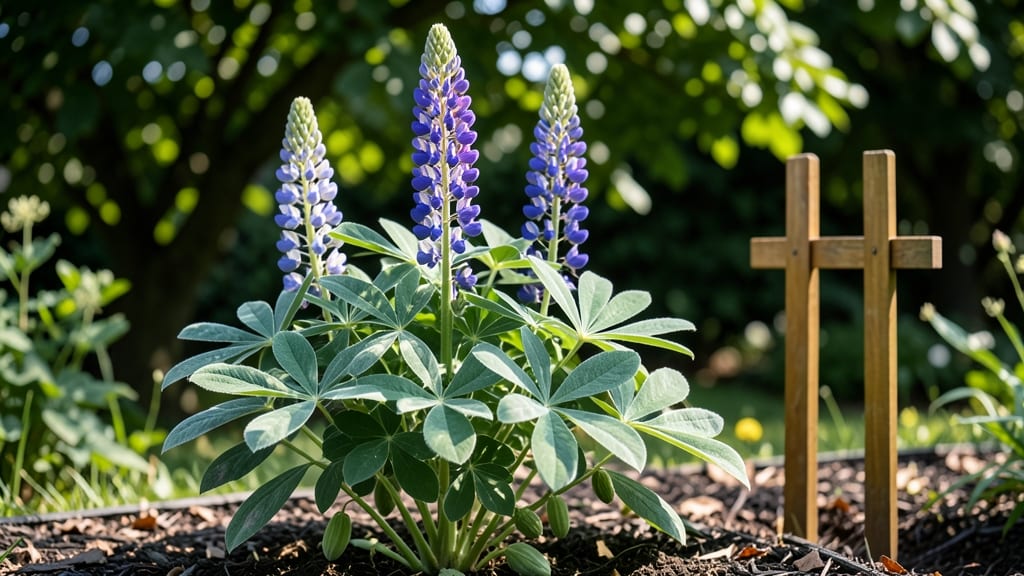
Lupines thrive in sun or shade, but getting their light needs right is the key to those showstopping blooms you’ve been dreaming of.
Struggling to get your lupines to bloom as vibrantly as they should? The battle between sun and shade might be the key factor holding back their full potential—and understanding their light needs could transform your garden display.
These hardy perennials 🌸 love flexibility, but too much shade means sparse flowers, while scorching sun can stress their delicate leaves. The secret lies in finding that sweet spot where they get enough light to flourish without burning out.
In this guide, I’ll break down exactly how much sun or shade your lupines need, how to spot when they’re unhappy, and which varieties handle low-light spots best—so you can enjoy bold blooms all season long.
 Best Window Placement
Ideal sunlight conditions for lupine blooms: how much light do they really need?
When it comes to growing lupines, sunlight is the most critical factor for producing those stunning spike-shaped blooms you love. While lupines are famously adaptable, their light requirements directly impact bloom size, color intensity, and even plant longevity.
As someone who’s experimented with lupines in both sunny and shady spots, I’ve learned that 4-6 hours of direct sunlight is the sweet spot for most varieties—but regional climate and variety play huge roles in fine-tuning that balance.
In my own garden, I’ve noticed that full-sun lupines (like Lupinus polyphyllus) produce larger, more vibrant blooms with longer stems, while shade-tolerant varieties (such as Lupinus arboreus) thrive with just 3-4 hours of filtered light.
The key is understanding how light intensity and duration interact with your local climate to avoid common pitfalls like leaf scorch or leggy, weak growth.
Here’s the breakdown of lupine light needs, including how to adapt your care based on your region’s sunlight patterns:
| Light Condition | Sunlight Hours | Bloom Impact | Best For | Regional Notes |
|---|---|---|---|---|
| Full Sun | 6+ hours | Largest, brightest blooms | Arid climates, USDA Zones 5-9 | Risk of leaf burn in hot zones; mulch heavily |
| Partial Sun | 4-6 hours | Moderate blooms, longer stems | Temperate zones, containers | Ideal for most gardens; avoid afternoon sun |
| Partial Shade | 3-4 hours | Smaller blooms, frequent flowering | Woodland gardens, Zone 6+ | Use shade cloth in hot afternoons |
| Full Shade | <2 hours | Minimal blooms, leggy growth | North-facing spots, Zone 7+ | Not recommended; relocate or choose shade-tolerant varieties |
If you’re in a hot, dry climate (like USDA Zone 8-10), lupines actually prefer morning sun and afternoon shade to prevent heat stress.
In my Zone 7 garden, I’ve found that placing lupines near east-facing windows or under dappled tree shade gives them just enough light without scorching their leaves. For cooler climates (Zones 3-5), lupines can handle full sun all day because the intensity is lower.
The color of your lupine blooms is also influenced by light. In full sun, you’ll see brighter blues, purples, and whites, while partial shade tends to produce softer pastels.
I once grew Lupinus 'My Castle' in both conditions and was amazed by how the deep magenta blooms in full sun faded to a lavender blush in partial shade. For maximum vibrancy, aim for at least 5 hours of direct light during the growing season.
One common mistake I see is assuming that more sun is always better. While lupines are sun-loving plants, their roots are sensitive to drought stress.
In full-sun locations, you’ll need to water deeply 2-3 times per week during dry spells to keep the soil moist but well-drained. In partial shade, you can reduce watering to once a week because the soil retains moisture longer.
Always check the top 1-2 inches of soil—if it’s dry, it’s time to water.
For container-grown lupines, sunlight needs change dramatically. A 5-gallon pot on a sunny patio will dry out faster, so I recommend using fast-draining potting mix and placing the container where it gets 3
Signs your lupines are getting too much sun or shade (and how to fix it)
Your lupines might be silently screaming for help if they're not getting the right balance of sunlight. Too much sun can scorch their delicate leaves, while too little shade stunts their growth and blooms.
I've seen firsthand how a simple adjustment can turn struggling plants into vibrant garden stars. Let's diagnose the problem and fix it before your lupines miss their prime blooming season.
Start by observing the leaves and stems of your lupines. If the foliage appears crispy or bleached along the edges, it's a clear sign of sunburn from excessive sunlight. On the other hand, if your plants look leggy or sparse with few blooms, they might be craving more light.
These visual cues are your first clue that something needs to change in their environment.
⚠️ Warning: Lupine Light Stress
Your lupines are sending emergency signals if you spot these three red flags:
- Crispy, brown leaf edges = Too much sun
- Pale, stretched stems = Not enough light
- Few or no blooms = Light imbalance
Act now: Move plants to partial shade (4-6 hours sun) or prune nearby obstructions for better light access.
For lupines suffering from too much sun, I recommend moving them to a spot that receives morning sun and afternoon shade. This mimics their natural habitat where they grow under taller trees.
If relocating isn't an option, consider adding a light shade cloth (30-50% coverage) to filter harsh afternoon rays while still allowing enough light for photosynthesis.
When lupines get too little light, they'll start growing tall and spindly as they stretch toward any available sunlight. In this case, you have two options: either move them to a sunnier location or prune back the leggy growth to encourage bushier, healthier growth.
I've found that pruning in early spring helps redirect energy to new, stronger stems that can better handle increased light exposure.
Don't forget about mulching as part of your light adjustment strategy. A 2-3 inch layer of organic mulch helps regulate soil temperature and retain moisture, which is especially helpful if you're moving plants to sunnier spots.
Just be sure to keep the mulch a few inches away from the stems to prevent rot. This small step can make a big difference in your lupines' ability to thrive in their new light conditions.
Finally, remember that patience is key when adjusting your lupines' light exposure. It can take a few weeks for them to acclimate to their new environment. During this time, monitor their progress closely and be prepared to make minor adjustments.
With the right balance of sunlight and care, your lupines will reward you with vibrant blooms that will be the envy of your neighborhood garden.