
Plants
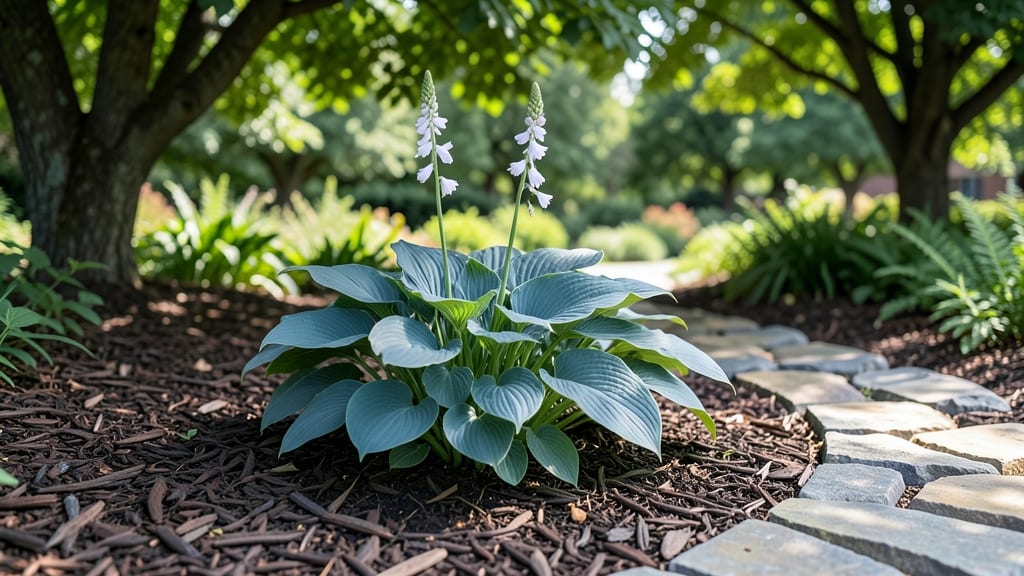
Some herbs that like shade—like parsley, mint, and chives—thrive in my dark patio garden, proving flavor doesn’t need full sun. 🌿 The secret? Picking the right plants and giving them the right conditions. These herbs don’t need blazing sun to deliver bold flavor.
Mint spreads aggressively but stays lush in partial shade, parsley grows tall and leafy with just morning light, and chives produce purple blooms even under tree canopies. A few inches of rich soil and consistent moisture keep them happy all season.
By summer’s end, you’ll harvest fresh greens for soups, teas, and garnishes—no sunburnt leaves in sight. The best part? These herbs repel pests naturally, making your shaded garden both productive and low-maintenance. Works in containers, garden beds, or even indoor spots near north-facing windows. Let’s grow flavor in the shade!
What Triggers Shade-Loving Growth
Not all herbs thrive under the blazing sun—some actually prefer the cooler, gentler conditions of shade. But why do certain herbs flourish in low-light environments while others wilt? The answer lies in their evolutionary adaptations, physiological needs, and the way light interacts with their growth processes.
Let’s break down the key reasons why some herbs crave shade.
Many shade-loving herbs have evolved in environments where direct sunlight is scarce—think dense forests, rocky crevices, or the understory of larger plants. Over time, these species developed traits that make them highly efficient in low-light conditions:
- Slower, more compact growth: Herbs like sweet woodruff (Galium odoratum) or wild ginger (Asarum canadense) grow horizontally or in tight clusters to maximize light absorption without competing with taller plants. Their leaves are often broad and thin, designed to capture as much diffused light as possible.
- Reduced chlorophyll density: Unlike sun-loving herbs (e.g., basil or oregano), shade-tolerant species produce less chlorophyll per leaf area but distribute it more evenly. This prevents overheating and allows them to photosynthesize efficiently in dimmer light.
- Deep root systems: Herbs like golden balm (Hydrocotyle vulgaris) send roots deep into the soil to access moisture and nutrients, compensating for limited above-ground light. This adaptation helps them survive in competitive, shaded ecosystems.
Pro Tip: 💡 If you’re growing shade-loving herbs in containers, ensure the pots have drainage holes and use a well-draining, moisture-retentive soil mix to support their deep root structures.
Not all light is created equal. Shade-loving herbs are sensitive to light intensity (brightness) and light quality (wavelengths), which directly impact their photosynthesis and growth hormones. Here’s how:
- Low light intensity: Direct sun delivers high-intensity light, which can damage delicate leaves in shade-adapted herbs. These plants often have thinner cuticles (the waxy outer layer) and less anthocyanin (the pigment that protects against UV rays). Too much sun leads to leaf scorch or bleaching.
- Blue and red light dominance: Sunlight contains a broad spectrum, but shade typically filters out red light (which drives photosynthesis) while allowing more blue light (which regulates growth patterns). Shade herbs adapt by producing more phytochrome pigments, which help them detect and respond to low red-light conditions.
- Ethylene sensitivity: In low light, some herbs (like wild bergamot Monarda fistulosa) produce more ethylene gas, a hormone that triggers horizontal growth (spreading out instead of reaching upward). This is why they often form lush, ground-hugging mats.
Actionable Tip: 🌡️ If your shade herb is stretching (a sign of etiolation), it’s not getting enough light—even indirect. Try moving it to a brighter spot with dappled sunlight (e.g., under a tree canopy) or supplement with a grow light for 4–6 hours daily.
Shade herbs aren’t just indifferent to sunlight—they’re often stressed by it. Here’s how excessive light and heat harm them:
| Stressor | Effect on Shade Herbs | Solution |
|---|---|---|
| Leaf burn | Direct sun causes oxidative damage in leaves, leading to brown, crispy edges (common in mint or chamomile when over-exposed). | Use light fabric shade cloth (30–50%) or plant near taller herbs (e.g., hostas) for natural filtering. |
| Water loss | Sun increases transpiration (water evaporation), drying out herbs like wild garlic (Allium ursinum) faster than they can absorb moisture. | Water deeply in the morning and mulch with organic matter (e.g., shredded leaves) to retain humidity. |
| Heat shock | Temperatures above 80°F (27°C) can disrupt enzyme activity in shade herbs, stunting growth or causing wilting. | Choose morning sun + afternoon shade spots or grow in cool-season (spring/fall). |
Pro Tip: ✨ For container-grown shade herbs, use terracotta pots—they breathe better than plastic, reducing heat stress on roots.
Understanding these triggers helps you create the perfect microclimate for your shade-loving herbs. Whether it’s their evolutionary past, light sensitivity, or sun-induced stress, these factors explain why some herbs thrive in the dark—and how to give them the care they crave.
Revitalize Your Shady Herb Garden
Transforming a struggling shade-loving herb garden into a lush, thriving space is easier than you think! Whether your plants are wilting, yellowing, or just not growing as expected, these targeted solutions will help you diagnose and fix common issues—plus keep your herbs happy year-round.
Let’s dive into the fixes, tailored to the most frequent problems and their causes.
Cause: Too many plants competing for space, light, or nutrients. Solution:
- Thin out plants 🔪: Gently remove weaker stems or overcrowded herbs (like mint or lemon balm) to give roots room to breathe. Aim for 6–12 inches of space between mature plants.
- Upgrade containers 🏺: If growing in pots, choose larger containers (10+ inches deep) for herbs like parsley or cilantro, which need deeper soil.
- Add organic matter 🌿: Mix in compost or well-rotted manure to enrich the soil and improve drainage.
Prevention Tip: 💡 Plant in stages! Instead of sowing all seeds at once, stagger plantings every 2–3 weeks to avoid overcrowding.
Cause: Insufficient light, nutrient deficiencies, or overwatering. Solution:
- Boost indirect light 🔦: Move containers to a bright, filtered spot (e.g., near a north-facing window or under a sheer curtain). Avoid deep shade—herbs like chives or dill need at least 4–6 hours of dappled light daily.
- Fertilize lightly 🌱: Use a balanced, water-soluble fertilizer (like 10-10-10) once a month during growing season. Shade-loving herbs don’t need heavy feeding, but a little goes a long way.
- Check for root rot 🚨: If leaves are yellow and mushy, your soil may be too wet. Let the top 1–2 inches of soil dry out between waterings.
Prevention Tip: ✨ Test your soil! A simple pH test kit ($5–$10) ensures your soil isn’t too acidic (ideal range: 6.0–7.0 for most shade herbs).
Cause: Stretching for light or lack of support. Solution:
- Prune for bushiness ✂️: Trim 1/3 of the top growth to encourage branching. Focus on soft, new growth to redirect energy.
- Provide support 🪑: Use small stakes or cages for taller herbs like mint or basil to keep them upright.
- Rotate containers 🌀: Turn pots quarter-turn weekly to ensure even light exposure (prevents leaning).
Prevention Tip: 🌡️ Monitor temperature! Cool shade can slow growth—keep herbs above 50°F (10°C) for best results.
Cause: Aphids, slugs, or spider mites thrive in damp, shaded conditions. Solution:
- Handpick pests 👨🍳: Spray plants with soapy water (1 tsp mild soap per quart of water) to dislodge aphids or spider mites.
- Deter slugs 🐌: Scatter crushed eggshells or diatomaceous earth around the base of pots. For slug-prone herbs like coriander, add a shallow saucer of beer as a trap.
- Encourage predators 🐞: Plant marigolds or nasturtiums nearby to attract ladybugs, which devour pests.
Prevention Tip: 💡 Water at the base! Avoid overhead watering, which creates damp conditions pests love.
Cause: Changing light levels (e.g., winter shade vs. summer dappled light). Solution: - Adjust watering 💧: Shade reduces evaporation, so water less frequently but deeply.
Stick your finger 1 inch into soil—if dry, it’s time to water. - Winterize tender herbs ❄️: Move sensitive varieties (like basil) indoors near a sunny window.
For hardy herbs (e.g., parsley, chives), mulch with straw or leaves to protect roots. - Rotate crops 🔄: Avoid planting the same herbs in the same spot yearly to prevent soil depletion. Rotate with companion plants like lettuce or spinach.
Prevention Tip: 📊 Keep a garden journal! Track light changes, watering schedules, and growth patterns to anticipate needs.
Not all shade herbs are created equal! Here’s a quick reference for your low-light heroes:
| Herb | Light Needs | Quick Fix for Struggles |
|---|---|---|
| Mint | Partial to full shade | Prune aggressively; divide every 2 years |
| Parsley | Bright indirect light | Fertilize lightly; avoid soggy soil |
| Cilantro | Dappled shade | Harvest young; replant every 6 weeks |
| Chives | Tolerates deep shade | Divide clumps; add compost annually |
| Lemon Balm | Full to partial shade | Thin out; watch for powdery mildew |
Final Thought: 🎯 Patience is key! Shade herbs grow slower but reward you with flavorful, resilient greens all season. With these fixes, your dark garden will soon be a fragrant, productive oasis—no sunshine required!
Frequently asked questions
Can I grow mint indoors under artificial light?
Mint thrives indoors with 12–14 hours of grow light daily—use a full-spectrum LED bulb about 6–12 inches above the plant. Keep soil consistently moist (not soggy) and prune regularly to control its aggressive spread. A north-facing window works too, but supplement with light in winter.
Why does my parsley turn yellow in shade?
Yellowing parsley in shade usually means nitrogen deficiency or overwatering. Boost nutrients with a balanced fertilizer (like 5-5-5) and let the top 1 inch of soil dry between waterings. Parsley needs bright indirect light—move it closer to a window if possible, or add a grow light for 4–6 hours daily.
What’s the best container size for shade herbs?
For most shade-loving herbs, aim for 10–12 inch pots with drainage holes. Mint and lemon balm need deeper containers (12+ inches) due to their spreading roots, while parsley and chives do well in 8–10 inch pots. Use a well-draining potting mix with 30% compost to prevent root rot in damp shade.
Can I grow cilantro in deep shade?
Cilantro struggles in deep shade—it needs at least 4–6 hours of dappled light daily to thrive. If your spot is too dark, try container growing near a window or supplement with a grow light. For best flavor, harvest leaves young and replant every 6 weeks—cilantro bolts quickly even in cooler shade.
How do I prevent mint from taking over my garden?
Mint spreads aggressively via underground runners. Contain it in buried pots (plant in pots sunk into the ground) or use root barriers (plastic or metal) buried 12 inches deep. Divide and replant every 2–3 years to keep it vigorous. Never compost mint clippings—they’ll sprout new plants!