
Shrubs
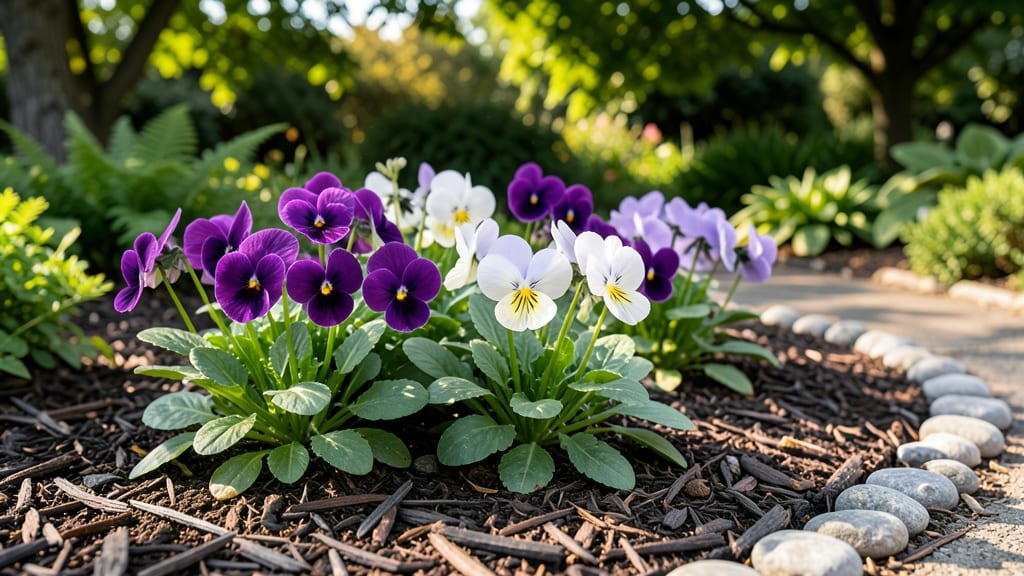
Violas can grow in shade or sun, but they bloom best with partial shade (4-6 hours of sunlight daily). Too much direct sun often causes leaf burn, while too little light reduces flower production. Your local climate and viola variety will determine the ideal balance.
Violas are surprisingly adaptable when it comes to light, making them a great choice for gardens with varying sun exposure. 🌿 The key is finding that sweet spot where they get enough light for photosynthesis without overheating.
In cooler climates, they can handle more morning sun, while hotter regions may need afternoon shade protection. I've noticed that violas in full shade still produce flowers, but the blooms tend to be smaller and less vibrant—almost like they're holding back until they get their daily light dose.
Another factor to consider is your viola's variety. Some, like the classic Johnny Jump-Up series, are more shade-tolerant, while others may push their limits in brighter conditions. Always watch for signs of stress: yellowing leaves often mean too much sun, while leggy stems with few flowers suggest insufficient light.
With the right balance, you'll get those cheerful blooms all season long!
💡 In This Article
- How Light Affects Viola Growth and Flowering
- Best Light Conditions for Viola Varieties by Climate
How light affects Viola growth and flowering
Violas have a unique photosynthetic system that makes them adaptable to varying light conditions. Their leaves contain a high concentration of chlorophyll b, which helps them efficiently capture light even in lower light environments. This is why they can thrive in partial shade, where other plants might struggle.
However, when exposed to intense direct sunlight (especially in hot climates), the chlorophyll absorbs too much energy, leading to oxidative stress in the leaves. This stress manifests as brown or yellow patches—common signs of sunburn.
The intensity of light also directly impacts flower production. Violas need 4-6 hours of sunlight daily to trigger photoperiodism—the plant's internal clock that regulates blooming. Insufficient light reduces chlorophyll synthesis, causing the stems to elongate (a condition called etiolation) and the leaves to become pale and sparse.
On the other hand, too much sun can shorten the lifespan of individual blooms, causing them to wilt faster. The ideal balance is like Goldilocks—just right—not too little, not too much.
Light quality matters just as much as quantity. Violas respond best to diffused sunlight, which scatters gently without the harshness of direct rays. This is why they often perform well under dappled shade from trees or on east-facing garden beds, where morning sun is milder.
The blue and red wavelengths in sunlight are particularly important: blue light promotes leaf growth, while red light triggers flowering. In deep shade, violas may still grow but often produce fewer flowers because the red light spectrum is filtered out by surrounding foliage.
Temperature plays a hidden role in how violas handle light. In cooler climates (50-60°F), violas can tolerate more direct sunlight because the lower temperatures prevent overheating. But in hotter regions (above 80°F), even partial sun can become stressful.
This is why afternoon shade is crucial in summer—it prevents the leaves from reaching temperatures that would otherwise damage their cellular structure. Think of it like wearing sunscreen: violas need protection from the most intense light periods.
Here’s a quick breakdown of how light affects violas at different stages:
- Seedlings: Need bright, indirect light to prevent leggy growth. Too little light leads to weak stems that can’t support the plant as it matures.
- Mature Plants: Thrive with 4-6 hours of morning sun + afternoon shade. This balance maximizes photosynthesis without overheating.
- Flowering: Requires adequate red light to sustain bloom production. Shade-loving varieties may still flower but often produce smaller, less vibrant blooms.
The science behind this is fascinating: violas have a natural ability to adjust their leaf angle and thickness in response to light conditions.
In brighter environments, their leaves become thicker and more upright to reduce surface area exposed to the sun, while in shade, they spread out to capture as much light as possible. This adaptability is one reason violas are such resilient garden stars! 🌸