
Light Requirements
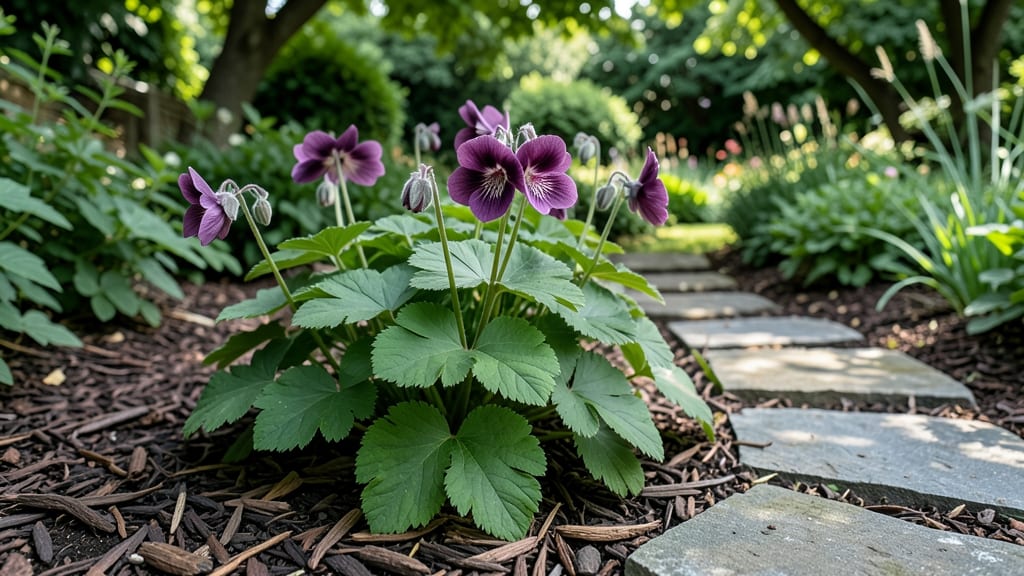
Shade-tolerant geraniums grow beautifully in low-light areas, with varieties like the Elizabethan series or Ivy geraniums standing out for their ability to adapt. Proper care—moderate watering, well-draining soil, and occasional bright indirect light—keeps them thriving and blooming even where full sun isn't available.
These hardy plants have evolved thicker leaves and deeper root systems to capture scattered sunlight efficiently. 🌿 While they can't replace full sun entirely, placing them near east-facing windows or under dappled tree canopies often yields the best results.
I’ve seen Ivy geraniums produce stunning magenta blooms in spots where other varieties would wilt—proving that shade tolerance isn’t about sacrificing color or vibrancy.
For gardeners with limited sunlight, this adaptability makes geraniums a game-changer. The key is avoiding soggy soil—these plants prefer their roots to dry slightly between waterings, which prevents rot in less sunny conditions. A little extra attention to drainage can transform a shady corner into a blooming oasis.
💡 In This Article
- Why Some Geraniums Survive in Shade Better
- Best Shade-Tolerant Geranium Varieties for Your Garden
Why some geraniums survive in shade better
Shade-tolerant geraniums owe their resilience to a combination of leaf adaptations and root structures that maximize light absorption. Unlike sun-loving geraniums, these varieties develop thicker, darker green leaves that contain more chlorophyll, allowing them to capture even dim light more efficiently.
For example, the Elizabethan series has leaves that are about 20-30% thicker than sun-adapted geraniums, providing more surface area for photosynthesis in low-light conditions. 🌿 This thickness also helps reduce water loss, a critical advantage when sunlight is scarce.
Their root systems play a crucial role too. Shade-tolerant geraniums grow deeper, more extensive roots that spread horizontally to access moisture and nutrients in larger soil volumes. This adaptation helps them survive in areas where water evaporates more slowly due to shade.
In contrast, sun-loving geraniums often have shallower roots optimized for quick water uptake in hot, dry conditions. The difference is stark: shade varieties can thrive with only 3-4 hours of indirect light daily, while sun varieties typically need 6+ hours of direct sun to perform well.
Another key factor is their bloom strategy. Shade-tolerant geraniums produce flowers that open more gradually and bloom for longer periods—often 8-12 weeks—compensating for reduced energy from sunlight.
The Ivy geranium, for instance, develops clusters of small, vibrant blooms that continue to open even in partial shade, whereas sun-loving varieties might produce fewer, larger flowers that require more energy to sustain. This biological trade-off ensures consistent color even when sunlight is limited.
However, these adaptations come with trade-offs. Shade-tolerant geraniums grow more slowly and may produce smaller foliage compared to sun varieties. Their stems can also become more leggy if light is too scarce, requiring occasional pruning to maintain compact growth.
The Woodland geranium, for example, naturally grows in dappled forest light, so it’s accustomed to these conditions but may struggle in complete darkness. Understanding these nuances helps gardeners set realistic expectations for growth and blooming.
Light quality matters just as much as quantity. Shade-tolerant geraniums prefer bright indirect light—think of the light filtering through medium-density tree canopies—rather than deep, dark shade.
Artificial grow lights with a cool white spectrum (5000-6500K) can supplement natural light in indoor settings, mimicking the conditions these plants thrive in. Without enough light, even the hardiest varieties will produce fewer blooms and weaker stems, so positioning is everything. 🌱
For gardeners, the takeaway is clear: shade-tolerant geraniums aren’t just surviving in low light—they’re biologically optimized for it. Their thicker leaves, deeper roots, and gradual blooming strategies make them ideal for spots where other plants would struggle.
With the right variety and care, you can turn even the shadiest corners of your garden into a vibrant display of color and life.