
Light Requirements
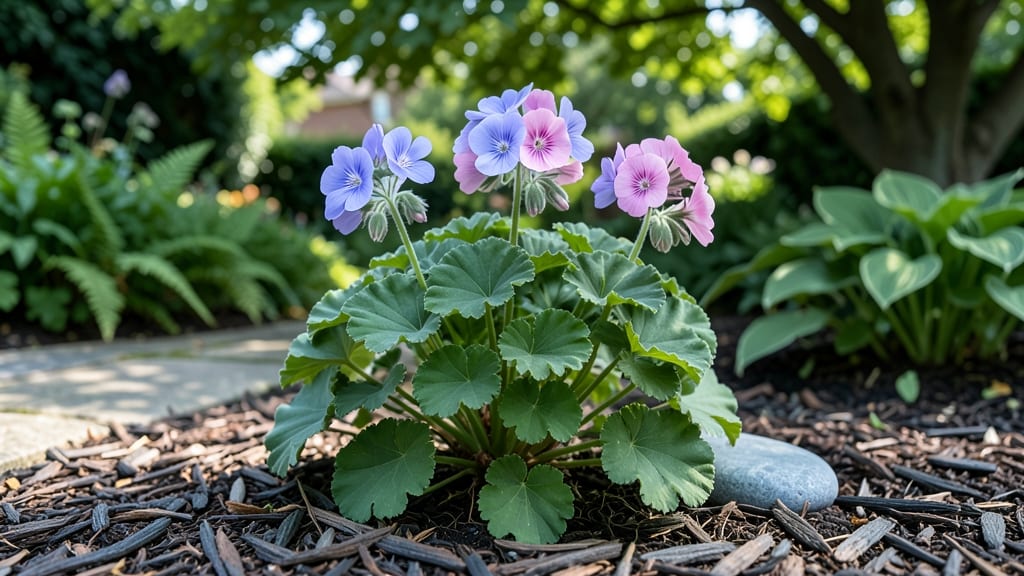
Growing geraniums in partial shade requires the right varieties and care to keep them blooming beautifully 🌸—and the difference between thriving plants and struggling ones often comes down to a few key adjustments.
Struggling to keep your geraniums thriving in partial shade? The right varieties and planting strategies can transform your shady spots into vibrant displays—without sacrificing blooms or health.
Not all geraniums handle low light the same way. Some, like Geranium macrorrhizum, actually prefer dappled shade and reward you with lush foliage and delicate flowers. Others may need a little more light to avoid leggy growth or sparse blooms.
In this guide, you’ll learn which shade-tolerant varieties to choose, how to prep your soil for optimal drainage, and the simple watering and feeding schedule that keeps them looking their best year after year.
 Best Window Placement
Best Geranium varieties that flourish in partial shade
Partial shade gardens don't have to mean dull displays—some geranium varieties thrive under dappled sunlight while still delivering stunning blooms. The key is selecting shade-tolerant species like Geranium macrorrhizum or Geranium phaeum, which boast unique features like fragrant foliage or long-lasting flowers.
These varieties adapt beautifully to 3-6 hours of sunlight, making them perfect for woodland gardens, north-facing beds, or areas with afternoon shade.
Unlike sun-loving pelargoniums (often called "geraniums" in gardening circles), these true geraniums handle lower light better. Their hardy nature means fewer pests, less watering, and extended bloom seasons—often from spring through fall.
Whether you're filling a shady container or lining a woodland path, these varieties will reward you with vibrant color and low-maintenance beauty.
🌿 Visual Guide: Top Shade-Tolerant Geraniums
For containers or small gardens, Geranium renardii is my top pick—its compact size (6-12 inches) and bold red blooms create instant impact. Place it near hostas or ferns to mimic a woodland understory.
Meanwhile, Geranium macrorrhizum spreads aggressively via rhizomes, making it ideal for ground cover under trees where grass struggles to grow.
The velvety flowers of Geranium phaeum ('Dusky Geranium') are a bees' magnet in early spring when few other plants bloom. Its dark purple hues contrast beautifully with silver foliage plants like lamb's ear. I often pair it with heucheras for a low-maintenance shade border that thrives with minimal care.
If you love fragrant gardens, Geranium macrorrhizum is a must—its lemon-scented leaves release aroma when brushed. Crush a leaf between your fingers to repel deer and pests naturally. This variety also handles drought better than most geraniums, making it perfect for xeriscaping in partial shade.
For late-season color, Geranium nodosum delivers pinkish-purple blooms from summer into fall. Its nodding flowers add a whimsical touch to shady borders or rock gardens. Pair it with astilbes or coral bells for a textural contrast that extends your garden's season.
When selecting varieties, consider your garden's microclimate. A north-facing wall might need Geranium sylvaticum for its full-shade tolerance, while
How to plant and care for geraniums in partial shade
Geraniums are stunning additions to any garden, but their success in partial shade depends on a few key strategies. Unlike their sun-loving cousins, shade-tolerant geraniums like Geranium macrorrhizum thrive with 3-6 hours of filtered light daily.
The secret lies in well-draining soil, consistent moisture, and proper mulching to mimic their natural woodland habitats.
When planting, choose a location that receives morning sun and afternoon shade, such as near trees or under a pergola. This balance prevents leaf scorch while ensuring enough light for vibrant blooms.
If your garden has heavy clay soil, amend it with compost or perlite to improve drainage—a critical factor for geranium health in shady spots.
⚠️ WARNING: Avoid These Partial Shade Pitfalls
Overwatering is the #1 killer of shade geraniums. Soggy soil leads to root rot, especially in containers. Always check soil moisture by sticking your finger 1 inch deep—water only if it feels dry. Morning watering prevents fungal diseases that thrive in damp evening air.
Poor airflow from overcrowding causes powdery mildew. Space plants 12-18 inches apart and prune leggy stems to encourage bushier growth. Deadhead spent blooms regularly to redirect energy to new flowers, not seed production.
Start by preparing your planting site with a 2-inch layer of organic mulch, like shredded bark or pine needles. This retains moisture, regulates soil temperature, and suppresses weeds—all while adding nutrients as it breaks down.
For container geraniums, use a lightweight potting mix with added peat moss or coconut coir to improve aeration.
Watering in partial shade requires a gentler approach than full sun. Aim for 1 inch of water per week, delivered deeply at the base of the plant.
Avoid wetting foliage to prevent fungal issues. In hotter months, you may need to water every 5-7 days, but always adjust based on rainfall and soil dryness.
Feed your geraniums with a balanced, water-soluble fertilizer (5-10-10 ratio) every 4-6 weeks during spring and summer. In fall, switch to a low-nitrogen formula to encourage root strengthening before dormancy. Always water plants thoroughly after fertilizing to prevent root burn.
Seasonal maintenance keeps your shade geraniums looking their best. Prune back leggy stems in early spring to shape the plant and promote fuller growth. After flowering, give them a light haircut to remove spent blooms and encourage a second flush of flowers.
In fall, reduce watering and stop fertilizing as growth slows.
With these care tips, your partial-shade geraniums will reward you with months of vibrant blooms and lush foliage—proving that even shady gardens can be stunning. The key is patience and attention to their unique needs! 🌿