
Shrubs
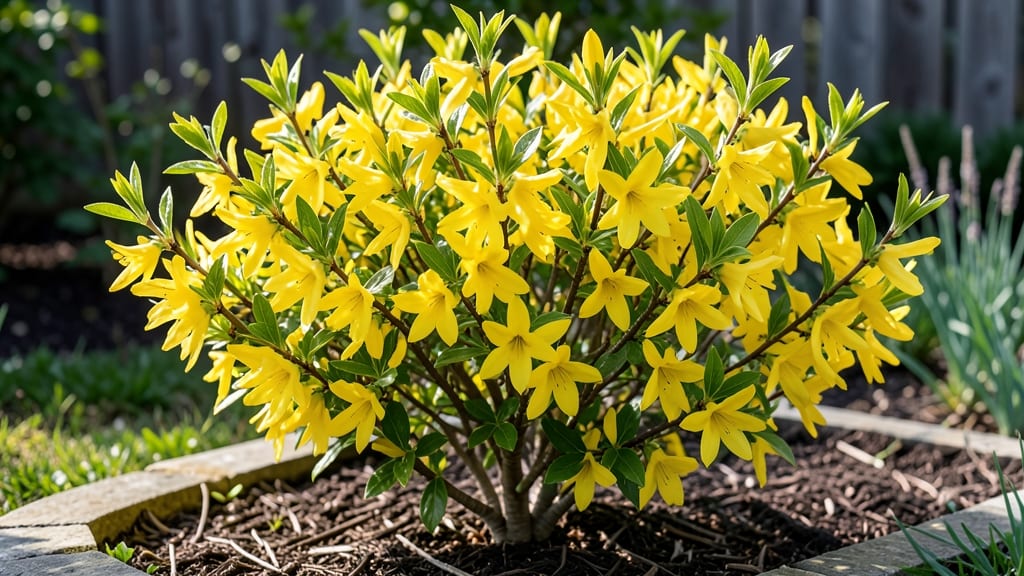
Forsythia prefers full sun for best results, though it handles partial shade—just expect fewer blooms in lower light. Aim for well-drained soil and at least 6 hours of sunlight daily to maximize growth and vibrant flowers.
Forsythia's love for sunlight isn't just about aesthetics—it's about survival. 🌿 Without enough light, the plant struggles to produce chlorophyll, which directly impacts its ability to photosynthesize and create energy. This is why flowering often fades in shadier spots, as the plant redirects resources to basic growth rather than blooms.
I've seen forsythias in partial shade still thrive, but their stems grow leggier and leaves lose that rich green vibrancy. The key is finding a balance: if you must plant in shade, choose a location with morning sun or filtered light to give it a fighting chance.
Where you live matters too. In warmer southern climates, forsythia can handle afternoon shade to prevent stress, while northern gardens benefit from full sun exposure.
Urban areas with concrete heat islands may need extra watering if planted in full sun, while rural spots with cooler microclimates can sometimes get away with more shade.
Always test your soil first—forsythias hate soggy roots, so amending with compost improves drainage and helps the plant handle both sun and shade better.
💡 In This Article
- How Sunlight Affects Forsythia Flowering and Growth
- Best Locations for Forsythia in Different Climates
How sunlight affects forsythia flowering and growth
Sunlight triggers forsythia's flowering through a process called photoperiodism, where the plant detects day length changes. In full sun (6+ hours daily), forsythia produces more chlorophyll, which powers photosynthesis and energy storage.
This excess energy fuels vibrant yellow blooms in spring, with each flower containing 12-16 stamens that catch sunlight efficiently. Without adequate light, the plant shifts resources to basic survival, resulting in smaller, paler flowers or even no blooms at all.
The difference between full sun and partial shade becomes visible in leaf health. Forsythia leaves in full sun develop a richer green hue due to higher chlorophyll concentration, while shaded leaves turn lighter and thinner.
Stem strength also varies—sun-exposed plants develop thicker, sturdier stems (up to 1.5 inches in diameter), while shaded stems grow lanky and weak, often flopping under their own weight. The flower intensity drops by 30-50% in partial shade, with colors fading from bright yellow to pale greenish-yellow.
Here's what happens botanically: Forsythia's flowering is regulated by phytochrome pigments, which detect red and far-red light wavelengths. In low light, these pigments trigger a "shade avoidance" response, causing elongated stems and reduced blooms.
The plant's phloem tissue (which transports nutrients) also weakens, limiting flower development. For best results, position forsythia where it gets direct morning sunlight (most intense light) and dappled afternoon shade if needed.
One surprising detail is how temperature interacts with sunlight. In cooler climates (USDA Zones 4-6), forsythia benefits from full sun to warm its dormant buds in early spring. In warmer zones (7-9), afternoon shade prevents leaf scorch from temperatures above 90°F.
The ideal balance is 6-8 hours of direct sun with 2-4 hours of filtered light—this mimics natural forest edges where wild forsythia thrives.
Consider this comparison: A forsythia in full sun may produce 1,200-1,500 flowers per plant, while one in partial shade might yield only 400-600 flowers. The difference comes down to photosynthetic efficiency—sunlight provides the energy needed to create anthocyanins (the pigments that give flowers their vibrant color).
Without enough light, these pigments don't form properly, leading to duller displays.
For gardeners in urban areas, this means positioning forsythia near south-facing walls or east-facing windows maximizes light exposure. If planting under trees, choose species with high canopies (like oak or hickory) that allow dappled light rather than dense shade.
The goal is to replicate the natural understory conditions where wild forsythia grows—enough light for photosynthesis but protection from harsh afternoon rays.