
Flowers
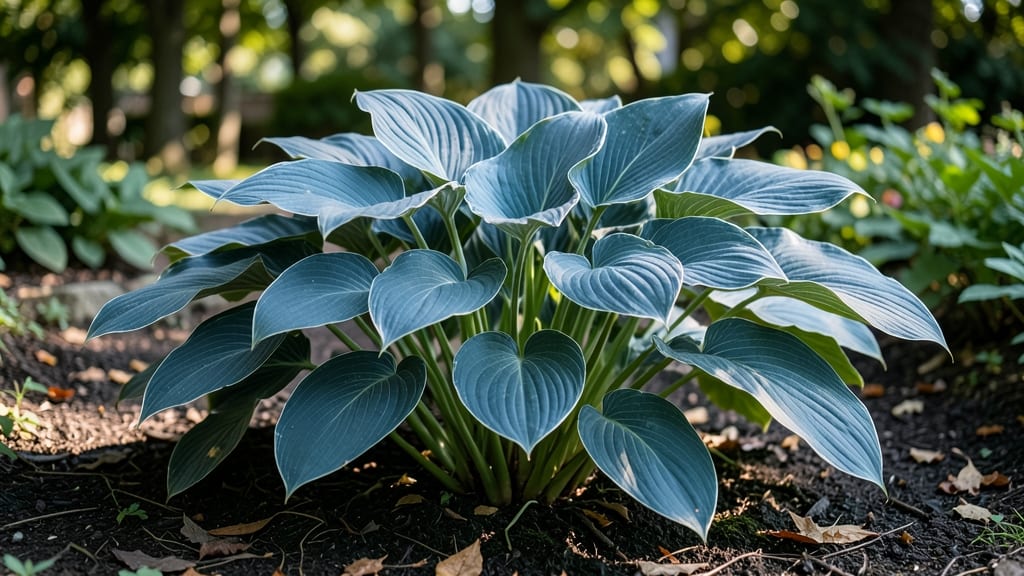
Flowers that prefer shade, like impatiens and hostas, burst into vibrant color where sun struggles to reach—transforming my woodland edge into a lush, sun-free garden. The secret lies in matching the right bloomers to your light conditions, whether it’s dappled shade or deep woodland gloom.
These low-light stars need moist, well-draining soil and consistent watering, but they reward you with bold blooms and lush foliage. Popular picks like astilbes (feathery plumes), ferns (delicate textures), and bleeding hearts (romantic charm) prove shade gardens can be just as stunning as sunlit borders.
The key? Plant in spring or early fall when roots can establish before winter’s chill or summer’s heat.
You’ll end up with a garden that stays cool, stays green, and blooms reliably—no wilting or sunburned leaves in sight. The fragrance of sweet alyssum or the velvety touch of lamium adds sensory layers that sun-loving gardens often miss.
Plus, these plants attract butterflies and hummingbirds that other gardens might overlook.
Whether you’re working with a north-facing yard, a dense tree canopy, or just a spot under a balcony, these shade specialists adapt beautifully. Start with a few tried-and-true varieties, then experiment with lesser-known gems like Japanese anemones or Solomon’s seal for unexpected drama. Your shady corners will thank you.
📚 In This Guide
- What you need
- Instructions
- Tips and common mistakes
- Wrapping up and next steps
What you need
- ● Shade-loving flower plants: 5–10 Impatiens (New Guinea or classic varieties)
- ● 3–5 Hosta (for foliage + occasional blooms)
- ● 2–3 Bleeding Heart (Dicentra spectabilis)
- ● 1–2 Astilbe (fuzzy plumes, great for texture)
- ● 3–5 Fuchsia (trailing or upright varieties)
- ● 1 Hellebore (Lenten Rose) (perennial, winter-hardy)
- ● Soil & amendments: 50 lbs well-draining potting mix (for containers) or 1 cubic yard organic garden soil (for in-ground planting)
- ● 10 lbs compost (to enrich soil with nutrients)
- ○ Optional: 5 lbs peat moss or coconut coir (for moisture retention in containers)
- ● Containers (if applicable):strong> 3–5 hanging baskets (12–16 inches in diameter, with drainage holes)
- ● 2–3 window boxes or raised beds (12–18 inches deep)
- ● 1–2 large pots (14–18 inches in diameter, for perennials like hellebores)
- ● Tools: 1 garden trowel (for transplanting)
- ● 1 pruners (for trimming dead foliage)
- ● 1 watering can or hose with a gentle spray nozzle
- ● 1 gloves (to protect hands from soil and thorns)
- ○ Optional: mulch (2–3 inches of shredded bark or pine needles to retain moisture)
- ● 🌡️ Soil pH: Test your soil (ideal pH for most shade flowers is 6.0–7.0). Adjust with lime (to raise pH) or sulfur (to lower it) if needed.
- ● ✨ Drainage: Ensure containers or garden beds have at least 3–4 drainage holes to prevent root rot.
- ● 🎯 Light Check: Use a light meter app to confirm your spot gets less than 4–6 hours of direct sun daily.
How to select and plant shade-loving flowers for a thriving garden
Creating a vibrant shade garden starts with the right plants—here’s how to choose and establish them properly.
Identify Your Shade Conditions
Not all shade is equal. Determine whether your area receives partial shade (3–6 hours of filtered light) or full shade (less than 3 hours). Hostas and astilbes thrive in full shade, while impatiens and ferns prefer partial shade. Observe your garden throughout the day—morning sun might reach areas that stay shaded by afternoon.
Use a moisture meter to check soil dampness. Shade gardens often stay moist longer, so plants like bleeding hearts and lungwort need well-draining soil even in low light. If your soil feels compacted, amend it with 3–4 inches of compost before planting.
Choose the Right Shade-Tolerant Flowers
For full shade, prioritize plants like heuchera (coral bells), tiarella (foamflower), and lobelia, which bloom in low light. In partial shade, opt for hydrangeas, begonias, or coleus for color and texture. Group plants with similar light needs—mixing sun-lovers with shade plants leads to weak growth.
Check plant tags for USDA hardiness zones to ensure your selections survive local winters. For example, impatiens thrive in zones 10–11 but may struggle in colder climates. If you’re unsure, start with perennials like hostas or ferns, which are forgiving and adaptable.
Prepare the Planting Site
Clear debris and loosen soil to a depth of 12 inches with a garden fork. Shade gardens benefit from organic mulch (like shredded bark) to retain moisture and suppress weeds. Apply 2–3 inches of mulch after planting, keeping it 2 inches away from stems to prevent rot.
For container gardens, use well-draining potting mix with added perlite or sand. Shade plants in pots dry out slower, so ensure containers have drainage holes. Water thoroughly after planting to settle the soil and encourage root growth.
Plant with Proper Spacing and Care
Follow spacing guidelines on plant tags—crowding reduces airflow, increasing disease risk. For example, hostas need 18–24 inches apart, while impatiens can be planted 6–12 inches apart. Dig holes twice as wide as the root ball to encourage root spread.
Water deeply after planting to eliminate air pockets. Shade plants rely on consistent moisture, so water 1–2 inches per week, adjusting for rain. Avoid overhead watering, which can promote fungal issues. Use a soaker hose for targeted hydration.
Maintain and Encourage Growth
Fertilize shade plants lightly in spring with a balanced, slow-release fertilizer (10-10-10). Over-fertilizing leads to leggy growth. Deadhead spent blooms on annuals like impatiens to prolong flowering. For perennials, cut back dead foliage in early spring before new growth appears.
Monitor for pests like slugs or aphids, common in moist shade gardens. Handpick slugs at night or use beer traps (bury a shallow dish filled with beer). If mildew appears, improve airflow by thinning crowded plants and applying neem oil as a preventative spray.
Tips & tricks for perfect shade garden planting
Between us, the difference between a thriving shade garden and a struggling one often comes down to these key details.
Light Observation: Step 1 isn't just about guessing shade levels—actually track light exposure for a full day. Morning sun behaves differently than afternoon shade. I've seen gardeners assume an area gets full shade all day, only to discover it receives 3-4 hours of morning light. This can make all the difference for plants like hostas that prefer consistent low light.
Soil Preparation: The 3-4 inches of compost recommendation in Step 1 is non-negotiable for shade gardens. Compacted soil becomes a moisture trap, leading to root rot. I always mix in a handful of perlite or sand to improve drainage, especially for moisture-loving plants like lungwort. This creates that perfect balance of moisture retention without waterlogging.
Container Considerations: For container gardens in Step 3, don't just grab any pot—choose containers with drainage holes AND consider their size relative to root growth. I've learned the hard way that undersized containers dry out too quickly, while oversized ones stay soggy. For most shade plants, aim for containers that are 12-18 inches deep to accommodate root spread.
Spacing Strategy: The spacing guidelines in Step 4 are your best defense against disease. I've seen crowded shade gardens develop mildew within weeks because airflow was restricted. For example, give ferns extra space—they appreciate the airflow to prevent fungal issues. Think of it as creating a microclimate where each plant can breathe.
Pro Tips for Flowers That Prefer Shade
- Between us, the difference between a thriving shade garden and a struggling one often comes down to these key details.
- Light Observation: Step 1 isn't just about guessing shade levels—actually track light exposure for a full day.
- Soil Preparation: The 3-4 inches of compost recommendation in Step 1 is non-negotiable for shade gardens.
Frequently asked questions
Got questions about growing shade-loving flowers? You’re not alone! Here are answers to the most common concerns—from placement to care—to help your garden bloom beautifully without direct sunlight.
What’s the best way to tell if my garden spot is truly shady?
Look for areas with less than 3–4 hours of direct sunlight daily. Use a sunlight tracker (or a white plate left in the spot for a few hours)—if it stays cool and dry, it’s likely shade. Dappled shade (filtered light through trees) is ideal for many flowers, while deep shade (under dense foliage) suits only the hardiest varieties like Hosta or Bleeding Heart.
How long does it take for shade flowers to bloom after planting?
Most shade-loving flowers take 6–12 weeks to establish roots before blooming, but timing varies:
- Perennials (e.g., Astilbe, Hellebore): Often bloom in first or second year.
- Annuals (e.g., Impatiens, Begonias): May flower in 4–8 weeks if planted in spring.
- Bulbs (e.g., Crocus, Snowdrops): Can bloom as early as fall/winter if planted correctly.
Do shade flowers need extra watering, or do they handle moisture better?
Most shade flowers prefer consistent moisture but hate soggy soil. Water deeply 1–2 times per week (more in extreme heat) to encourage strong roots. Mulch heavily (2–3 inches of organic matter) to retain moisture and protect roots. Watch for:
- Wilting leaves = underwatering.
- Yellowing leaves = overwatering or poor drainage.
Can I grow shade flowers in containers, or do they need garden beds?
Containers work great for shade flowers—just choose large pots (12"+ diameter) with drainage holes and well-draining soil (add perlite or orchid bark). Best container-friendly picks:
- Begonias (trailing varieties spill beautifully).
- Fuchsias (thrive in hanging baskets).
- Caladiums (dramatic foliage for shade).
- Heuchera (hardy and compact).
Why aren’t my shade flowers blooming, even though they look healthy?
Healthy foliage but no blooms? Try these fixes:
- Check light levels: Some "shade" flowers (like Impatiens) need bright indirect light to bloom.
- Fertilize right: Use a balanced or high-phosphorus fertilizer (like 5-10-5) in early spring to encourage flowers.
- Deadhead spent blooms to redirect energy to new flowers.
- Adjust temperature: Some flowers (e.g., Hellebores) bloom best in cool spring/fall.
Wrapping up and next steps
Transforming shady spots into vibrant gardens is easier than you think! Whether you're working with hostas, impatiens, or astilbes, these shade-loving flowers prove that beauty thrives even in low light. With the right soil, watering, and care, you’ll create a lush, blooming oasis that’s both serene and stunning.
Ready to get started? Pick one (or two!) flowers from our list and plant them this weekend—your garden’s hidden gem awaits! 🌿✨