
Companion Plants
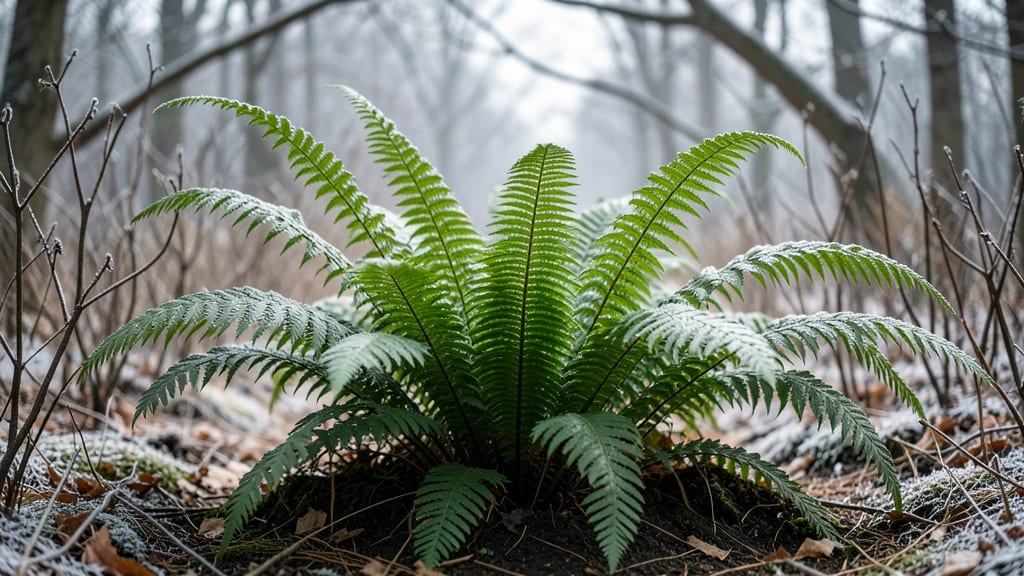
Dark corners of your garden don’t have to stay bare this fall. These shade-loving plants deliver vibrant foliage, seasonal interest, and low-maintenance beauty—perfect for transforming dim spots into lush retreats.
Japanese Maple with Crimson Leaves
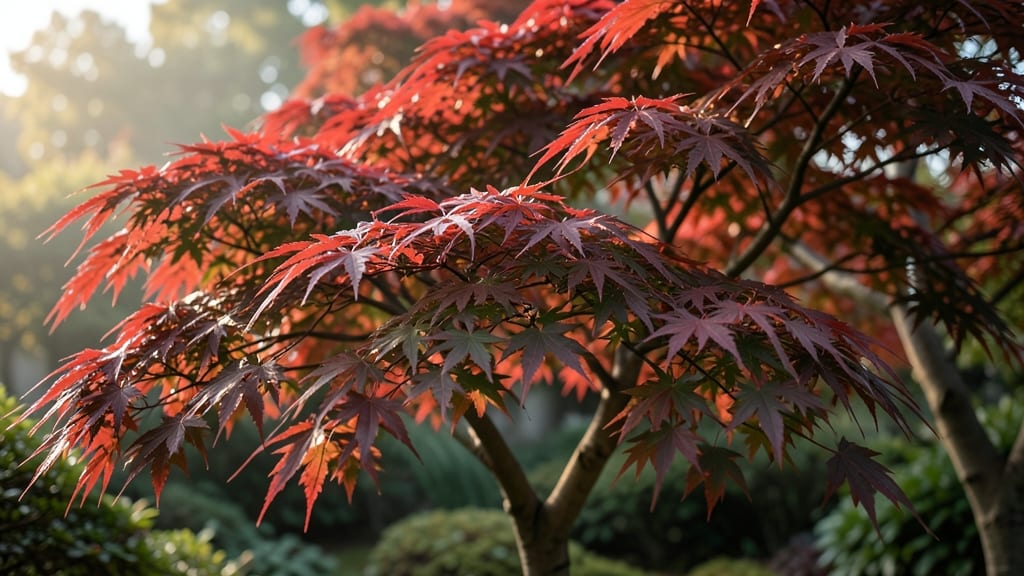
If you crave dramatic fall color but lack space for towering trees, the Japanese Maple with Crimson Leaves delivers a showstopping punch in compact form. This cultivar, like Bloodgood Japanese Maple, transforms from lush green to fiery red as temperatures drop, making it a standout in small gardens or containers.
Thriving in partial to full shade, it tolerates moist, well-drained soil and adapts well to urban environments where space is tight. Prune lightly after spring bloom to maintain its natural shape, and protect young trees from late frosts. Its slow growth ensures it won’t outgrow its spot for years.
Perfect for gardeners who want high-impact foliage without the upkeep of larger trees, this maple is ideal for patios, balconies, or woodland garden edges. 🌟
Heuchera Coral Bells for Textured Foliage
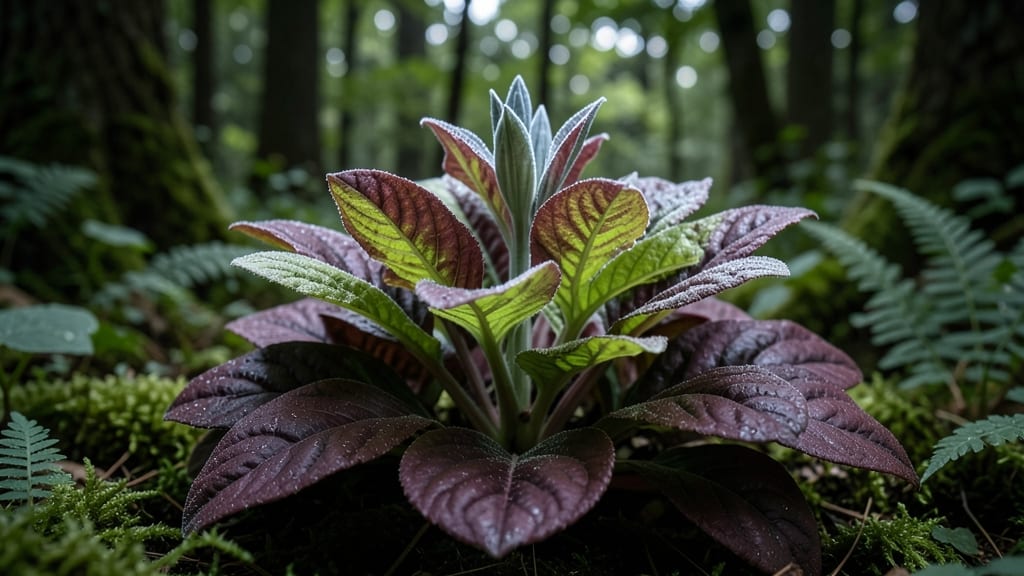
If you’ve ever struggled to find plants that thrive in deep shade and deliver visual interest year-round, Heuchera Coral Bells is your answer. These velvety-leaved beauties bring bold colors—burgundy, lime, or silver—to even the darkest corners, making them a standout choice for fall and beyond.
Perfect for edging, borders, or ground cover, Heuchera thrives in full to partial shade and handles dry soil once established. Their textured foliage adds depth to containers or garden beds, while delicate flowers in spring add a subtle pop of color. With over 200 varieties, you can mix and match colors for a striking, low-maintenance display.
Urban gardeners and beginners will love how easy they are to grow—just plant in well-draining soil and water occasionally. Their year-round interest ensures your shade garden stays vibrant even when other plants fade. 💚
Dwarf Fothergilla with Fragrant Flowers
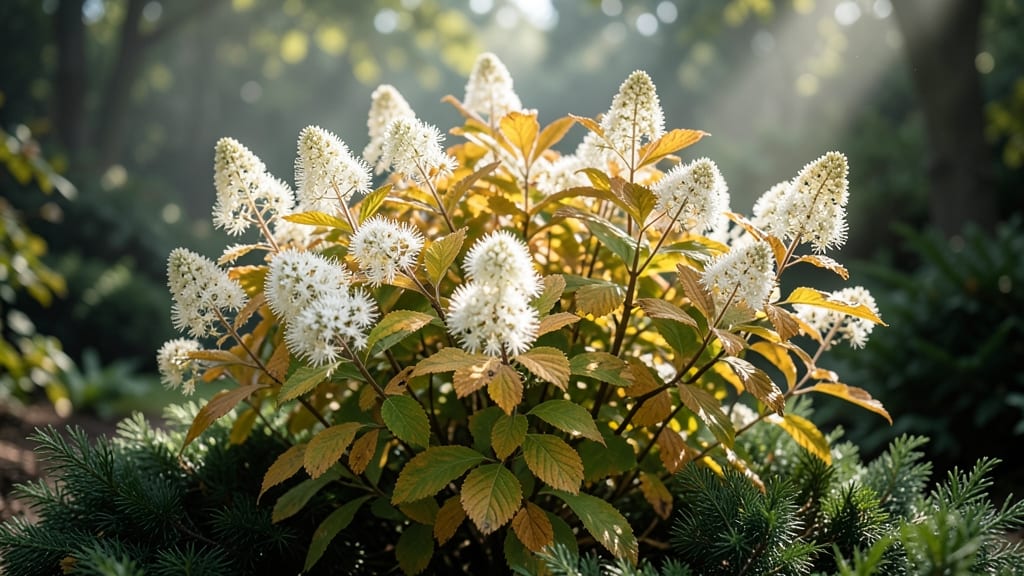
If you crave a fragrant addition to your shade garden that doubles as a four-season star, dwarf fothergilla is your answer. This compact shrub (reaching just 3–4 feet tall) bursts with white bottlebrush blooms in spring, then transforms into a golden-yellow masterpiece by fall—while filling the air with a sweet, honey-like scent.
Thriving in partial to full shade, it’s perfect for urban gardens or small yards where space is tight. Plant it in well-draining soil and water moderately—once established, it’s drought-tolerant. Prune lightly after flowering to maintain its rounded shape. The fragrance alone makes it a pollinator magnet, especially for bees and butterflies.
Urban gardeners and small-space lovers will adore how this shrub packs year-round interest without sprawling. Pair it with hostas or ferns for a layered, low-maintenance shade garden that smells as good as it looks. 🌿
Hostas with Blue-Green Variegation
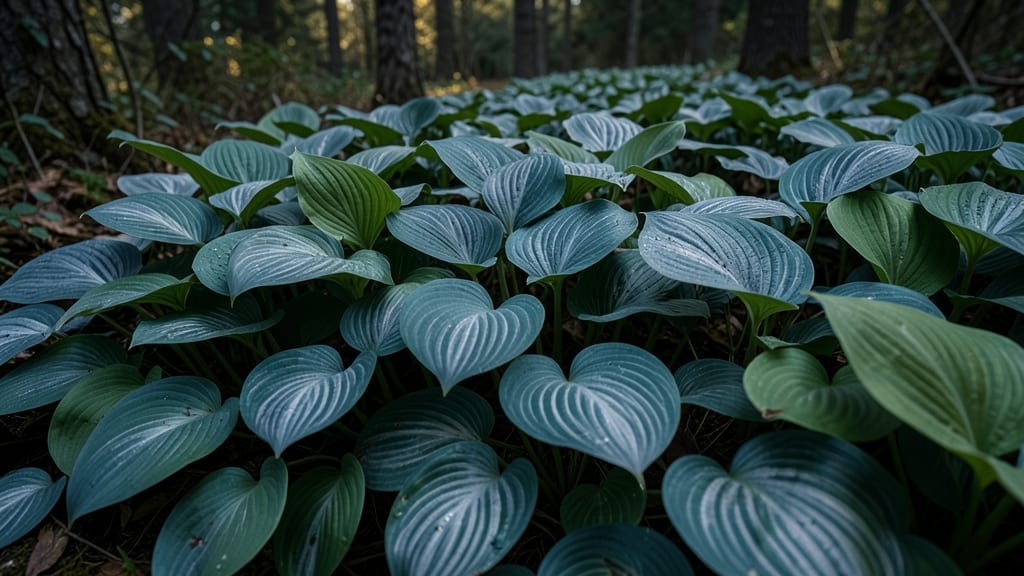
Tired of dull, shadowy garden corners? Hostas with blue-green variegation inject vibrant contrast into dark spaces with their striking, arrowhead-shaped leaves—like nature’s own stained glass. These perennials thrive where others falter, making them the unsung heroes of shady borders and woodland gardens.
Plant them in partial to full shade (they’ll tolerate even deep shade under trees), and watch their bold foliage create visual depth. Varieties like 'Blue Angel' or 'Halcyon' feature crisp white edges that glow in low light, while 'Patriot' offers deep blue centers. Mulch annually to retain moisture—their thick leaves store water, making them drought-tolerant once established.
Perfect for beginners or busy gardeners, hostas demand minimal care but deliver maximum impact. Group them with ferns or astilbe for a layered, woodland-inspired look that stays lush all season. 💚
Bleeding Heart Fern for Lush Greenery
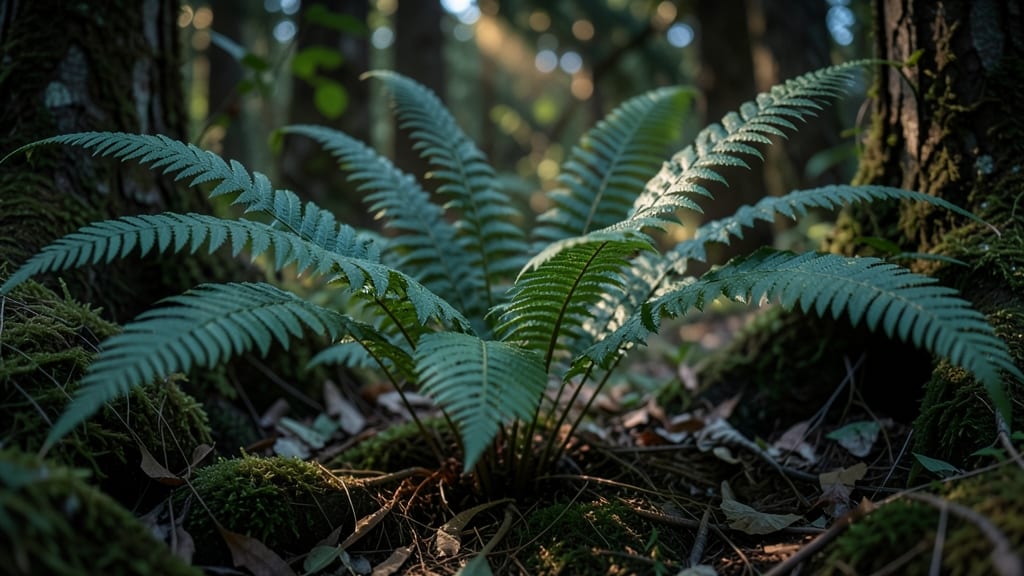
Transform those shadowy garden nooks into year-round havens with the bleeding heart fern (Dicranopteris pectinata), a tropical evergreen that thrives where sunlight barely reaches. Unlike seasonal plants, its delicate, arching fronds stay lush and green through all four seasons, creating a soft, feathery contrast to darker foliage.
This hardy fern handles full to partial shade beautifully, making it ideal for understory planting or as a living mulch. Water it once a week during dry spells, but avoid soggy soil to prevent root rot. In USDA zones 9-11, it grows as a perennial, while in cooler climates, treat it as an annual or overwinter it indoors.
Perfect for urban gardeners with limited sunlight or woodland gardeners seeking texture, this fern blends seamlessly with hostas or ferns. Its low-maintenance nature makes it a pollinator-friendly favorite that keeps dark corners vibrant. 🌿
Caladiums with Painted Leaves
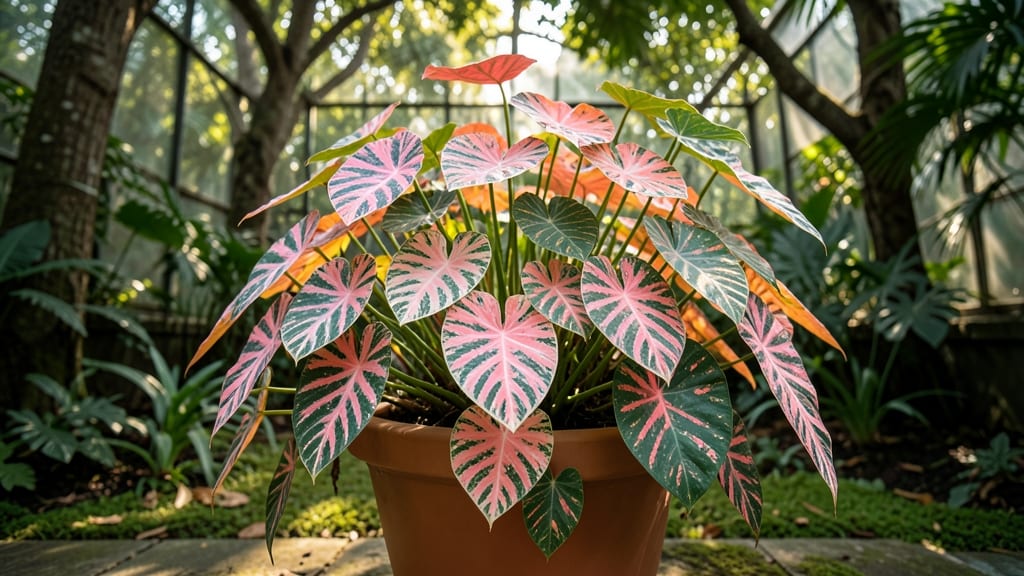
Bring a tropical paradise to your shady spots with caladiums, whose painted leaves burst with pink, white, and deep green patterns that rival any tropical vacation. Unlike most shade plants, caladiums thrive in the humid, dim conditions of bathrooms, patios, or under trees—making them perfect for fall planting when temperatures stay mild.
These tubers love moist, well-draining soil and full to deep shade, producing glossy foliage that lasts from late spring through fall. For containers, group them with ferns or hostas for a layered look, or use them as a bold ground cover in humid climates like zones 8-11. Deadhead spent leaves in fall, then store tubers indoors over winter for replanting next spring.
Urban gardeners and small-space lovers will adore how caladiums deliver instant drama with zero fuss. Their vibrant patterns create a striking contrast to darker foliage, turning dull corners into a tropical oasis without the sun requirements of most tropical plants. ✨
Inkberry Holly for Evergreen Structure
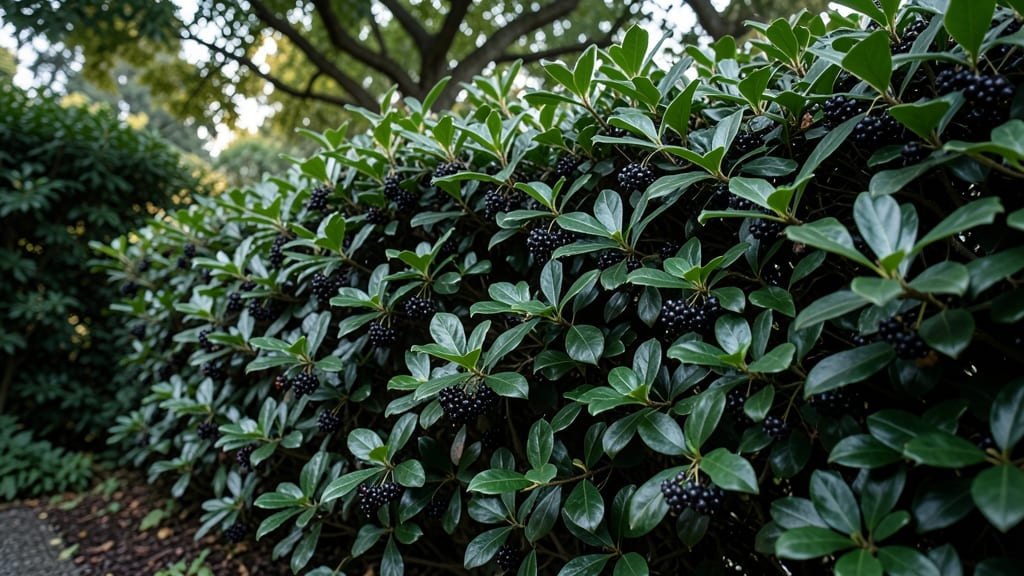
Want a privacy screen or hedge that thrives in shade without demanding constant care? Meet inkberry holly (Ilex glabra), a versatile evergreen shrub that delivers glossy black berries and dense, dark green foliage—ideal for full to partial shade conditions where other plants struggle.
This low-maintenance shrub handles moist to dry soil and tolerates urban pollution, making it perfect for city gardens or woodland edges. Prune lightly in late winter to shape, and watch birds flock to its winter berries, which provide food when little else is available. Unlike traditional hollies, inkberry is dioecious (meaning male and female plants are separate), so include at least one of each for berries.
Perfect for beginners or busy gardeners, inkberry creates a structured, wildlife-friendly backdrop that stays lush year-round. Pair it with ferns or hostas for a layered, evergreen shade garden that requires almost no effort. ✨
Astilbe with Feathery Plumes
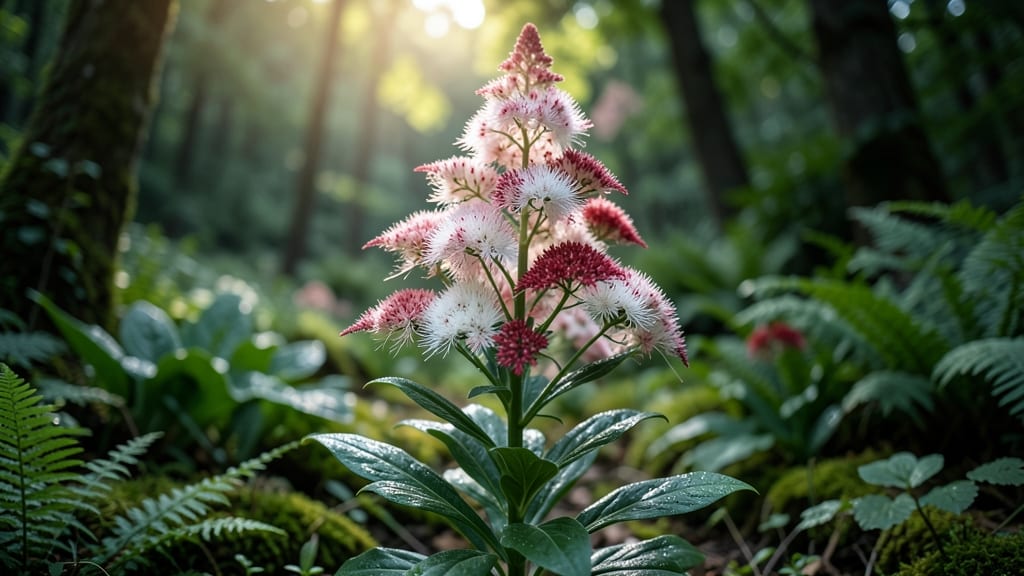
Looking to add romantic height and texture to your woodland garden without sacrificing shade? Astilbe with feathery plumes brings soft, cloud-like blooms in pink, white, or red that dance in the breeze—perfect for filling empty vertical space where other plants struggle.
These moisture-loving perennials thrive in partial to full shade, making them ideal for understory planting or borders near ponds. Their 18-36 inch stalks create stunning layers when grouped with shorter foliage plants like hostas or ferns. Deadhead spent blooms to encourage a second flush, and mulch to retain moisture—especially important in hotter fall months.
Gardeners with damp, shady spots will love how astilbe adds seasonal drama with minimal effort. Pair it with bleeding heart ferns or coral bells for a lush, layered look that feels straight out of a fairy tale. 🌷
Lungwort with Spotted Leaves
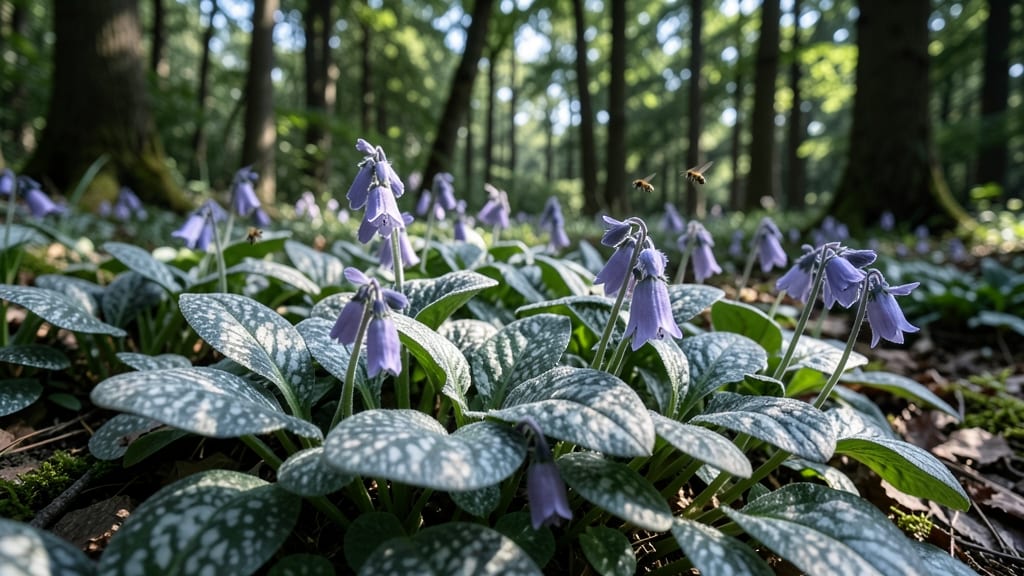
Looking to add unexpected texture and pollinator appeal to your shady perennial borders? Lungwort (Pulmonaria) with its distinctive silver-spotted leaves and delicate purple flowers is a standout choice that thrives where others struggle. This hardy perennial emerges early in spring, offering one of the first bursts of color in dim garden corners.
Plant lungwort in partial to full shade, where its heart-shaped leaves develop striking silver spots as they age. The delicate purple blooms appear in late winter to early spring, attracting bees and butterflies when few other plants are in bloom. Varieties like 'Blue Ensign' or 'Sissinghurst White' offer different color options while maintaining the same easy-care nature. Once established, lungwort spreads gently via rhizomes, creating a lush ground cover that suppresses weeds.
Perfect for woodland gardeners or those seeking low-maintenance pollinator plants, lungwort adds visual intrigue without demanding attention. Pair it with ferns or hostas for a layered, ever-interesting shade border that stays beautiful from winter through spring. 💚
Christmas Fern for Year-Round Greenery

When winter arrives and most gardens fade to brown, the Christmas fern (Polystichum acrostichoides) keeps its emerald-green fronds year-round, creating a lush contrast against frosty landscapes. Unlike seasonal plants, this hardy fern thrives in full to partial shade, making it ideal for understory planting, woodland gardens, or even as a living mulch under trees.
Native to eastern North America, this fern handles USDA zones 3-9, tolerates poor soil, and requires minimal care—just occasional watering during dry spells. Its arching fronds (up to 2 feet long) add soft texture to borders or containers, while its evergreen nature provides winter interest for birds and pollinators. For a low-maintenance ground cover, space plants 12-18 inches apart and watch them spread naturally over time.
Perfect for gardeners who want year-round greenery without fuss, the Christmas fern is especially beloved in woodland gardens or as a backdrop for spring bulbs. Its resilience and beauty make it a standout choice for transforming dark corners into vibrant, evergreen retreats. 🌱